Durban buyers have three real ways to get used clothing in bulk, and they are priced in three different ways: a local bale shop selling by the bale, a national distributor delivering from another province, and a direct container import. The confusion starts because all three are quoted in different units, so a cheaper-looking bale price is often the more expensive kilogram.
This guide compares the three routes on the same basis, explains the cost stack behind a Durban bale price, covers the import permit question that decides whether direct import is even open to you, and gives a short check routine to run before you pay.
Quick Takeaways
- Convert every quote to rand per kilogram before you compare it. A bale price without a weight tells you nothing.
- Local Durban shops suit small, fast repeat buys; national distributors suit medium volume with delivery; direct import suits volume and capital.
- Used clothing is a regulated import into South Africa and used articles require an import permit, which sits with the importer rather than the supplier.
- A container quote only beats a local price once freight, duty, clearing, inland transport and storage are included.
- Grades are a category definition, not a yield promise. Agree the grade wording and check the first bales against it.
The Three Ways Durban Buyers Actually Get Bales
Most first-time Durban buyers start with whichever shop they can walk into, then move up once they know their sell-through. The three routes below are not ranked by quality; they suit different volumes and cash positions.
1. Local Bale Shops in Durban
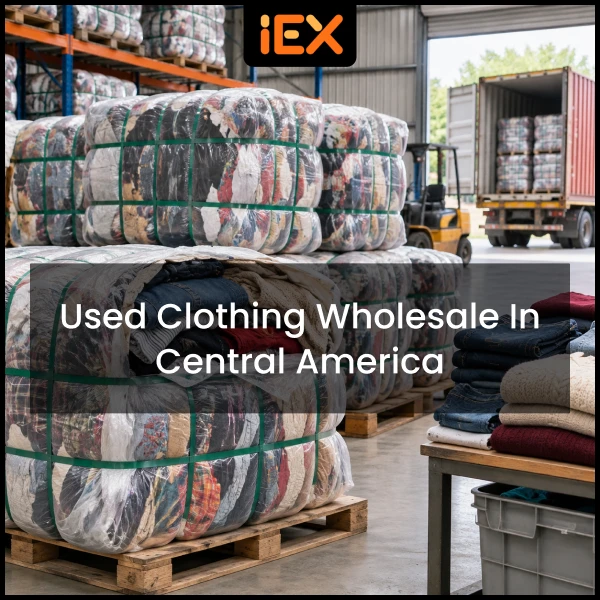
Durban and the surrounding KwaZulu-Natal towns have a steady supply of bale shops, charity-linked stores and informal wholesalers, and some also sell single bales to resellers. The advantages are real: you see the bale before you pay, you can collect the same day, and you can start with one bale instead of a pallet. The limits are equally real: the bale you inspect is the bale you buy, so repeat orders depend on the shop’s own supply, and the per-kilogram cost is usually the highest of the three routes because you are paying someone else’s sorting, storage and margin.
2. National Distributors Shipping From Johannesburg
Many South African used-clothing distributors warehouse in Johannesburg or Cape Town and deliver to Durban by road. You get a wider category choice and better per-kilogram pricing than a single local shop, and the freight is usually quoted per load. This is the middle route: more volume than a walk-in buy, less commitment than a container. Ask for the delivery cost to your exact address rather than to ‘Durban’, because delivery into an industrial node and delivery to a township store are different journeys.
3. Direct Container Import
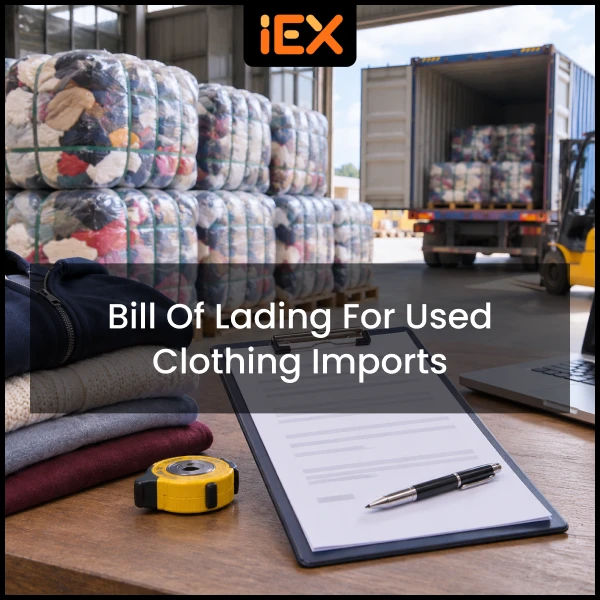
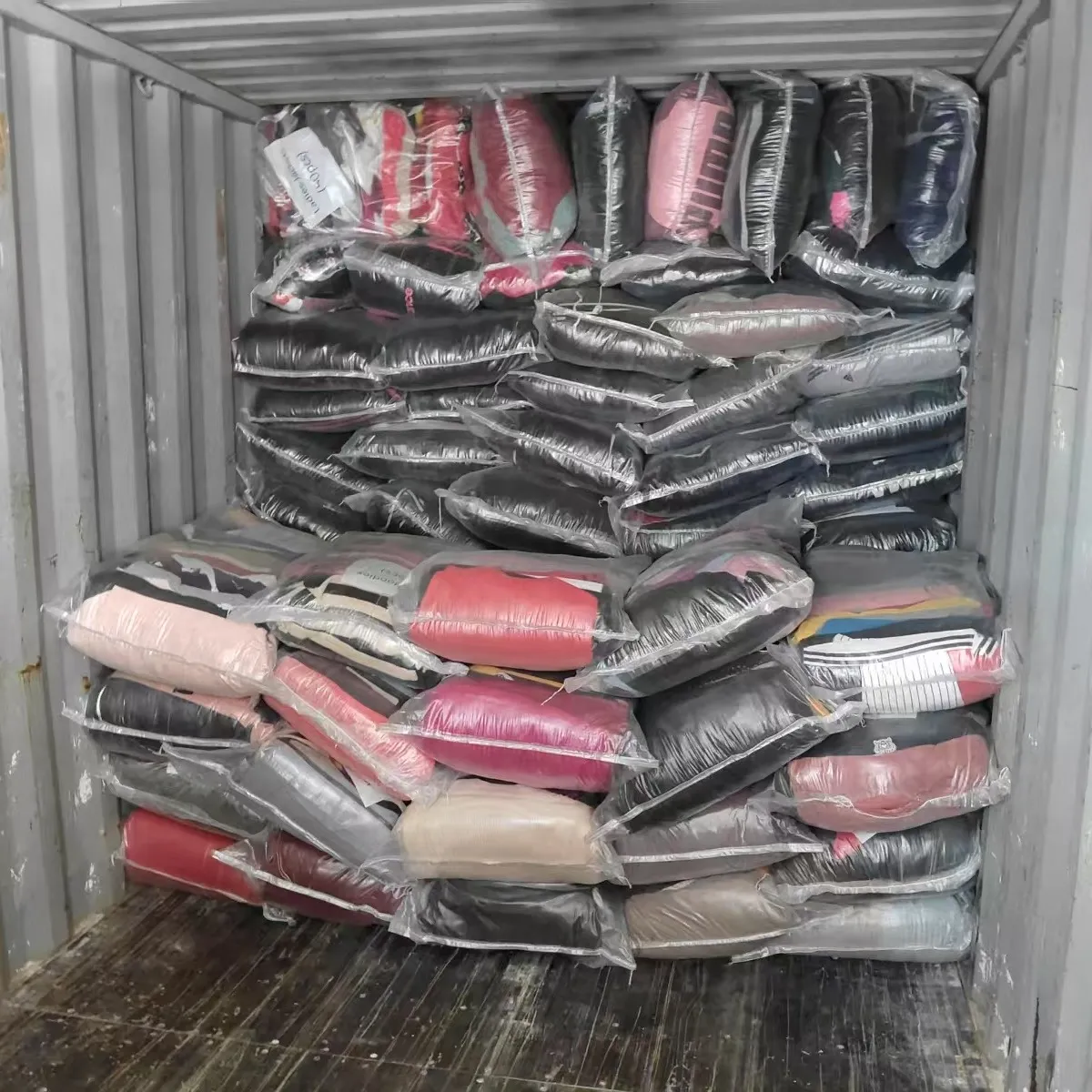
Direct import means ordering a full 20ft or 40ft container from an exporter and clearing it in Durban. Per kilogram, this is normally the cheapest route, because the freight, duty and clearing costs are spread across a full load. It is also the route with the longest lead time, the largest cash requirement and the most paperwork, and it is the only one of the three that depends on you holding the right import permit.
What a Bale Really Costs: Compare on a Per-Kilo Basis
Two bales advertised at different prices cannot be compared until both are expressed in the same unit. The standard unit in this trade is rand per kilogram, net weight, excluding packaging. Bring every quote to that unit and the local-versus-import question usually answers itself.
Here is the arithmetic, using round numbers purely as an illustration: a bale advertised at R900 for 45 kg works out at R20 per kilogram, before any transport. A container quoted at a lower rate per kilogram only stays cheaper after duty, clearing and inland transport are added. Run the same two lines of arithmetic on your own quotes rather than on any figure you read online, because local prices move with grade, season and supply.
The Cost Stack Behind a Local Bale Price
A local bale price carries the shop’s purchase cost, its unsold or unsellable share, its storage, its staff time and its margin. That is why a shop bale can look expensive next to an import quote: you are paying for sorting, convenience and immediate availability, which are genuine costs rather than mark-up alone. If your business depends on fast replenishment in small quantities, that convenience is worth paying for. If your business sells on price, it is not.
Why an Import Quote Looks Higher Until You Do the Maths
An import quote is usually presented per kilogram at origin, then freight is added, then duty and clearing, then inland transport from the port or depot to your store, then the cost of holding stock while you sell it. Each of those lines is real, and each one is quoted separately. A supplier who gives you a single landed figure without showing the lines is not necessarily wrong, but you cannot audit it. Ask for the breakdown, then compare the total against the local bale’s rand per kilogram.
The Import Permit Question Before You Order
South Africa regulates the import of used goods, and used clothing is not an exception: used articles require an import permit. That single sentence decides whether the cheapest route is available to you, and it is the detail most local buying guides leave out.
The practical points are these. The permit is held by the importer, so it is your responsibility rather than your supplier’s. It should be confirmed and in place before a deposit leaves your account, because a container that arrives without the correct authorisation becomes a storage problem rather than a trading opportunity. The requirement and the issuing route can change, so verify the current position with the responsible department or a customs broker, and record what they told you and when. A supplier in another country cannot carry that obligation for you, and any supplier who tells you the permit is unnecessary is telling you something about how they work.
If you are not ready for that process, route two is the sensible bridge: buy from a South African distributor while you build the volume and the paperwork for your own container.
How to Check a Bale Before You Pay
Bale buying rewards a short, repeatable routine more than it rewards optimism. Before money moves, work through these five checks.
- Weight and basis: confirm net weight per bale, and whether the price is per bale or per kilogram, so it can be converted to rand per kilogram.
- Grade wording: ask what the supplier’s Grade A or first grade actually means in terms of wear, and get the definition in writing rather than assuming an industry standard.
- Category content: confirm which categories are inside and which are excluded, because ‘mixed’ covers very different loads.
- Sample before volume: open and inspect at least one bale from the same batch before you commit to a run, and spread the sample across the batch rather than taking the top bale.
- Documentation: agree what comes with the order – specification, packing list, and any inspection or loading records – and who holds them.
Indetexx states the category, grade definition, bale weight and packing format for the order being shipped, and mixed orders are quoted by category group, ratio basis and packing. That is what makes two quotes comparable. What it does not do is certify the contents of every bale or promise a sellable yield in your market, and no honest supplier should claim otherwise.
What Goes Wrong on a First Durban Order
The same three mistakes show up again and again. Buying by the bale without converting to rand per kilogram, so a light bale looks cheap. Choosing a mix that does not match the local market, most often heavy winter stock in a warm coastal season. And ordering a container before the permit and clearing plan are ready, which turns a stock purchase into a demurrage bill.
None of those are supplier problems, and none of them are fixed by changing supplier. They are fixed by writing down the weight basis, the grade wording and the destination before you compare prices.
Frequently Asked Questions
Where can I buy second hand clothes in bulk in Durban?
There are three practical routes: local bale shops and charity-linked stores around Durban, national distributors who deliver from Johannesburg and Cape Town, and direct container import. Local shops suit small repeat buys and immediate collection; distributors suit medium volume with delivery; direct import gives the lowest cost per kilogram but needs capital, a permit and a clearing plan.
How much does a bale of used clothes cost in Durban?
Local bales are usually advertised as a price per bale of a stated weight, so the number only means something once you divide it by the kilograms in the bale. A bale sold at a low headline price can be more expensive per kilogram than a heavier, better graded bale. Ask for the weight, the grade definition and what is excluded before you compare two prices.
Do I need a permit to import used clothing into South Africa?
South Africa treats used clothing as a regulated import, and used articles require an import permit. In practice that means you confirm the current requirement and issuing authority before you pay a deposit, because the permit is on the importer, not the supplier. Requirements change, so verify the current rule with the responsible department or a customs broker rather than relying on a supplier’s summary.
Is it cheaper to buy locally in Durban or import a container?
Direct import usually wins on cost per kilogram once you fill a container, because freight, duty and clearing are spread across the whole load. It loses that advantage when you order a partial load, when storage is expensive, or when you cannot sell the category mix inside the container. Run the per-kilogram maths, including duty, clearing, inland transport and storage, before deciding.
Can I choose the categories inside a bale?
You can specify categories, grades and bale weights, and a written order should record them. What a supplier cannot honestly guarantee is the exact piece-by-piece content or the sellable yield of a bale, because bales are assembled by category and grade rather than item by item. Treat the specification as the basis of the order and check the first bales on arrival against it.
Next Step: Compare a Local Bale Price With a Landed Container Cost
Choose the route that matches your cash position first, then compare on one unit: rand per kilogram, net weight. If the local bale wins, buy locally and reinvest the difference in stock. If the container wins after duty, clearing and inland transport, start the permit process before you pay anyone. Either way, write the specification down – category, grade, bale weight, packing – so the next order can be measured against this one.
This site’s South Africa bulk sourcing guide compares local wholesale with direct import nationally, and the Johannesburg shoe sourcing guide shows how the same per-kilogram logic works for footwear.
Ready to Compare a Durban Bale Price With a Landed Container?
Tell us the grades, the categories, the bale weight and your delivery point in KwaZulu-Natal. Indetexx supplies graded used clothing bales and plans 20ft and 40ft containers, and will set the quote out so you can line it up against the local price you were given.
A quotation describes the order you specify. It is not a promise about grade yield, resale price or the contents of any individual bale.
Request Current Bale Details