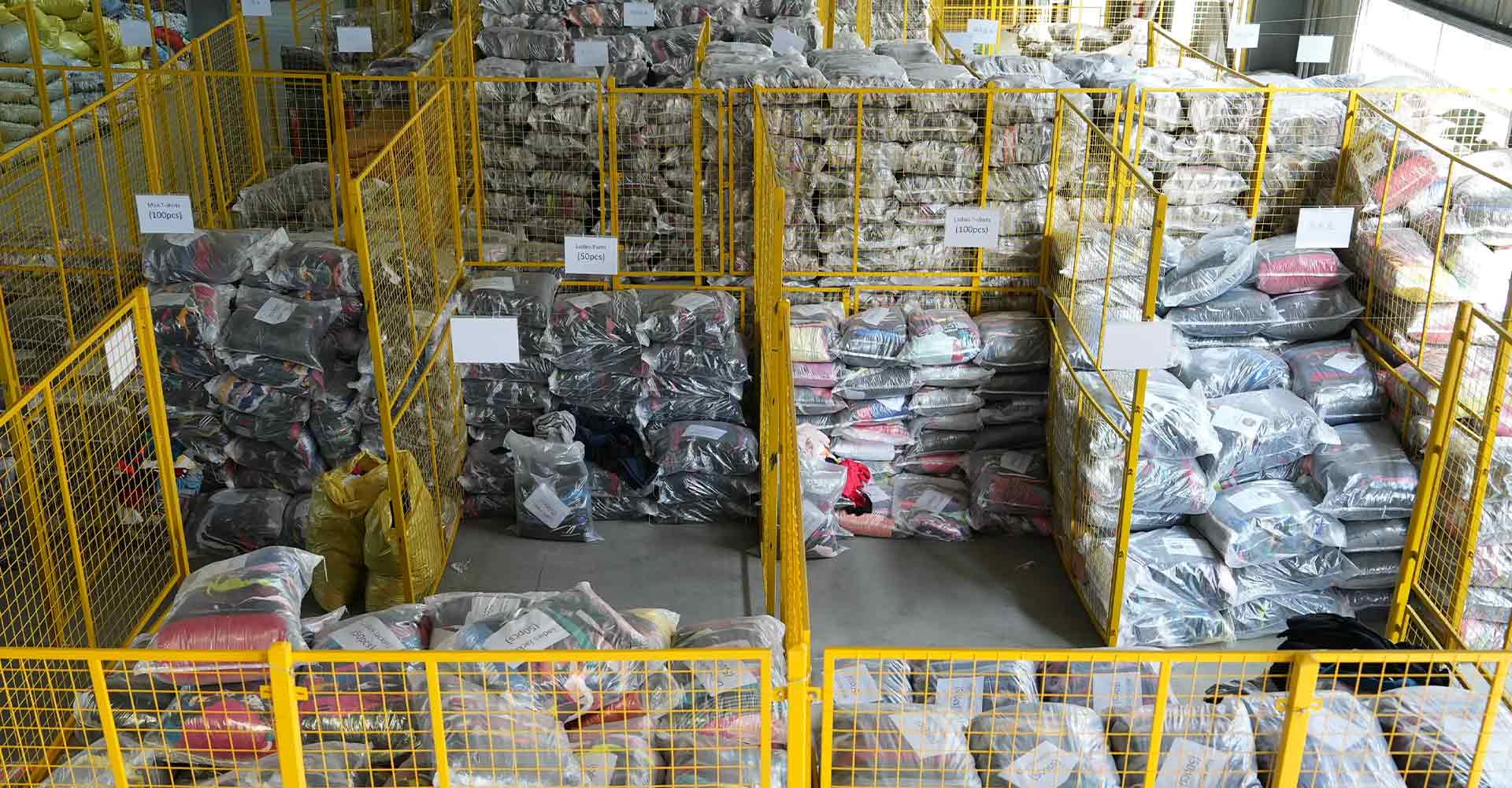
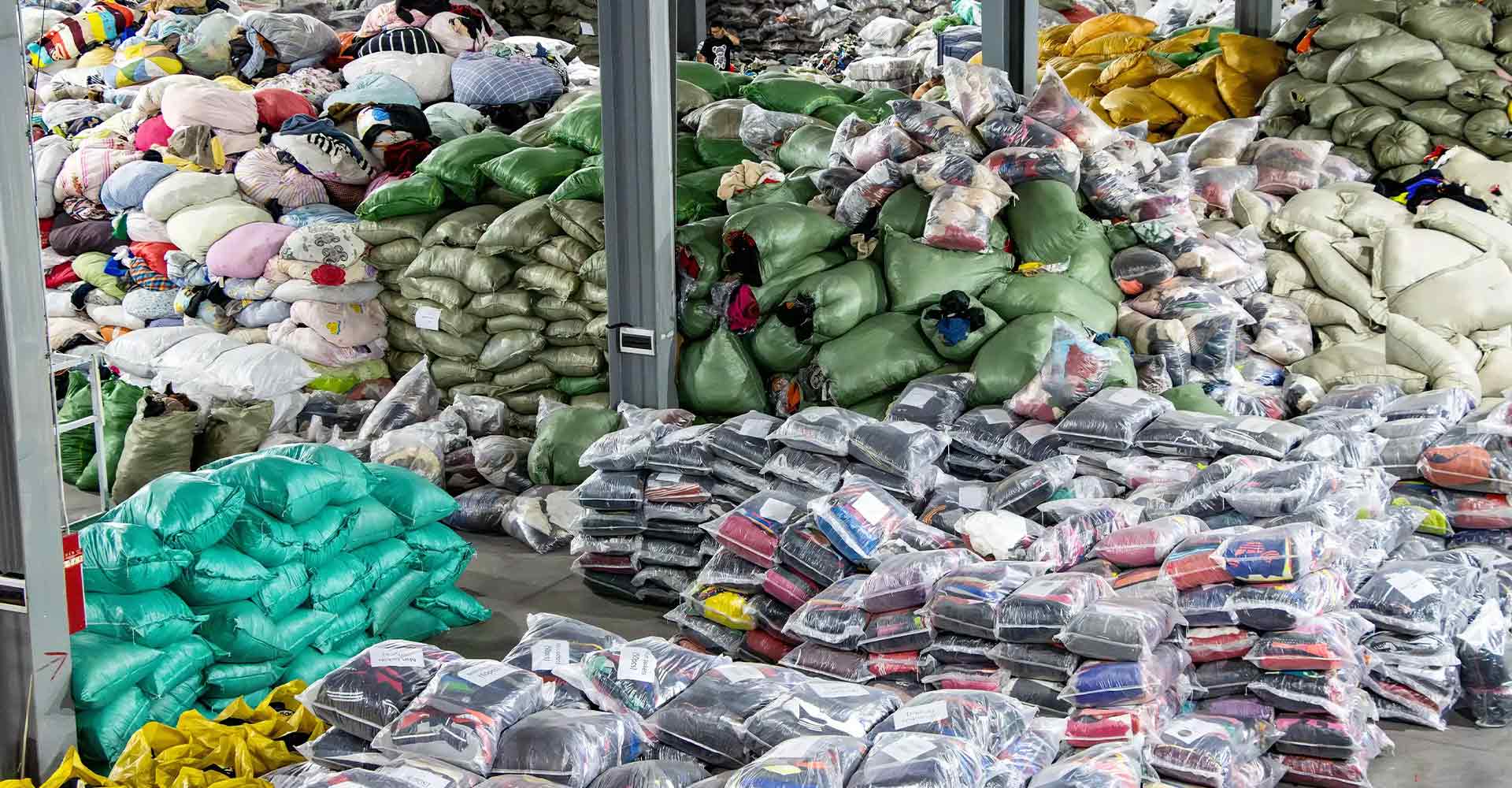
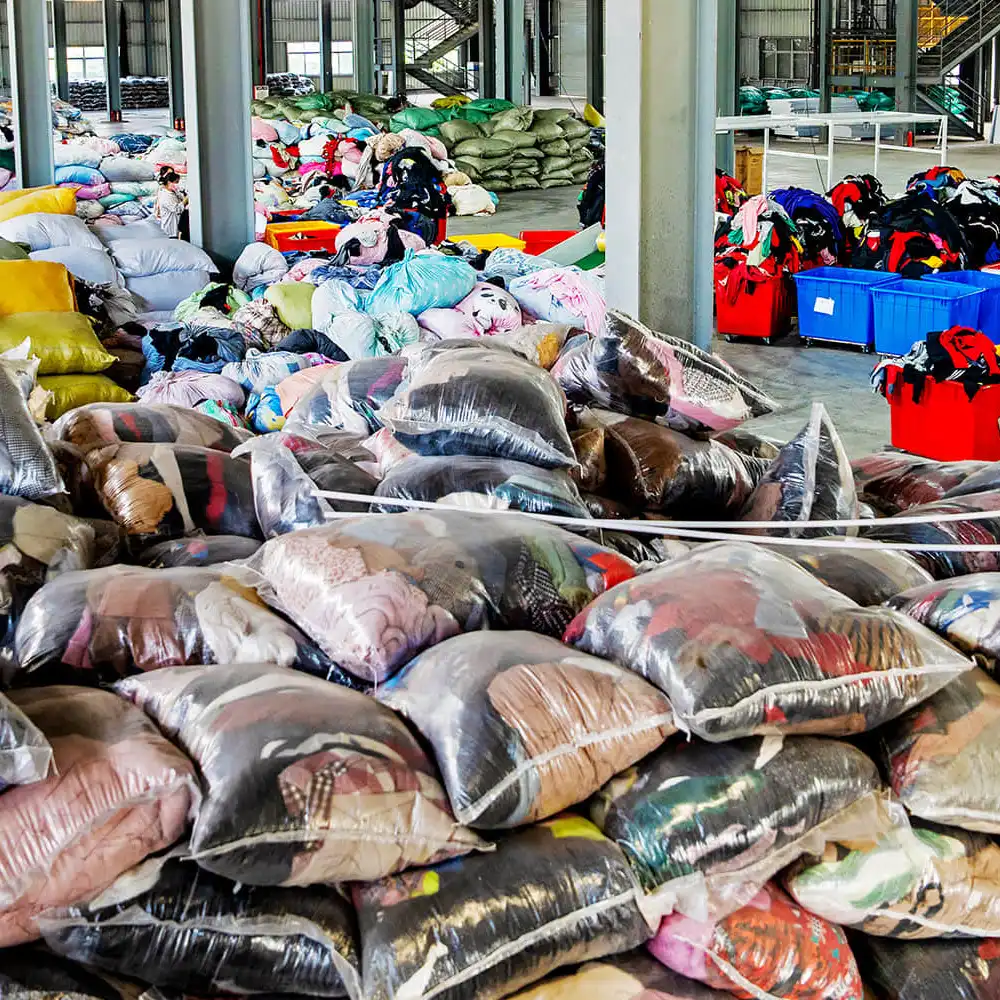
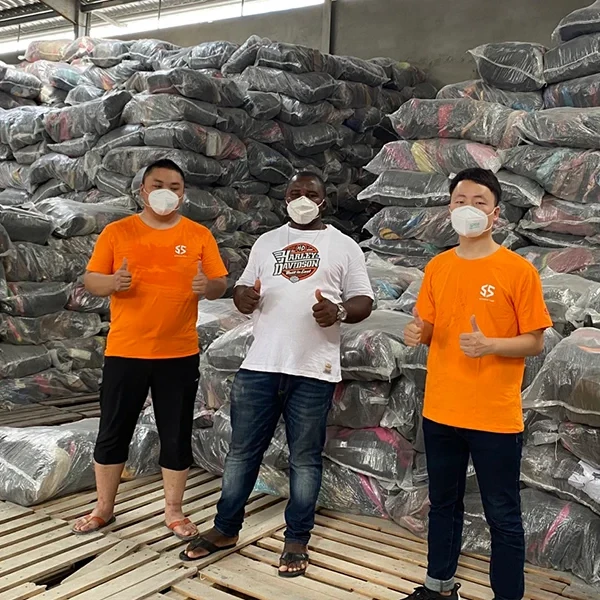
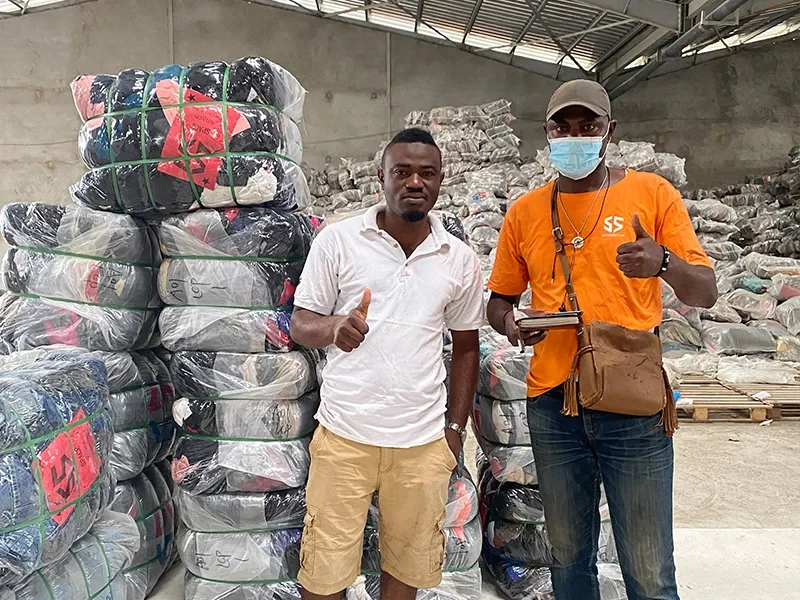
A used clothing warehouse should give a bulk buyer more than a large building and a product gallery. It should connect a physical operation to a written category, grade, packing and loading specification for the current order.
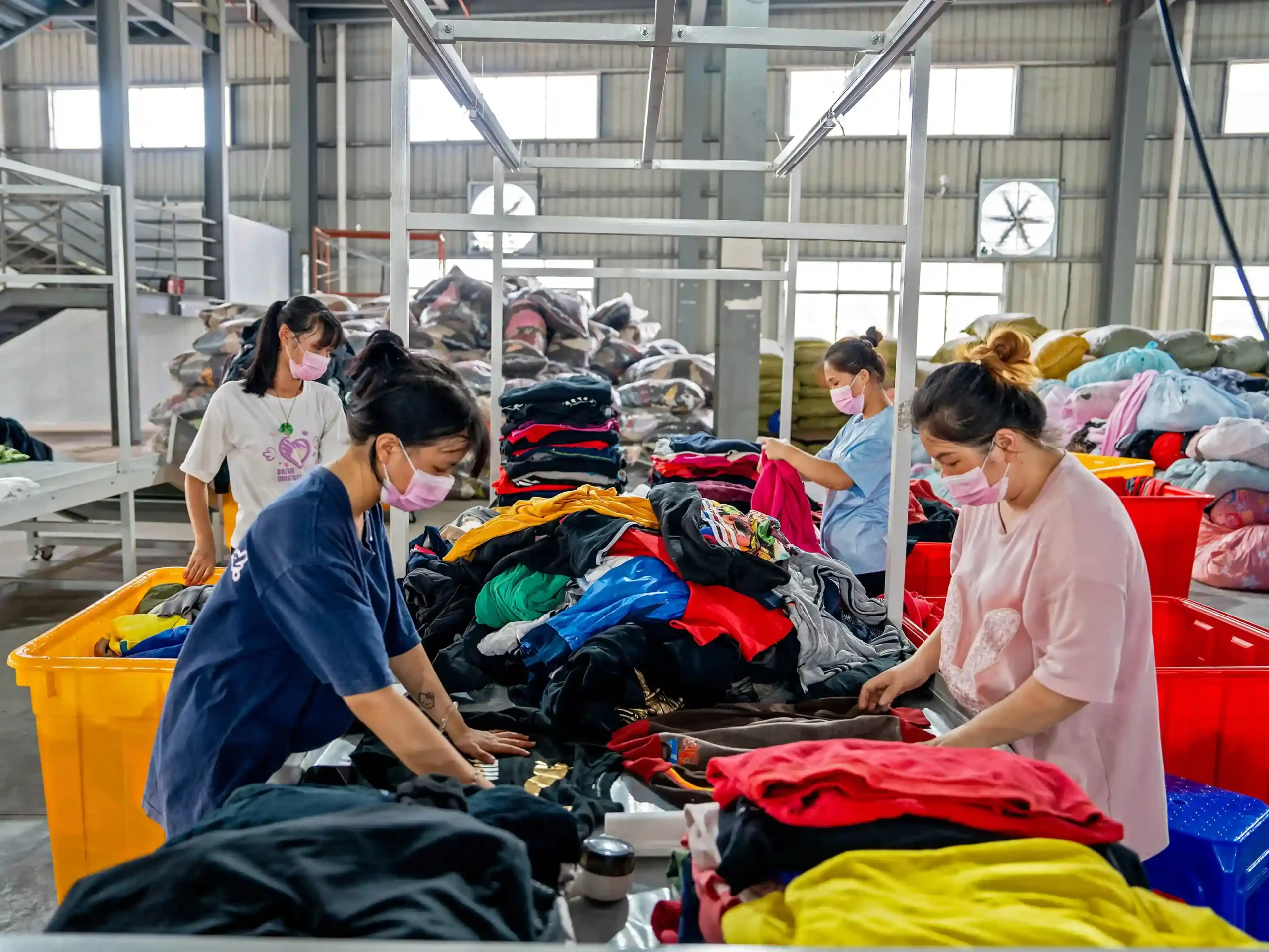
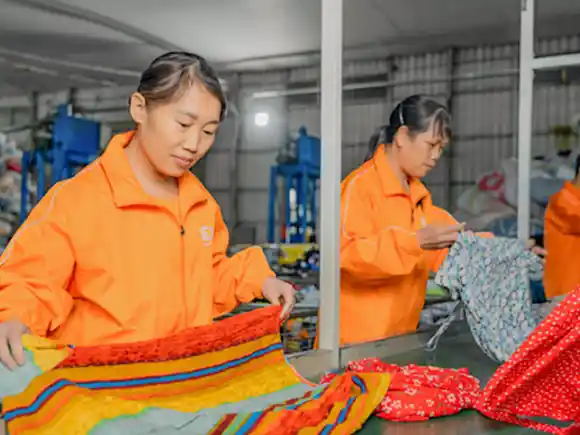
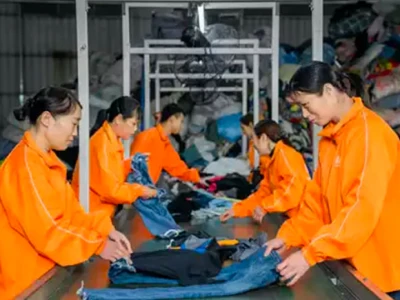
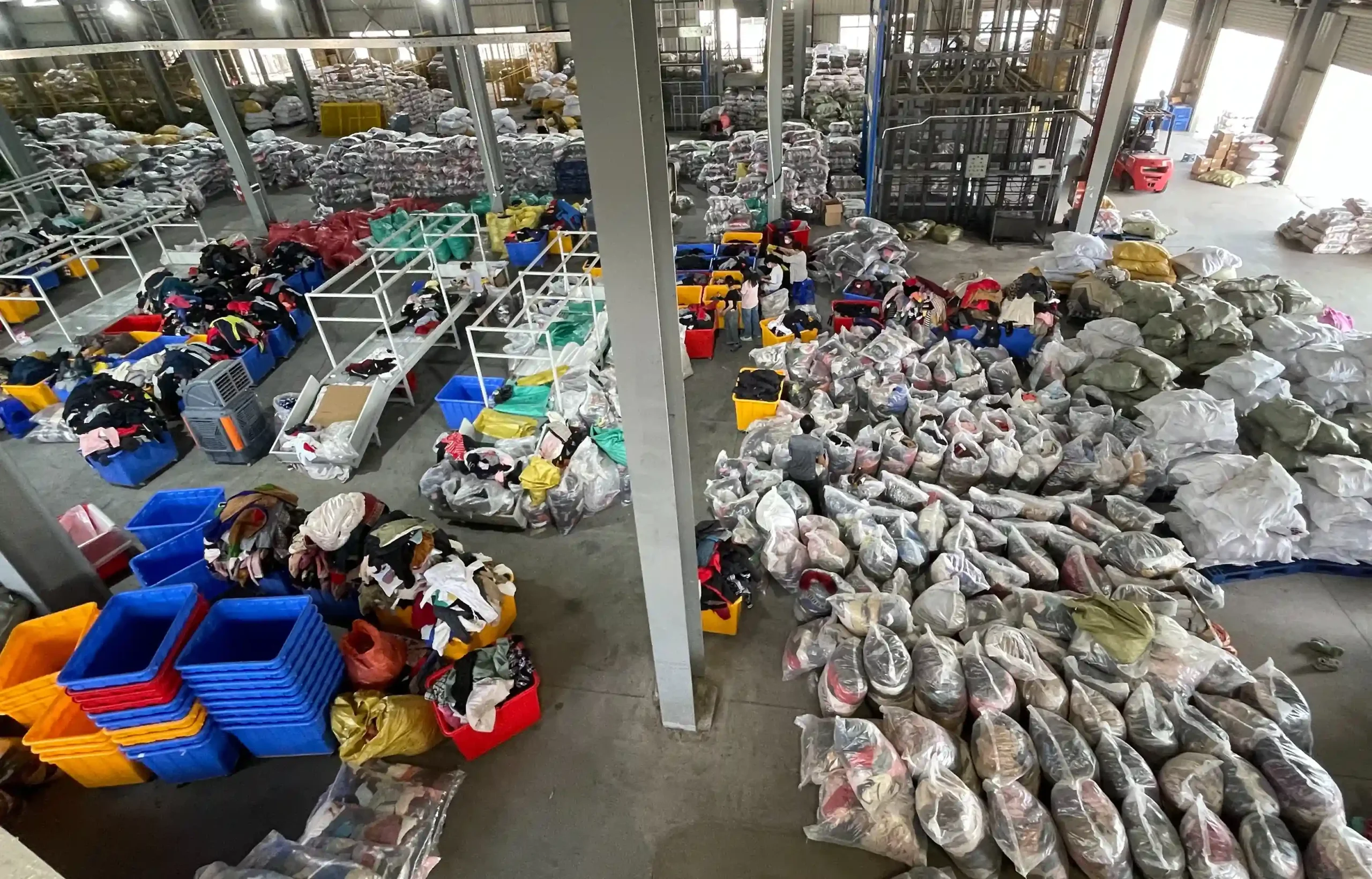
Indetexx operates a self-owned 20,000 m² factory and states monthly sorting capacity of 6,000 tons. That scale helps you assess whether intake, sorting, packing and container work can be handled at one facility. It does not guarantee the category mix, grade, lead time or output of a particular shipment.
Before requesting a quote, send your destination, product format, category mix, grade boundary, bale weight, packing and planned shipment size. Indetexx can discuss mixed or category-specific bales and 20ft or 40ft container options. Current availability, MOQ, schedule and loading plan must be confirmed in the quotation.
Branded stock can suit boutiques, online sellers and higher-ticket mixed resale channels that can work with variable collected supply. Treat brand names as preferences unless a specific live lot is confirmed. Ask for the current category scope, condition definition, lot evidence and packing; a branded label does not prove a fixed brand ratio or like-new rate.
Sorted bales suit importers that want category-ready stock and less destination-side sorting. Put the category list, grade boundary, acceptable defects, substitution rule, bale weight and packing in the RFQ. Sorting capability reduces ambiguity only when the result is tied to the current specification.
Unsorted material is better suited to buyers with their own sorting labor, grading rules and outlets for lower-value or recycling fractions. Define the collection scope, exclusions, contamination or moisture checks, weight basis and current-lot evidence before payment. It should not be presented as pre-graded or ready to sell.
Ask which company will issue the quotation and invoice, then match that name with the beneficiary account and facility address. A warehouse visit or video should be linked to the same entity that receives payment.
Ask for a current walkthrough from intake through sorting, packing and the loading area. Generic facility photographs show context; they do not prove that the current lot is present or prepared for your order.
Request dated photos, a video call, a sample or an agreed inspection record tied to the quoted category or lot. Confirm what the evidence represents before treating it as shipment-level proof.
State categories, season, acceptable defects, exclusions and substitution rules. The current written specification—not a generic grade label—should control the order.
Check that category names, bale weights, package counts, trade term and beneficiary details remain consistent across the quotation, invoice and packing records.
Ask the quotation to state current availability, packing, planned container size, loading basis, Incoterm, schedule and included document scope. Facility capacity does not set a universal MOQ, bale count or lead time.
State the destination country, discharge port and consignee constraints. These details affect routing and document discussions.
Choose sorted, unsorted or branded used clothing. For a mixed container, state how the space should be divided.
List broad categories and climate or selling season. Ask the supplier to identify feasible substitutions before quotation.
Define the condition boundary, unacceptable defects and what may be substituted only with approval.
State requested bale weight, outer packing, labels and whether weights are gross or net. Confirm current feasibility.
State 20ft or 40ft, requested Incoterm and evidence or document needs. The quote must confirm accepted scope, MOQ, schedule and loading plan.
Match the legal entity, facility address and beneficiary account. Request a dated walkthrough from intake to sorting, packing and loading, then ask for current-lot evidence and written category, grade and packing terms. General warehouse photos do not prove the contents of your shipment.
Sorted bales suit buyers that want category-ready stock. Unsorted material suits operators with local sorting capacity and outlets for lower-value fractions. Branded stock suits resale channels that can work with variable collected supply and brand preferences. Confirm the current lot, condition language and packing for each format.
No. Indetexx states monthly sorting capacity of 6,000 tons, which is a facility-scale planning signal. It does not guarantee current availability, category mix, grade, MOQ, lead time, bale count or loading result for a particular order.
Start with a written category and condition specification. Then agree what sample, photos, video or inspection record will represent the current lot, how exceptions will be handled and which packing or loading evidence will be provided. No single sample proves every item in a container.
MOQ is not universal. It can change with product format, current availability, category mix, bale weight, packing and shipment plan. Ask the current quotation to state the accepted MOQ and do not rely on an old website figure.
Send the destination and port, product format, category and season mix, grade and defect boundaries, bale weight, packing and labels, planned container size, Incoterm and required evidence or document discussion.
Indetexx can discuss category, grade, bale and packing requirements. Feasibility depends on the current lot and order plan, so the accepted options must be confirmed in the quotation before production or packing.
The current quote should identify the shipment basis, Incoterm, destination, packing, estimated schedule and included document scope. The importer or destination broker must confirm current import requirements; a supplier quotation cannot guarantee customs clearance or delivery timing.
Since 2012, Indetexx has been exporting a wide range of used clothing and products all over the world, continually earning a great reputation from a number of brands.
If you are looking for a reliable supplier of second hand clothes please contact INDETEXX
WhatsApp us