1. Introduction
If you’re trying to figure out how to buy wholesale Nike shoes in China, you’re not alone. Many buyers—especially those sourcing used wholesale Nike shoes—struggle with finding the right wholesale nike shoes supplier, ensuring real quality, and avoiding risky deals. China offers huge advantages: steady volume, predictable grading, and competitive pricing.
But to truly benefit, you need to understand how the sourcing process works, what to check before buying, and how to ensure the used Nike shoes you receive match the grade and quality your market demands. This guide walks you through each step so you can buy confidently, safely, and profitably.
2. What Are Wholesale Nike Shoes?
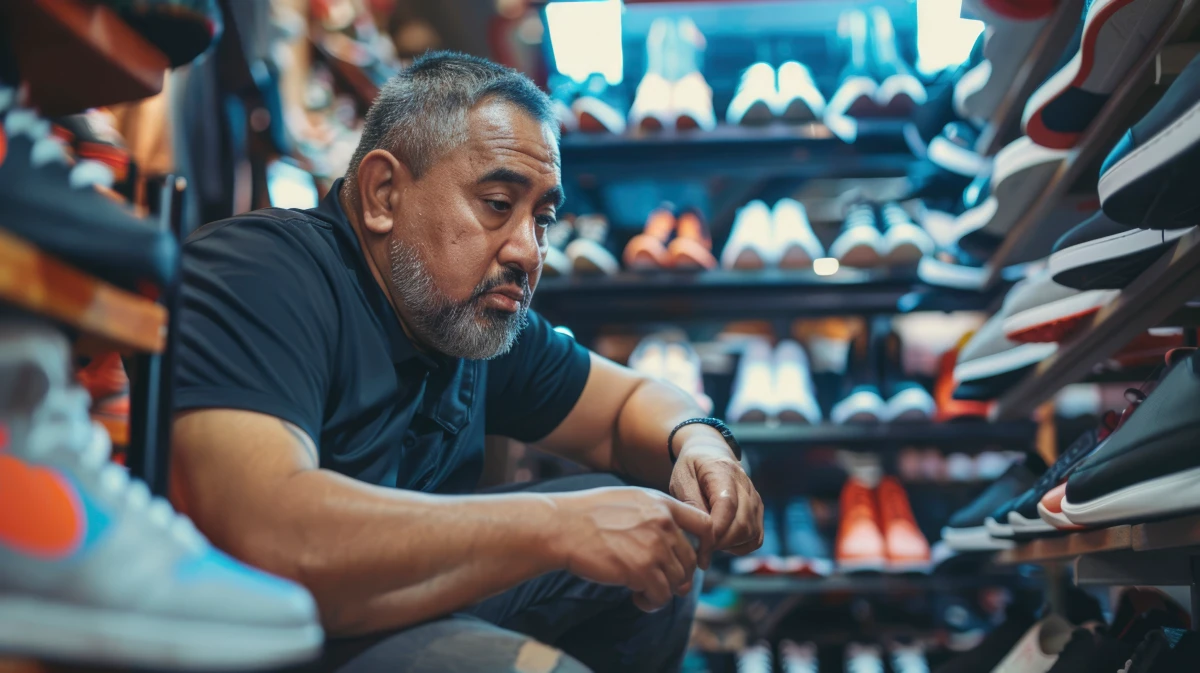
Wholesale Nike shoes are bulk quantities of Nike-branded footwear sold at lower prices for resale. They can come from several sources, including surplus inventory, retail returns, liquidation stock, and large-scale collection programs.
These shipments often include popular categories like lifestyle, running, basketball, and training shoes. Some suppliers handle newer or returned items, while others also work with used Nike shoes that have been sorted and prepared for export. Overall, wholesale sourcing helps buyers access more styles at a lower cost per pair.
3. Why China Is a Major Source for Wholesale Nike Shoes
China has become a global hub for sourcing wholesale Nike shoes due to its strong infrastructure, massive processing capacity, and efficient export logistics. One of the key reasons is China’s advanced textile and footwear recycling ecosystem. It covers everything from collection and sorting to disinfecting, grading, packing, and exporting used Nike shoes. This structure allows Chinese suppliers to process extremely high volumes and maintain consistent stock availability throughout the year.
Additionally, China benefits from strategic access to global shipping routes. Major ports such as Guangzhou, Shenzhen, Shanghai, and Qingdao support fast, reliable, and cost-effective freight services to Africa, the Middle East, Southeast Asia, South America, and Europe. Exporters in China are also experienced in international trade documentation, ensuring smoother customs clearance for wholesale buyers.
Another advantage is labor and operational efficiency. Sorting used Nike shoes requires intensive manual inspection, pairing, cleaning, and grading. China’s trained workforce and large-scale facilities help reduce handling costs, leading to more affordable wholesale pricing.
Combined, these strengths make China one of the most stable, cost-effective, and professional sources for wholesale Nike shoes—especially for buyers looking for long-term supply partnerships.
4. Key Benefits of Buying Wholesale Nike Shoes from China
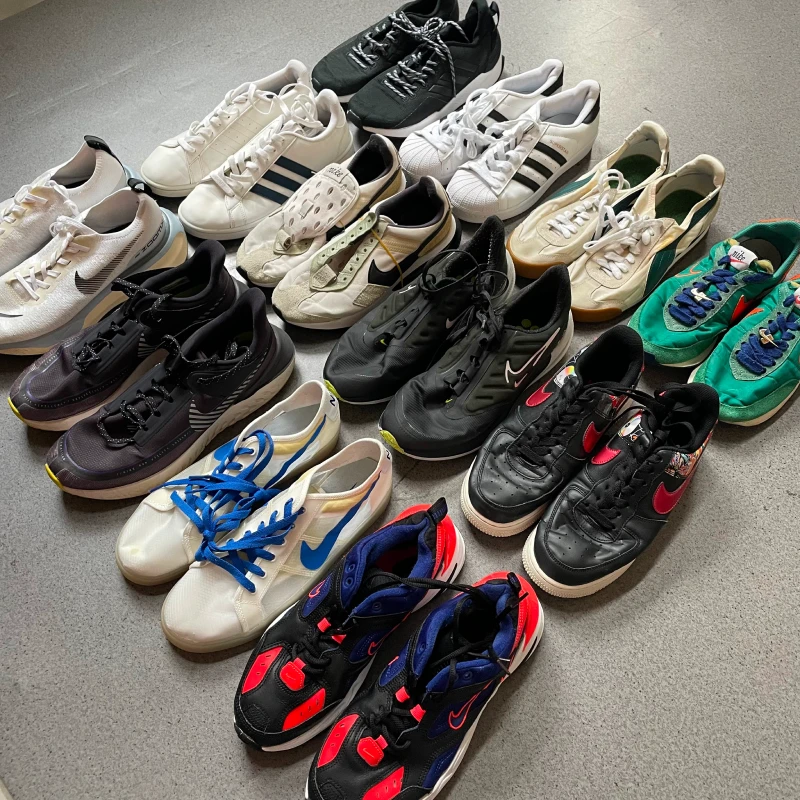
4.1 Lower Pricing
China offers competitive pricing due to large sorting facilities, efficient labor systems, and steady supply channels. These factors significantly reduce the cost per pair, making wholesale used Nike shoes far more affordable than sourcing from local markets.
4.2 Large Supply Volume
For wholesalers and distributors, consistency is crucial. Chinese suppliers often handle tens of thousands of pairs each month, ensuring you always have access to stable inventory even during peak demand seasons. This volume reliability helps businesses plan shipments and maintain predictable cash flow.
4.3 Export-Ready Processing
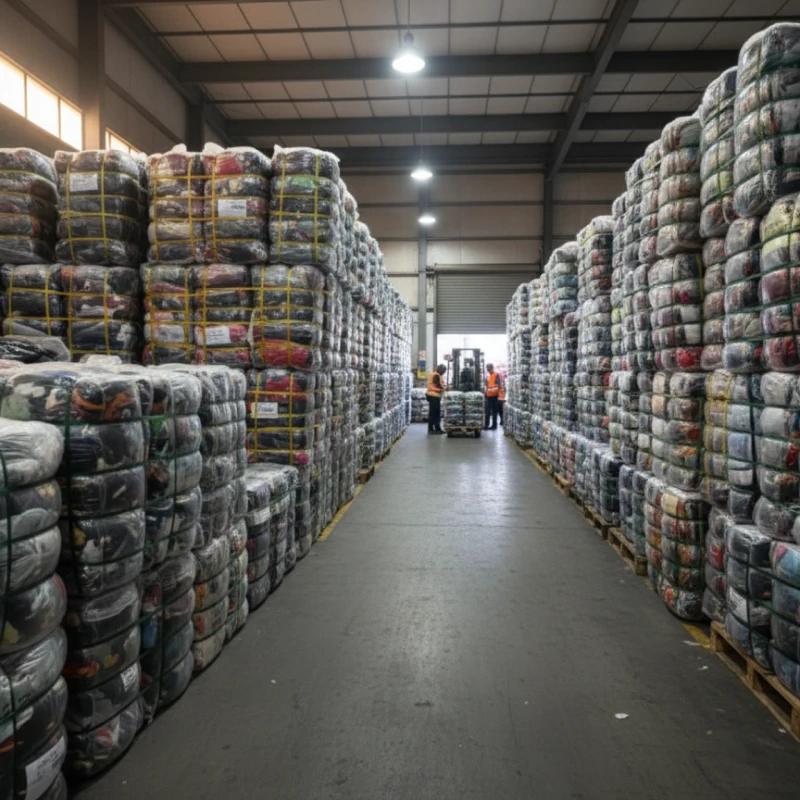
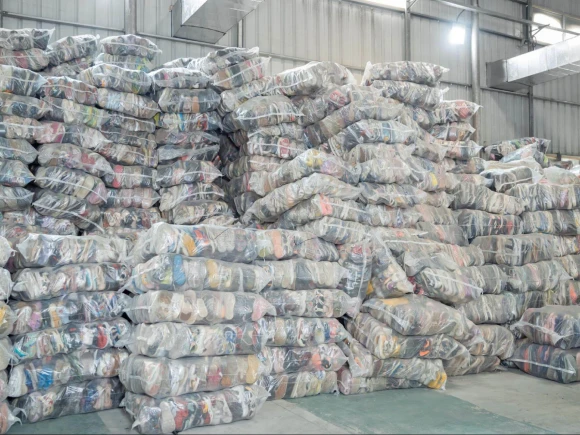
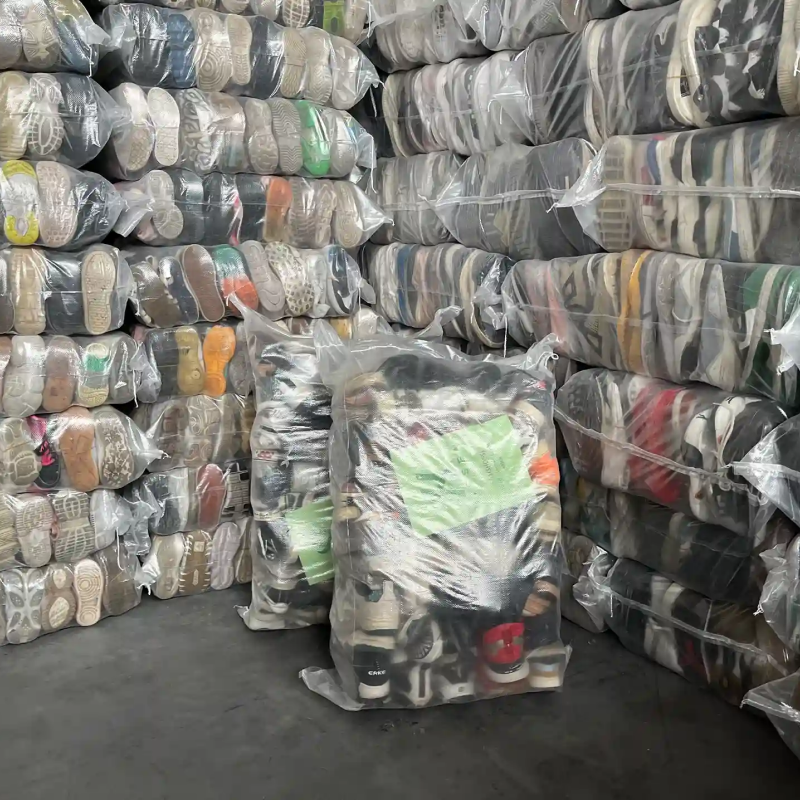
Chinese suppliers follow systematic sorting processes that prepare shoes for immediate export. Shoes are paired, cleaned (if washed category), disinfected, and organized by grade. Packaging options include bags, bales, or cartons, depending on your destination market. This reduces preparation costs on your side.
4.4 Used Nike Options
Used Nike shoes offer excellent price-to-value ratio and high demand in global resale markets. Many Chinese exporters specialize in this category, offering both washed and unwashed options to match your pricing strategy and customer expectations.
These combined advantages make China an ideal sourcing destination for wholesale Nike shoes, especially for buyers seeking scalable supply, stable quality, and strong profit margins.
5. Types of Wholesale Nike Shoes Available
When sourcing wholesale Nike shoes from China, it’s important to understand the different categories available. Each type serves a different market need, comes with its own pricing structure, and supports a specific resale strategy. Below is a clear breakdown of the most common options you will encounter when evaluating suppliers.
5.1 Used Nike Shoes
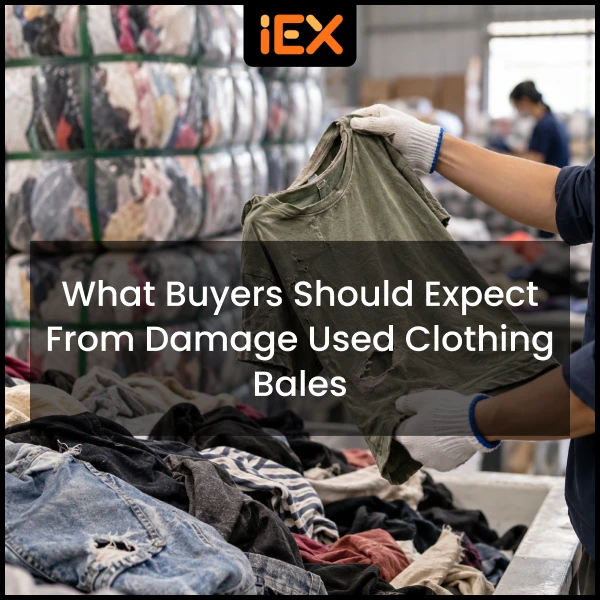
Used Nike shoes are among the most widely traded categories in the wholesale market. These shoes come from large post-consumer collection programs in high-income countries, where footwear is donated, recycled, or collected in bulk. Once the shoes arrive at sorting facilities, they go through several steps: initial inspection, pairing, cleaning or disinfecting, and grading based on condition.
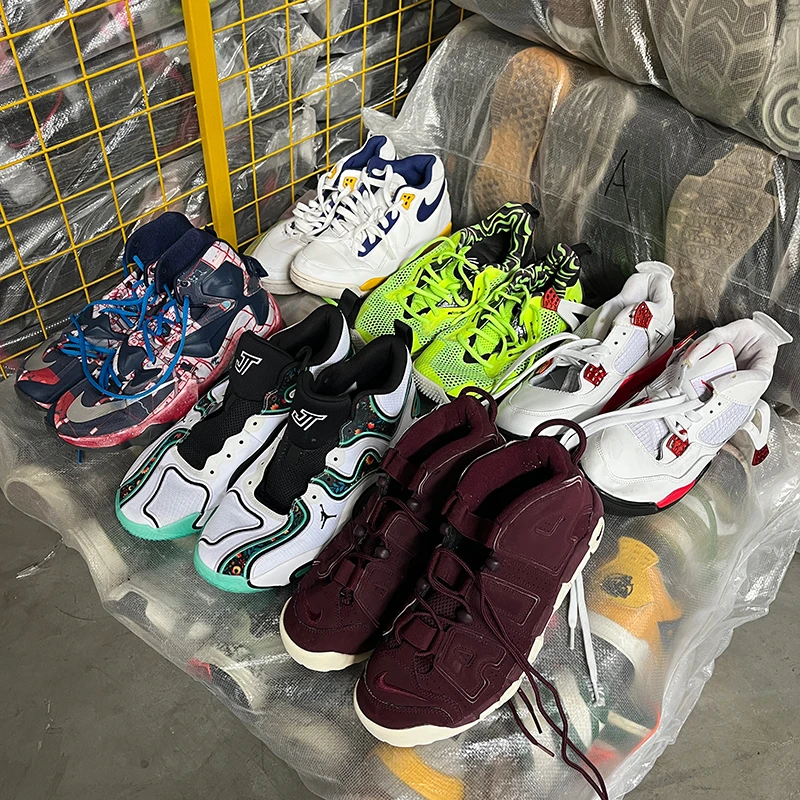
- Grade A: Minimal wear, clean appearance, strong structure
- Grade B: Moderate wear but still durable and suitable for everyday use
- Grade C: Heavier wear, priced for low-cost markets
Because used Nike shoes retain strong brand recognition even after wear, they remain popular in many international resale markets.
5.2 Washed vs. Unwashed
Washed
Washed used Nike shoes go through a full cleaning and sanitizing process. They are deodorized, disinfected, and generally appear fresher. Buyers who want inventory ready to sell immediately—especially in urban or boutique-style markets—often prefer washed shoes. Although they cost slightly more, washed shoes save buyers time, labor, and additional processing costs.
Unwashed
Unwashed shoes are more economical and better suited for buyers who have their own cleaning facilities or access to cheap labor locally. These shoes arrive directly from sorting, without undergoing the washing process. They are ideal for markets where customers expect lower prices or where local cleaning is already part of the business model.
5.3 Liquidation / Returns
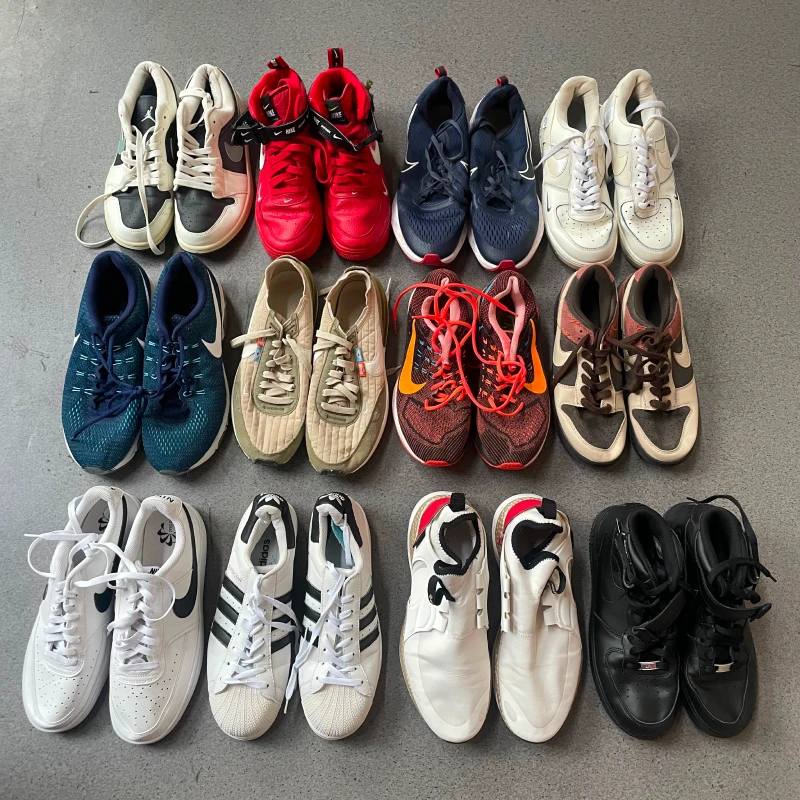
Liquidation and retail return Nike shoes come from e-commerce platforms and store return programs. Many of these shoes are nearly new, with issues such as:
- Wrong size
- Customer regret returns
- Slight cosmetic flaws
- Damaged or missing boxes
This category is excellent for premium resale markets because the shoes typically have minimal usage and higher perceived value. However, availability is limited compared to used shoes, as returns depend on seasonal and retail cycles.
5.4 Mixed Sneaker Bales
Mixed shoe bales include a combination of Nike and other sports brands such as Adidas, Puma, New Balance, and Reebok. They provide buyers with a wider variety of styles and price points, making them ideal for markets where customers value choice over brand exclusivity. Mixed shoes bales also help new buyers test market demand without committing to a single-brand order.
6. How to Verify Authenticity and Quality
Ensuring authenticity and consistent quality is one of the most important steps when sourcing wholesale Nike shoes in China. Whether you are purchasing newer returns, surplus stock, or used Nike shoes, the verification process helps you avoid unexpected losses and ensures the products match your market expectations. A reliable supplier should be transparent, organized, and comfortable showing how their shoes are sourced, sorted, and packed. Below are the key areas to focus on when evaluating authenticity and quality.
6.1 Grading Standards
Legitimate suppliers follow clear grading systems and can explain them without hesitation.
Here’s what to expect from each grade:
- Grade A: Clean, well-maintained shoes with minimal wear. Soles are firm, uppers look good, and both shoes match perfectly. These pairs typically appeal to higher-end resale markets.
- Grade B: Noticeably more wear, but structurally solid and still suitable for everyday use. They offer competitive pricing and often move quickly in middle-income markets.
- Grade C: Heavy wear or cosmetic flaws, priced for low-cost or volume-driven markets. These are suitable for buyers focused strictly on affordability.
If a supplier cannot clearly define these categories, treat it as a red flag.
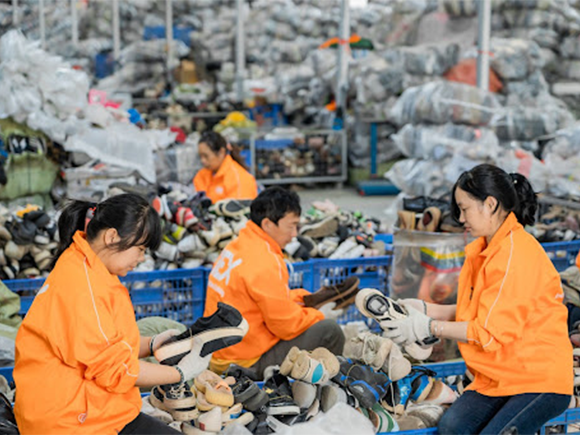
6.2 Visual Checks
A proper visual inspection is essential. When reviewing samples, videos, or in-person stock, pay attention to:
- Stitching alignment
- Sole durability
- Heel structure
- Insole cleanliness
- Brand tags and label fonts
- Consistent left–right matching
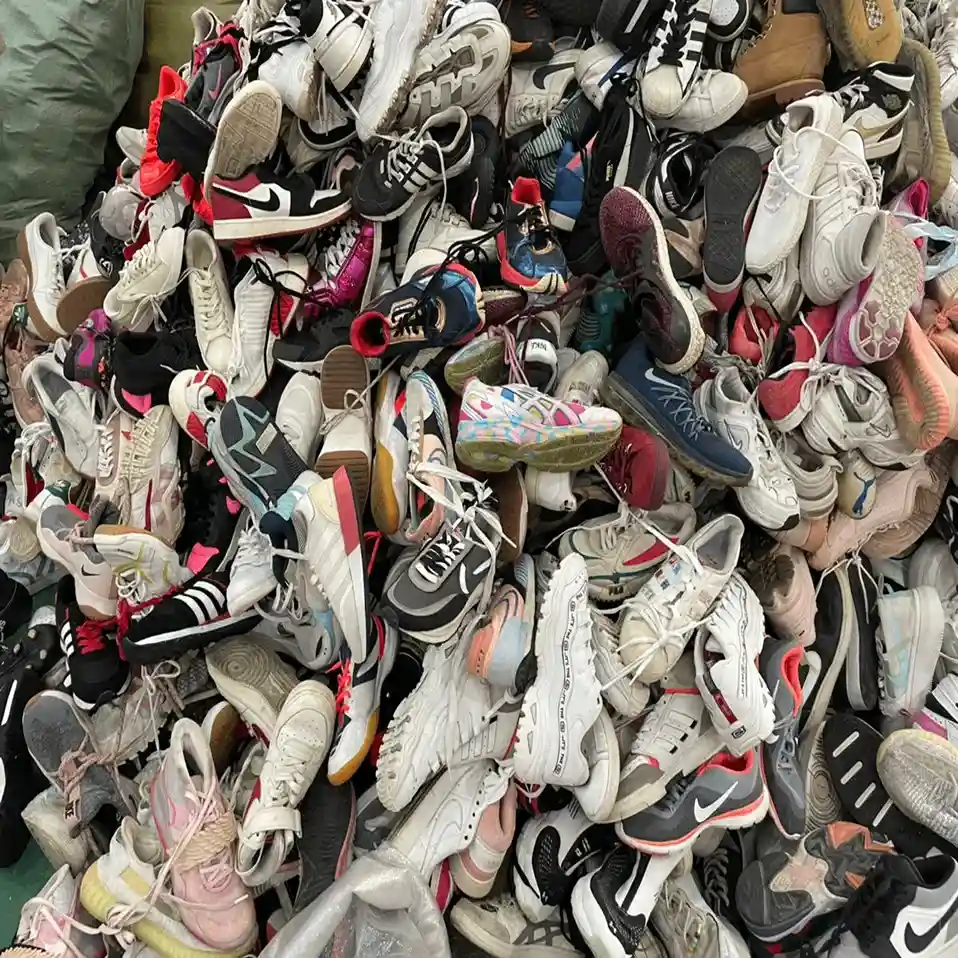
Used Nike shoes will naturally show signs of wear, but the key is ensuring structural strength and overall cleanliness. Shoes with severe cracks, separation, or torn fabric should not appear in higher grades.
6.3 Supplier Credentials
Trustworthy suppliers are transparent about their operations. Always request:
- Factory or warehouse photos
- Sorting line videos
- Business license and registration
- Export records or bills of lading
- Customer testimonials
A real supplier will willingly share this information and allow remote viewing of their facility. Fake suppliers often avoid video calls or offer stock photos instead of real footage.
6.4 Inspection Options
Before making payment or confirming a shipment, you have several ways to verify quality:
- Third-party inspection services in China
- In-person visits if you or your agent travel
- Live video inspections via WhatsApp or WeChat
- Batch-specific photos or videos sent before packing
These steps help you confirm the condition, grading accuracy, and packing quality of the shoes you will receive.
6.5 Price Red Flags
If a price sounds too good to be true, it usually is. Offers like “brand-new Nike for $10” almost always point to counterfeits or fraudulent operations. Used Nike shoes have consistent market pricing based on grade and supply volume. Always prioritize transparency, documentation, and professionalism over low prices.
7. Step-by-Step Buying Process in China
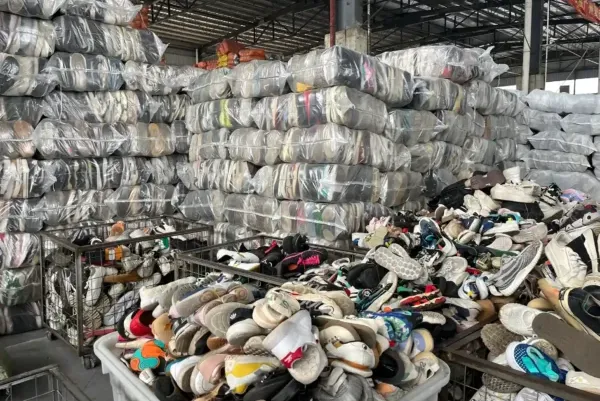
Buying wholesale Nike shoes from China becomes much easier once you understand the process from start to finish. Whether you’re purchasing used Nike shoes, returns, or mixed sneaker bales, following a structured approach helps you avoid misunderstandings, reduces risk, and ensures the goods you receive match your expectations. Here is a clear breakdown of each step involved in sourcing from China.
7.1 Define Requirements
Before contacting any suppliers, you need a clear idea of what you want to buy. Define your preferred grades, quantity, packaging type, washed or unwashed options, and your target market price range. If your customers prefer cleaner stock, choose washed; if they want lower prices, select unwashed. Clear requirements help suppliers quote accurately and prepare suitable stock.
7.2 Evaluate Suppliers
Research potential suppliers thoroughly. Confirm that they operate a real facility, not just a sales office. Look for visible proof like sorting videos, warehouse tours, and staff activity. Check whether they handle large volumes, maintain stable inventory, and provide consistent communication. Review their online presence, export history, years in business, and customer reviews. Avoid any supplier who hesitates to show their operations.
7.3 Request Pricing
Once you identify possible suppliers, ask for formal quotations. Pricing should depend on grade (A/B/C), washing status, packaging method, and shipping terms such as FOB, CIF, or EXW. Compare offers carefully—not just the price per pair. Very cheap pricing often signals lower quality, inconsistent sorting, or high-risk suppliers. A reliable supplier will explain their grading and pricing structure clearly.
7.4 Confirm Sorting Method
Sorting standards vary between suppliers, so it’s essential to clarify how they organize pairs and remove defective items. Ask how mismatches are handled, how damaged shoes are filtered, and how they categorize grades. High-quality sorters use multi-step inspection methods and trained staff for consistency. Request videos of real-time sorting to verify their process.
7.5 Arrange Inspection
Inspection is a key step to avoid surprises. You can visit the warehouse personally, hire a third-party inspection agent, or request a live video walkthrough of your exact batch. Ask the supplier to show random samples, shoe conditions, and packing stages. If they refuse inspection, consider it a warning sign.
7.6 Confirm Agreement
Once you’re satisfied with quality, confirm all details in a Proforma Invoice. The PI should include total quantity, grade distribution, unit pricing, washing status, packaging method, delivery timeline, and shipping terms. Double-check that payment terms are clearly stated. Clear agreements protect both sides and prevent disputes.
7.7 Manage Shipping
After payment, your supplier should assist with loading, packing, labeling, and preparing export documents like commercial invoices and packing lists. They should also communicate with your freight forwarder or help arrange one. Ensuring proper documentation and communication makes customs clearance smoother and reduces delays.
8. How to Save Money and Avoid Scams
Sourcing wholesale Nike shoes in China can be profitable, but only if you know how to protect yourself from unrealistic pricing, unreliable middlemen, and unverified operations. Many new buyers make the mistake of chasing the lowest price or trusting social media sellers who cannot prove their legitimacy. Following a few simple guidelines can help you save money while avoiding costly mistakes.
8.1 Verify Company Legitimacy
Before discussing pricing or making any payment, ask the supplier for their company registration, warehouse address, business license, and tax identification number. Request real photos or videos of their facility—not just polished stock images. Genuine suppliers have no problem showing their warehouse, workers, and sorting process. Scammers avoid video calls or provide vague excuses when asked for proof.
8.2 Understand Realistic Pricing
Educate yourself on typical market prices for each grade of Nike shoes. Used footwear, in particular, has predictable pricing ranges based on condition, washing status, and supply volume. If a supplier offers “brand-new Nike for $10” or extremely low prices with no explanation, it’s almost certainly a red flag. Fair pricing usually means stable sourcing and transparent grading.
8.3 Choose Secure Payment
Avoid sending money through risky or untraceable methods such as Western Union, PayPal Friends & Family, or personal mobile payments. Instead, choose secure options like bank transfer, trade assurance platforms, escrow, or L/C for larger shipments. These methods create a record, provide accountability, and offer more protection in case of disputes.
8.4 Avoid Social Sellers
Many scammers operate through social platforms like WhatsApp, Instagram, Facebook, or TikTok. They often advertise fake “Nike wholesale” deals using stolen images. If someone refuses to provide video proof of inventory or avoids showing their warehouse, walk away immediately. Real suppliers rely on long-term business—not quick one-time scams.
8.5 Work With Trusted Exporters
Partnering with experienced suppliers dramatically reduces risk. Reliable exporters like Indetexx provide transparent grading videos, stable monthly volume, clear documentation, and professional export support. Choosing an established supplier ensures you receive the correct goods, consistent quality, and a dependable long-term business partnership.
9. Why Consider Used Nike Shoes as an Alternative
For many wholesale buyers, switching from brand-new wholesale stock to used Nike shoes can open the door to much better pricing, stronger margins, and more stable supply. While new shoes are appealing, the global reality is that most “new Nike wholesale” offers online are either counterfeit or extremely inconsistent in quantity. In contrast, used Nike shoes—when sourced from a reliable exporter—offer a safer, more profitable, and more predictable business model. Below are the key reasons buyers increasingly choose used Nike shoes as their primary sourcing option.
9.1 Lower Costs
One of the biggest advantages of used Nike shoes is the dramatic reduction in cost. Used pairs can be 70–90% cheaper than brand-new wholesale stock. This allows buyers to purchase larger volumes with the same budget, diversify styles more easily, and sell at competitive prices in their local market. For countries with price-sensitive customers, lower cost per pair is a major advantage and increases sell-through rates.
9.2 Higher Profit
Because the purchase price is so much lower, used Nike shoes typically generate 150–300% profit margins, depending on market demand and grade selection. Even Grade B pairs can perform extremely well in markets that prioritize affordability and brand recognition. The combination of low cost and strong resale demand makes used Nike shoes one of the most profitable categories in the second-hand footwear industry.
9.3 Stable Sourcing
Unlike new liquidation stock, which depends on retail return cycles and limited seasons, used Nike shoes come from continuous post-consumer collection streams in Europe, the U.S., Japan, and other high-consumption regions. This means suppliers can process large volumes every month, offering steady and reliable restocking for wholesale buyers. Consistency is crucial for businesses that rely on regular shipments.
9.4 Reduced Counterfeit Risk
Counterfeits are a major concern when sourcing new “wholesale Nike” online. Many deals that look attractive turn out to be fake. Used Nike shoes, however, show natural wear patterns, authentic stitching, and age indicators that are extremely difficult for counterfeiters to replicate. This reduces risk significantly and gives buyers more confidence in the authenticity of the product they receive.
10. Why Work With Indetexx for Used Nike Wholesale Shoes
Indetexx is recognized as one of China’s most reliable suppliers of used wholesale Nike shoes, trusted by long-term buyers across Africa, Southeast Asia, South America, and the Middle East. With 12+ years of experience and a system built for consistent, repeatable supply, Indetexx offers the stability and transparency that wholesale buyers need to grow confidently.
10.1 High-Quality Local Sourcing & Strong Sorting System
Unlike suppliers who depend on irregular overseas imports, Indetexx sources directly from China’s first-tier cities, supported by a massive network of 70,000+ recycling points and our own branded recycling app for collecting second-hand branded footwear. This ensures steady inflow and allows us to maintain an inventory of over 1 million pairs of branded used shoes at any time.
After collection, all shoes enter our modern sorting facility, where trained staff perform multi-step inspections—checking structure, soles, uppers, cleanliness, pairing, and overall condition. Shoes are then graded into clear A/B/C levels, giving buyers exactly the quality they expect without random mixing or surprises. We also provide sorting videos and sample previews for full transparency.
10.2 Stable Volume, Flexible Options & Fast Matching
Indetexx processes extremely high daily volumes, allowing us to restock quickly and match customer orders efficiently. Whether buyers need running shoes, basketball shoes, women’s styles, kids’ sneakers, or specific Nike categories, we can source and assemble targeted mixes based on your market requirements.
We offer both washed and unwashed options:
- Washed: cleaned, disinfected, ready for direct retail
- Unwashed: more affordable, ideal for markets with their own cleaning facilities
This flexibility helps wholesalers control costs and adjust product strategies based on their customers’ buying power.
10.3 Wide Style Coverage & Market-Friendly Mix
Thanks to our large inventory and fast turnover, Indetexx consistently provides a wide selection of Nike models, including:
- Air Force 1
- Air Max series
- Air Zoom, React
- Running, basketball, training shoes
- Women’s and kids’ sizes
This variety allows buyers to offer more choices and increase retail sell-through, especially in markets where brand recognition drives consumer demand.
10.4 Reliable Export Support & 12+ Years of Experience
Beyond sourcing and grading, Indetexx handles everything needed for smooth international shipments—container loading, packing optimization, export paperwork, customs documentation, and coordination with freight forwarders. Our team understands regional import requirements and ensures shipments are handled professionally from start to finish.
11. Best Practices for Supplier Relationships
Building a strong and reliable relationship with your supplier is just as important as securing good pricing or consistent inventory. When working with wholesale used Nike shoes—where grading, condition, and stock availability can vary—clear communication and long-term cooperation make a huge difference in the quality you receive and the overall stability of your supply chain. Below are a few best practices to help you maintain a smooth, productive partnership.
11.1 Set Clear Expectations
Start by clearly defining your requirements: grade level, quantity, packaging preferences, washed or unwashed options, and how often you plan to place orders. When suppliers understand your standards from the beginning, it reduces misunderstandings and ensures they prepare the right stock for you.
11.2 Maintain Regular Orders
Consistency helps your supplier plan their sorting and inventory allocation. Buyers who place stable, regular orders often receive priority access to better-quality shoes and more predictable supply, especially during peak demand periods.
11.3 Communicate Clearly
Keep your supplier updated with market feedback. If certain styles sell faster or if customers prefer specific grades, share that information. It allows the supplier to adjust sorting and match your needs more accurately.
11.4 Give Constructive Feedback
If quality issues appear, address them early and professionally. Honest, respectful feedback helps the supplier refine their sorting process and strengthens long-term trust. A transparent relationship leads to continuous improvement and better results for both sides.
12. Supplier Checklist Before Buying
Choosing the right supplier is one of the most important steps when sourcing used Nike shoes in bulk. A dependable partner will save you time, protect your investment, and provide the stability needed to grow your business. Before placing any order, use the checklist below to evaluate whether a supplier is reliable and capable of meeting your long-term needs.
12.1 Experience
Look for suppliers with a proven history in the used footwear industry. Years of operation and export experience indicate stability, stronger internal systems, and better understanding of market expectations.
12.2 Sorting Capabilities
Reliable suppliers use trained staff and structured, multi-stage inspection processes. They should be able to explain their grading system clearly and show how they match pairs, check condition, and remove damaged shoes.
12.3 Volume Capacity
Confirm that the supplier can consistently meet your required monthly volume. A strong sourcing network and large inventory prevent delays and ensure predictable restocking—especially important for fast-moving markets.
12.4 Grading Transparency
Trustworthy suppliers provide detailed grade definitions (A/B/C) and real sorting videos so you know exactly what you will receive. Transparency reduces risk and builds confidence before payment.
12.5 Logistic Support
A professional exporter should assist with packing, container loading, export paperwork, customs documentation, and coordination with freight forwarders. Good logistics support ensures smooth shipping and fewer delays.
13. Frequently Asked Questions
Below are the most common questions buyers ask when sourcing used wholesale Nike shoes in China. These answers will help you understand what to expect, how the process works, and how to choose a reliable supplier for long-term cooperation.
13.1 Are these shoes authentic?
Yes. Used Nike shoes are collected from real post-consumer channels, not from factories producing fakes. Because they show natural wear patterns, aging, and genuine construction details, authenticity is easier to confirm compared to brand-new “wholesale Nike” deals online—which often turn out counterfeit.
13.2 What condition are the shoes in?
Condition depends on grade.
- Grade A: minimal wear, clean appearance, solid structure
- Grade B: moderate wear but still durable
- Grade C: heavier wear, best for low-budget markets
Suppliers should clearly explain their grading standards before purchase.
13.3 Can I order mixed lots?
Yes. Buyers can choose mixed lots containing Adidas, Puma, New Balance, and other brands. This flexibility helps wholesalers target different customer segments and test market preferences.
13.4 What is the minimum order quantity?
MOQs vary, but most suppliers start from 500 Bales or a 20/40-foot container. Some may allow smaller trial orders depending on inventory and buyer needs.
13.5 How are the shoes packaged?
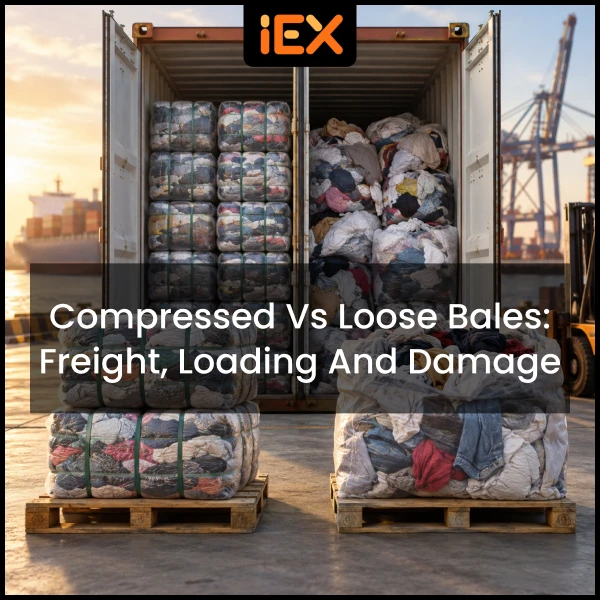
Used Nike shoes can be packed in bags, bales, or cartons, depending on the grade and shipping preferences. Bale packing maximizes container space, while bag or carton packing is better for cleaner, higher-grade items.
13.6 How long does delivery take?
Sorting and preparation typically take 7–15 days. Sea freight delivery ranges from 15–35 days, depending on the destination port and shipping schedule.
13.7 Do suppliers ship worldwide?
Yes. Professional exporters regularly ship to Africa, Southeast Asia, South America, and the Middle East. They understand customs requirements and can guide you through the process.
13.8 What documents are included?
Common export documents include:
- Commercial invoice
- Packing list
- Certificate of origin
Additional documents can be arranged if required by the destination country.
13.9 Is there after-sales support?
Reliable suppliers like Indetexx provide ongoing support—helping with customs paperwork, shipment updates, feedback handling, and adjustments for future orders.
13.10 Can I request specific styles?
Yes, but availability depends on collection volume. You can request categories such as running shoes, basketball shoes, lifestyle sneakers, women’s styles, or kids’ size ranges, and the supplier will match as closely as possible.
Ready to Source Your First Shoe Container?
Indetexx ships Grade A and Grade B used shoe bales to 110+ countries with Recydoc-lot-tracked grading. Every bale ships with documented composition reports, pre-shipment photos, and size distribution data so you can verify grade accuracy before the container sails.
Our 20,000㎡ sorting factory processes 6,000 tons of footwear monthly, ensuring consistent supply for buyers across Africa, Southeast Asia, and Latin America.