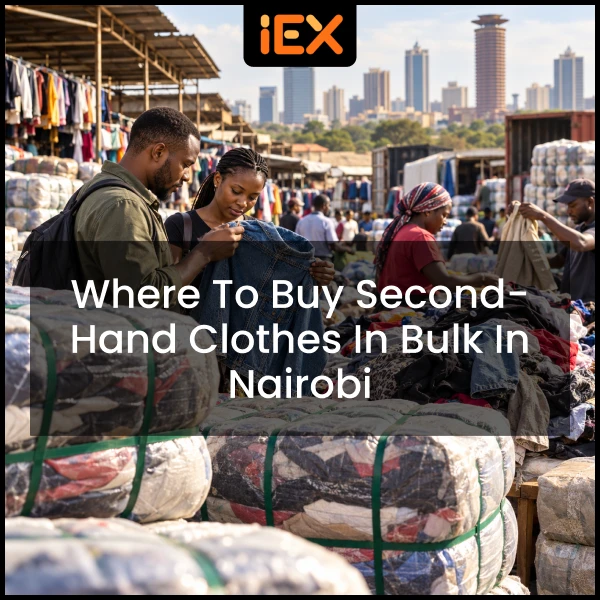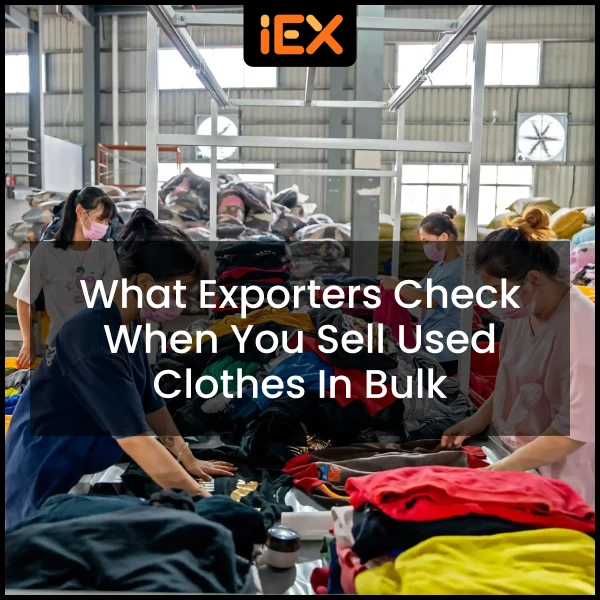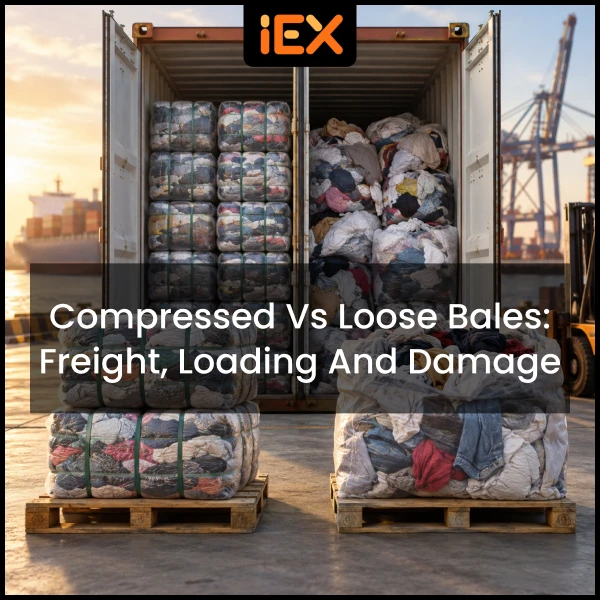
The market for wholesale used clothing has grown significantly, providing businesses and individuals with an opportunity to source high-quality second-hand garments at a fraction of the cost of new clothing. Buying used clothing in bulk by the pound for resale can be a profitable venture if approached correctly. Whether you’re running a thrift store, reselling on platforms like eBay or Depop, or operating a physical retail shop, sourcing used clothing by the pound offers flexibility, scalability, and sustainability.
In this guide, we’ll walk you through the steps to buying wholesale used clothing by the pound for resale, the advantages, and how to navigate the market to find reliable suppliers.
Why Buy Wholesale Used Clothing by the Pound?
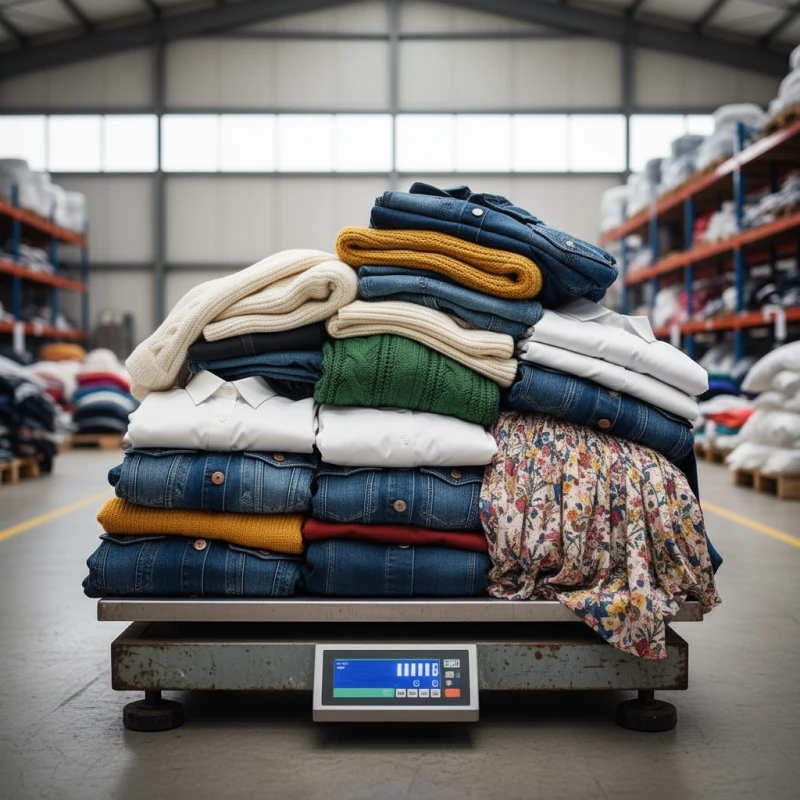
Buying used clothing by the pound is an efficient and cost-effective way to source large quantities of second-hand items for resale. It’s an ideal option for businesses looking to scale quickly or individuals seeking to capitalize on the growing demand for sustainable and affordable fashion. Here’s why wholesale used clothing can be a great investment:
- Cost-Effective
Purchasing by the pound typically reduces the price per unit, making it more affordable than buying individual pieces. It allows you to obtain large quantities of clothing at a lower cost, which is essential for maximizing profit margins. - Sustainability
The used clothing market promotes sustainability by giving garments a second life. It’s an eco-friendly way to source apparel, aligning with consumer demand for greener products. - Variety and Flexibility
When you buy used clothing by the pound, you can access a wide variety of items, including everything from vintage pieces to current fashion trends. The flexibility allows you to curate your stock based on your target market’s preferences. - Scalability
For businesses looking to expand, purchasing by the pound enables them to scale operations efficiently. The more you buy, the lower your cost per pound becomes, which directly translates into increased profitability.
Step 1: Find a Reliable Supplier
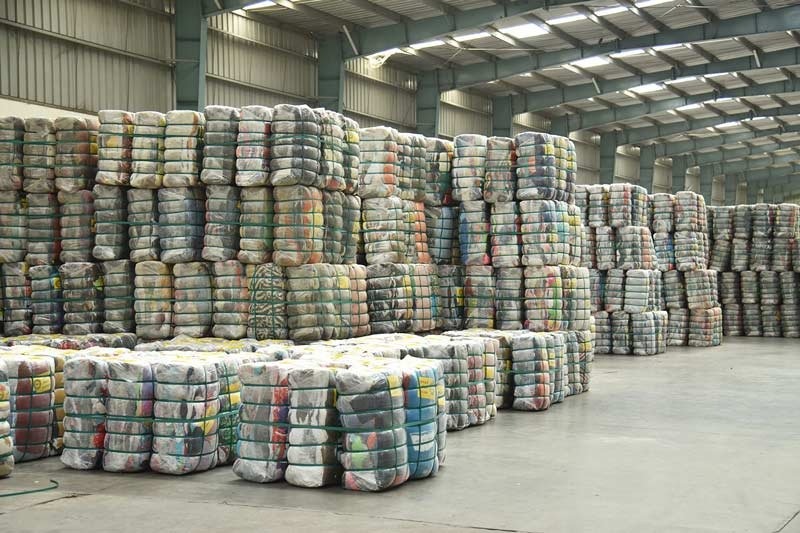
Finding a reputable used clothing supplier is the first step in purchasing wholesale used clothing by th pound. The right supplier will provide you with a steady supply of quality items and offer competitive prices. Here’s how to find a trustworthy supplier:
1.1 Research Suppliers
There are numerous wholesalers in the market, ranging from large-scale factories to smaller independent dealers. To find a reliable supplier:
- Online Marketplaces: Websites like Alibaba, eBay, or specialized used clothing wholesale platforms can help you find suppliers.
- Industry Networks and Trade Shows: Attend trade shows or conferences related to the used clothing industry. These events provide opportunities to meet suppliers, see the quality of products firsthand, and establish relationships.
- Supplier Directories: Directories like the “Used Clothing Exporters” list, or online B2B platforms, can also be helpful in identifying suppliers.
1.2 Evaluate the Supplier’s Reputation
Before making any purchase, it’s essential to evaluate the supplier’s reputation. Look for:
- Reviews and Testimonials: Research customer feedback to assess the quality and reliability of the supplier.
- Certifications: Check if the supplier follows industry standards for sorting, cleaning, and grading used clothing.
- Experience: Suppliers with years of experience in the industry are more likely to provide reliable, consistent service.
1.3 Ask for Samples
Request samples of the used clothing before committing to a bulk order. This allows you to inspect the quality of the garments, including their condition, cleanliness, and sorting level. Reputable suppliers will be more than happy to provide samples.
Step 2: Understand the Pricing Structure
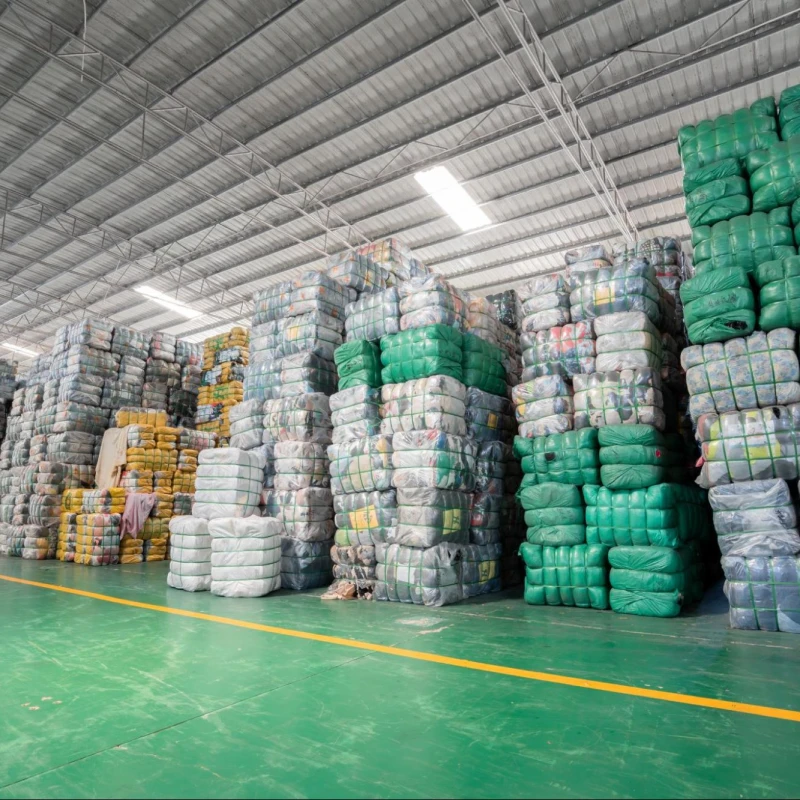
When purchasing wholesale used clothing by the pound, it’s important to understand the pricing structure. Prices can vary based on several factors:
- Grade and Quality of Clothing: Higher-quality garments (such as branded or near-new items) will cost more than lower-quality clothing (like heavily worn items or unbranded garments).
- Sorting and Grading: Some suppliers offer pre-sorted, high-quality bales of clothing, while others sell unsorted used clothing. Sorted clothing generally costs more due to the added labor in grading the items.
- Shipping Costs: If you’re buying from an international supplier, be aware that shipping fees can significantly impact the overall cost.
- Minimum Order Quantities: Some suppliers may require minimum order quantities, so make sure to factor this into your budget.
Always ask the supplier for a detailed breakdown of the pricing, including any hidden fees, and consider how this fits into your resale strategy.
Step 3: Know the Different Types of Wholesale Used Clothing
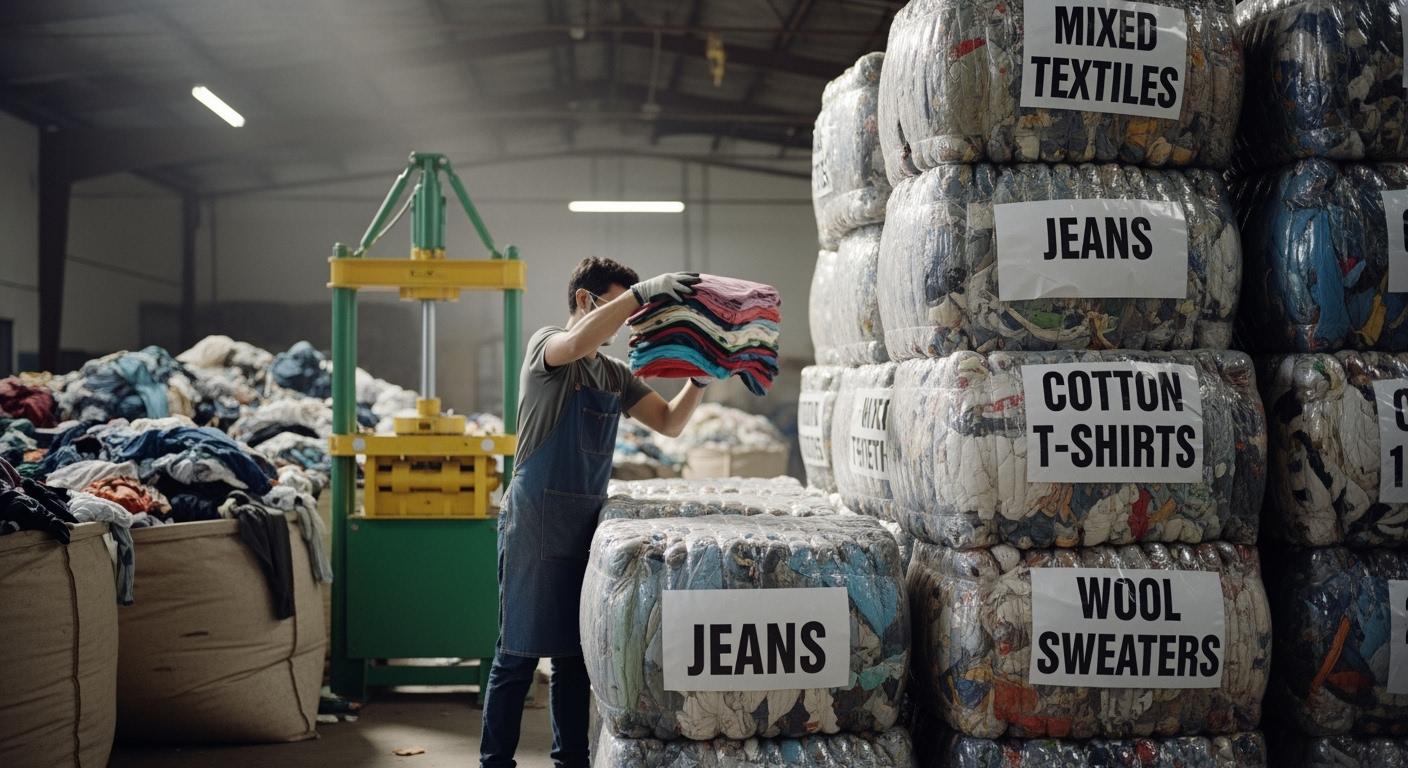
When buying wholesale used clothing by the pound, it’s important to understand the different categories of garments and how they can impact your resale business. The three main categories are:
3.1 Mixed Clothing
Mixed clothing consists of a variety of garments, often ranging from seasonal items (like summer t-shirts or winter coats) to different styles and sizes. This type of clothing is usually sold in bulk without specific sorting.
- Best for: Businesses that want a broad selection of clothing to cater to various demographics.
- Price Range: Lower cost per pound due to the mixed nature and lack of premium items.
3.2 Graded Clothing
Graded clothing refers to garments that have been sorted into categories based on their condition, such as Grade A (high quality), Grade B (good quality), and Grade C (lower quality).
- Best for: Sellers who want more control over the quality and condition of the items.
- Price Range: Higher cost per pound for Grade A and B clothing.
3.3 Branded Clothing
Branded used clothing consists of items from popular or high-end brands, such as Nike, Zara, or Levi’s. These garments tend to be in better condition and often fetch a higher resale value.
- Best for: Sellers targeting niche markets, such as luxury resale or e-commerce platforms like eBay and Depop.
- Price Range: The highest cost per pound, but also offers the highest potential profit margin.
3.4 Unsorted Clothing
Unsorted clothing is essentially a bulk mixture of garments that have not been graded or organized into categories. This is the most affordable option but requires more time and effort for sorting.
- Best for: Buyers with the ability to sort clothing themselves or those looking for low-cost inventory.
- Price Range: The lowest cost per pound.
Step 4: Order and Inspect Your Bulk Shipment
Once you’ve selected your supplier and agreed on the terms, it’s time to place your order. Be sure to:

- Confirm the Order Details: Double-check the weight, pricing, and shipping arrangements.
- Inspect the Shipment: When the clothing arrives, inspect the shipment thoroughly to ensure that the quality matches what was promised by the supplier.
- Sort and Categorize: If you’ve purchased unsorted clothing, you may need to spend time sorting and categorizing the garments based on size, season, and condition.
Step 5: Market Your Wholesale Used Clothing
Once you’ve received your used clothing shipment, it’s time to start reselling. Here are some key tips for effectively marketing and selling your garments:
- Create Attractive Listings: Take clear, high-quality photos of your clothing to showcase its condition and appeal. Accurate and professional-looking listings will attract more buyers.
- Sell Online: Platforms like eBay, Depop, Poshmark, and Vinted are perfect for selling wholesale used clothing to a global audience.
- Open a Thrift Store or Market Stall: If you prefer selling in person, consider opening a physical store or setting up a market stall to reach customers in your local area.
- Leverage Social Media: Use platforms like Instagram or TikTok to showcase your clothing and reach a broader audience through influencer partnerships or paid ads.
Step 6: Scale Your Wholesale Used Clothing Business
As your business grows, you’ll want to scale your operations. Consider the following:
- Build Relationships with Suppliers: Establishing a long-term relationship with suppliers will help you secure better prices, reliable shipping, and consistent quality.
- Optimize Inventory Management: Efficiently manage your stock and sales to ensure you always have enough inventory without overstocking.
- Diversify Your Product Range: As you gain experience, consider diversifying your offerings to include different clothing categories or niche markets (such as vintage clothing or designer brands).
Conclusion
Buying wholesale used clothing by the pound is a smart, cost-effective way to build a resale business that caters to the growing demand for affordable, sustainable fashion. By following the steps outlined in this guide—researching suppliers, understanding pricing structures, selecting the right types of clothing, and effectively marketing your products—you can set yourself up for success in the used clothing export market. Whether you’re a small business owner or an individual seller, the wholesale used clothing market offers vast potential for those ready to invest time, effort, and resources into this exciting industry.
Ready to Source Your First Clothing Container?
Indetexx ships Grade A and Grade B used clothing bales to 110+ countries. Every bale ships with documented composition reports and pre-shipment photos so you know exactly what is in the container before it sails.
Whether you are sourcing for West Africa, the Middle East, or Southeast Asia, our team can walk you through grade options, lot sizes, and landed cost estimates for your specific market.