
The best wholesale clothing websites for resellers do not all provide inventory in the same way. Some are marketplaces connecting you with many brands, some are supplier directories, and others sell case packs, curated boxes, blank apparel, or second-hand clothing bales. Comparing them as if they were interchangeable can lead to the wrong minimum order, an unsuitable size mix, or inventory that does not fit your sales channel.
This guide compares 15 wholesale clothing websites by sourcing model and buyer fit. Use the table to build a shortlist, then confirm current eligibility, minimum order, shipping destination, return terms, and product specification directly with the platform or supplier before paying.
15 Wholesale Clothing Websites at a Glance
| Website | Sourcing model | Best suited for | Confirm before ordering |
|---|---|---|---|
| Faire | Multi-brand marketplace | Independent boutiques | Retailer eligibility, opening order and brand restrictions |
| FASHIONGO | Fashion marketplace | Trend-led apparel boutiques | Vendor MOQ, pack ratio and shipping origin |
| NuORDER | Brand–retailer network | Established retailers | Brand approval and account requirements |
| Alibaba.com | Global B2B marketplace | Private-label and factory sourcing | Supplier identity, samples, specification and inspection |
| SaleHoo | Supplier directory and research platform | Resellers researching vendors | Membership scope and each vendor’s independent terms |
| Wholesale Central | Wholesale directory | US supplier discovery | Business identity, stock ownership and payment terms |
| Thomasnet | North American supplier directory | Domestic manufacturing and sourcing research | Whether the listed company actually supplies apparel |
| DollarDays | Case-pack wholesaler | Value retailers and organizations | Case quantity, freight and return eligibility |
| eBay | Open marketplace | Small tests, closeouts and mixed sourcing | Individual seller evidence and exact lot condition |
| Boutique by the Box | Curated and manifested boxes | Small online resellers | Manifest, condition definitions and return terms |
| Fieldfolio | Australian wholesale marketplace | Australian retailers | Supplier location, GST and delivery coverage |
| B2BHub | Australian B2B directory | Local supplier discovery | ABN, references and contracting company |
| CK Morgan | Fashion wholesaler | Women’s fashion boutiques | Size curve, pack quantities and reorder availability |
| AS Colour | Blank-apparel supplier | Printers, decorators and merchandise sellers | Wholesale account terms and regional availability |
| Indetexx | Used-clothing exporter | Bale and container buyers | Category, grade, bale weight, packing and loading plan |
The list position is not a quality ranking. A boutique ordering new seasonal styles has a different problem from a reseller buying manifested closeouts or an importer purchasing sorted second-hand clothing by the bale. Start with the inventory model, then compare suppliers operating within that model.
Fashion Marketplaces for Boutique Inventory
1. Faire
Faire is a multi-brand wholesale marketplace designed around retailer–brand relationships. It is most relevant when you want finished new products from independent brands rather than factory production or used-clothing bales. Compare opening-order requirements, geographic availability, payment timing, and any channel restrictions at brand level because the terms are not necessarily identical across the marketplace.
2. FASHIONGO
FASHIONGO focuses on fashion wholesale and is useful for boutiques that need frequent access to trend-led apparel, accessories, and related categories. Before ordering, check the vendor’s pack ratio, size run, minimum order, ship-from location, and restock pattern. A low unit price is less useful if the pack contains sizes that move slowly in your store.
3. NuORDER
NuORDER is better understood as a digital wholesale network connecting brands and retailers than as one general clothing wholesaler. It may suit established retailers seeking approved brand relationships and structured ordering. Confirm whether a brand accepts your store type, territory, sales channel, and opening order before building your buying plan around it.
Supplier Directories and Factory Discovery
4. Alibaba.com
Alibaba.com offers broad access to manufacturers and trading companies, making it useful for private-label apparel, custom products, and larger production orders. The marketplace helps with discovery, but the individual supplier still needs to be verified. Match the company name on the quotation and payment beneficiary, approve a written specification, review a sample, and define inspection and trade terms before placing a production order.
5. SaleHoo
SaleHoo is primarily a supplier-research and directory option. It can shorten the first stage of finding vendors, but it does not make every listed supplier suitable for every reseller. Check what the membership includes, then review each vendor’s product ownership, minimum order, shipping coverage, return policy, and sales-channel restrictions independently.
6. Wholesale Central
Wholesale Central is a discovery directory rather than a single seller holding all listed inventory. It can help US resellers compare wholesalers across clothing and other categories. Contact the listed business directly and verify its legal identity, warehouse or fulfillment role, current stock, payment method, and complaint procedure; a directory entry should not replace supplier due diligence.
7. Thomasnet
Thomasnet is oriented toward North American supplier discovery and can be helpful when domestic manufacturing, decoration, textiles, uniforms, or related capabilities matter. It is not a clothing-only marketplace, so narrow the search carefully. Confirm that the company works with your product type and order scale before requesting samples or a quotation.
Case Packs, Closeouts and Small Reseller Tests
8. DollarDays
DollarDays sells many products in case-pack formats and may suit value-focused retailers, community organizations, and resellers building practical assortments. Evaluate the full case cost, freight, pack quantity, and return eligibility instead of comparing only the displayed unit price. Confirm current clothing availability because the platform covers many categories beyond apparel.
9. eBay
eBay can be useful for testing a small lot, sourcing closeouts, or finding unusual inventory, but it is an open marketplace rather than one wholesale clothing supplier. Quality, condition, origin, and return terms depend on the individual seller and listing. Request photographs or a manifest for bulk lots and avoid assuming that a strong platform reputation verifies every seller’s merchandise.
10. Boutique by the Box
Boutique by the Box is aimed at resellers buying curated or manifested boxes rather than selecting a conventional seasonal collection. This format can reduce the entry order compared with factory sourcing, but resale performance depends on the actual brand, style, size, and condition mix. Review the current manifest and condition definitions, and calculate landed cost per usable item before ordering.
Wholesale Clothing Websites for Australian Resellers
11. Fieldfolio
Fieldfolio connects Australian retailers and wholesale suppliers through a marketplace-style ordering environment. It is useful when local delivery, Australian invoicing, and access to regional brands matter. Check each supplier’s location, wholesale eligibility, minimum order, GST treatment, delivery area, and return terms before comparing it with an overseas option.
12. B2BHub
B2BHub functions as a business discovery channel, so use it to identify possible Australian suppliers rather than treating the directory itself as the seller. Verify the supplier’s ABN, trading history, references, product ownership, and contracting entity. Ask who handles returns and payment disputes before sending a large deposit.
13. CK Morgan
CK Morgan is positioned toward women’s fashion wholesale and may suit boutiques looking for locally supplied fashion ranges. Focus on the current size curve, pack composition, seasonal delivery, and reorder availability. For a small boutique, a slightly higher unit price can be acceptable when the pack mix reduces slow-moving sizes and makes replenishment easier.
14. AS Colour
AS Colour is relevant to resellers, printers, and merchandise businesses sourcing blank apparel. It is a different model from a trend-fashion marketplace: buyers usually care more about consistent blanks, color availability, size continuity, and decoration suitability. Confirm wholesale account requirements and stock availability in your region before offering repeat products to customers.
Used-Clothing Bales for Importers and Wholesalers
15. Indetexx
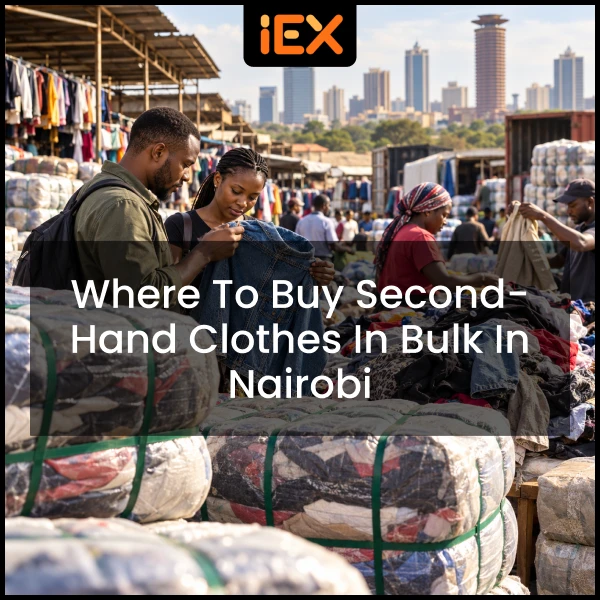
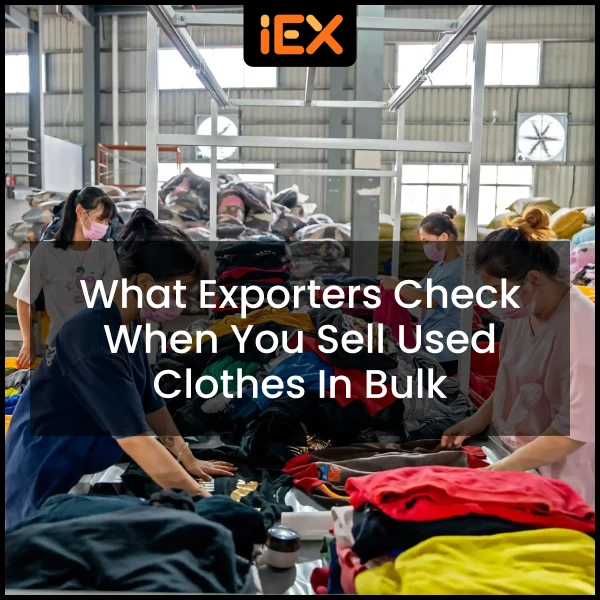
Indetexx serves B2B buyers sourcing sorted used clothing, footwear, bags, mixed rags, and related categories in bale and container programs. This model is intended for importers and wholesalers rather than boutiques selecting individual new-season pieces. Ask for the current category list, order-specific Grade A/B/C definitions, bale weight, packing method, inspection option, loading plan, and quotation terms.
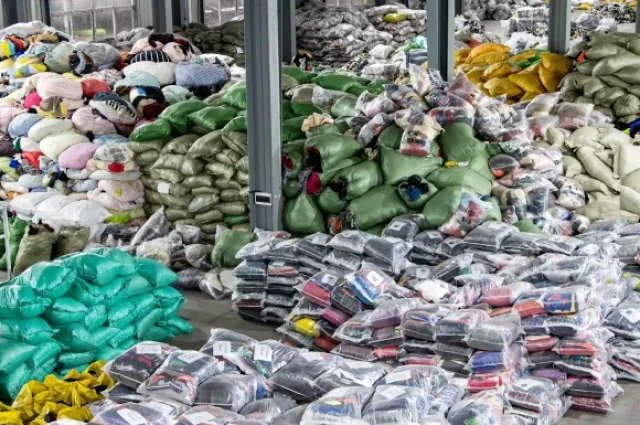
For this type of inventory, compare landed cost per sellable item instead of bale price alone. Review available bale clothing options and use a pre-loading checklist before confirming a container order.
How to Choose the Right Wholesale Clothing Website
Match the inventory model to your sales channel
A boutique selling coordinated seasonal collections may prefer a fashion marketplace with reorder access. A social-commerce reseller may start with a manifested box or smaller lot. A printer needs stable blank styles, while a used-clothing importer needs written grade and bale specifications. Decide which of these problems you are solving before comparing websites.
Calculate landed cost per sellable item
Add product cost, marketplace or membership fees, domestic transport, international freight, duty, tax, inspection, payment charges, and expected unusable inventory. Divide that total by the number of items you realistically expect to sell. This calculation makes a high-MOQ factory order, a case pack, and a mixed box comparable in business terms.
Verify the company behind the listing
Marketplaces and directories help you discover suppliers, but the contracting company still matters. Confirm its legal name, business address, payment beneficiary, product ownership, and complaint process. For a material order, request current product evidence, a sample or test order when practical, and a written specification that matches the invoice.
Check size mix, replenishment and returns
Resellers often lose margin through the wrong size curve or stock that cannot be replenished, not through the unit price alone. Ask whether packs can be adjusted, which sizes dominate, how often items are restocked, and what happens when the delivered product differs from the order. Do not assume unsold wholesale inventory can be returned.
FAQ
What is the best wholesale clothing website for a small reseller?
The best option depends on whether you need boutique fashion, closeouts, blanks, or used clothing. Small resellers often benefit from a marketplace, case pack, or manifested box that allows a controlled first order. Compare landed cost and the usable product mix instead of choosing solely by the lowest advertised price.
Is a supplier directory the same as a wholesaler?
No. A directory introduces buyers to independent suppliers, while a wholesaler may own or control the inventory being sold. When using a directory, verify the listed company and negotiate the specification, payment, shipping, and returns directly with that supplier.
What minimum order should a new reseller choose?
Choose an order that is large enough to test the supplier’s normal packing but small enough that slow-moving stock will not damage your cash flow. MOQ varies by platform, supplier, category, and account, so confirm the current requirement rather than relying on a general industry number.
Can I buy wholesale clothing without a business license?
Some platforms allow smaller purchases without trade approval, while others require business registration, a resale certificate, tax information, or brand approval. Eligibility also differs by country. Check the current account requirements on the website before planning inventory around it.
How do I compare a case pack with a clothing bale?
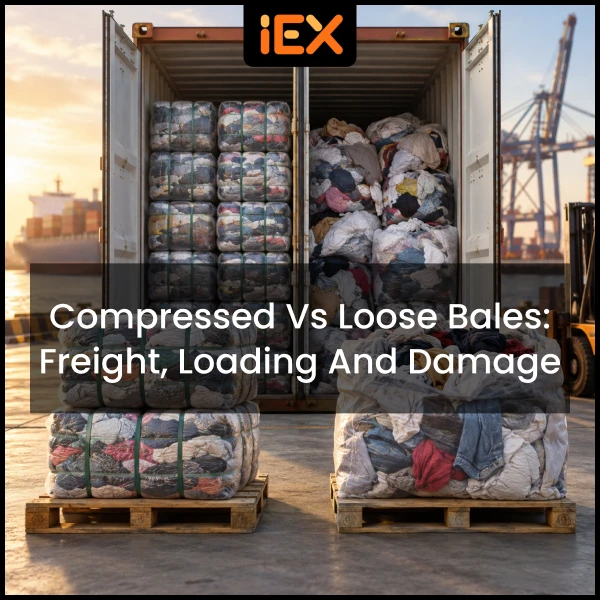
A case pack normally provides a defined product and quantity, while a clothing bale may be specified by category, grade, and weight. Convert both to landed cost per expected sellable item, then compare size or category mix, condition risk, handling cost, and whether the inventory fits your sales channel.
What should I verify before paying a wholesale clothing supplier?
Verify the contracting company, beneficiary, product specification, quantity, size or category mix, condition, packing, shipping term, delivery destination, inspection method, and claims procedure. Keep these details in the quotation or contract rather than relying on messages or general website descriptions.
Need a Used-Clothing Bale Specification?
If your reseller model uses sorted second-hand clothing, share your destination, target categories, grade expectations, preferred bale weight, and expected volume. Indetexx can discuss the current specification, packing options, and quotation for your market.