The demand for used brand name clothing has expanded far beyond local thrift stores. Resellers in Lagos, importers in Manila, and boutique owners in Lima are all competing for the same product — Grade A Nike hoodies, sorted Levi’s denim, and Ralph Lauren polo shirts in resalable condition. What separates profitable used brand name clothes buyers from those who chase margins that never materialize is knowing where to source, at what price, and through which channel.
This guide covers every major sourcing option for used brand name clothing, from retail platforms for small-volume buyers to direct-origin wholesale suppliers for importers working at container scale.
What Makes Used Brand Name Clothing Different from Generic Secondhand
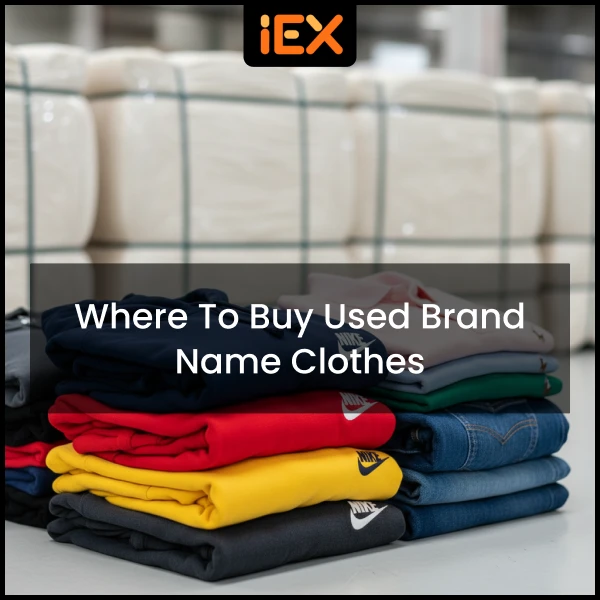
Before sourcing, it helps to understand what makes branded used clothing commercially distinct. The difference is not just aesthetic — it is functional. A buyer at a market stall or on Vinted can justify paying more for a Nike hoodie than for an unbranded equivalent of the same weight and condition. That pricing premium is the margin source that drives the entire used brand name clothing business.
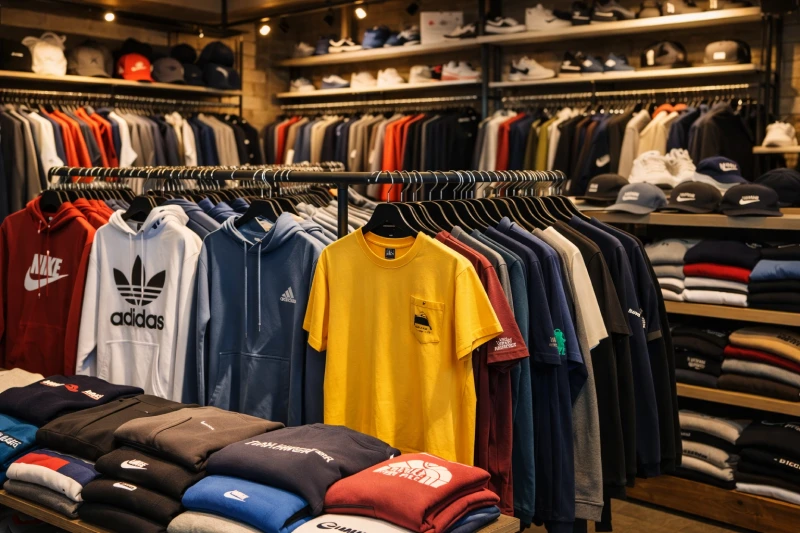
The most commercially active brands in the global secondhand market are Nike, Adidas, Levi’s, Ralph Lauren, Tommy Hilfiger, The North Face, Carhartt, Champion, Puma, and H&M. These hold value across almost every major import market — Africa, Southeast Asia, South America, and Eastern Europe. Unbranded items from the same bale may sell, but they will not sell at the same per-piece price.
Where to Buy Used Brand Name Clothes: 5 Sourcing Channels
1. Retail Resale Platforms
For used branded name clothing buyers just testing demand or sourcing a small initial selection, retail resale platforms are the most accessible entry point:
- ThredUp — Large US-based secondhand platform with brand filtering. Offers wholesale mystery boxes but at retail-adjacent prices.
- Poshmark — Strong for US brand name items. Good for validating which brands sell in your target market before committing to bulk.
- eBay — Wholesale lot listings are available; useful for small-scale sampling.
- Depop — Better suited to vintage and streetwear categories.
- Facebook Marketplace — Zero fees for local sourcing.
The core limitation at this level is price. Per-piece cost on retail platforms is several times higher than wholesale. At these prices, the margin available for commercial resale is thin, and the volume capacity is too low for container-level importing.
2. Liquidation and Overstock Suppliers
Liquidation platforms sell customer returns, shelf pulls, and closeout merchandise from major US retailers. Platforms like Liquidation.com, B-Stock, and direct liquidators such as DNC Wholesale and Big Brand Wholesale operate in this space. If you are comparing these options to used clothing wholesale, it is worth understanding the key structural difference — used clothing, liquidation stock, and overstock are not the same product, and each carries different risk profiles and margin structures.
Liquidation lots frequently include damaged, incomplete, or unsellable items alongside resalable stock. Rejection rates of 20–40% are common. For importers who cannot sort on arrival or who are shipping directly into resale channels, this level of quality uncertainty creates operational problems that offset the low per-unit cost.
3. B2B Wholesale Marketplaces
For mid-volume buyers, B2B marketplaces aggregate used brand name clothing suppliers globally. Alibaba is the most commonly used, with a large pool of listed suppliers for sorted used clothing bales. Merkandi covers the European market. TradeKey and Global Sources list used clothing exporters across multiple origins.
At this level, quality and authenticity verification is entirely the buyer’s responsibility. Grading standards vary widely between suppliers — what one used branded name clothes supplier calls Grade A, another will call Grade B. Before committing to a first order, it is worth learning how to inspect used clothing bales remotely before buying, including what to look for in a video inspection and which questions reveal whether a supplier has a genuine sorting process.
4. Buy Used Brand Name Clothes in Bulk from Export Specialists
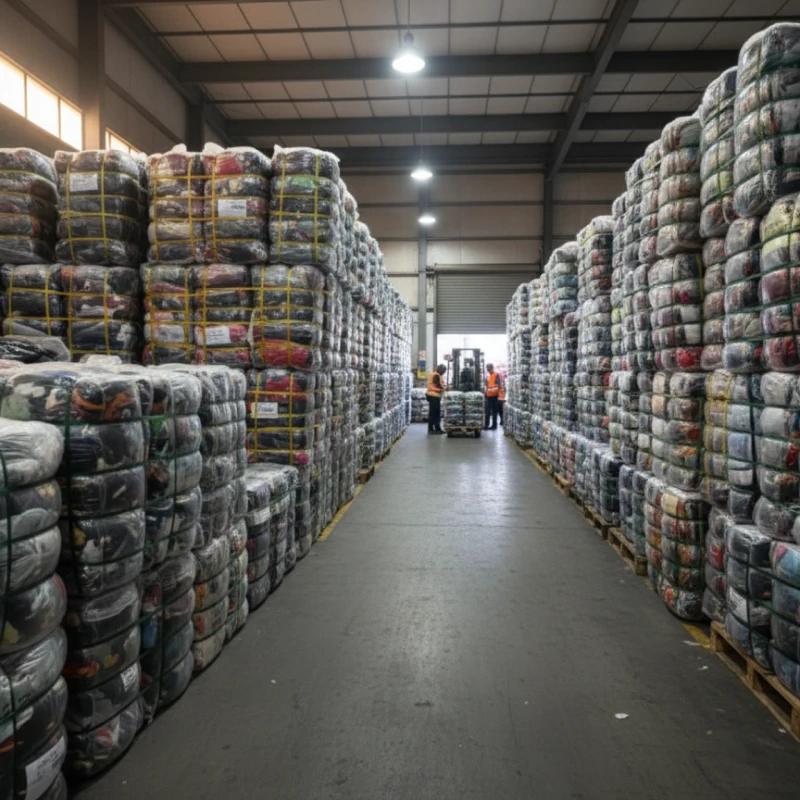
This is where the economics change substantially. Export-grade used clothing suppliers operate their own processing facilities — they sort, grade, and bale clothing at scale, and their output is designed for commercial import. They sell by the kilogram or by bale weight, typically 45–100 kg per bale.
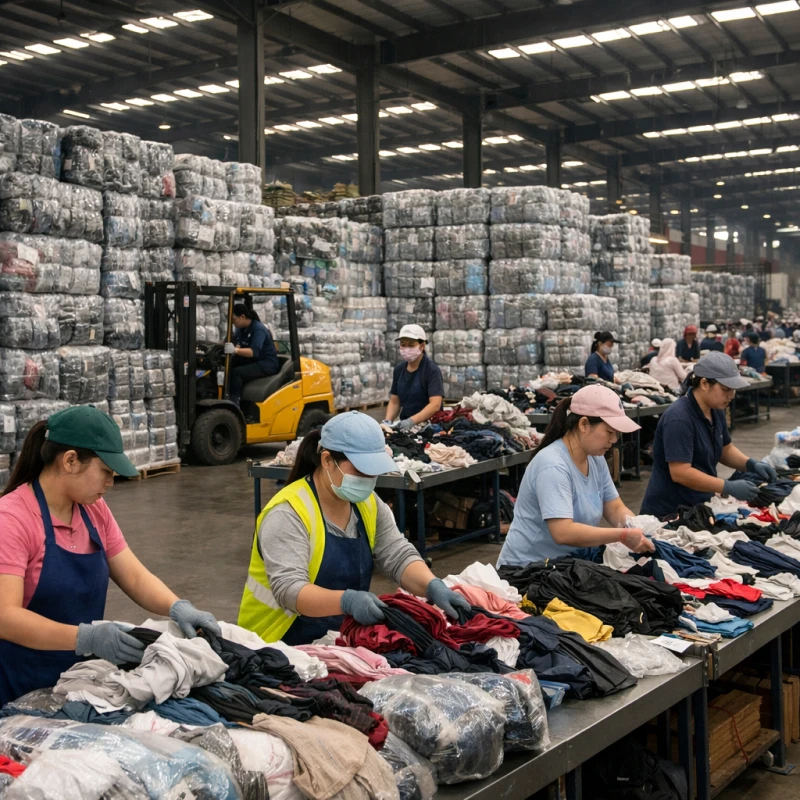
At this level, the price per kilogram drops significantly compared to retail or liquidation. A Grade A branded lot that retails per piece at $15–$40 can be sourced at $8–$18/kg from a direct export supplier, with an average of 2–3 pieces per kilogram for typical apparel categories. Understanding how branded clothing is sorted in export factories helps buyers evaluate whether a supplier’s grading claims are backed by a real process or are simply marketing language.
What distinguishes a genuine export supplier from a broker:
- They own and operate sorting facilities — not just warehouse space
- They can supply more than 50 categories consistently
- They have capacity to fulfill reorders without supply gaps
- They have export documentation experience and established shipping routes
5. Origin-Direct Wholesale Suppliers
The lowest cost per kilogram and most reliable supply consistency comes from large-scale origin processors — companies that collect, sort, and export directly from source countries including China, the US, and Germany.
At this level, there are no second hand clothes broker margins in the price. You are buying at the processing cost plus export overhead. For buyers working at container scale, the per-kilogram savings compound quickly. A 20-foot container carries approximately 8,000–10,000 kg of baled clothing; a $2–$4/kg price difference versus an intermediary represents $16,000–$40,000 in margin on a single container.
Custom bale composition is also available at this level: you can specify gender, season, brand type, size range, or category. This level of product specification is not available from brokers or liquidators.
How to Evaluate Grade A Used Brand Name Clothing
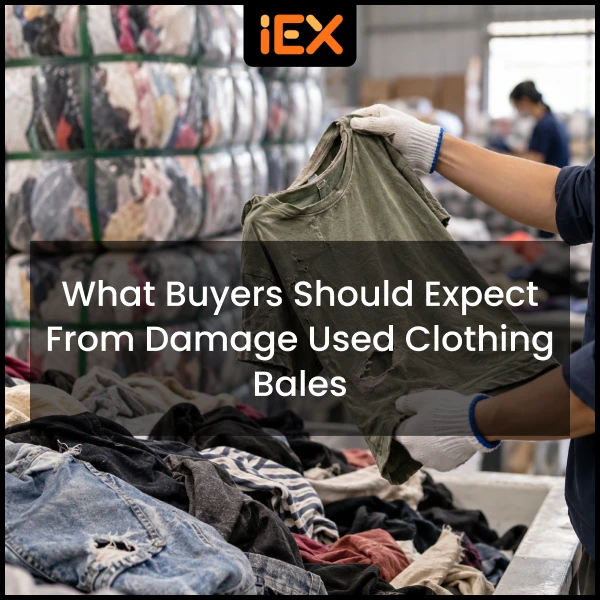
Not all “Grade A” claims are equivalent. When sourcing used brand name clothing wholesale, the grading definition should be written and supplier-specific — not just implied by the label. A reliable Grade A standard means:
- No visible stains on the front, back, or collar
- No holes, tears, or open seams
- All zippers, buttons, and closures functional
- Brand label intact and legible
- Color representative of the original — not heavily faded
Grade B allows for minor issues: light staining in non-visible areas, minor pilling, slight color fade. Mix or unsorted carries no quality floor and is priced accordingly.
One practical check: ask the supplier to show you the sorting floor, not just the finished bales. A supplier with a genuine sorting operation can show the inspection process in real time. This is a quick differentiator between processors and brokers who buy and rebale product they did not sort themselves.
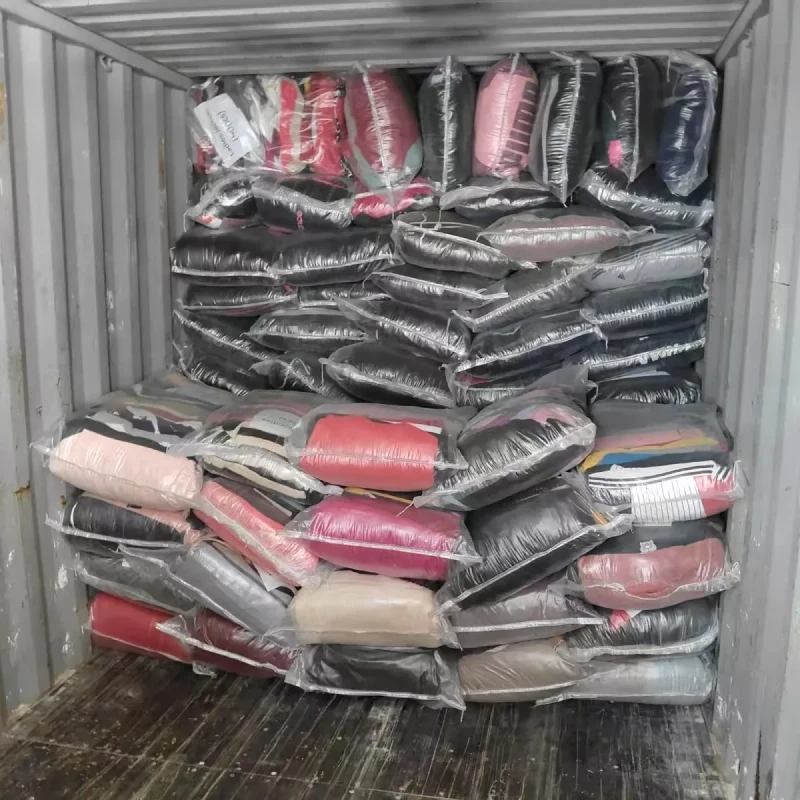
Used Brand Name Clothes Bales: Understanding the Format and Price
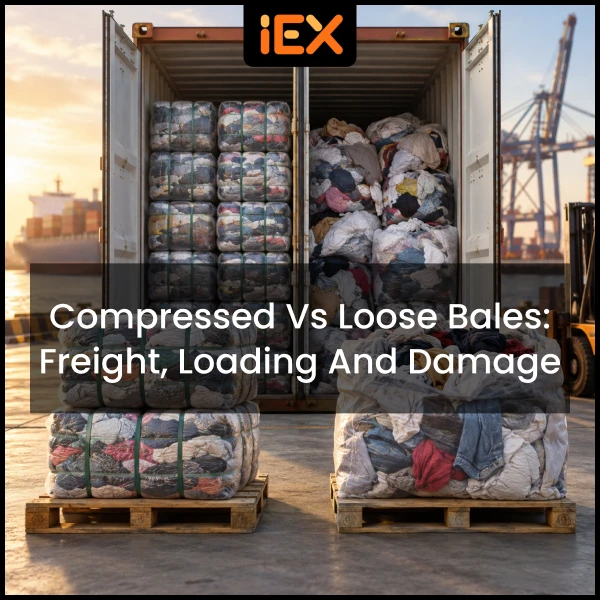
Commercial sourcing of used brand name clothing happens by the bale. A bale is a compressed block of sorted garments, sealed and labeled, typically weighing 45–100 kg depending on garment type and supplier standard. For a practical breakdown of how bale pricing varies by weight class and grade level, the Used Clothing Bale Price Guide 2026 covers current market price ranges across multiple categories.
| Bale Format | Typical Weight | Price Range (Grade A branded) | Best For |
|---|---|---|---|
| Sealed mixed bale | 45–100 kg | $8–$18/kg | Experienced importers, lowest price/kg |
| Selected sorted bale | 20–45 kg | $12–$22/kg | First-time buyers, lower risk |
| Custom category bale | Variable | Quoted per spec | Advanced buyers, market-specific needs |
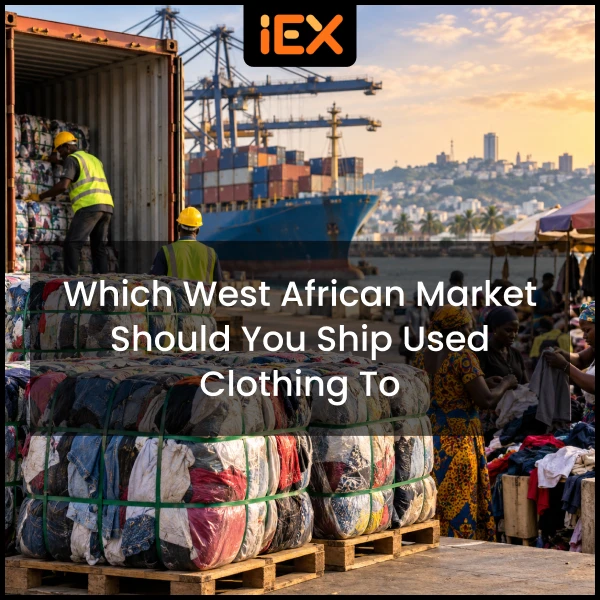
Standard shipping formats: LCL (less-than-container load) for orders below full container volume, FCL (20ft or 40ft container) for volume buyers. A 20ft container holds approximately 8,000–10,000 kg of baled clothing; a 40ft holds 18,000–22,000 kg.
Profit Margin When Reselling Used Brand Name Clothing
The margin calculation should happen before sourcing, not after. Understanding your landed cost per piece and your realistic sell-through price determines whether a sourcing decision makes financial sense. For a detailed methodology, see our guide on how to calculate resale price for second-hand clothing.
Example with Grade A branded mixed lot:
- Source price: $12/kg (origin direct)
- Average pieces per kg: 2.5 (mix of tops and outerwear)
- Cost per piece at source: $4.80
- Freight to destination (sea, consolidated): approximately $0.50/piece
- Total landed cost per piece: ~$5.30
Resale pricing range:
- Local market or stall: $8–$15/piece → margin 41–65%
- Online platforms (eBay, Depop, Vinted): $15–$35/piece → margin 66–85%
- Premium branded pieces (Carhartt, North Face, Ralph Lauren): $25–$70/piece → margin 79–92%
The rejection rate matters here. In well-sorted Grade A bales, a 3–5% rejection rate is normal. In poorly sorted or misrepresented bales, that rate can reach 20–30%, which collapses the margin calculation even when the per-kilogram price looks attractive.
Which Sourcing Channel Fits Your Business Stage
| Business Stage | Recommended Channel | Key Reason |
|---|---|---|
| Testing market (under $2,000) | eBay lots / ThredUp wholesale boxes | Low commitment, no freight complexity |
| Regular small orders | Verified B2B marketplace supplier | More control, lower cost than retail |
| Container volume | Export specialist with own facility | Price breaks at scale, custom bale options |
| Established importer | Origin-direct processor | No intermediary margin, stable supply |
If you are planning your first container order and want to reduce risk before committing to a full load, the guide on how to reduce risk in your first used clothing container order outlines the key decisions — from bale selection to shipping documentation.
Frequently Asked Questions
What brands are most commonly found in used brand name clothing bales?
The most frequently appearing brands in Grade A export bales are Nike, Adidas, Puma, H&M, Levi’s, Tommy Hilfiger, Ralph Lauren, Champion, and Under Armour. Premium bales may include The North Face, Carhartt, Lacoste, and Calvin Klein, but these carry a higher price per kilogram to reflect demand.
Is there a minimum order quantity when buying used brand name clothes wholesale?
This depends on the supplier type. Retail liquidators and marketplace sellers may have no minimum. Export bale suppliers typically start at one bale (45–100 kg). Origin-direct processors usually work from one pallet or partial container upward, with full container orders being the most cost-efficient.
How do I verify that a supplier is selling genuine brand name items, not counterfeits?
Request a video walkthrough of sorting floor operations and a sample bale or a pre-shipment inspection. Genuine brand name items sourced from secondhand collection will have normal use characteristics — label wear, interior washing instructions, and construction details consistent with the brand. Counterfeit risk is higher with luxury brands than with mass-market labels.
What is the price per kilogram for Grade A used brand name clothing?
Current market range for Grade A branded mixed lots from origin suppliers: approximately $8–$20/kg depending on brand composition, bale size, and order volume. Bales with a higher concentration of premium brands (North Face, Carhartt, Ralph Lauren) are priced at the upper end. Price per kilogram decreases as order volume increases.
How long does shipping take from China to my country?
By sea (the standard method for used clothing bales), shipping from China takes approximately 18–35 days to most destinations depending on the port. LCL shipments may take longer due to consolidation time. Air freight is not cost-viable for used clothing at commercial volumes.
Can I request a specific brand mix in my bale order?
With origin-direct suppliers that operate their own sorting facilities, yes. You can typically specify category (sportswear, denim, outerwear), gender, season, and brand tier. Brokers and marketplace suppliers generally cannot accommodate this because they do not control the sorting process.
Indetexx: Used Brand Name Clothing Supplier at Origin
If you are sourcing at container scale or growing toward consistent import volume, the intermediary margin built into European or US-based wholesale prices is a cost you do not need to carry.
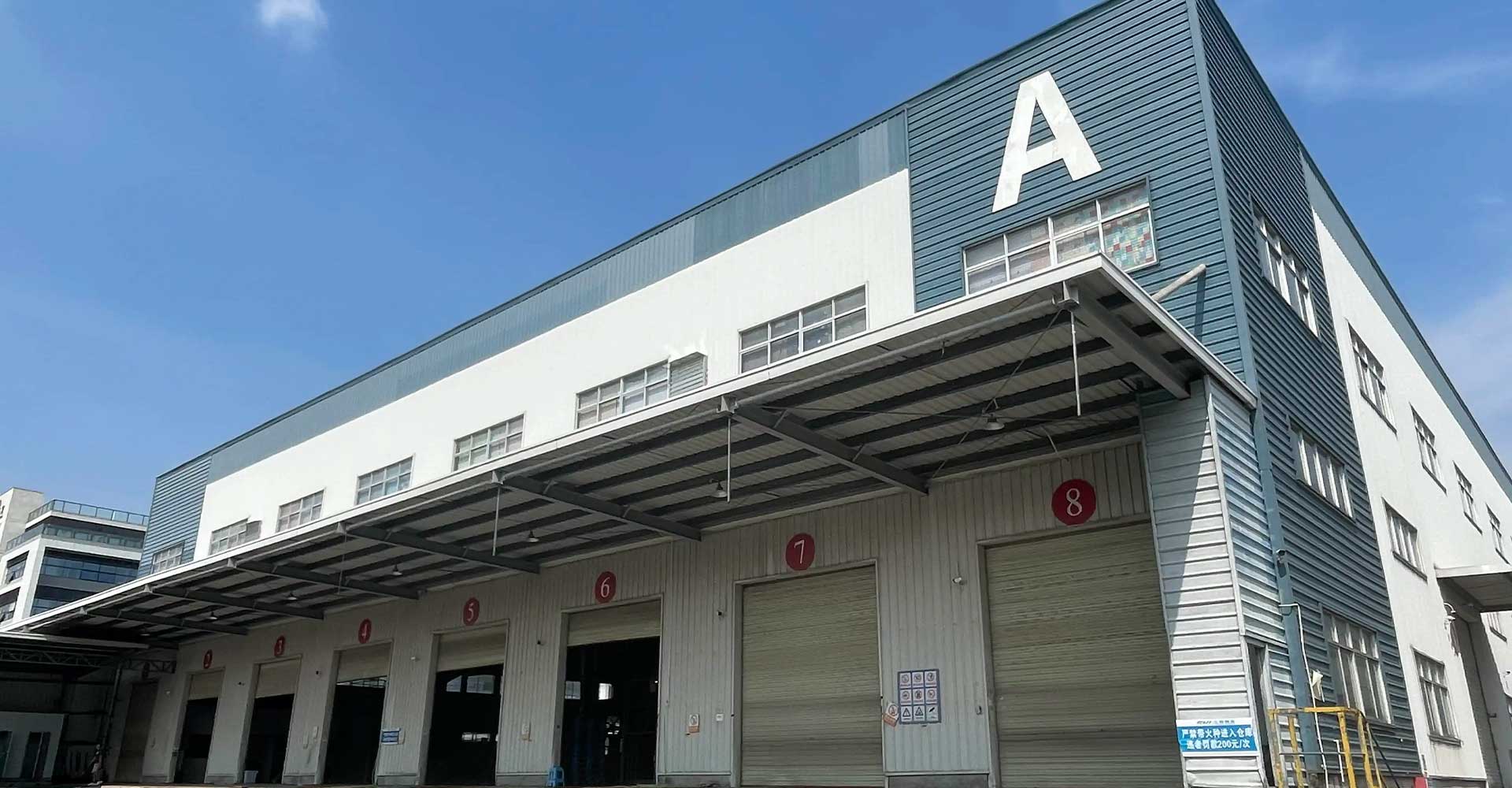
Indetexx operates from Guangzhou with over 20,000 m² of in-house sorting facilities, 3,000+ tonnes of standing stock, and monthly processing capacity of 6,000 tonnes. With 120+ clothing categories and strict in-house quality control applied at the sorting stage, we supply B2B buyers in over 119 countries with Grade A and Grade B branded lots, sportswear, denim, outerwear, and seasonal category bales.
Sample orders are available before full container commitment. If you are comparing suppliers, we can provide a detailed bale manifest, pre-shipment photos, and export documentation for your review.
Related reading: How Can I Buy Brand Name Clothes Wholesale? — Used Clothing Bale Price Guide 2026 — How to Inspect Bales Remotely Before Buying