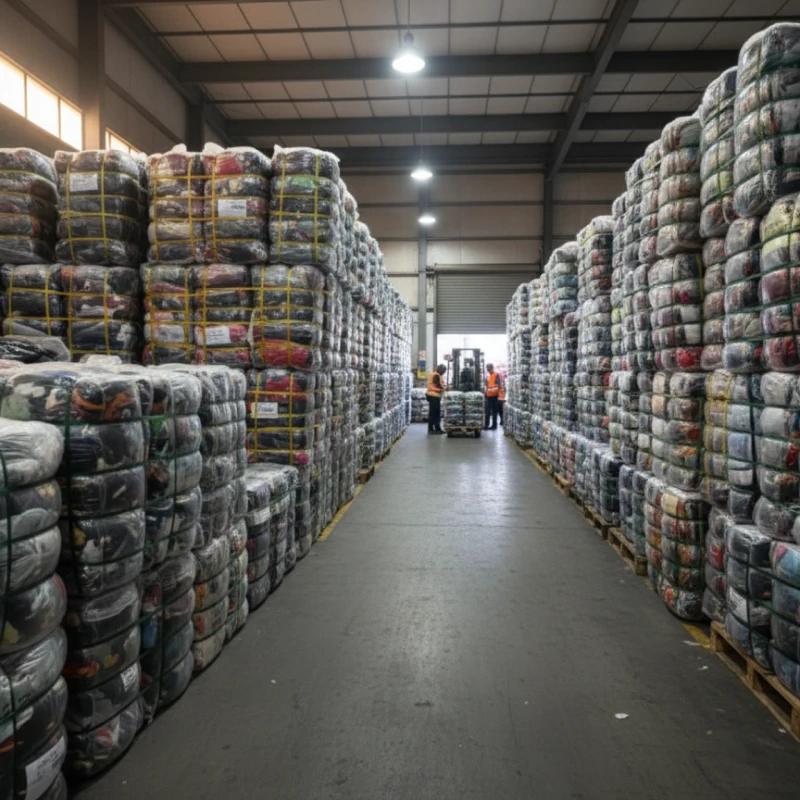
You can find pre-owned clothing resupply factories in the center of the circular economy. These factories help clothes get used again and lower trash in landfills.
You save water, energy, and materials when you pick pre-owned clothing.
You help the planet and support green fashion by buying secondhand clothes.
You stop pollution and help others learn about green shopping when you choose second-hand items.
Key Takeaways
Buying pre-owned clothing helps cut down waste. It keeps clothes out of landfills. This supports a healthier planet.
Pre-owned clothing resupply factories use smart technology. They make sure good items reach buyers. This makes secondhand shopping easier and more reliable.
Picking secondhand clothes saves money. It also creates jobs. It helps local communities. This makes a good impact on the economy.
Pre-Owned Clothing Resupply Factories
Core Functions
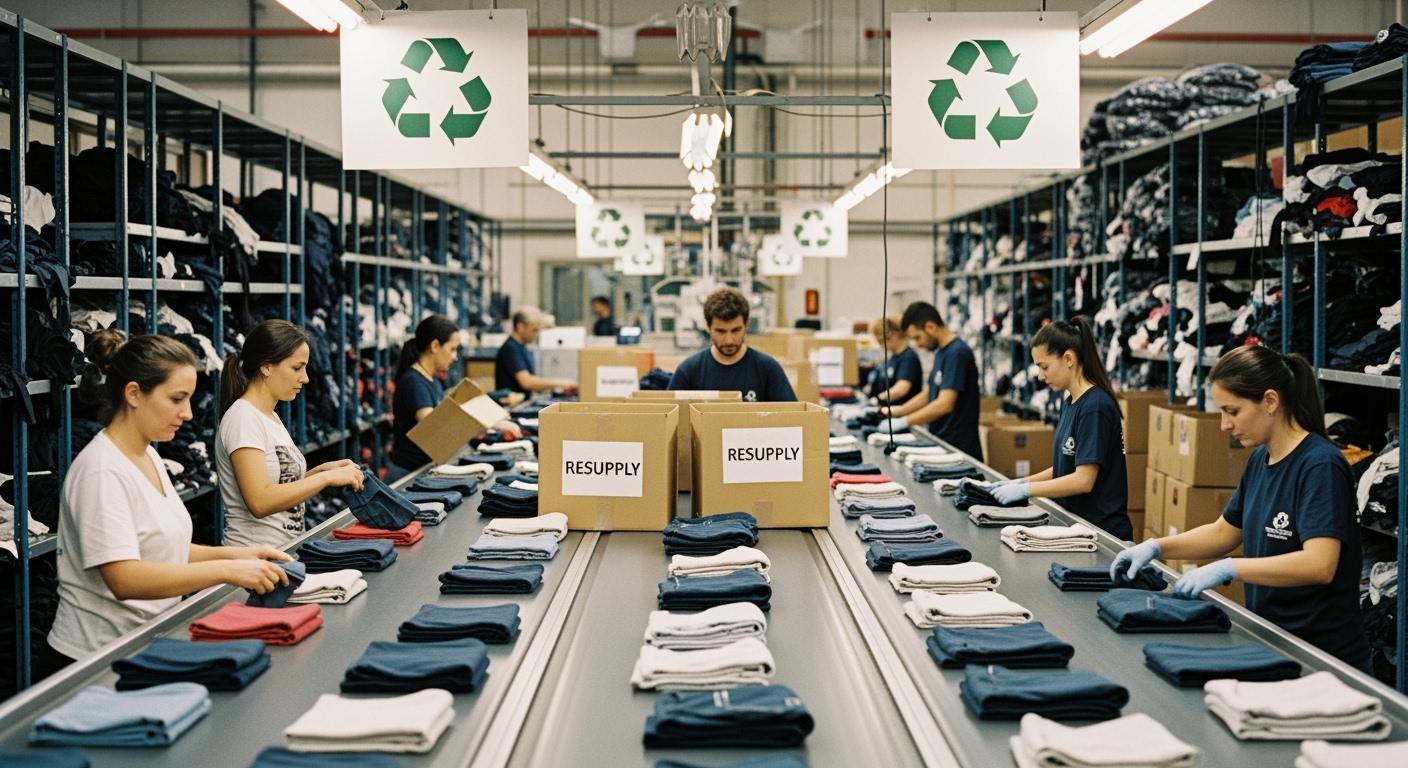
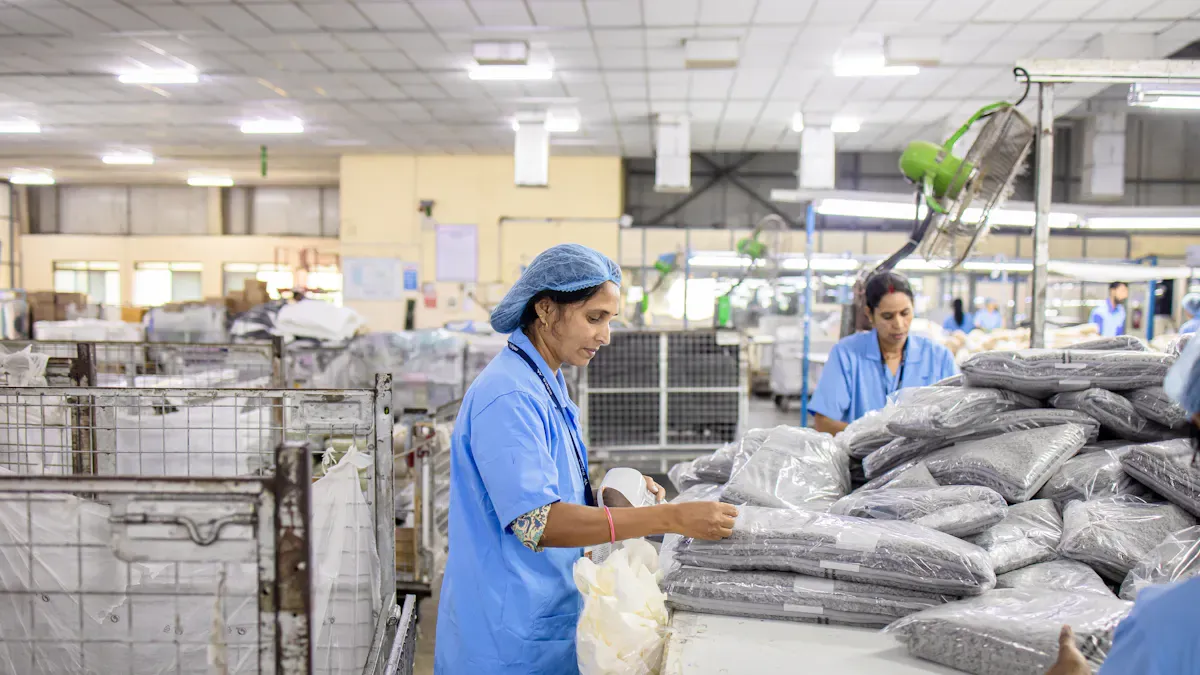
You help the circular economy when you support these factories. They keep clothes in use and out of landfills. Factories collect, sort, fix, and send out pre-owned clothing. You can see how each step works in the table below:
Process | Description |
|---|---|
Collection | Items come from customers, often through return merchandise authorization (RMA). |
Sorting | Items are checked and graded by their condition, like sellable, refurbished, or damaged. |
Refurbishing | Lightly used items may go to a refurbishment area or get tagged as open-box for resale. |
Redistribution | Good items go back to inventory, while unsellable items are scrapped or liquidated. |
When you buy pre-owned clothing, you help give clothes another chance. Factories clean, fix, and check each item to meet quality standards. This helps fashion stay green and protects the planet.
Role in Secondhand Clothing Market
These factories make the second-hand clothing market better. They use smart technology, like AI-powered sorting, to work faster and more accurately. For example, AI can sort thousands of items each hour with over 95% accuracy. This means you get better quality and more choices when you buy second-hand clothes.
Sorting factories make sure only the best pre-owned items reach you.
They use smart tools for sorting, pricing, and listing, which helps move second-hand clothing quickly.
These factories help you reuse clothing, which supports sustainability and eco-friendly habits.
When you pick pre-owned and second-hand clothing, you help fashion and the planet stay healthy.
Sustainable Fashion Impact
Extending Garment Lifecycles
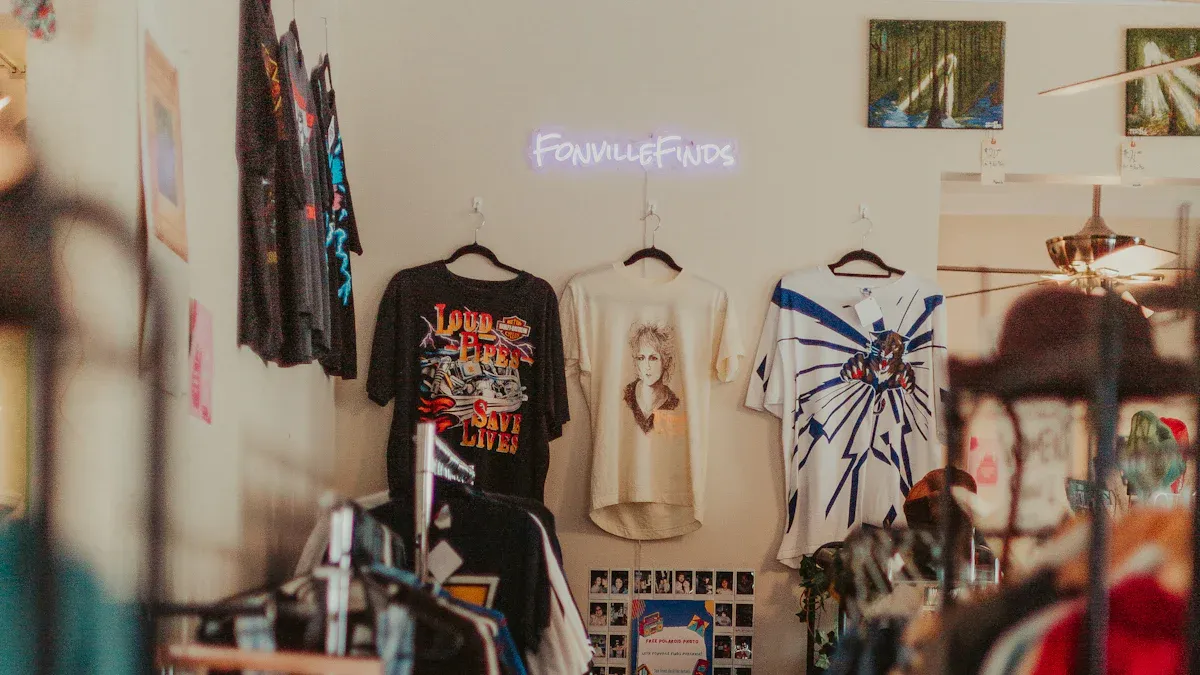
When you pick pre-owned clothing, you help the planet. Pre-owned clothing resupply factories make clothes last longer. They collect, clean, and fix used clothes. You get to wear clothes that have been used before. These factories use special programs to keep clothes in use. This helps the circular economy. You can see how these programs work in the table below:
Initiative | Description |
|---|---|
Used Gear Program | Promotes resale of used items, extending their lifecycle and reducing waste. |
Rentals | Offers rental options for infrequently used gear, encouraging longer use of existing products. |
Member Trade-in Program | Allows members to trade in gently used items for gift cards, facilitating the reuse of clothing. |
Pop-up Stores | Tests the market for selling only secondhand items, aiming to increase the availability of used gear. |
When you join these programs, you help cut down on textile waste. You also help stop clothes from going to landfills. You support upcycling and make better choices by reusing clothes.
Reducing Textile Waste
Buying pre-owned clothing helps lower textile waste. Factories sort and fix clothes so they can be used again. You help the planet by keeping clothes in use. You also help lower pollution when you pick secondhand clothing. You help the second-hand market grow and support green habits.
When less clothing is thrown away, it helps the earth. You help brands focus on using old clothes in new ways. You make a difference by picking second-hand clothing.
Shifting Consumer Behavior
When you buy pre-owned clothing, you change how people shop. You show others that sustainable fashion is important. You help the second-hand market grow. You can see how pre-owned clothing resupply factories change shopping habits in the list below:
More young people want secondhand clothing because it matches their values.
Secondhand items cost less, so they are good for people who want to save money.
Programs like REI’s Re/Supply make it easier for new customers to try outdoor activities with cheaper gear.
You help fashion become greener and better for the planet. You support good habits and help lower pollution. You make a good change by picking pre-owned clothing.
Tip: You can help the planet and support green fashion by choosing pre-owned clothing and telling your friends to do it too.
Environmental, Economic, and Social Benefits
Environmental Advantages
You help the earth when you pick pre-owned clothing. When you donate or buy used clothes, you keep them out of landfills. This helps lower methane gas, which is bad for the air. In 2021, the US made 3.7 million metric tons of methane. That is like taking 66 million cars off the road. Making new things uses a lot of water and energy. For example:
Donating clothes instead of throwing them away keeps landfills cleaner.
Making new items uses more water than you might guess. It takes three times more water to make a plastic bottle than it can hold.
If half of all packaging in the EU was reusable by 2030, it could save 3.7 million tonnes of CO2, 10 billion cubic meters of water, and 28 million tonnes of waste each year.
Pre-owned clothing resupply factories help the fashion industry pollute less. They keep clothes in use, so there is less waste and less need for new stuff. You help the planet and make better choices for the future.
Economic Opportunities
You help people get jobs when you buy secondhand clothes. Pre-owned clothing resupply factories need workers to collect, sort, and fix clothes. These jobs help people in your town. You also save money because used clothes cost less than new ones. Many families can buy better clothes because prices are lower. When you reuse clothes, you help the economy grow in a good way.
Social Contributions
You help others when you support the circular economy. Pre-owned clothing resupply factories work with charities and community groups. They give clothes to people who need them and help fight poverty. You also teach others about being green and making smart choices. When you pick sustainable fashion, you show your friends and family how to help too. Your choices make the world kinder and greener.
Challenges and Future of Pre-Owned Clothing
Quality and Logistics
Pre-owned clothing resupply factories have many problems with quality and moving clothes. They need to move lots of clothes fast and keep them in good shape. You can look at the table below to see some main problems:
Challenge | Description |
|---|---|
Companies spend a lot on shipping, which hurts profits. | |
Uncertain Delivery Dates | Not knowing when things will come makes planning hard. |
Unpredictable Lead Times | Changes in delivery times can cause too much or too little stock. |
Inefficiencies in Shipping | Bad shipping can slow things down and cost more money. |
Information Vacuums | Not knowing where things are can slow down making and sending clothes. |
Surges in Deliveries | Too many deliveries at once can make the system too busy. |
Processing Returns | Slow returns can mean lost sales and wrong inventory numbers. |
Supplier Reliability | It is hard but important to find good suppliers. |
Balancing Supply and Demand | Changes in what people want make it hard to manage stock. |
Factories use different steps to keep clothes good:
Suppliers send samples so workers can check quality first.
Workers look at big orders to find problems early.
Each item gets checked by hand to keep quality high.
Factories sort clothes by how good they are and take out bad ones.
Clear grading systems help everyone know what to expect.
Consumer Perception
People sometimes worry about pre-owned clothing. Many are scared about cleanliness, so they do not buy. Companies use strong cleaning rules to help you feel safe. They talk about cleaning in their ads a lot.
Other things people think about are:
Many care more about easy shopping than the environment.
Some do not know how fast fashion hurts the earth.
People worry about quality and hidden problems in used clothes.
The brand is important. Famous brands and luxury items are liked more.
To help you trust secondhand clothes, factories focus on real brands and easy shopping. They make it simple for you to buy pre-owned clothes and feel happy about your choice.
Tip: You can help people like secondhand clothes by telling your friends about your good experiences.
Innovations in Sustainability
New technology is helping pre-owned clothing resupply factories a lot. Additive manufacturing helps cut waste and lowers CO2. This technology uses less material and makes fixing clothes easier, so they last longer. You help the planet when you support these changes. Factories also use smart tools to track and sort clothes, which saves time and energy. The future of fashion needs these new ideas to stay green and work well.
When you pick pre-owned clothing, you help the circular economy. These factories help fashion stay green and cut down on waste. You help people get jobs and support your community. New inventions will make secondhand clothes even better. Try wearing secondhand clothes and tell others what you think. You can help make the future cleaner.
Tip: What you choose today helps build a better world tomorrow.
FAQ
What happens to clothes that cannot be resold?
You help stop waste. Factories recycle or use these clothes in new ways. They turn them into cleaning cloths, insulation, or other things.
How do you know pre-owned clothes are clean and safe?
You get clothes that go through strong cleaning steps. Factories wash and check each item before selling it again.
Can you donate your old clothes to these factories?
Yes, you can give your old clothes. Many factories have bins or work with groups in your area to collect used clothing.