
Are you curious about how to get the most out of used clothes? You can use grade sorting techniques to check the quality of each piece. When you understand how to spot different grades, you make smarter choices for your closet, your business, or your craft projects. Sorting clothes by grade helps you find items that look almost new and can sell for higher prices. Indetexx, a trusted name in the used clothing world, cares about both quality and sustainability. Ready to learn how to sort clothes like a pro? Let’s dive in!
Key Takeaways
Learn about clothing grades. Grade A looks almost new. Grade B has some signs of use. Grade C has clear problems. Knowing these helps you pick better clothes.
Sort clothes in a smart way. Use bins to group items by type and condition. This keeps your clothes neat. It also makes sorting quicker.
Check each item closely. Look for stains and tears. Check the overall quality. Write down what you find. This helps you get better at sorting.
Pick what fits your needs. Grade A is good for wearing or selling right away. Grade B is good if you want to save money. Grade C works well for craft projects.
Shop with care. Visit thrift stores and online shops for graded clothes. Find trusted sellers like Indetexx if you want to buy in bulk.
What Are Grade Sorting Techniques
Definition and Purpose
You might wonder what grade sorting techniques actually mean. These are simple methods you use to check and organize used clothes based on their quality and condition. When you sort clothes, you look for things like how new they look, if they have stains, or if they show signs of wear. This helps you decide which clothes are almost new, which ones are still good, and which ones need a little love.
Take a look at this table to see how most people in the secondhand clothing world sort clothes:
Grade | Description |
|---|---|
A | Excellent/Like New: Items in almost new condition with minimal signs of wear. |
B | Good/Very Good: Items with moderate signs of wear but still in good condition. |
C | Fair: Clothing with noticeable wear, fading, or defects. |
D | Poor: Items in poor condition with significant wear, stains, or tears. |
You use these grades to make sorting faster and more accurate. This way, you know exactly what you have and what you can do with each piece.
Why Grade Sorting Matters
You might ask, “Why should I bother with sorting?” Grade sorting techniques make your life easier in many ways. Here’s how:
You keep your inventory neat by sorting clothes by type, season, and material.
You can quickly spot which items are worth more and which ones are better for upcycling or donation.
You help reduce waste because you find new uses for clothes that aren’t perfect.
You make buyers happy by offering clothes that match their needs and expectations.
Sorting also helps businesses like Indetexx work faster and smarter. Some companies even use smart machines that can spot different materials in just a few seconds. This means less time wasted and more clothes saved from landfills.
When you understand used clothing grades, you can make better choices whether you want to wear, sell, or recycle your finds.
Understanding Used Clothing Grades
You want to know how to spot the best pieces when sorting used clothes. Let’s break down the most common signs of each grade so you can make smart choices.
Grade A: Features and Visual Cues
Grade A is the top tier in used clothing grades. These clothes look almost new. You can wear them right away or sell them for a good price. Here’s what you should look for:
Description | |
|---|---|
Condition | Shows no apparent signs of wear, minimal defects are acceptable. |
Fashionability | Should be in style and from recognizable brands. |
Rewearable State | Must be in a near-perfect rewearable state, with very small marks easily removable. |
You might notice that Grade A items have little to no flaws. Sometimes, you see a tiny stain or a small tear, but it doesn’t affect how the item looks or feels. These pieces are perfect for anyone who wants quality without paying full price.
Tip: If you find a shirt that looks fresh, has no fading, and feels soft, you probably have a Grade A item.
Grade B: Features and Visual Cues
Grade B clothes are still good, but you can see some wear. They work well for resale or upcycling. Here’s a quick guide:
Description | |
|---|---|
Visible signs | Bobbling, fading, small marks |
Minor defects | Small tears, missing buttons |
Suitability | Rewearable, suitable for resale and upcycling |
When you compare Grade B to Grade A, you’ll spot more visible stains or fabric wear. Sometimes, you see repairs or damages that are hard to fix. These clothes are still useful, but they may need a little extra care.
Grade | Visual Cues |
|---|---|
A | Little to no flaws; minor stains or fabric tearing that do not affect appeal |
B | Visible stains or fabric wear; often due to irreparable damages or repairs |
Note: If you see a pair of jeans with faded knees or a missing button, you’re likely looking at Grade B.
Other Grades: C, Vintage, Premium
Grade C clothing shows heavy use. You’ll find big stains, holes, or broken zippers. These pieces are great for recycling or upcycling. Designers love Grade C for creative projects because they can turn old fabric into something new.
Vintage clothes have a special charm. They might show some wear, but collectors and fashion lovers want them for their unique style. Premium used clothing is usually Grade A. These items look excellent and are ready for resale.
You can use these tips to sort your clothes and find the right grade for your needs. When you understand used clothing grades, you make better choices for your closet, your business, or your next DIY project.
Grade Comparison
Condition Differences
When you sort used clothes, you notice big differences in their condition. Grade A clothes look almost new. You see no stains or tears. Grade B items show some wear. You might spot faded colors or small marks. Grade C pieces have bigger problems. You find holes, heavy stains, or broken zippers. Here’s a quick table to help you compare:
Grade | Condition Description | Usability Implications |
|---|---|---|
A | Minimal wear, no visible flaws, clean and intact | Ideal for high-quality resale, special events, or collectors |
B | Visible signs of wear, minor imperfections | Good for buyers who want affordable vintage items needing repairs |
C | Noticeable wear, larger imperfections | Best for upcycling or restoration projects, needs repair work |
Tip: If you want clothes that look fresh and ready to wear, stick with Grade A. If you enjoy fixing or customizing clothes, Grade C gives you lots of options.
Price Differences
You probably wonder how much each grade costs. Grade A clothes cost the most because they look almost new. Grade B is cheaper, and Grade C is the most affordable. Take a look at this price comparison:
Grade | Price per lb | Total Price for 20 ft (22,000 lbs) | Total Price for 40 ft (44,000 lbs) |
|---|---|---|---|
A | $18,260.00 | $34,760.00 | |
B | $0.61 | $13,420.00 | $24,200.00 |
C | $0.39 | $8,580.00 | $14,520.00 |
You save money when you buy lower grades, but you may need to spend time fixing them. Grade A is perfect if you want to resell or wear right away.
Typical Uses
Each grade works best for different needs. Grade A is great for premium vintage shops or collectors. Grade B fits well in thrift stores. People love the charm of lived-in items. Grade C is popular with designers and brands. They use these pieces for upcycling and creative projects. Here’s a table to show you the typical uses:
Grade | Description | Typical Uses |
|---|---|---|
A | Excellent condition, clean | Premium vintage shops, immediate resale |
B | Visible signs of wear | Thrift stores, lived-in style |
C | Pronounced defects | Upcycling, customization, second life projects |
Note: You can choose the grade that matches your goals. Whether you want to wear, sell, or create something new, there’s a grade for you.
Step-by-Step Grade Sorting Techniques
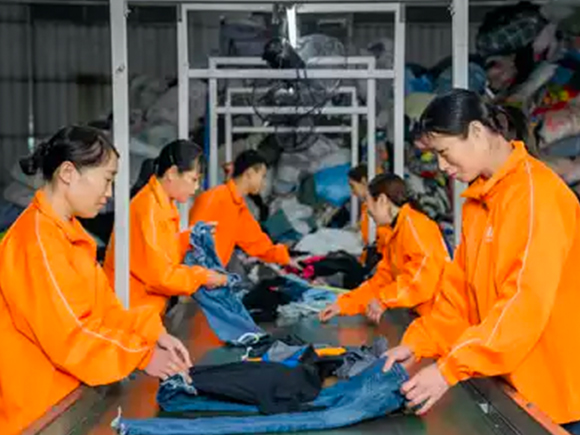
Sorting used clothes may seem hard at first. You can make it easier by following simple steps. Grade sorting techniques help you get better results. They work for personal use or for a business. Let’s go through each step together.
Preparing Clothes for Sorting
Get your clothes ready before you start sorting. Make sure everything is clean and easy to handle. Wash and dry all the clothes first. Check pockets and take out anything inside. Lay each item flat so you can see it well.
Indetexx suggests sorting clothes by type, like T-shirts or jeans. Use bins with different colors to keep things tidy. This helps you see patterns and sort faster. Here’s a table showing Indetexx’s two-stage sorting process:
Step | Description |
|---|---|
First-stage sorting | Items are categorized into basic groups such as Outerwear, T-shirts, etc. |
Fine sorting | Each item is graded based on strict quality criteria by trained professionals. |
Start with basic groups to focus on one type at a time. After that, look closely at each piece and choose its grade.
Tip: Sorting clothes in batches saves time and keeps types separate.
Manual Inspection Tips
Now check each item carefully. Use grade sorting techniques to find the best pieces. Here are some tips for inspecting clothes:
Tip | Description |
|---|---|
Sort by defect type and severity | This helps maintain quality and efficiency during inspections. |
Use visual inspection | Ensures garments meet design specifications and are free from visible defects. |
Conduct functionality testing | Checks zippers, buttons, and other features for proper operation. |
Document inspection results | Maintains traceability and supports continuous improvement. |
Invest in staff training | Reduces error rates and improves overall quality. |
Look for stains, tears, or missing buttons. Test zippers and buttons to see if they work. If you find a problem, decide if it is small or big. Write down what you find to keep track and get better at sorting.
Note: Training yourself or your team to spot problems quickly helps you sort more accurately and keep your clothes in good shape.
Sorting by Condition and Style
After checking each item, sort by condition and style. This step helps you match clothes to the right grade. It makes sorting more exact. Check the fit, style, and overall quality. Trendy clothes that fit well usually get a higher grade.
Here’s a table that shows what to look for:
Aspect | Explanation |
|---|---|
Garments are evaluated based on fit, style, and quality, which are crucial for accurate grading. | |
Fit Maintenance | The graded pattern must ensure that fit and style are consistent across all sizes. |
Measurement Data | Grade rules should be based on data from a representative target market to enhance accuracy. |
Realistic Testing | Patterns must be tested on realistic dress forms to confirm fit across sizes, requiring significant resources. |
Make sure every item matches the style and size your buyers want. Sorting by these rules gives you better results and happier customers.
Indetexx uses grade sorting techniques that check both condition and style. This helps them send high-quality used clothes to many countries. You can use these steps at home or in your business to get the best results.
Callout: Sorting by condition and style helps you find special items and makes sure every piece gets the right grade.
If you follow these steps, you will get good at grade sorting techniques. Your sorting will be faster and more accurate.
Choosing the Right Used Clothing Grade
For Personal Use
You want clothes that fit your style and feel comfortable. When you shop for yourself, look at the condition of each piece. Grade A works best if you want something almost new. Grade B is good if you do not mind a little wear or want to save money. Grade C is perfect if you like to get creative or do small repairs.
Here’s a quick table to help you decide:
Grade | Description |
|---|---|
A | Excellent condition, clean, free of major defects, ideal for immediate resale or wear. |
B | Visible signs of wear, may need minor repairs or cleaning, often found in thrift stores. |
C | Pronounced defects, great for recycling or customization, loved by designers and DIY fans. |
Tip: If you want to wear your clothes right away, pick Grade A. If you enjoy fixing things or want a bargain, try Grade B or C.
For Resale
If you plan to resell used clothes, you need to think about what your buyers want. Grade A and Premium Plus items sell fast because they look almost new. These pieces often come from popular brands and have high resale value. Grade B and Best Value items work well if your customers want affordable options or do not mind small flaws.
Check out this table for a quick guide:
Grade | Description |
|---|---|
Grade A | Near perfect condition, minimal defects, great for high resale value. |
Premium Plus | Excellent condition, includes high street brands, very desirable for resale. |
Best Value | Affordable, more signs of use, may need light repairs, good for budget-conscious resellers. |
Grade B | Good value, shows wear, ideal for car boot sales and upcycling. |
Note: Grade A and Premium Plus bring higher profits. Grade B and Best Value attract bargain hunters.
For Upcycling
Do you love turning old clothes into something new? Upcycling lets you get creative. Grade C items are perfect for this because they often have unique fabrics or patterns. You can use T-shirts, dresses, skirts, jeans, long-sleeved tops, and shirts for your projects.
Here are some great choices for upcycling:
T-shirts
Dresses
Skirts
Jeans
Long-sleeved tops
Shirts
Callout: Grade C gives you endless options for crafts, patchwork, or custom designs. You can save money and help the planet at the same time!
Pros and Cons of Each Grade
Grade A: Advantages and Disadvantages
When you check out Grade A used clothes, they look almost new. These clothes do not have big signs of wear. They feel clean and fresh. Many people like Grade A because you can wear them right away or sell them for more money. Sometimes, you might see a tiny mark or a missing label. These small problems are easy to fix.
Here’s a simple table to show the pros and cons:
Advantages | Disadvantages |
|---|---|
Shows no apparent signs of wear | Not new clothes, may not appear as crisp |
Minimal defects are acceptable | Some labels may be removed |
Near perfect rewearable state | May have very small marks that need removal |
Tip: If you want clothes that look almost new, pick Grade A. You get good style and quality without paying a lot.
Grade B: Advantages and Disadvantages
Grade B clothes are good if you want to save money. These clothes show some wear, like faded colors or small tears. You may need to wash or fix them a little. Many people buy Grade B for thrift stores or cheap shopping. You get a good deal, but you might need to fix small things.
Pros:
Lower price than Grade A
Still wearable and stylish
Great for resale or upcycling
Cons:
Visible signs of wear
May need minor repairs or washing
Not always ready to wear
Note: Grade B is great if you like finding deals or fixing clothes yourself.
Other Grades: Pros and Cons
There are other grades like C, vintage, or premium used clothing. Grade C has bigger problems, but you can use these for fun projects. Vintage and premium items have cool styles that collectors want. You get special looks, but sometimes you need to clean or fix them.
Grade | Condition Description | Ideal For |
|---|---|---|
A | Minimal wear, no visible flaws, clean and intact | High-quality vintage clothing for resale or collectors |
B | Visible signs of wear, minor imperfections, clean | Affordable vintage items needing minor repairs |
C | Noticeable wear, larger imperfections, needs cleaning | Upcycling or creative restoration projects |
Callout: If you want to make crafts or save money, Grade C is great for upcycling. Vintage and premium grades help you find rare styles and special pieces.
Where to Buy Graded Used Clothes
Thrift Stores and Online Marketplaces
You have lots of places to buy graded used clothes. Thrift shopping is cheap and fun. You can find cool clothes and help the earth by buying secondhand. Stores like Plato’s Closet, Savers, and Goodwill let you look at clothes before you buy them. Sometimes you find a special item on the racks.
Shopping online is even easier. You can shop from your couch and pick what you like. Here are some good websites:
Depop: Good for stylish, used clothes and accessories.
ThredUp: Has many types of secondhand clothes for everyone.
StockX: Sells sneakers and streetwear.
Geartrade: Great for outdoor gear and eco-friendly fashion.
Brand-owned Secondhand Programs: Brands like REI, Allbirds, and Levi’s sell their own used things.
Tip: Online thrift stores are very popular now. You can find almost anything, like old jeans or fancy shoes.
Wholesale Used Clothing Suppliers
If you want a lot of clothes, try wholesale suppliers. Buying wholesale is good for stores or big projects. You should check some things before picking a supplier:
Make sure they have the clothes you want.
Pick suppliers with lots of experience and good reviews.
See how they grade and check their used clothing bales.
Look at how they pack and show the clothes.
Make sure the clothes are sorted by type and grade.
You can look up different suppliers and read what others say. Going to their warehouse lets you see how they work and check the quality.
Indetexx’s Global Reach
Indetexx is a top company for high-quality used clothes. You can trust Indetexx to send graded clothes to more than 60 countries. The company helps wholesale buyers in many ways. You get help with advice, sorting, packing, and shipping. Indetexx makes sure you get clothes that fit your needs and style.
Indetexx Services | What You Get |
|---|---|
Expert advice | |
Customizing | Clothes picked for you |
Sorting | Careful grading |
Packaging | Safe and neat bales |
Delivering | Fast and safe shipping |
Indetexx gives you a steady supply of stylish, eco-friendly used clothes. You can trust their skill and worldwide service for your store or yourself.
You now know why grade sorting matters for used clothes. Sorting helps you find quality pieces, keeps clothes clean, and builds trust with buyers. Indetexx supports you with high-quality, eco-friendly garments that help the planet and boost your business. Try these steps at home or in your shop:
Gather clothes in a bright spot.
Use clear bins and label them.
Sort by condition and style.
When you make smart choices, you help create a better used clothing market for everyone. 🌎
FAQ
How do you know which grade a used clothing item belongs to?
You check for stains, tears, and how new the item looks. Grade A means almost new. Grade B shows some wear. Grade C has bigger problems. Use a simple checklist to help you decide.
Can you sort used clothes at home without special tools?
Yes! You only need good lighting, clean hands, and some bins or boxes. Lay clothes flat, look for damage, and group them by condition. Sorting at home is easy and fun.
Why do prices change between different clothing grades?
Better condition means higher price. Grade A costs more because it looks almost new. Grade B and C are cheaper. You save money if you choose lower grades, but you may need to fix them.
Tip: Always check the grade before you buy. It helps you get the best value!
Where can you buy graded used clothes in bulk?
You can buy from wholesale used clothing suppliers like Indetexx. They offer sorted, high-quality used clothes for stores and big projects. You get reliable supply and expert help with grading and shipping.