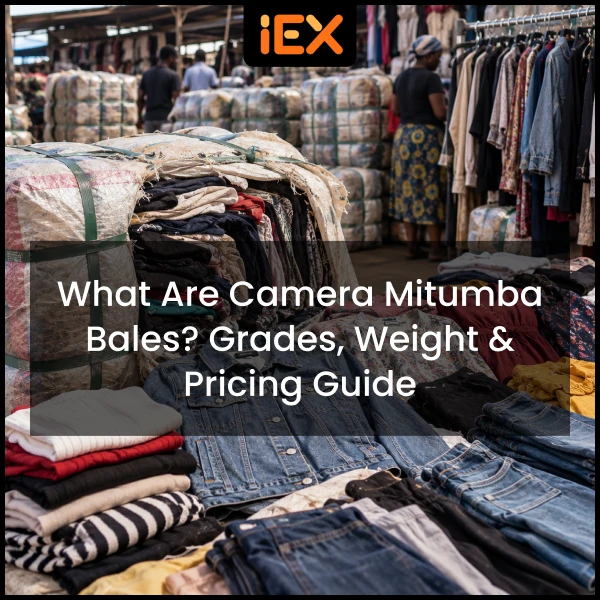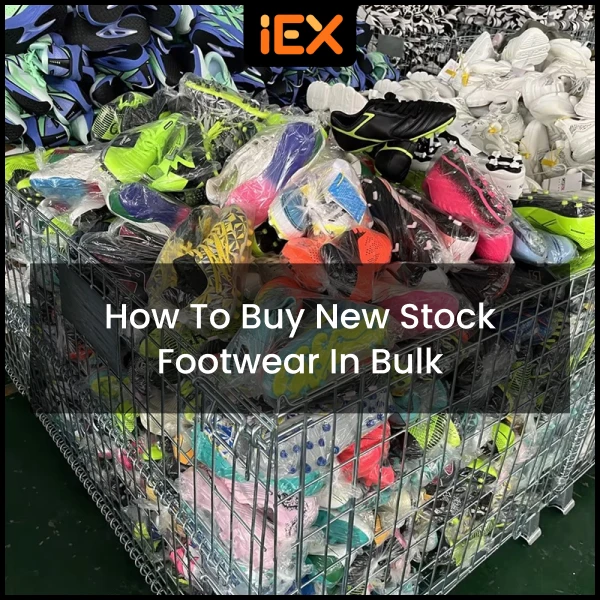

Trust is important in used clothing deals. To build trust, you must be responsible and keep a good reputation. Buyers care about how you treat clothing and how you sell it. A 2023 Deloitte study showed almost half of people stopped buying from brands that were not clear. If you are honest, your reputation gets better and peer-to-peer marketing becomes easier. People talk, share stories, and help others buy more clothing. Good habits in marketing and peer-to-peer exchanges help your reputation. These habits also make buying clothing feel like a group effort.
-
Peer-to-peer marketing helps people feel part of clothing buying.
-
Reputation spreads quickly in the clothing market, so be honest.
Key Takeaways
-
Build trust by telling the truth to your suppliers and buyers. Be open about what you do.
-
Make clear agreements so everyone knows their job. This helps stop confusion.
-
Talk often and share your thoughts. This makes relationships stronger and helps fix problems fast.
-
Share stories and reports about your impact. This helps people feel connected and builds a community.
-
Be reliable by paying on time and doing things the same way each time.
Transparency in Second-Hand Clothing Supply
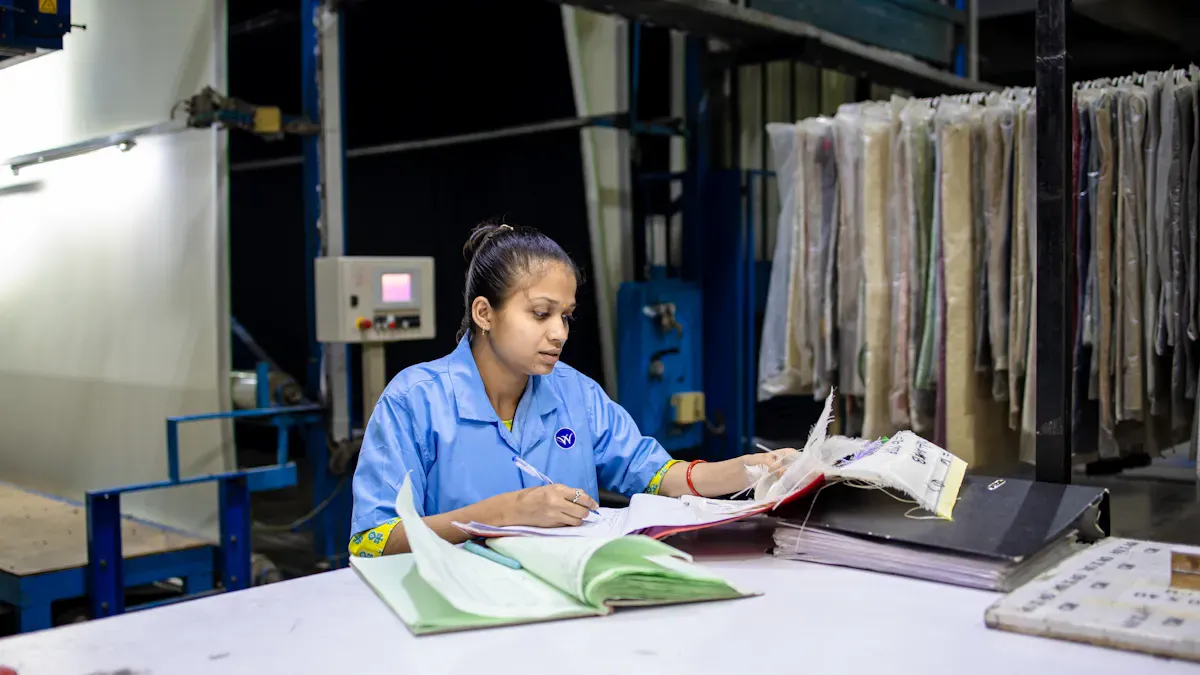
Transparency is very important in second-hand clothing partnerships. It helps people trust each other. You want others to believe you are honest. You need to show your suppliers and buyers that you are open. Sharing information about your supply chain makes everyone feel safe. It helps them make good choices. Let’s see how transparency can help your reputation and make your supply chain better.
Clear Agreements and Documentation
You need clear agreements to run a good business. If you want to stop problems, you must explain everything. Agreements set rules and show who does what. They help everyone know who pays, how delivery works, and what happens if something goes wrong.
Here’s a table with common agreements in the second-hand clothing market:
|
Type of Agreement |
Description |
|---|---|
|
Exclusive Consignment Agreement |
Only one consignee can sell the consignor’s item. This stops others from selling it. |
|
Non-Exclusive Consignment Agreement |
Many consignees can sell the same item. This helps sell items faster and to more people. |
|
Key Components |
Parties, description of goods, consignment terms, payment terms, delivery, pricing, expenses. |
Documentation keeps your supply chain neat and organized. Good paperwork helps you track inventory, payments, and deliveries. Agreements can:
-
Help suppliers and buyers understand each other.
-
Show responsibilities and stop confusion.
-
Set rules for payments and inventory.
-
Build trust and stop fights.
Simple agreements make your supply chain strong. They also help your marketing. You can show buyers and sellers that you care about being open.
Transparency Reports and Metrics
Transparency reports are useful in the second-hand clothing market. They show your impact and prove you are trustworthy. Many big companies share yearly transparency reports. These reports have facts like donations, sorting rates, and impact numbers. You can use these reports to show your good practices and how you manage your supply chain.
Here’s what you should know about transparency reports:
-
In 2019, 35% of brands shared their tier-1 factory lists. This was much higher than 12.5% in 2016.
-
Surveys show people want more transparency. Sharing reports builds trust and credibility.
-
The trend is growing. More companies see how transparency helps stop labor abuses.
Transparency reports help your marketing and peer-to-peer reputation. Sharing impact numbers makes buyers and sellers feel good about their choices. You also make your supply chain stronger and more reliable.
Third-Party Verification
You can’t just say you are transparent. You must prove it. Third-party verification shows your supply chain meets standards. Independent audits give your business trust and protect your reputation. You should work with groups that know about transparency and ethical practices.
Here’s a table of trusted third-party groups in the second-hand clothing market:
|
Organization Name |
Description |
|---|---|
|
Textile Exchange |
Promotes transparency in the textile industry through voluntary disclosures. |
|
Fashion Revolution’s Transparency Index |
Checks and ranks brands based on their transparency. |
|
amfori |
Supports ethical practices among members. |
|
Fair Labor Association |
Works to make labor conditions better in the apparel industry. |
|
Sustainable Apparel Coalition |
Reduces environmental and social impacts of apparel production. |
Third-party audits help check your practices. They help you manage risks, confirm supplier claims, and protect your reputation. You want buyers and sellers to see you keep your promises. Using third-party verification makes your supply chain more trustworthy.
You can also work with groups like amfori, Fair Labor Association, Sustainable Apparel Coalition, Fair Wear Foundation, German Partnership for Sustainable Textiles, and UK Ethical Trading Initiative. These groups help you build trust and show you care about transparency.
Transparency is not just a word. It is a real plan that helps your business grow. It makes your marketing better and builds strong peer-to-peer relationships. When you focus on transparency, your supply chain becomes more reliable and respected. Buyers and sellers feel confident about their choices. Your supply chain works better and your reputation gets stronger.
Build Trust Through Communication
Good communication helps you build trust in the second-hand clothing market. If you want strong partnerships, you need to talk openly and often. You also need to listen and act on what your suppliers say. Let’s look at how you can use communication to make your clothing business better.
Open Dialogue and Real-Time Updates
You should always keep the conversation going with your suppliers. Open dialogue means you share news, updates, and even problems as soon as they happen. In the second-hand clothing market, things change fast. You need tools that help you stay connected. Techpacker is a great tool for real-time updates. It lets you track clothing as it moves through the supply chain. You can see what’s happening and make quick decisions. This helps you avoid delays and keeps your market running smoothly.
Tip: Use real-time tools to keep everyone in the loop. Quick updates help you solve problems before they grow.
Handling Issues and Setting Expectations
Problems can pop up in the second-hand clothing market. You need a plan to handle them. Here are some best practices:
-
Develop a supplier segmentation strategy. Focus on your most important relationships.
-
Use data to improve your supply chain. Track what works and what doesn’t.
-
Build trust by being open and holding yourself accountable.
You can also use tools like quality control software to spot issues early. Here’s a table with more ways to handle problems:
|
Best Practice |
Description |
|---|---|
|
Adopt a Comprehensive QMS |
Automate tracking and reporting for better issue resolution. |
|
Textile Testing and Quality Control |
Make sure clothing meets your standards every time. |
|
Automated Supplier Assessments |
Check supplier performance and catch defects quickly. |
Feedback Loops with Suppliers
Feedback is key in the second-hand clothing market. You should ask your suppliers what they think. Use surveys or interviews to collect their ideas. When you listen and act on feedback, you show you care. This builds trust and keeps your supply chain strong.
-
Collect feedback with surveys or interviews.
-
Study the feedback to find ways to improve.
-
Take action so suppliers know you value their input.
You can also use a supplier relationship management system. This helps you track feedback and plan for the future. When you work together, you make the market better for everyone. Peer-to-peer marketing grows stronger, and your business stands out in the world of second-hand clothing consumption.
Ethical Sourcing and Financial Reliability
Certifications and Responsible Practices
You want your business to be noticed in the market. Ethical sourcing helps you earn trust and keeps your supply chain strong. Using certifications shows buyers and suppliers you care about ethical resale practices. It also shows you care about the social and environmental impact of reused clothing. These certifications prove you follow ethical rules and support sustainability in the circular economy.
Here’s a table with top certifications for reused clothing in the second-hand market:
|
Certification |
Description |
|---|---|
|
GOTS |
A leading certification for textiles made from organic fibers, ensuring environmentally and socially responsible manufacturing processes. |
|
GRS |
Confirms the percentage of recycled content in a textile product, promoting sustainable practices. |
|
OEKO-TEX® |
Ensures textiles are free from harmful substances, providing consumer confidence in safety. |
|
Bluesign® |
Sets stringent environmental and health standards for the textile supply chain, promoting eco-friendliness. |
|
WRAP |
Emphasizes lawful and ethical manufacturing practices, ensuring fair treatment of workers. |
|
Fair Trade |
Ensures fair wages and safe working conditions, promoting equitable partnerships in trade. |
Ethical sourcing builds trust by giving you traceable data about reused clothing. It helps you answer questions about where clothes come from and labor rights. You also stay ahead of rules and make your business stronger. Responsible sourcing keeps your marketing honest and your circular supply chain strong.
Honoring Financial Agreements
You must keep your financial promises in the second-hand clothing market. If you don’t, you can lose trust and hurt your reputation. Paying on time and keeping your word shows suppliers you value their work and reused clothing.
The enforceability of a vendor’s consignment rights is often tested once a customer files for bankruptcy. The vendor’s due diligence, preparation of the proper documentation for execution by the customer, perfection by filing a UCC-1 financing statement and advance notification of the consignment arrangement to existing creditors with a blanket inventory lien, as well as prompt actions the vendor should take to enforce its consignment rights following the filing of its customer’s bankruptcy case, will often determine the extent of the consignor’s recovery.
Financial reliability supports ethical resale practices and keeps your circular supply chain moving. It also helps your marketing and peer-to-peer relationships grow.
Community Engagement
You can build trust in the second-hand clothing market by working with your community. Community Clothing initiatives connect with local resources and skills. They help people show their identity and self-expression. These initiatives focus on sustainability, teaching consumers about eco-friendly practices. They help people make smart choices. They encourage community participation through clothing swaps, repair workshops, and recycling events. This builds trust and shared values.
Social responsibility makes your reputation better in the second-hand clothing market. You promote reused clothing and help the environment. You support the circular economy. Your marketing gets stronger, and your business stands out for ethical practices and sustainability. Consumers see your commitment to reused clothing and circular consumption. This makes your supply chain more reliable and respected.
Humanizing Second-Hand Clothing Partnerships
Sharing Stories and Impact
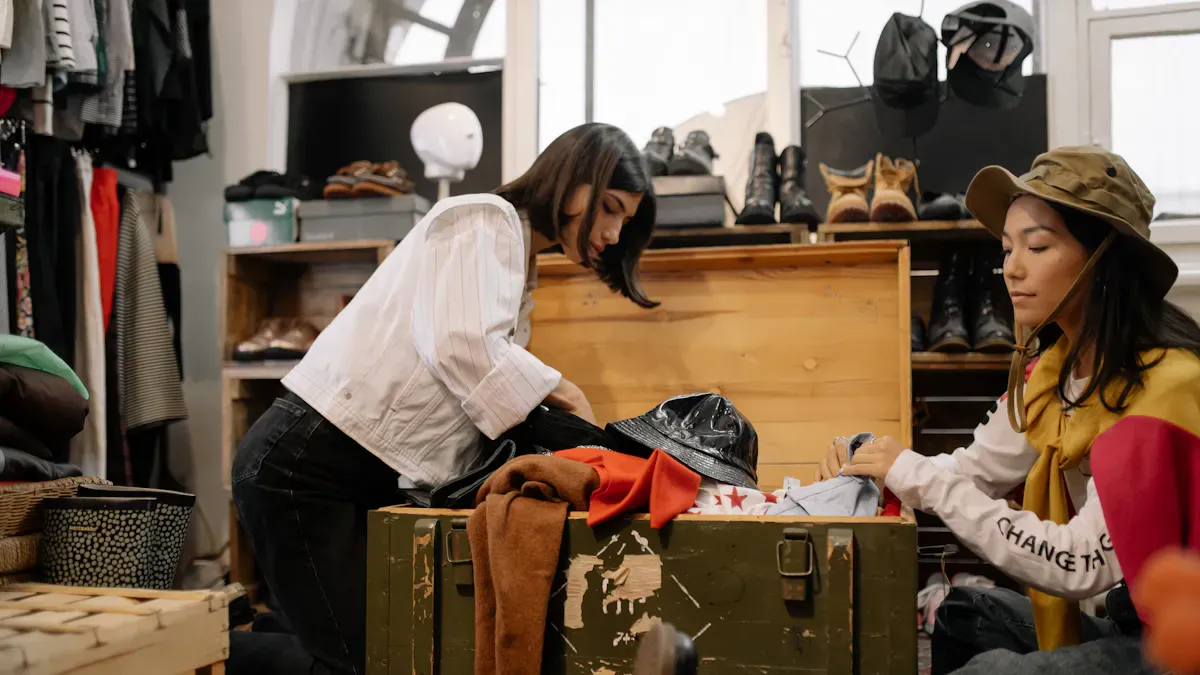
You can make the second-hand clothing market feel friendly by telling stories. When you share real stories about people, others see the human side of clothing. These stories turn the market into a community, not just a business. You show how clothing can change lives. Peer-to-peer exchanges help people trust each other. Adidas used storytelling in their ‘Impossible Is Nothing’ campaign. They shared stories about refugees and creators who faced hard times. This made the market feel more real and close. You can use impact reports to show how second-hand clothing helps the circular economy. These reports show how your marketing cuts waste and supports good choices. When you share stories and results, buyers and suppliers feel proud to join the market.
Tip: Share stories from your suppliers and buyers. Show how second-hand clothing helps their lives. This builds trust and makes your marketing better.
Building Emotional Connection
You build emotional connections by showing respect and care. When you listen to suppliers and customers, they feel important. You can make a community around your brand. Peer-to-peer marketing helps people feel like they belong. You give special experiences that fit what people need. You give back to the community with events and charities. This shows you care about more than just selling clothes. You become a leader by sharing your values and helping the circular economy. Being real and caring about the community helps you earn trust. Suppliers feel close to your brand and want to work with you. You make the market a place where people share, learn, and grow together.
-
Show respect for everyone in the market.
-
Tell stories that touch people’s feelings.
-
Build a community around your brand.
-
Give special experiences to people.
-
Support social responsibility and give back.
-
Lead with your values and help the circular economy.
-
Sponsor events that bring people together.
When you focus on feelings, you make the market stronger. Your marketing feels more real. Peer-to-peer exchanges grow, and your supply chain gets better. You help people see why second-hand clothing is good. You make the market a better place for all.
Best Practices for Supplier Relationships
Consistency and Reliability
You want your business to be noticed in the market. Being consistent and reliable helps you stand out. When you keep promises, people trust you more. You build strong supplier relationships by showing up every time. Here are some ways to stay reliable and consistent:
-
Build partnerships that last a long time. This lets you get better prices and special deals.
-
Set up payment terms that work for both sides. As trust grows, you can offer partial payments or longer credit.
-
Make sure shipping and logistics run smoothly. Use different ways to ship and stick to clear schedules.
-
Focus on sustainability. Suppliers who care about the circular economy want quality and a better future.
-
Keep communication strong. Quick replies and good customer service matter a lot.
When you deliver orders on time, you show you care about your partners. Buyers return to suppliers who always keep their promises. If you keep grading standards steady and use clear product categories, your business becomes more reliable. Professional communication and predictable actions help you earn trust in the second-hand clothing market.
Tip: Consistency means doing things right every time. You must repeat good habits to earn trust in the second-hand clothing market.
Evaluating Suppliers Objectively
You need to pick the right suppliers for your business. Smart choices help you avoid problems and grow in the market. Use these criteria to check if a supplier fits your needs:
|
Criteria |
Description |
|---|---|
|
Operational Capacity |
Can the supplier meet your demand for second-hand clothing? |
|
Market Presence |
Does the supplier have a good reputation in the market? |
|
After-Sales Policies |
Will you get support after you buy second-hand clothing? |
|
Proven Success Cases |
Can the supplier show stories of success in the market? |
|
Digital Content Analysis |
Does the supplier look real and reliable online? |
When you use these steps, you make better choices for your supply chain. You help your business grow in the circular economy. You also build a stronger community in the market.
Conclusion
You have learned how to build trust with used clothing suppliers in the second-hand market. Trust does not happen overnight. You need to show honesty, keep your promises, and stay open with your partners. When you share clear agreements and use real-time updates, you help everyone feel safe. You also make your supply chain stronger.
Second-hand clothing partnerships work best when you listen and act on feedback. You can use transparency reports and third-party checks to show your impact. These steps help you build trust and make your business stand out. You also support the circular economy by making smart choices and showing your values.
Here are some easy steps to remember:
-
Share clear agreements and keep good records.
-
Use real-time tools for updates and quick fixes.
-
Ask for feedback and act on it.
-
Get certifications and follow ethical rules.
-
Pay on time and keep your word.
-
Join community events and help others.
-
Tell stories that show your impact.
Remember: Trust grows when you repeat good habits. You must keep showing your values in every deal.
You can use these best practices to build trust in the second-hand clothing market. You help your suppliers feel safe and respected. You also make buyers proud to join your business. When you focus on honesty and care, you support the circular economy and help the planet.
Take action today. Start using these steps in your second-hand clothing business. You will see stronger partnerships and a better market for everyone.
|
Action Step |
Benefit |
|---|---|
|
Share agreements |
Clear roles and less confusion |
|
Use real-time tools |
Faster problem solving |
|
Join community |
Stronger relationships |
You can build trust with second-hand clothing suppliers by staying open, honest, and reliable. Show your skills and keep your promises. Share updates about your second-hand supply chain and listen to feedback. Meet with your second-hand partners often and thank them for their work. Trust grows when you talk and work together. Second-hand deals need clear rules and open data. Trust in second-hand partnerships is not a one-time thing. It gets stronger every time you act with care.
-
Keep second-hand communication clear and friendly.
-
Use second-hand reports to show your impact.
-
Check in with second-hand suppliers often.
-
Make second-hand contracts easy to understand.
-
Thank your second-hand partners for their help.
-
Ask second-hand suppliers for ideas.
-
Share second-hand stories with your team.
-
Stay honest in every second-hand deal.
-
Build second-hand trust step by step.
-
Help the second-hand market grow with your actions.
Start today. Use these steps to make your second-hand supplier relationships stronger and more trusted.
FAQ
How do you start a relationship with a used clothing supplier?
You can start by reaching out with a friendly message. Share your business goals. Ask about their process. Show interest in their work. Be honest from the beginning.
What documents do you need for a used clothing deal?
You need a clear contract. This should list payment terms, delivery details, and product quality. You can also use invoices and receipts to track each order.
How can you check if a supplier is trustworthy?
Tip: Look for reviews and ask for references. You can also check if they have certifications or work with trusted groups.
Why is feedback important in supplier relationships?
Feedback helps you fix problems fast. You learn what works and what needs to change. When you listen, you show respect and build trust.
Ready to Source Your First Shoe Container?
Indetexx ships Grade A and Grade B used shoe bales to 110+ countries. Every bale ships with documented composition reports, pre-shipment photos, and size distribution data so you can verify grade accuracy before the container sails.
Our 20,000㎡ sorting factory processes 6,000 tons of footwear monthly, ensuring consistent supply for buyers across Africa, Southeast Asia, and Latin America.