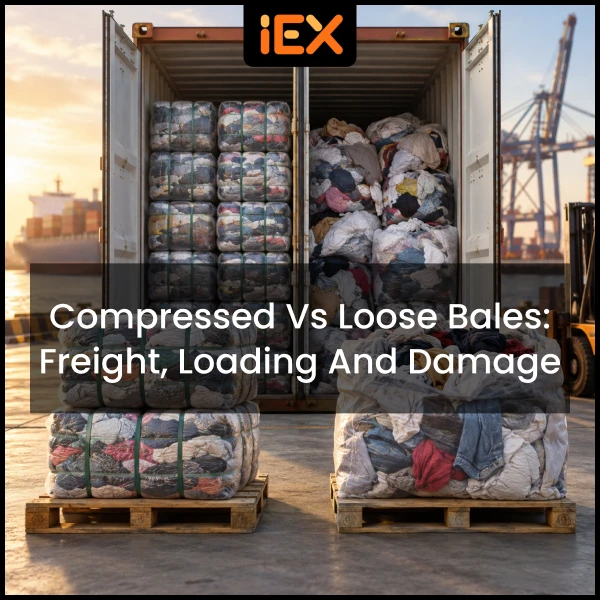
If you are trying to buy second-hand clothes in bulk in Nairobi, the first question is not which supplier to call. It is how you are buying. A handpick at the market, an opened bundle and a sealed bale are three different purchases with three different risk positions, and comparing them as if they were the same offer is how buyers end up with stock they cannot move.
Nairobi does carry genuine bulk clothing supply, and it also carries a large amount of retail-level stock dressed up as wholesale. This guide separates the sources that actually matter for a bulk order, explains what changes if you import a container through Mombasa instead of buying locally, and shows you how to turn a bale price into a number you can compare.
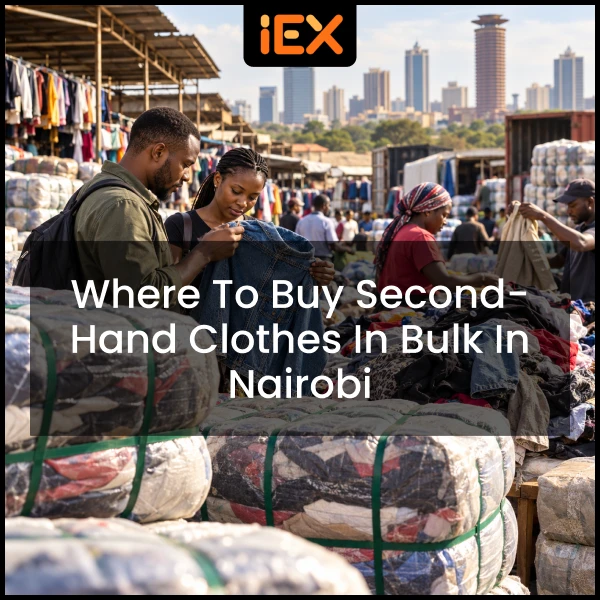
Quick Takeaways
- Decide the purchase route before you decide the supplier: a handpick buys inspection, an opened bundle buys a sample, and a sealed bale buys volume while transferring the sorting risk to you.
- Gikomba is the volume clothing market in Nairobi. Ngara and Toi serve different errands, so treat them as alternatives only when your category and your budget fit what they actually sell.
- Importing a container adds steps that local buying does not have: importer registration and conformity certification before shipping, then duty, VAT and clearance charges, then the Mombasa-to-Nairobi leg.
- Compare cost per sellable item, not price per bale. Two bales at the same price are rarely the same stock, and the gap usually sits in what you have to throw away.
- Kenya’s mitumba policy has been debated repeatedly, including phase-out and levy proposals. Confirm the position actually in force before you commit money to a container.
Start With the Purchase Route, Not a Supplier List
Most Nairobi buying advice is a list of places. That is useful for a shopper and almost useless for a buyer placing a bulk order, because the same market can serve a handpick, a sample purchase and a stock position at very different prices.
Ask yourself what you are actually buying. If you need to see the goods before you commit, you are buying inspection. If you need to test whether a category moves in your shop, you are buying a sample. If you need volume at a workable price, you are buying a stock position and accepting that some of it will not sell. Only the third one is a true bulk purchase, and it is the one that needs written terms.
Handpick When You Need to See the Goods
Handpicking means you or your staff select items from open stock. The price per kilogram is the highest of the three routes, and that is not a seller being unreasonable. You are paying for the right to reject, and you are taking the best items out of the pile before anyone else does.
This route makes sense when the resale price of individual pieces is high enough to carry the cost, or when a category is so specific that a blind purchase would be reckless. It stops making sense when you need volume, because handpicking does not scale. If you are filling a shop or supplying smaller sellers, the labour cost of picking every item will usually erase the margin advantage.
Treat an Opened Bundle as a Sample, Not a Stock Position
An opened bundle sits between the two extremes. You see part of the stock, you get a price closer to the bale rate, and you carry some uncertainty about the rest.
The mistake here is treating one opened bundle as proof of what the seller’s sealed bales contain. It is a sample of one, from one point in time, from one part of the warehouse. It tells you something about condition and category mix. It does not tell you the composition of the next fifty bales, and no honest seller will claim otherwise. If the sample works, the next step is to agree what the full order will contain in writing before you buy the volume.
Price a Sealed Local Bale as a Written-Term Purchase
A sealed bale is the cheapest route per kilogram and the one with the least visibility. You are buying a described lot, not a confirmed one, so the description is the whole contract.
Before paying, get the answers that decide whether the purchase works: the category, the grade definition in the seller’s own words, the bale weight, how it is packed, whether it is a single-run lot or a sorted one, and what happens if the goods do not match that description. A seller who cannot answer those questions is not selling you a bulk lot. They are selling you a surprise.
What Each Nairobi Source Is Actually For
Nairobi’s second-hand trade is not one market with one purpose. Different locations serve different buyers, and walking into the wrong one wastes a day and usually inflates the price you are quoted.
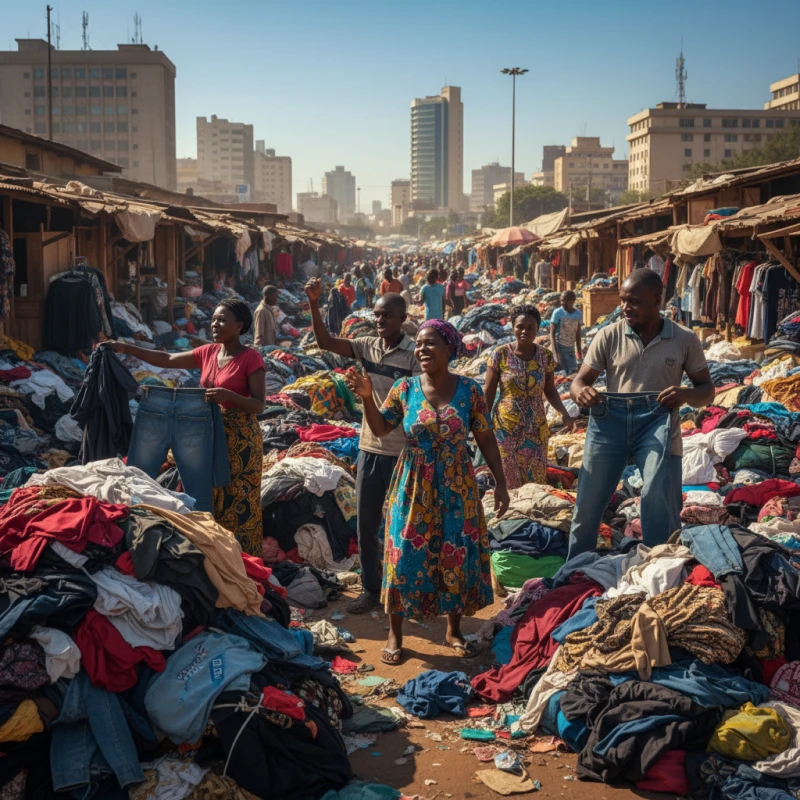
Gikomba Is the Volume Clothing Market
Gikomba is widely described as Kenya’s largest second-hand clothing market, and it is where bulk clothing volume concentrates. For a buyer, that has three practical consequences.
First, competition is real, which means prices move and different stalls carry different stock. Second, the market is dense, so you need to know your category before you go rather than browsing until something looks good. Third, because it is a volume market, it attracts both genuine bale sellers and people re-baling retail-grade stock at wholesale claims. Ask which bales are untouched and which have been opened and re-packed, and treat the answer as part of the price.
Do not assume a fixed trading rhythm. Ask the sellers you work with when new stock is opened and which morning suits your category. Selection narrows through the day in every market of this kind, and the only reliable answer comes from the people trading there.
Ngara and Toi Suit Different Errands
Ngara and Toi are useful for different reasons than Gikomba. They are better suited to targeted errands: checking whether a specific category is available, testing a seller before committing to a larger order, or topping up stock when you cannot wait for a full bale.
If you are buying your first bulk order, they are good places to calibrate your eye on actual Nairobi pricing before you negotiate at volume. If your business depends on container-scale consistency, they are not the place to build your supply from.
City Wholesalers and Social Sellers Are Lead Sources
WhatsApp groups, Instagram accounts and Facebook pages are where a lot of Nairobi stock is advertised now, and they are genuinely useful for one thing: finding out what is in the market this week.
They are not proof of anything else. A photograph shows the best part of a bale. A price quote in a group chat is not a written offer. Treat every social listing as a lead, then apply the same verification you would apply at Gikomba. If a seller cannot show you the lot, or will only discuss it through screenshots, that is a reason to slow down rather than a reason to move fast before someone else does.
Confirm Kenya’s Import Position Before You Order a Container
Buying locally and importing directly are not the same purchase with a different price. A container brings Kenyan requirements that a market purchase never touches, and they arrive before the goods do.
Registration and Conformity Come Before Shipping
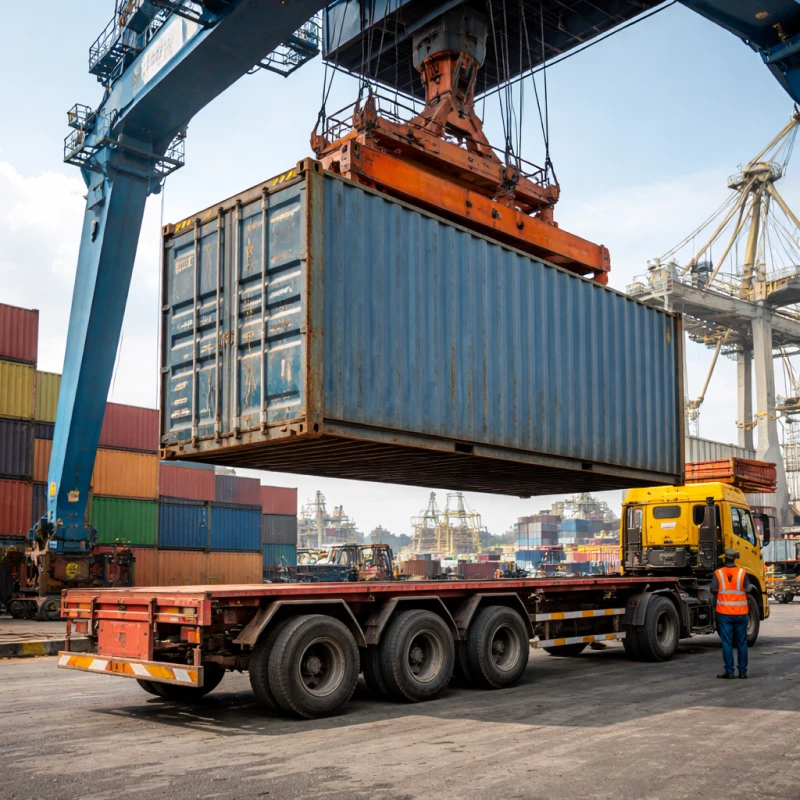
Under Kenya’s published protocols for used textiles and used footwear, importers register with the Kenya Bureau of Standards and the goods are subject to physical examination and certification. In practice this means the conformity document is arranged before shipment, not after the container lands. Arriving without it turns a straightforward clearance into an inspection problem, and the delay costs money whether or not the goods are eventually released.
This is the step local buyers never see, and it is the reason a direct import is not simply “cheaper per kilogram”. Ask your supplier what documentation the shipment will carry and confirm with your own clearing agent what the current process requires.
Duty, VAT and the Valuation Basis Decide the Landed Cost
The second difference is the cost stack. Import duty, VAT, the Import Declaration Form fee and clearance charges apply on top of the goods, and the valuation basis customs uses changes the final number. A quote that only mentions the bale price is not a landed cost.
The site’s Kenya used clothing import duty and landed cost guide works through the full stack, including how a declared value far below the customs benchmark invites a revaluation. Read it before you compare a container quote with a local bale price, because the two numbers are not measuring the same thing.
Mombasa to Nairobi Adds Time and Handling
Finally, the goods do not arrive in Nairobi when the ship arrives in Mombasa. Clearance, inland movement and the final delivery to your storage all sit between the port and your first sale, and each one carries cost and time.
Plan for that gap before you commit. If you are importing to fill a specific selling season, work backwards from the season to the shipping date rather than forwards from the order date. The step-by-step import guide for Kenya covers the clearance sequence in order.
Verify the Seller and the Lot Before You Pay
The seller’s reputation is not evidence about your specific lot. What matters is whether you can see the goods, whether someone clearly owns them, and whether the description is written down.
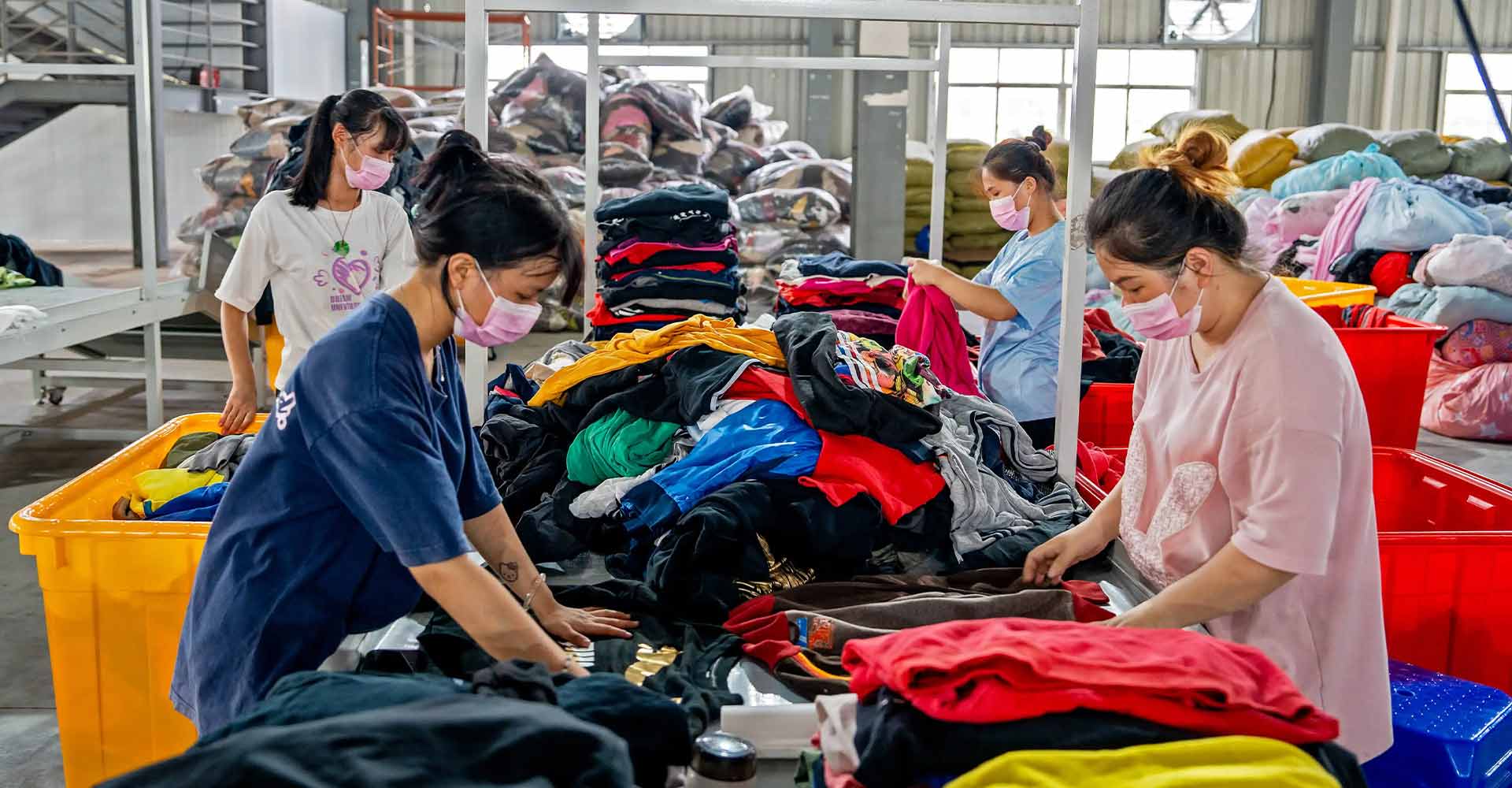
Start with the physical lot. Ask to see the bales you are actually buying rather than a display bale. Check the weight on a scale rather than accepting a stated figure, and look at how the bale is packed, because a bale that has been opened and re-packed at a smaller size is usually a re-sorted lot.
Then put the description in writing. A specification should state the category, the grade definition, the bale weight, the packing, and whether the lot is sorted or single-run. The site’s bale specification sheet shows the fields that make a lot comparable, and the mitumba bales guide explains how grading language differs between suppliers. If a Nairobi seller describes a lot as “Grade A” without a category and a weight basis, you are being given an adjective, not a specification.
Finally, agree the payment order. Paying a deposit before the lot is described in writing is how buyers lose money in every market, not only in Nairobi.
Compare Cost per Sellable Item, Not the Price per Bale
Two sellers quote the same price for a similar bale. One contains wearable stock you can put straight on a rail. The other contains a significant share of items you will remove, and removing costs you time before it costs you stock.

The comparison that matters is cost per sellable item. Take the total you pay, including transport to your storage, and divide it by the number of items you can actually sell. If you have bought from the same category before, you already know your typical discard share. If you have not, buy a small lot first and measure it.
This method also cleans up a common confusion. Local market prices are quoted in shillings per bale or per kilogram, while import quotes are usually per container. Converting both to cost per sellable item is the only way to see which is genuinely cheaper for your shop, and the answer often changes once the freight and the discard share are included.
Match the Bale Category to Nairobi Demand
Grade is not the only variable, and it is often not the most important one. In Nairobi, what moves depends heavily on category and season.
Ladies’ and children’s clothing tends to carry the widest resale reach, which is why those categories dominate the local market. Men’s clothing is narrower but steadier in working districts. School-term periods change demand for children’s sizes, and the long rains change what people are willing to buy and how they dry and store it.
If you are ordering a mixed lot, decide the mix you want rather than accepting a generic description. A supplier who can tell you the categories inside the bale is far more useful than one who only tells you the grade, because the category mix is what your customers actually see.
Record What Arrives and Build the Next Order From It
Most buyers inspect a bale once, form an impression, and then rely on memory the next time they order. That is why the same mistake repeats across seasons.
Keep a simple receiving record for each lot: the date, the seller, the stated category and grade, the weight you measured, the price you paid, the number of items you discarded, and the number you sold at full price. After three or four lots you will know your real discard share by category, and that number is worth more than any seller’s claim about quality.
It also changes how you negotiate. Instead of arguing about grade labels, you can tell a supplier exactly what your last lot produced and ask what would improve it. That conversation is the beginning of a repeat order rather than another one-off purchase.
When a Direct Supplier Quotation Makes Sense
Direct supply becomes worth exploring when three things are true at once: you know your category mix, you can absorb a full container or a shared container, and you are ready to handle the Kenyan import requirements rather than hoping the supplier will.

At that point, a written request gets you a much more useful answer than a general enquiry. Indetexx publishes its bale clothing range and offers 20ft and 40ft container options alongside mixed and category-specific bales, with the grade definition, bale weight and packing confirmed against the order you describe. That is what makes two quotations comparable.
What it does not do is remove the risk. No supplier can promise you a fixed brand ratio, a guaranteed sellable yield or an exact composition in every bale, and any quote that does should be treated with suspicion. The Kenyan import position, the duty stack and the local market remain your side of the decision. What a direct supplier can do is put the specification in writing so that you are buying a described lot instead of an optimistic description.
Frequently Asked Questions
Where is the best place to buy second-hand clothes in bulk in Nairobi?
For volume clothing, Gikomba is the market to work with, and it is where most bulk bale trading in the city concentrates. Ngara and Toi are better for targeted errands and smaller top-up purchases. The right answer still depends on your format: handpick, opened bundle or sealed bale all behave differently in the same market.
How much does a bale of mitumba cost in Nairobi?
Price moves with category, grade, weight and how the bale was sorted, so a single figure would be misleading. Ask for the bale weight, the category and the grade definition in writing, then convert the price into cost per kilogram and finally into cost per sellable item. Two bales at the same price per bale are often not the same value.
Can I import a container of used clothes into Kenya directly?
Yes, subject to Kenyan requirements. Importers of used textiles and used footwear register with the Kenya Bureau of Standards and the goods are examined and certified before shipment, and clearance then carries import duty, VAT and clearance charges. Confirm the current position with your own clearing agent and your supplier’s documentation before you pay.
Should I buy a sealed bale or handpick?
Handpick when the resale value of individual pieces justifies the higher cost per kilogram, or when you cannot risk buying blind. Choose a sealed bale when you need volume at a workable price and you have enough category experience to absorb some unsellable stock. Most Nairobi businesses end up using both, for different parts of their range.
Does Kenya still allow mitumba imports?
No ban was in force at the time this guide was published, but the policy has been debated repeatedly, including phase-out and levy proposals. Treat it as a moving area: check the position currently in force before you commit money to a container, and build timing flexibility into any import plan.
Next Step: Price One Nairobi Order Properly
Before your next purchase, reduce the order to four lines: what category you are buying, what grade definition you will accept, what the bale should weigh and how it should be packed. Then ask two sellers to quote against those lines, and compare the answers per sellable item rather than per bale.
That single change turns a market visit into a purchasing decision, and it is also the fastest way to find out which Nairobi sellers are worth returning to. Use the Kenyan mitumba business guide if you are still working out your route, and keep your receiving records from the first lot onward. The buyers who get consistent stock are rarely the ones who found a secret supplier. They are the ones who measured what their last order actually delivered.