Are you new to the Mitumba (second-hand clothing) business? This guide is tailored for beginners in 2026 who want a practical, granular roadmap—from understanding bale types to sourcing, importing to Kenya, and selling successfully.

1. Understanding Mitumba Bales
1.1 What Is a Mitumba Bale?
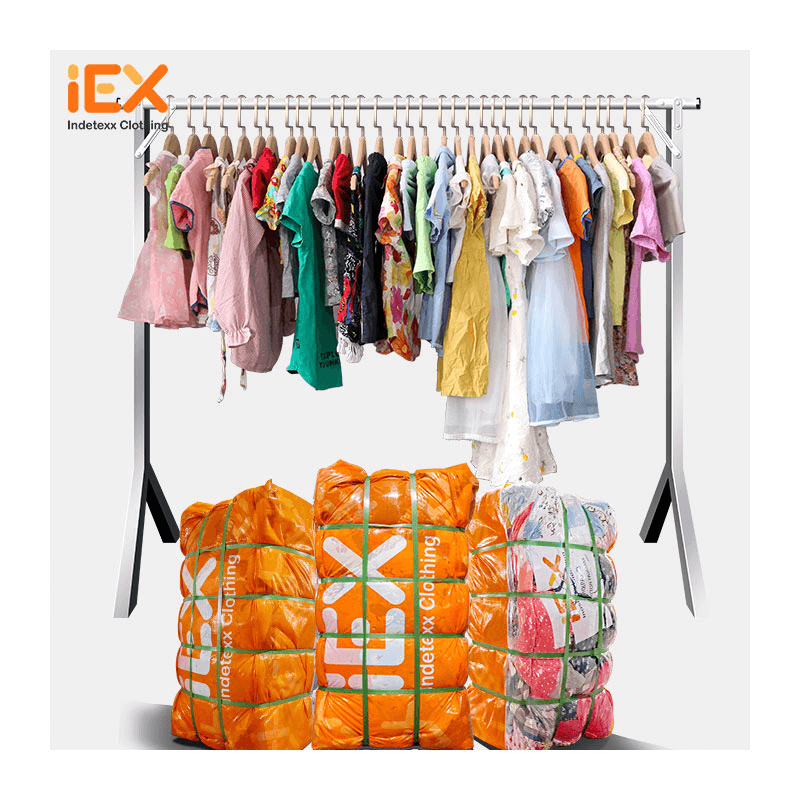
- The word Mitumba originates from Swahili, meaning “bundles”. In the context of business, a Mitumba bale refers to a compressed package of second-hand clothing. Bales are packed at different weights — 45 kg and 100 kg are two familiar units in the East African trade — so the stated net weight on the quotation is the number to work from, not the word “bale”.
Most Mitumba bales originate from developed countries like the UK, Canada, USA, Germany, Australia, South Korea, and China. These clothes come from donations, surplus, unsold store inventory, or lightly used personal wardrobes.
1.2 Why Mitumba?
Mitumba bales are a booming business across Africa, especially in Kenya, Uganda, Tanzania, Nigeria, and Ghana, thanks to these key advantages:
- Affordable fashion for budget-conscious shoppers.
- Faster turnover on the right mix—styles that match local demand move quickly, but what sells depends on your own market rather than on the bale label.
- Low startup cost—you can begin with just 1 or 2 bales from local mitumba bales suppliers.
- Scalable business—expand from hawking to wholesale or even import/export.
- E-commerce friendly—perfect for reselling on social media and online platforms.
2. Types of Mitumba Bales
Mitumba bales are usually sorted by gender, age, product type, and seasonality. Here are the most common types:
Category names alone do not show which stock will turn fastest in a particular place or month. Compare sales channel, climate window, arrival date, grade and sellable-unit economics in our guide to fast-moving mitumba clothes by market and season before finalizing your bale mix.
Three things get mixed up here. A category describes what the stock is; a grade describes the overall condition band of the lot; and “camera” describes the best individual pieces inside it. Bale weight is a fourth, separate choice. The table below separates them so a quotation can be read line by line.
2.1 Camera Mitumba Bales
“Camera” is the Kenyan trade word for the cleanest, most presentable pieces inside a bale — close to new, often branded, and clean enough that a trader would put them straight on display. It describes the best pieces in the lot, not a grade of the bale itself, and no bale is made up entirely of camera pieces. That is why “Grade 1” and “camera bale” are not the same statement.
- ✅ Clean and close to new, with minor marks priced down rather than hidden.
- 👗 Branded and trend-led pieces appear more often here than in lower grades, but no specific brand list is guaranteed inside any bale.
- 💰 A higher price per kilogram, because the value sits in the smaller share of pieces that can go straight to a premium rail.
Because camera is a definition rather than a standard, ask each supplier to state how they define it and what share of the bale is expected to reach it. Our guide to camera mitumba bales explains the first camera, second camera and fagia vocabulary and how to price that share per sellable piece.
2.2 Grade B/C Bales
These are more affordable but may contain items that require cleaning, mending, or repurposing. Still profitable if you’re targeting very low-cost segments.
2.3 Specialized Bales
- Children Mitumba Bales: Include babywear, toddler clothes, school uniforms.
- Mitumba Handbags Bales: Sorted fashion bags and backpacks.
- Mitumba Bras Bales: Includes padded and sports bras.
- Men’s Shirts, Ladies’ Blouses, Denim Pants: Focused categories for niche selling.
2.4 Mitumba Bags Bales
Not clothing but accessories—travel bags, purses, sports bags, and backpacks. Highly profitable for street sellers and shops.
3. Mitumba Bale Sources: Best Countries
3.1 Top Source Countries
A source country tells you about the collecting and sorting system behind a lot, not a guarantee about the bale in front of you. The same country can produce very different bales depending on which collector the stock came from, how it was sorted, and which grade was packed. The table below records what buyers commonly notice by source — treat it as a set of questions to ask, not a ranking.
There is no best source country in the abstract. What decides your result is the sorting system behind the lot: who collected the stock, how the grade was defined, how deep the sort went, and whether you can see a sample or viewing bale from the same batch. A country label is the start of that conversation, not a quality claim.
4. How to Source Mitumba Bales
4.1 Find Reliable Suppliers
- Export Companies:
Like Indetexx, Hissen Global, Kenyan-experts importers. - Search B2B platforms:
Alibaba, GlobalSources, TradeKey. - Trade fairs/expos:
Fashion sourcing events in Dubai or Guangzhou, China. - Referrals:
Connect with experienced Mitumba sellers for vetted contacts.
4.2 Evaluate Suppliers
- Ask for sample photos or videos of sorted bales.
- Request packing labels, grade breakdown, and expiry date (if relevant).
- Confirm bale weight, category names (“Children Winter”, “Men’s Jeans”).
- Go to the factory to inspect the second hand clothing supplier’s strength and the quality of the clothes sorted by the factory
4.3 Negotiation Tips
- Clarify unit weight, grade, source location, packing quality, payment terms, shipping INCOTERMS (FCA, FOB, CIF).
- Ask about LEAD TIMES: time from order to dispatch.
5. How to Sell Mitumba Bales
Selling Mitumba bales effectively requires a clear strategy based on your target customer—whether retail buyers, small-scale traders, or online consumers. Below are practical methods to maximize profit and ensure repeat business.
5.1 Retail Selling (Street or Market-Based)
Setup Locations:
Focus on high-traffic areas with known second-hand markets like:
- Gikomba or Toi Market in Nairobi
- Katwe Market in Kampala
- Kantamanto in Accra
- Local roadside kiosks or mobile stalls
Display Tips:
- Use mannequins, clothing racks, or walls to showcase your best Grade A items—especially branded jeans, dresses, or jackets.
- Keep a “Bargain Corner” or “Mix Bundle Table” for Grade B/C items.
- Example: “5 Men’s Shirts for KES 1,000” or “Children’s Mix – 3 for KES 500.”
- Example: “5 Men’s Shirts for KES 1,000” or “Children’s Mix – 3 for KES 500.”
- Rotate items weekly to keep your stall looking fresh and seasonal.
5.2 Wholesale Distribution
If you aim to supply smaller retailers or market vendors:
- Sell Unopened Bales: Many resellers prefer to buy sealed bales labeled by category (e.g., “Ladies Denim – 45kg”). This saves them time and gives the impression of fairness.
- Offer Tiered Pricing:
- Grade A: Premium price
- Grade B: Discounted rate for bulk purchases
- Grade A: Premium price
- Target markets in peri-urban areas or smaller towns where resale demand is growing.
5.3 Online Selling Strategies
Digital platforms offer excellent reach with low overhead:
Platforms to Use:
- Facebook Marketplace: Post daily with clear photos and local delivery offers
- Instagram Shops: Showcase camera bales or fashion-focused items like dresses or tops
- WhatsApp Groups: Create customer groups or join reseller communities
- Jumia/Kilimall (for Kenya/Nigeria): List items individually or as bundles
Content Tips:
- Always use high-resolution photos with natural lighting
- Add descriptions such as:
“Camera Bale – Ladies Branded T-Shirts – Grade A – Sizes S to XL” - Include clear pricing, pickup/delivery options, and a contact number
5.4 Sorting & Grading for Maximum Profit
Once mitumba bales arrive, open them carefully and sort immediately:
- Label by Category & Grade: Use markers and tags like:
- “Children Winter – Grade A”
- “Men’s Shorts – Grade B – 5 for $8”
- “Children Winter – Grade A”
- Sell by Pieces or Small Bundles:
- Example: 10 premium branded shirts individually at $3–$5 each
- Lower-grade clothing in 3–5 piece bundles for fast movement
- Example: 10 premium branded shirts individually at $3–$5 each
Profit Tip: Selling individually after sorting can yield 2–4x more profit than selling per bale.
5.5 Customer Engagement & Local Marketing
- Demonstrate at the Stall:
- Wear and showcase high-quality pieces live.
- Use mirrors or allow customers to try clothes (if local rules permit).
- Wear and showcase high-quality pieces live.
- Signage Works:
- Post boards like: “Grade A – No Holes, Original Brands”
- Use terms like “UK Sorted,” “Camera Quality,” or “Top Picks.”
- Post boards like: “Grade A – No Holes, Original Brands”
- Use Seasonal Promotions:
- Back to School: Push kids’ wear from December to January
- Rainy Season: Promote jackets and warm wear
- Holidays: Offer bundles as gift sets
- Back to School: Push kids’ wear from December to January
6. Mistakes Beginners Should Avoid
- ❌ Buying containers of unsorted, unverified bales
- ❌ Not requesting photos or videos before shipping order
- ❌ Forgetting required import paperwork → demurrage fees
- ❌ Label mix-up causing customs issues
- ❌ Ignoring market preferences (e.g. summer vs winter clothes)
- ❌ Skipping sorting & grading—leading to customer dissatisfaction
✅ Always start small, test your market, verify supplier and ensure documentation compliance.
7. Pro Tips for Scaling
- Build long-term relationships: repurchasing volume may unlock discounts.
- Use market feedback to influence the next order (e.g. “Blue Denim” sells faster).
- Invest in a small warehouse & sorting table—makes grading easier and raises retail value.
- Consider private labeling or packaging—differentiates you in the market.
- Diversify categories: add handbags, shoes, school uniforms depending on demand.
What Buyers Mean by Mitumba, Mtumba and “Monts Mitumba”
The same trade is searched under several names and spellings: mitumba, mtumba, mitumba bales and, in French-language searches, “monts mitumba”. Whatever wording brings a buyer to this page, the commercial question is the same – which bale type, which specification and which destination market the order is actually for.
Because the wording is loose, a listing that only uses the word mitumba does not tell you the category, the condition boundary, the weight basis or the packing. Ask for those fields in one written specification and compare quotations on that basis. This guide keeps the grading, source-country and selling questions in the sections above.
8. Frequently Asked Questions (FAQs)
Q1: Can I import Mitumba as an individual?
An individual can import second-hand clothing in Kenya where the current rules allow it, and the process runs through a Kenya Revenue Authority (KRA) PIN and an Import Declaration Form (IDF) before the goods ship. Rules and quotas change, so confirm your own position with KRA or a licensed clearing agent before you pay for goods.
Q2: Do I need a KEBS (Kenya Bureau of Standards) inspection for used clothing?
Used clothing imports are subject to inspection and standards requirements that change from time to time, and no exemption can be confirmed for a shipment in advance from a guide. Ask your clearing agent or customs broker to confirm the current KEBS and KRA requirements in writing before the goods ship.
Q3: How many bales fit in a 20-foot container?
There is no fixed number. Usable container volume, bale dimensions, packing density and the container weight limit all change the count, so a figure quoted without those details is only an assumption. Work the number out from the bale dimensions and net weight on your own quotation, and use our guide to how many bales fit in a 40ft container for the method.
Q4: What kind of profit margins can I expect?
Profit depends on your selling price, your discard share and your operating costs, so no bale type carries a fixed margin. Record the share of each bale you actually sell at your normal price, then compare that against what you paid. Markup on the pieces you sell is not the same as profit margin on the bale.
Q5: How quickly can I scale my Mitumba business?
Scale when your own records support it: a repeatable sell-through rate, a clear idea of your discard share, and enough working capital to carry the next order before the current one is fully sold. Order volume should follow that data rather than a fixed number of trial orders.
9. Final Word
Starting a Mitumba business means combining global supply with local knowledge. Source graded bales that match what your own customers buy, confirm each grade definition and net weight in writing, and follow the import rules for your market. Country of origin and a “camera” label on their own do not decide the result.
Your next steps:
- Contact two or three suppliers and ask for a current quotation plus, where available, a sample or viewing bale from the batch you would actually buy.
- Register your business and set up your import process.
- Plan your marketing strategy—focus on your area’s demand.
- Begin selling—learning, adapting, and scaling as you go.
Mitumba bales are more than used clothes—they’re an entrepreneurial opportunity. Start smart, stay organized, and your first few bales could be the foundation of a profitable fashion resale business.
Ready to Source Mitumba Bales?
Tell Indetexx the category, grade definition, bale weight, packing format and destination you are working with. You get current written order details to compare line by line, instead of a general grade label.
- ✓ The category and the condition you are prepared to receive
- ✓ Stated net weight, packing format and the unit that will be counted
- ✓ Current availability and commercial terms for your order
See the current Mitumba bale categories and specifications, or work out a container load with our guide to how many bales fit in a 40ft container.