When you buy Second-Hand Clothing in Bulk, you want to make smart choices. If you skip careful checks, you might end up with piles of clothes you can’t sell. This can lead to unhappy customers, damaged business ties, and too many returns. You need to look at each piece, remove anything damaged, and pick items that fit what your customers want. Good inspection and grading help you keep high standards and build trust.
Key Takeaways
Check each item by hand to find problems early. This helps you keep good quality in your bulk orders.
Sort clothing by how good it looks. Pick Grade A and B items to make customers happy and sell for more money.
Take out broken items before you finish your orders. This keeps your stock good and makes customers trust you.
Pick good suppliers who use clear grading systems. This helps you stay away from bad items and keeps quality the same.
Look at your checking process often and talk with suppliers. This helps you keep high standards and makes customers happy.
Quality Assessment for Second-Hand Clothing in Bulk
Manual Inspection Steps
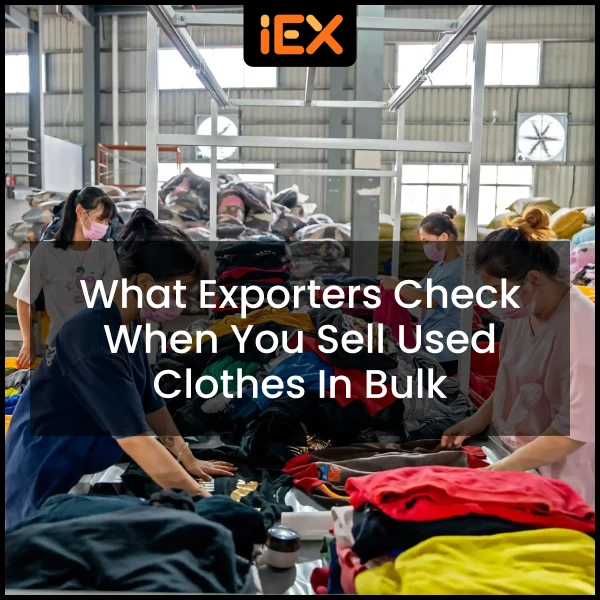
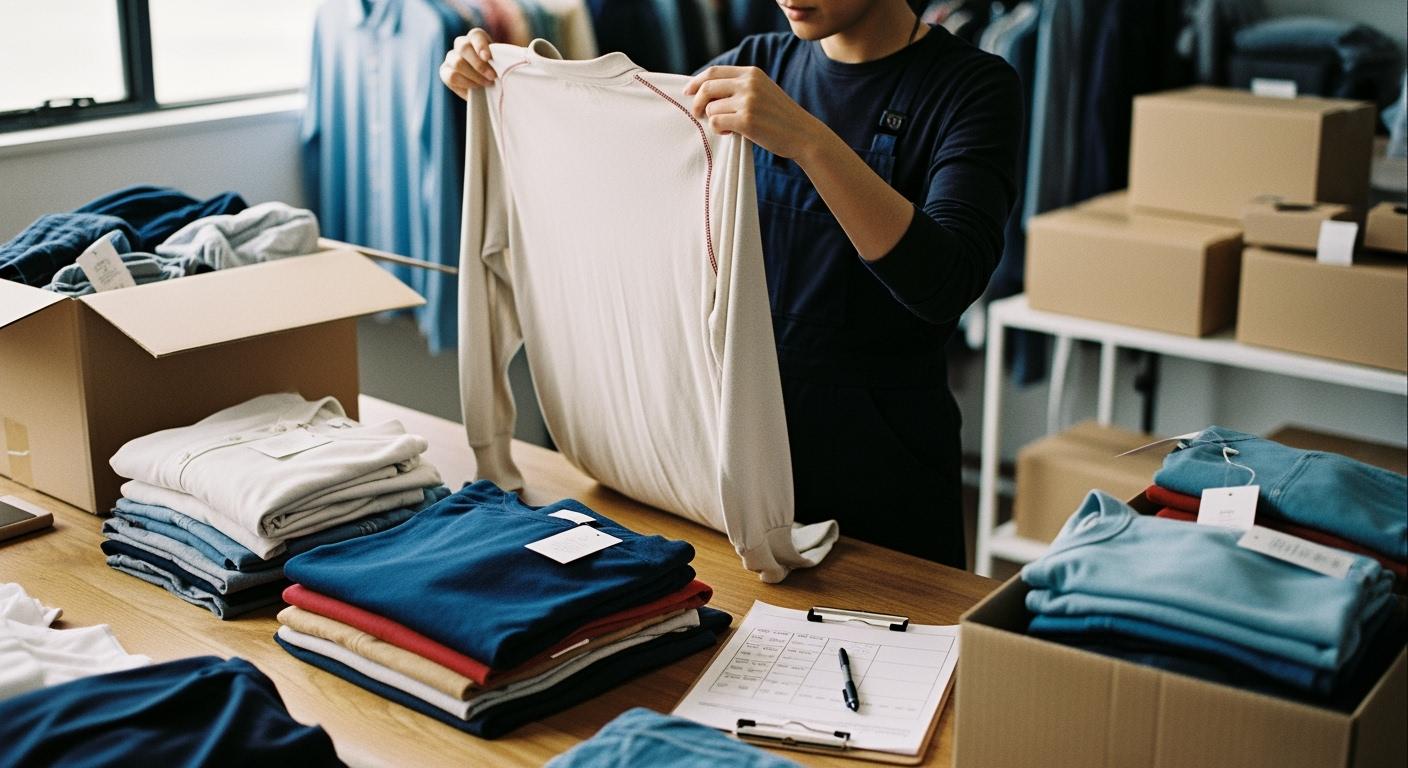
When you get second-hand clothing in bulk, check each item by hand. This helps you find problems early and keep your standards high. Make sure every piece meets your needs for quality secondhand clothing. Here is an easy way to do the inspection:
Sort by Grade and Condition
First, put clothes into groups by their condition. Look at the color, fabric, and how much they have been used.Remove Damaged or Low-Quality Items
Take out anything with color changes, holes, or chemical stains. These items can make your bulk orders worse.Handle Special Items
If you see premium or vintage pieces, check them closely. Make sure they are real and in good shape.
Tip: Use bright lights and a clean table when you inspect. This makes it easier to see stains, wear, and other problems.
You want to find every problem before you add clothes to your stock. Careful checking helps you give your customers quality secondhand clothing.
Grading by Condition and Wear
After checking, you need to grade each item. Grading helps you sort second-hand clothing in bulk and match them to your buyers. Look for things like strong fabric, good color, and nice looks. Here is a quick guide for grading:
Grade | Condition Description | Key Factors Considered |
|---|---|---|
A | Excellent Condition | Very little wear, no big flaws, clean and whole |
B | Good Condition | Some wear, small problems, a little fabric wear |
C | Fair Condition | More wear, bigger problems, may need cleaning or repair |
Most of your bulk orders should be Grade A or Grade B. Grade A means the item looks almost new. Grade B has some wear but still looks nice. Grade C has more wear and may need extra work. Grade your items based on what your customers want. If your buyers want only good items, focus on Grade A and B.
Note: Always look for signs like fading, pilling, and stretching. These can change the grade of the item.
Removing Damaged Items
Take out damaged items before you finish your bulk orders. Damaged clothes can hurt your business and lower the quality of your group. Look for stains, holes, and loose threads. If you see these, put the item aside.
Check every seam, zipper, and button.
Look for chemical stains or bad smells.
Feel the fabric for rough or thin spots.
If an item is not in good shape, do not include it. Taking out bad pieces keeps your second-hand clothing in bulk orders good and steady.
Pro Tip: Keep a bin just for damaged items. You can recycle or give these away instead of selling them.
If you follow these steps, your bulk orders will have only quality secondhand clothing. Careful checking, grading, and removing bad items help you build trust and keep your customers happy.
Key Quality Indicators in Bulk Orders
Fabric and Material Checks
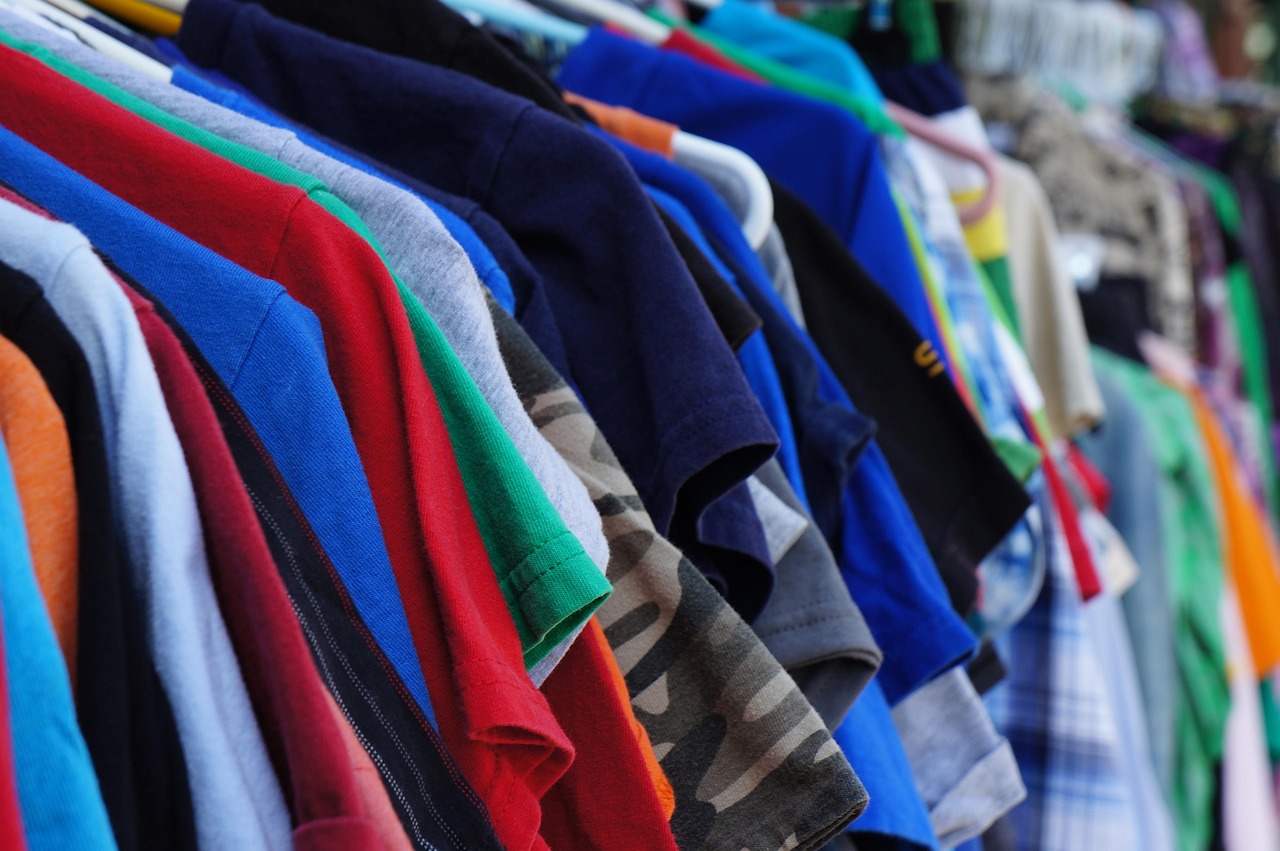
When you start secondhand shopping for bulk orders, fabric and material checks matter most. You want to feel the fabric and look for even weave. Thin spots or loose threads can show poor quality. You should check the weight of the fabric. Heavy fabrics often last longer and show better durability. Always look at the care labels. These labels tell you about fiber composition and blend ratios. Organic cotton, hemp, linen, Tencel, and recycled polyester are great choices. These fabrics keep their shape and quality after many uses. Memory fabric stands out because it hardly creases and bounces back after smoothing. This means your bulk order will look good for a long time.
Tip: Run your fingers over the fabric. If it feels rough or uneven, the quality may not meet your standards.
Seams, Zippers, and Buttons
You need to check seams, zippers, and buttons during your quality checks. Seams should have straight stitching and finished edges. Reinforcement at stress points helps with durability. Zippers must move smoothly and show no rust. Buttons should be secure and not loose. Here’s a quick table to help you spot common defects:
Defect Type | Description |
|---|---|
Seam Slippage | Weak fabric or poor construction can cause seams to slip and lower quality. |
Open Seams | Seams that come apart easily make clothes hard to sell in bulk. |
Zipper Defects | Broken or low-quality zippers reduce the value of secondhand shopping finds. |
Button Defects | Loose or broken buttons can disappoint customers and hurt your bulk order reputation. |
Stains, Holes, and Defects
Stains, holes, and defects can ruin the quality of your bulk order. You need to look for fading, pilling, stretching, and loose threads. If you find stains, try lemon juice or dish soap for cleaning. Soaking overnight in warm water with detergent helps with deep stains. For tough spots, enzyme-based stain removers work well. Always air dry clothes to avoid setting stains. If you see holes or big defects, remove those items from your bulk order. Careful quality checks keep your secondhand shopping experience positive and help you build trust with buyers.
Note: Consistent quality checks make your bulk orders stand out and keep customers coming back.
Grading Systems for Second-Hand Clothing
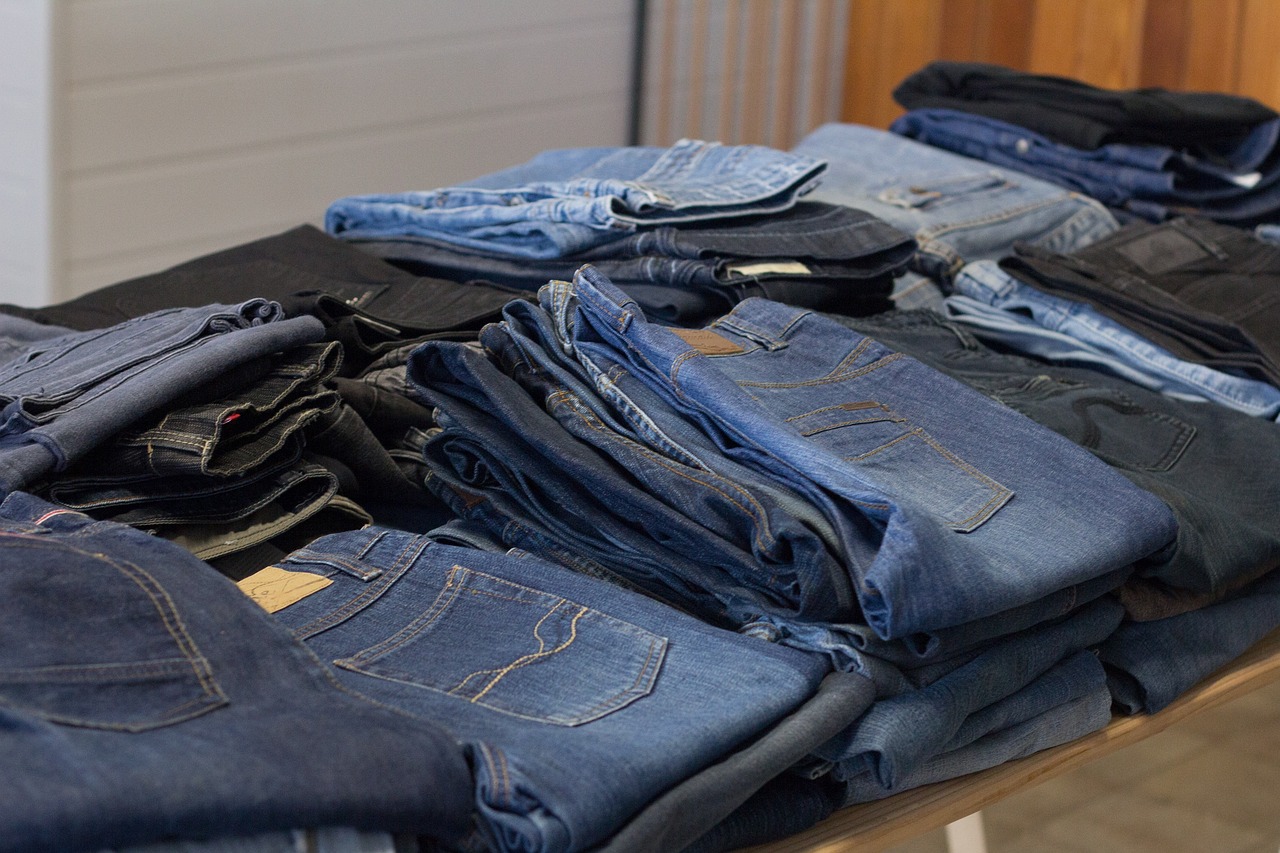
Grade A vs. Grade B Explained
When you sort second-hand clothing, you need to know the difference between grade a stock and grade B. Grade a stock means clothes look almost new. You will not see stains, holes, or heavy wear. These items meet high quality standards and are ready for resale. Grade B shows minor flaws, like small stains or light pilling. These pieces offer good value if you want affordable second-hand clothes.
Here’s a quick table to help you spot the difference:
Grade | Description |
|---|---|
A | Clothes that look almost new, with no stains, holes, or heavy wear, ready for resale and meeting high quality standards. |
B | Items that may show minor flaws like small stains or light pilling, offering good value for affordable second-hand clothes. |
You might see grade a stock with no signs of wear. Grade B can show bobbling, fading, or small marks. If you want premium grade items, always look for grade a stock.
Supplier Transparency in Grading
You need to work with suppliers who use clear grading systems. If a supplier does not explain how they grade clothes, you might get items that do not match your needs. Ask your supplier to show you their grading process. Good suppliers will share photos, grading tables, or sample pieces. This helps you trust their quality and know what to expect.
Here are some common challenges you might face:
Challenge | Description |
|---|---|
Quality control and authentication | You need to check that items match the grade and are real. This keeps your buyers happy. |
Sustainable logistics | You want a supply chain that reduces waste and keeps value in pre-owned clothes. |
Intense competition | Many sellers join the market, so you need to offer better quality and service. |
Tip: Always ask for sample shipments before placing a large order. This helps you check the grading and quality.
Matching Grades to Market Needs
You should match the grade of clothing to your target market. If your customers want high-end fashion, choose grade a stock and premium grade pieces. For budget shoppers, grade B works well. Think about what your buyers want and pick the right grade for them. This keeps your business strong and your customers satisfied.
Note: If you focus on quality, you build trust and get repeat buyers. Always check that the grade matches your market needs.
Supplier Evaluation and Consistency
Vetting Bulk Order Suppliers
You need to find suppliers who care about second-hand clothing. They should give you good quality every time. Ask for samples before you buy a lot. Samples help you see what you will get. You can check if the clothes are good for resale. Ask how they sort and grade high-quality garments. Good suppliers will answer your questions and share details. Look for suppliers with experience in second-hand clothes. They should know about sustainable fashion trends.
Tip: Try to visit supplier warehouses if possible. Seeing their work helps you judge their sourcing and quality.
Red Flags in Second-Hand Clothing Supply
Be careful when picking suppliers for bulk orders. Some suppliers rush and hide problems with second-hand items. You may see poor sorting or mixed grades. Sometimes prices are not clear. These problems can hurt your business. It is hard to keep quality steady. Watch out for these red flags:
Red Flag | What It Means |
|---|---|
No clear grading system | You can’t trust the quality of second-hand stock |
Unwilling to share samples | Supplier may hide defects or low-quality items |
Delayed communication | Hard to solve problems or get updates |
Unclear sourcing methods | You may get unsustainable or mismatched stock |
If you see these problems, find a new supplier. You want a strong network for second-hand clothing and sustainable fashion.
Building Reliable Sourcing Relationships
You can build strong sourcing relationships by being fair and honest. Always pay on time and keep your promises. Share your needs and order details clearly. Talk about prices, delivery times, and quality standards. This helps everyone understand each other. Ethical sourcing is important in second-hand clothing. Pick suppliers who follow fair labor rules and care about sustainable fashion. This way, you get good quality and keep your bulk sourcing strong.
Note: Reliable sourcing gives you high-quality garments and second-hand clothes that fit your market. Good relationships bring better deals and steady supply.
You want your bulk orders to stand out. Careful inspection, smart grading, and choosing the right suppliers help you get there.
Check every item by hand.
Grade clothes to match your market.
Pick suppliers you trust.
Keep reviewing your process and talking with your suppliers. This helps you keep quality high and your customers happy. Success in second-hand clothing comes from strong habits and good relationships.
FAQ
How do you spot high-quality secondhand items in bulk?
You want to check each piece for strong seams, working zippers, and clean fabric. Look for secondhand clothes with no stains or holes. If you see faded colors or rough spots, those might not meet your standards for second-hand clothing.
Can you mix different grades of secondhand clothing in one bulk order?
Yes, you can mix grades. Some buyers want premium secondhand pieces, while others look for budget options. You should sort second-hand clothing by grade before selling. This helps you match your stock to your customers’ needs.
What should you do with damaged secondhand clothes from bulk orders?
You can set aside damaged secondhand items. Try recycling or donating them instead of selling. Removing these pieces keeps your second-hand clothing collection strong. You build trust when you offer only quality secondhand choices.
How often should you inspect your secondhand bulk orders?
You should inspect every bulk order before adding it to your stock. Regular checks help you catch problems early. If you keep your second-hand clothing in good shape, your customers will come back for more secondhand finds.
Why is supplier transparency important for second-hand clothing?
Supplier transparency lets you know how they grade and sort secondhand items. You want clear information about second-hand clothing quality. Honest suppliers help you avoid surprises and keep your secondhand business running smoothly.