Introduction: Why “Cheap” Is Not the Same as “Profitable”
“How do you find cheap wholesale products to resell?” is one of the most common questions asked by new resellers—and one of the most misunderstood.
Many beginners believe success comes from finding the lowest unit price possible. In reality, the most successful wholesalers and importers focus on something very different:
👉 predictable demand, controllable quality, and repeatable supply.
A product that is cheap but:
- sells slowly,
- gets stuck in customs,
- arrives with inconsistent quality, or
- cannot be reordered
will almost always lose money.
This article breaks down how professional resellers actually find cheap wholesale products that sell, using a structured, low-risk approach that works in real markets—not just on paper.
Step 1: Start With Demand, Not With “Cheap Deals”
The most common mistake beginners make is sourcing first and selling later. Professionals do the opposite.
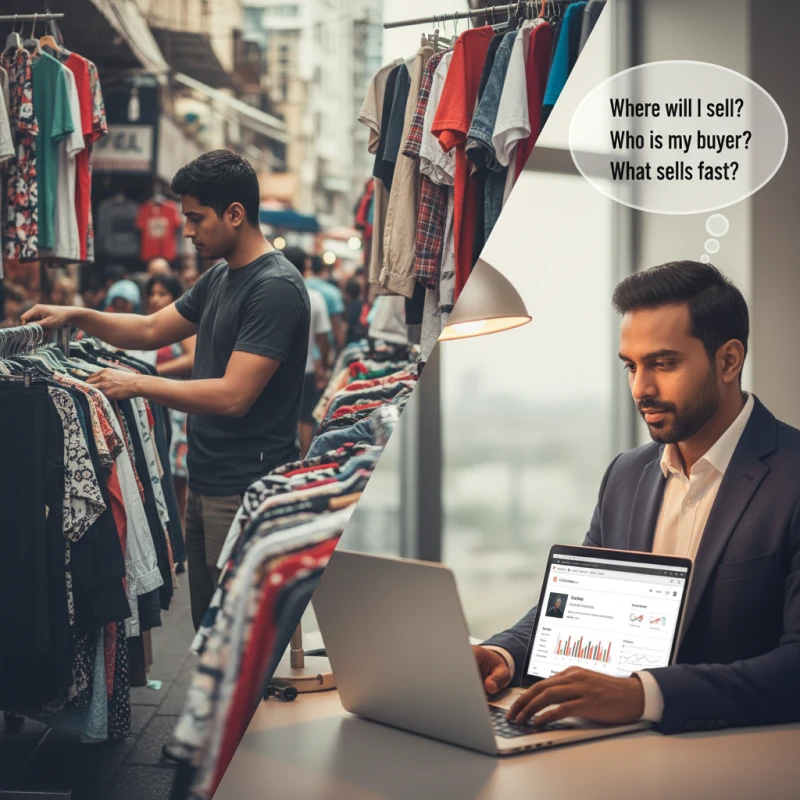
Before contacting any supplier, you must answer three questions clearly:
- Where will you sell? (local market, online store, wholesale distribution)
- Who is your buyer? (price-driven, brand-focused, bulk buyers, online consumers)
- What already sells fast in your market?
For example:
- Open markets favor fast-moving basics
- Online resale favors branded, good-condition products
- Wholesalers need consistent grades and repeat supply
Golden rule:
If demand is uncertain, “cheap” quickly becomes expensive.
How to Validate Demand Quickly
- Check sold listings, not asking prices
- Observe which products traders reorder weekly
- Ask local sellers what moves fast—not what looks good
Step 2: Choose the Right Wholesale Category (More Important Than Price)
Not all wholesale products behave the same way. Some categories rotate quickly; others tie up your cash for months.

Beginner-Friendly, High-Rotation Categories
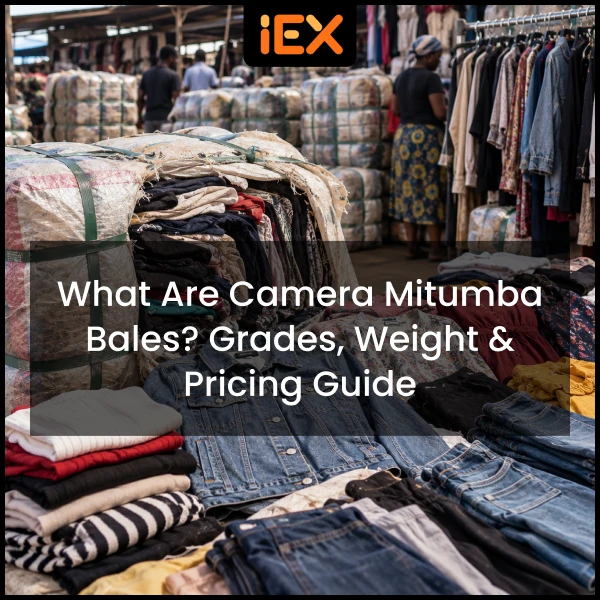
- Used clothing (mixed summer, basics)
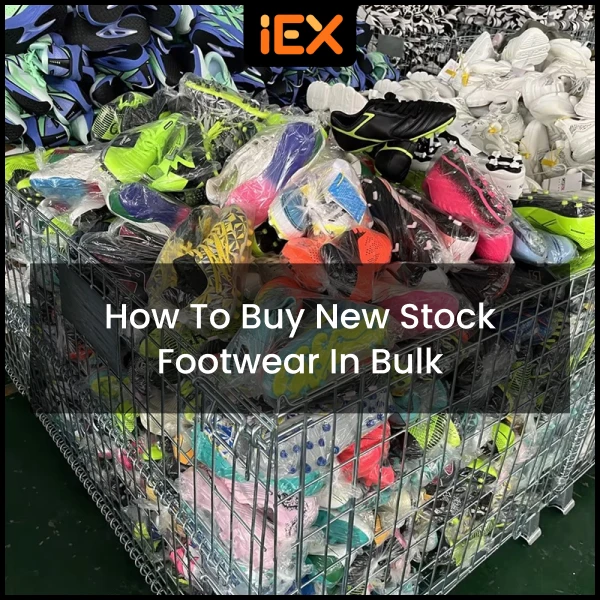
- Used shoes (especially branded sports shoes)
- Daily-use or necessity items
High-Risk Categories (Not Ideal for Beginners)
- Electronics
- Trend-based fashion
- Liquidation or mystery pallets
In many global markets, used branded goods outperform new unbranded products because:
- Consumers already trust the brand
- No education or marketing is needed
- Price-to-value perception is high
Step 3: Understand “Landed Cost,” Not Just Wholesale Price
A cheap wholesale price means nothing if the landed cost is high.
Professional buyers calculate:
- Product cost
- Packing & compression efficiency
- Shipping method (air, LCL, full container)
- Import duties & taxes
- Loss from unsellable or damaged items
Many resellers lose money because they buy:
- Ultra-cheap pallets with 30–40% waste
- Poorly packed goods that increase freight costs
- Products with unclear customs classification
Experienced buyers always ask:
- What is the average defect rate?
- How many kilograms fit per container?
- Is this product export-proven?
Step 4: Where Professionals Find Cheap Wholesale Products
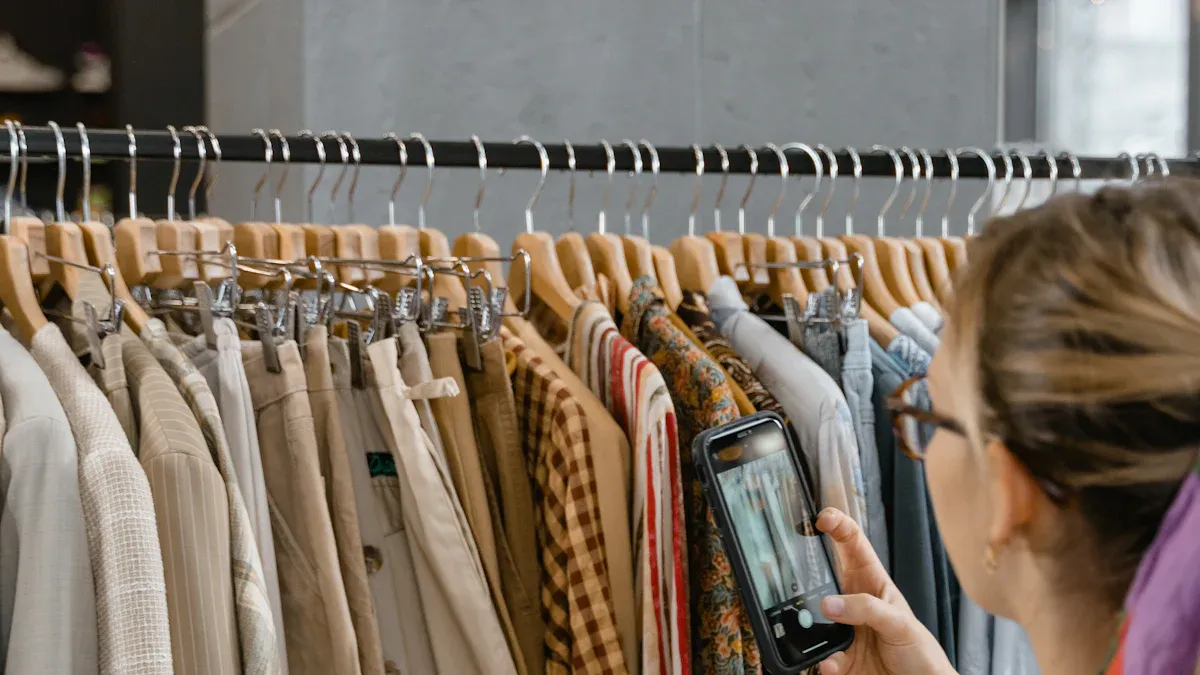
1️⃣ Buy Directly From Factories or Sorting Facilities
This is the most reliable long-term sourcing method.
Factories and sorting centers:
- Remove middlemen
- Offer better prices at scale
- Allow customization (grade, category, ratio)
- Provide stable, repeatable supply
This is especially effective for:
- Used clothing
- Used shoes
- Textiles and bulk goods
Large importers almost always work factory-direct, not through agents.
2️⃣ Use B2B Platforms Strategically (For Testing Only)
Platforms like Alibaba or Made-in-China are useful for:
- Price benchmarking
- Market research
- Small test orders
However:
- Many suppliers are resellers, not manufacturers
- Prices are often higher than direct sourcing
- Quality consistency varies
Think of B2B platforms as research tools, not your final supply chain.
3️⃣ Work With Professional Used-Goods Exporters
In many regions, used goods offer the best balance of low cost and fast resale.
Why?
- Lower sourcing cost than new goods
- Strong demand in emerging markets
- Higher margins than generic products
Professional exporters provide:
- Clear grading systems
- Bulk pricing
- Export-ready packaging
- Monthly repeat supply
This model dominates markets in:
- Africa
- South America
- Southeast Asia
- Middle East
4️⃣ Be Careful With Liquidation & Overstock Pallets
Liquidation pallets appear cheap, but often hide serious risks:
- Unknown quality mix
- Legal or trademark issues
- One-time supply with no reorder option
Many sellers learn the hard way that:
Predictability is more important than cheapness.
Step 5: Ask These Questions Before Buying Any Wholesale Product
Before placing an order, professional resellers always ask:
- Is this supply repeatable or one-time only?
- What is the sell-through speed in similar markets?
- What percentage is low-grade or unsellable?
- Can you provide real photos and videos?
- Is this product legally importable into my country?
If a supplier avoids these questions, that’s a clear warning sign.
Step 6: Why Used Clothing & Shoes Are a Top Choice for Resellers
Used clothing and shoes—especially branded items—are one of the most proven wholesale models globally.
They work because:
- Second-hand products are widely accepted
- Brands already have built-in demand
- Margins are stable, not speculative
Professional exporters sort by:
- Grade (Cream / A / Brand / B)
- Category (men, women, shoes, sportswear)
- Market suitability
This removes guesswork and improves resale speed.
Step 7: How Indetexx Helps Buyers Find Cheap, Resellable Wholesale Products
Instead of chasing risky “cheap deals,” many global buyers partner with Indetexx for controlled, scalable sourcing.
Indetexx at a Glance
- 20,000㎡ self-owned factory
- 6,000 tons monthly sorting capacity
- 3,000 tons raw material inventory
- Exporting to 110+ countries
Product Categories
- Used clothing
- Used shoes (including branded sports shoes)
- Used bags
- Mixed rags
- Used toys
All products are:
- Professionally sorted
- Clearly graded
- Packed for high container loading efficiency
- Designed for long-term resale, not one-off flips
This allows buyers to focus on selling—not fixing supply problems.
Step 8: The Core Rule for Finding Cheap Wholesale Products That Sell
Cheap products don’t build businesses.
Fast-selling, predictable products do.
When evaluating wholesale opportunities, always prioritize:
- Demand certainty
- Quality transparency
- Legal safety
- Repeatable supply
That is how professional resellers scale—month after month.
Conclusion: Build a System, Not a Shortcut
Finding cheap wholesale products to resell is not about chasing the lowest price or the newest trend. It’s about building a reliable sourcing system that balances cost, demand, and risk.
Buyers who succeed long-term:
- Start with demand
- Choose proven categories
- Work with stable suppliers
- Optimize landed cost, not just unit price
That’s why many resellers eventually move away from speculative sourcing and work with experienced exporters like Indetexx, whose scale, consistency, and global experience make profitability predictable.
If you want, I can also help you:
- Build a first-time wholesale sourcing checklist
- Compare new vs used product profit models
- Design a low-risk first container plan based on your target market
Just tell me where and how you plan to sell.
Ready to Source Your First Shoe Container?
Indetexx ships Grade A and Grade B used shoe bales to 110+ countries. Every bale ships with documented composition reports, pre-shipment photos, and size distribution data so you can verify grade accuracy before the container sails.
Our 20,000㎡ sorting factory processes 6,000 tons of footwear monthly, ensuring consistent supply for buyers across Africa, Southeast Asia, and Latin America.