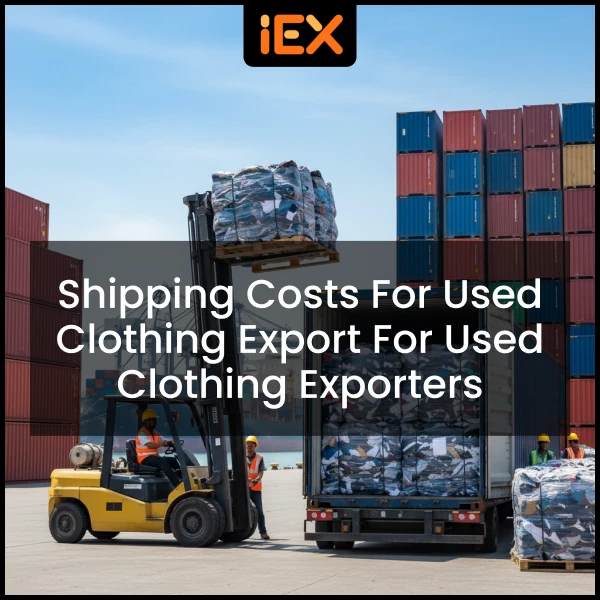
You should know that shipping costs for used clothing exporters can change. Shipping clothes to other countries usually costs from $1,500 to $4,000 for a full container. Many things can change the final price, like how heavy the load is and how far it goes. The speed of delivery, warehouse team work, special handling fees, and extra charges also matter. If you understand these costs, you can plan better and not get surprised. Indetexx is a trusted leader in this business. They help you with shipping and make your business run well.
Key Takeaways
Shipping costs are between $1,500 and $4,000 for full containers. Make your budget by thinking about weight, distance, and how fast you need delivery.
Use full container loads (FCL) if you have a lot to ship. Fill the containers as much as you can to lower the cost for each item.
Try less than container load (LCL) shipping for smaller shipments. You only pay for the space you use, so it is flexible and saves money.
Make your packaging better to lower shipping costs. Use strong boxes and fill empty spaces to keep items safe and save money.
Work with good freight forwarders like Indetexx. They help with shipping details, stop mistakes, and make sure your items arrive safely.
Shipping Cost Ranges for Export Clothes
Full Container Load (FCL) Costs
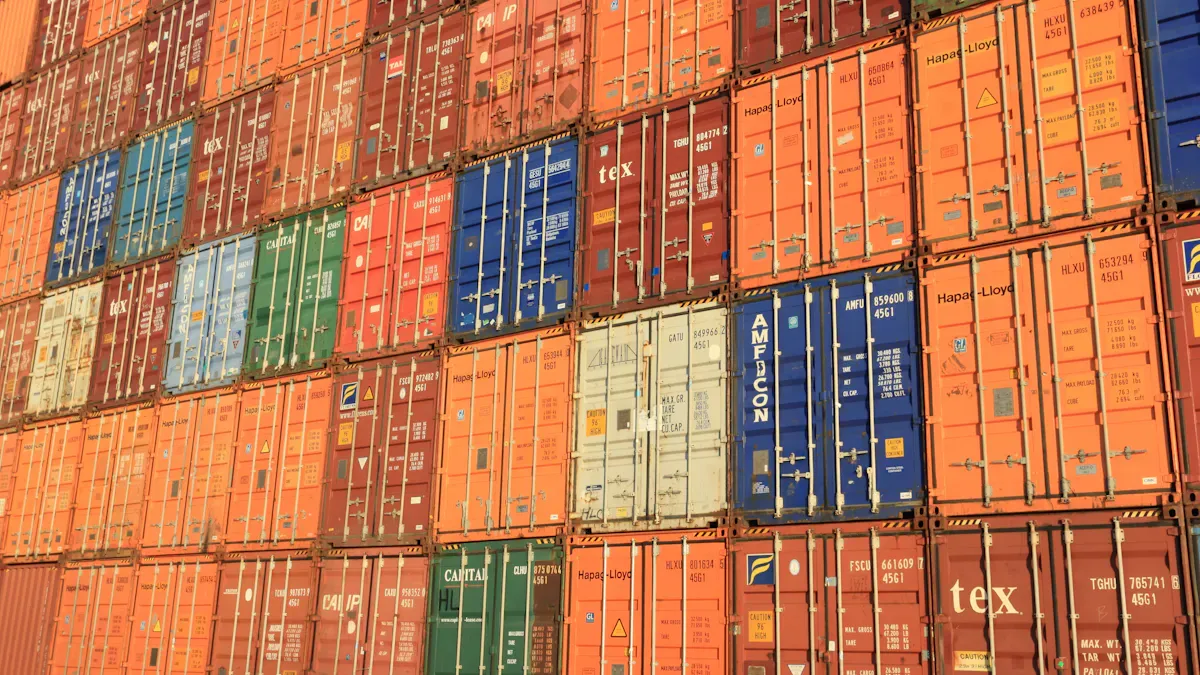
You can choose a full container load when you have a large amount of export clothes. This option gives you the whole container for your shipment. Most exporters use either a 20-foot or 40-foot container. The shipping costs for a 20-foot container usually range from $1,500 to $2,500. A 40-foot container can cost between $2,500 and $4,000. These rates depend on the distance, the port fees, and the time of year. You get better rates per item when you fill the container. This method works best if you ship a lot of used clothing at once.
Tip: Fill your container as much as possible. This helps you lower your shipping rates and save money.
Less Than Container Load (LCL) Costs
If you do not have enough export clothes for a full container, you can use less than container load shipping. This means you share space in a container with other exporters. The shipping company charges you based on the space your goods take up. The average cost for LCL shipments of used clothing is between $50 and $80 per cubic meter. You pay only for the space you use. This option works well for smaller shipments or when you want to test a new market.
LCL shipping rates:
$50–$80 per cubic meter
You pay for the volume, not the whole container
LCL shipping gives you flexibility. You can ship clothes without waiting to fill a container. You also avoid high upfront costs.
Regional Shipping Price Differences
Shipping rates change based on where you send your export clothes. Some regions have higher rates because of longer distances, extra handling, or port fees. For example, shipping to Africa or South America can cost more than shipping to nearby Asian countries. You may also see different rates during busy seasons or when fuel prices rise.
Here is a simple table to show how shipping rates can change by region:
Region | Typical FCL Cost (20ft) | Typical LCL Cost (per m³) |
|---|---|---|
Asia | $1,500 – $2,000 | $50 – $60 |
Africa | $2,000 – $2,800 | $60 – $80 |
South America | $2,200 – $3,000 | $65 – $80 |
Middle East | $1,800 – $2,500 | $55 – $70 |
Oceania | $2,000 – $2,700 | $60 – $75 |
You should always check the latest shipping rates before you plan your shipment. Shipping costs can change quickly. Ask your freight forwarder for a quote to get the best deal.
Note: Shipping clothes to faraway places usually costs more. Plan your shipments to match your budget and delivery needs.
Key Factors for Used Clothing Exporters
Weight and Volume Impact
You need to pay close attention to the weight and volume of your used clothing shipments. These two factors play a big role in how much you pay for shipping. Shipping companies look at both the actual weight and the size of your shipment. Sometimes, large but lightweight shipments cost more because the volumetric weight is higher than the actual weight. Here are some important points to remember:
Shipping costs can rise if the volumetric weight is greater than the actual weight.
Large, lightweight items may lead to higher rates.
You can save money by optimizing your packaging and reducing empty space.
Better packaging helps you fit more items in each shipment, which lowers your overall costs and increases your profits.
Tip: Always check both the weight and the size of your shipment before you send it. This helps you avoid surprises in your shipping bill.
Destination and Distance
Where you send your used clothing affects your shipping rates. Longer distances usually mean higher costs. Shipping clothes to countries that are far away or have fewer shipping routes can cost more. Some regions also have extra fees or special rules. You should research the logistics for each destination before you ship. This helps you plan your budget and choose the best route.
Shipping Method Choices
You have several options for shipping your used clothing. Each method has different rates and delivery times. Here is a simple table to help you compare:
Shipping Method | Cost Range |
|---|---|
Air (300 kg) | $5/kg |
Air (10 kg) | $65/kg |
FCL | $5,000 – $6,000 |
LCL | $700 – $1,000 |
Ocean freight often gives you the best rates for large shipments. Air shipping is faster but costs more, especially for small loads. Land shipping may work for nearby countries. Shipping methods can change in price because of things like fuel costs, market demand, and general rate increases. Sometimes, rates go up by 5-10% when shipping companies adjust to market conditions. You should always plan ahead and check for any changes in rates before you ship.
Note: Careful planning helps you manage your shipping costs and keeps your business running smoothly.
Indetexx Solutions for Efficient Shipping
Optimizing Packaging
You can spend less on shipping if you pack smart. Indetexx uses compression packing to fit more clothes in containers. This keeps your clothes safe from damage. Bale sizes stay the same, so inventory is easy to track. Indetexx arranges bales to fill containers all the way. You pay less for each kilogram and earn more money. Shipping more items in one container lowers your costs.
Tip: Ask Indetexx about their packing ways. You can save money and keep your clothes safe while shipping.
Choosing Reliable Freight Forwarders
You need a good freight forwarder to handle your shipments. Indetexx works with skilled freight partners who know used clothing exporters’ needs. These experts help you avoid mistakes and make shipping easy. They offer good prices and manage all the details. You get safe transport and fewer delays. Freight forwarders fix problems fast if something goes wrong.
Working with a freight forwarder:
Stops mistakes
Saves money
Gives safe delivery
Handles shipping well
Indetexx will help you find the best freight forwarder for your business.
Consolidating Shipments
Consolidating shipments helps used clothing exporters in many ways. Indetexx lets you buy in bulk from different sellers. You pay only for the space you use, so shipping costs go down. You can ship smaller loads more often and keep less stock. Indetexx helps you compare sellers to get the best price and quality. Grouping shipments makes customs paperwork easier and helps the environment.
Benefit | Description |
|---|---|
Lower Shipping Costs | Pay only for space used, not full container rates. |
Greater Flexibility | Ship smaller loads more often. |
Reduced Inventory | Keep less stock and avoid overstocking. |
Simplified Documents | Fewer customs entries, easier clearance. |
Lower Environmental Impact | Fewer containers, less emissions. |
Improved Load Planning | Better use of container space and schedules. |
You can count on Indetexx to help you group shipments and make your shipping better.
Packaging and Documentation for Export Clothes
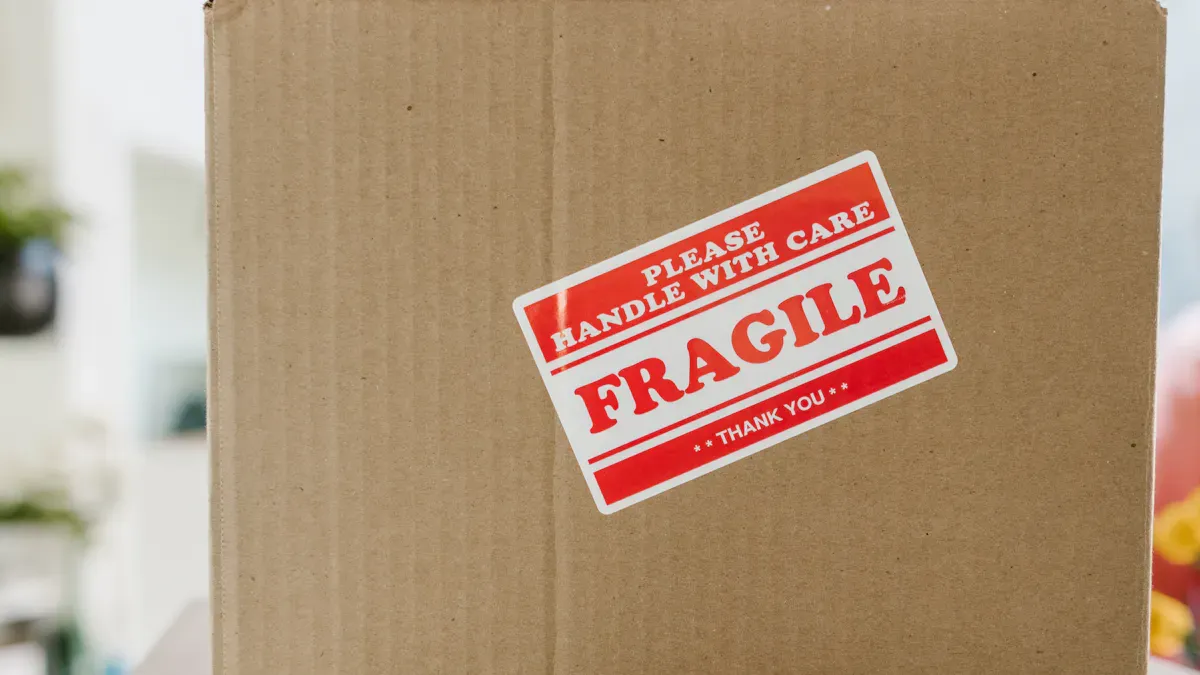
Packaging Best Practices
You can save money and keep your clothes safe with smart packaging. When you get used clothing ready to ship, follow these steps:
Pick strong packaging materials. Corrugated cardboard boxes protect your items during shipping.
Choose box sizes that fit your items. This stops damage and helps you avoid extra fees.
Seal boxes well. The H taping method keeps boxes closed on long trips.
Use dividers or inserts inside boxes. These stop fragile items from moving around.
Fill empty spaces with air pillows or bubble wrap. This keeps things from shifting.
Label boxes clearly. Strong labels with important details help packages go to the right place.
If you use these steps, your clothes will stay safe and arrive in good shape. Good packaging lets you fit more clothes in each shipment. This helps you spend less money.
Tip: Check your packaging before you ship. Small changes can help keep your items safe and lower costs.
Required Export Documents
You need the right papers to clear customs and ship used clothing without delays. Each country has its own rules, but most want these documents:
Requirement | Description | Examples by Region |
|---|---|---|
Import Licenses & Permits | Some countries need special permission to import used clothing. | Kenya and Uganda require permits; the EU inspects shipments but does not ban them. |
Product Documentation | Bills of lading, invoices, and packing lists must describe the contents. | List “used clothing,” weight, quantity, and material type. |
Health and Sanitation | Some places need proof that clothes are clean or fumigated. | China and Russia ask for fumigation certificates; some ban used undergarments. |
Customs Declarations | You must declare value and use the right tariff codes. | HS Code 6309.00 is common for worn clothing. |
Prohibited Items | Some countries ban certain used garments. | Saudi Arabia and Iran restrict used clothing imports. |
Mistakes on papers can cause delays, extra costs, or lost shipments. Always check your documents to keep your shipping smooth.
Note: Missing or wrong papers can mean fines and unhappy customers. Careful planning keeps your business working well.
Making Smart Shipping Decisions
Comparing Quotes
You should look at quotes from many freight companies before picking one. Each quote should have clear details. Some companies use CIF, which includes more services but costs more. Others use DDP, where the seller does all the shipping work and pays customs and duties. Check if the supplier delivers on time, like over 95% of the time. Make sure the product types fit what you need, like bales for certain seasons. Ask for sorting grades that are easy to understand. Check the bale weight and what is inside. Where the clothes come from can change the style and how long they last, so match this with your market. Also, make sure the supplier follows the import rules for your country.
Be careful about hidden fees in shipping quotes. Use this table to help you find extra costs:
Hidden Cost Type | How It Happens | Prevention Tip |
|---|---|---|
Wrong HTS Classification | Supplier mislabels to save duty | Request code match from HTS database |
Local Brokerage Fees | Not included in DDP ‘lite’ quote | Confirm ‘all-inclusive’ terms in writing |
Surcharges (Fuel, GRI) | Billed after cargo release | Ask for a frozen quote for 30+ days |
Port Congestion Fees | Hidden in final invoice | Request routing via less congested ports |
Balancing Cost and Delivery Time
You need to think about cost and how fast your goods arrive. Air freight is quick but costs a lot. Sea freight is slower but cheaper for big shipments. Sometimes, you can use express delivery if you need things fast. Good packaging can help you spend less and keep your items safe. Working with good freight partners, like DHL, helps you find the best way to ship. Fast shipping costs more because you pay for speed. If you use fast shipping too much, you might make less money.
Strategy | Description |
|---|---|
Optimize transportation modes | Choose air, ground, or sea based on your needs. |
Select appropriate shipping methods | Use express delivery for urgent shipments. |
Ensure proper packaging | Good packaging lowers costs and prevents damage. |
Partner with logistics providers | Work with skilled freight companies for better results. |
Tip: Ship early so you do not have to pay more for fast delivery.
Ensuring Safe Delivery
You want your used clothing to get there safe and in good shape. Use strong but light boxes to protect your goods and save money. For things that are not breakable, mailers or poly bags work well. Put a few items together in one package to save on shipping. Set clear rules for quality and teach your team to follow them. Insurance and tracking cost more, but they keep your shipment safe. The value of your goods, how you ship, and where you ship all change insurance prices. Always check what your freight company covers and see if you need more insurance.
Note: Tracking your shipment helps you fix problems fast and keeps your customers happy.
Conclusion
You now have a clear understanding of what affects shipping costs for used clothing export. You saw how weight, volume, destination, and shipping method all play a part in your final price. You learned that smart packaging and the right documents help you avoid delays and extra fees. You also discovered how Indetexx can support you with efficient packing, reliable freight partners, and shipment consolidation.
Remember: Good planning helps you save money and keeps your business running smoothly.
Here are some steps you can follow to make better shipping decisions:
Review your shipping quotes from different companies. Look for hidden fees and ask questions if something is not clear.
Choose the best shipping method for your needs. Air freight is fast but expensive. Sea freight is slower but cheaper for large loads.
Check your packaging before you ship. Strong boxes and clear labels protect your clothes and help you avoid damage.
Keep your documents ready and up to date. This helps you clear customs without problems.
Work with trusted partners like Indetexx. They offer expert help and customized solutions for used clothing exporters.
You should also stay updated on shipping rules and market changes. Shipping rates can change quickly. Review your shipping strategy often to find new ways to save money and improve your process.
If you want to grow your used clothing export business, focus on smart planning and strong partnerships. Indetexx can help you reach your goals with quality service and expert advice. Visit Indetexx’s official website to learn more or get started today.
Tip: Small changes in your shipping process can lead to big savings over time.
You can keep shipping costs low if you watch weight, size, and where you send things. Packing your clothes well and having the right papers stops extra charges. Indetexx helps you with expert advice and special plans. You should look at your shipping plans often and learn about any new rules.
Look at prices from different shipping companies.
Pick the shipping way that works best for you.
Work with trusted partners like Indetexx.
Tip: Even small changes in your process can help you save a lot of money.
FAQ
What is the cheapest way to ship used clothing overseas?
You can save money by using sea freight and filling a full container. This method gives you the lowest cost per kilogram. You should also compare quotes from different freight companies.
How do I avoid extra shipping fees?
Check your documents before shipping. Use strong packaging to prevent damage. Ask your freight forwarder about hidden fees. Always confirm the total cost in writing.
Which documents do I need for export?
You need these documents:
Bill of lading
Commercial invoice
Packing list
Import permits (if required)
Check the rules for your destination country.
How can Indetexx help lower my shipping costs?
Indetexx uses smart packing, reliable freight partners, and shipment consolidation. You get more items per container and fewer delays. This helps you save money and ship faster.
Ready to Source Your First Shoe Container?
Indetexx ships Grade A and Grade B used shoe bales to 110+ countries. Every bale ships with documented composition reports, pre-shipment photos, and size distribution data so you can verify grade accuracy before the container sails.
Our 20,000㎡ sorting factory processes 6,000 tons of footwear monthly, ensuring consistent supply for buyers across Africa, Southeast Asia, and Latin America.