Imagine you want to buy and sell bulk used clothing for profit. Used clothing brokers make this possible. You work with leading used clothing brokers who know where to find the best deals. These used clothing brokers help you buy used clothes in bulk from donation drop boxes, retail stores, and thrift shops. Used garment brokers sort items into groups like shoes, linens, and mixed rags. Clothing brokers pack and ship sorted items, making buying and selling wholesale used clothing easy in the used clothing supply chain.
Used clothing brokers source from many places.
They sort used items by type.
Brokers package and ship used clothing for you.
Key Takeaways
Used clothing brokers help buyers and sellers meet. This makes trading bulk used clothing easier. – Brokers work with donation centers and thrift stores. Good relationships help them get the best inventory deals. – They sort and grade clothing to check quality. This helps buyers get good items. It builds trust and brings repeat business. – Brokers use online platforms and social media. This helps them reach more buyers. – Buying and selling used clothing helps sustainable fashion. It cuts down on waste. It also creates economic opportunities.
How Used Clothing Brokers Source Inventory
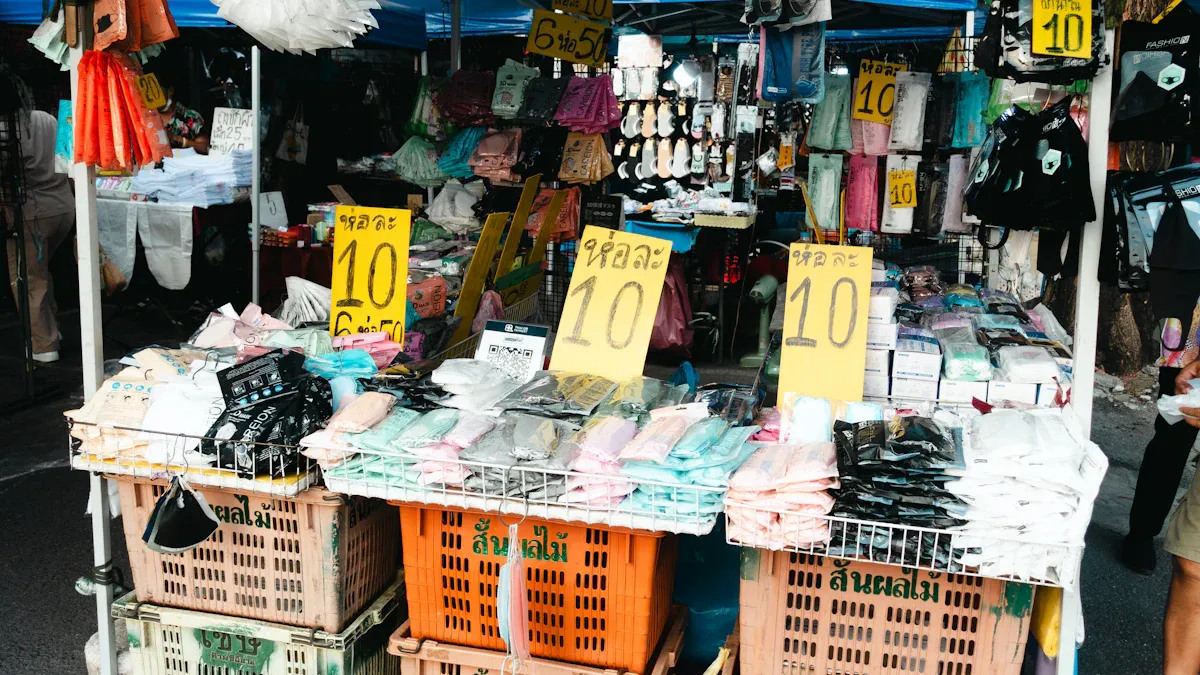
You need to build strong connections if you want to succeed as a used clothing broker in the wholesale used clothing market. These connections help you buy used clothes in bulk from many sources. You act as both a buyer and a seller. You find inventory, sort it, and then sell it to others who need bulk used clothing. This dual role makes you important in the second-hand clothing supply chain.
Buy Used Clothes in Bulk from Donation Centers
Donation centers are one of the main places where you can buy used clothes in bulk. People and organizations donate clothing, shoes, and linens. You work with these centers to get access to large amounts of used items. Many donation centers collect more than they can sell in their own stores. You step in and buy the extra wholesale used clothing. This includes bulk used shoes, mixed rags, and even unsold items from thrift stores.
Tip: Building a good relationship with donation centers helps you get the best deals and steady inventory.
Here are some common sources you can use to buy used clothes in bulk:
Donations from individuals and organizations
Retail stores with extra or outdated stock
You often find that donation centers sort items into categories like bulk used shoes, linens, and second-hand clothing. This sorting makes it easier for you to buy wholesale used clothing that matches your buyers’ needs.
Sourcing via Thrift Stores and Retail Brokers
Thrift stores play a big part in the wholesale used clothing business. You can buy used clothes in bulk directly from these thrift stores. Thrift stores collect a wide range of items, including second-hand clothing, shoes, and linens. Many times, they have more inventory than they can sell in their shops. You help them by buying the extra bulk used clothing.
Retail brokers also help you find inventory. They connect you with retail stores that want to sell their unsold or returned items. You can buy wholesale used clothing, bulk used shoes, and other second-hand clothing through these used clothing brokers. This network gives you access to a steady supply of bulk inventory.
You serve many types of buyers. Some want credential clothing, which means items that have not been sorted. Others want mixed rags or bulk used shoes. You match your inventory to what your buyers need.
Online B2B Platforms and Auctions
You can also buy used clothes in bulk using online B2B platforms and auctions. These second hand wholesale websites let you find wholesale used clothing from sellers all over the world. You can see photos, read descriptions, and even join live auctions to get the best deals on bulk used clothing.
Online platforms make it easy to compare prices and find the exact type of second-hand clothing or bulk used shoes you need. Many used clothing brokers use these second hand clothing sites to expand their network and reach new wholesale used clothing suppliers. You can buy wholesale used clothing in large lots, which helps you keep your inventory full.
Note: Online B2B platforms and auctions help you find unique items and connect with sellers you might not meet in person.
You need to use all these sources to stay competitive. By building a strong network with donation centers, thrift stores, retail brokers, and online platforms, you make sure you always have enough bulk used clothing to meet demand. You act as both a buyer and a seller, moving wholesale used clothing through the supply chain and helping others buy used clothes in bulk.
Sorting, Grading, and Documentation
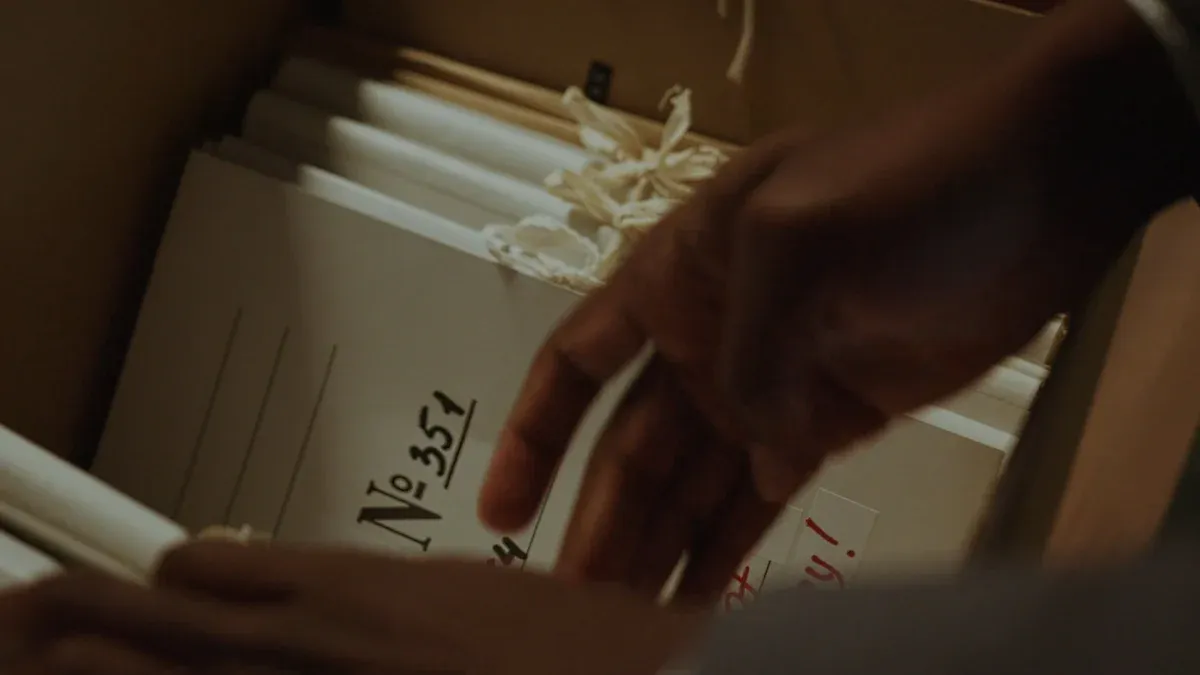
Sorting and Grading Bulk Used Clothing
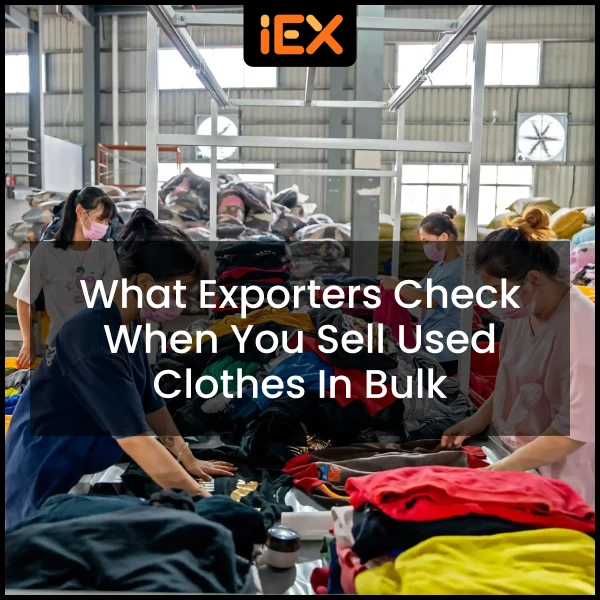
You must sort and grade each clothing bale before selling. Sorting means putting used shirts, used pants, and used shoes in groups. Grading is checking if second hand items are clean or damaged. You look for stains, rips, or worn spots. Good items go in one pile. Items with problems go in another pile. This helps you give wholesale used clothing buyers what they want. Some bulk used clothing buyers only want the best items. Others will take mixed grades for recycling or other uses.
Tip: If you sort and grade well, buyers trust you. They know what they will get in every order.
Preparing Packing Lists and Images
You need to make a packing list for every shipment. The list shows what types of used clothing you send and how many of each. You also take clear pictures of the items. These photos show buyers what the clothes look like. Good records make your business look honest and careful. They also help if there are questions about a shipment.
Here is a simple packing list example:
Item Type | Quantity | Bale Weight |
|---|---|---|
T-Shirts | 200 | 45kg/bale |
Jeans | 150 | 45kg/bale |
Shoes | 100 | 45kg/bale |
Packaging and Transportation Logistics
You must pack used clothing in strong, clean bales or boxes. Good packing keeps clothes safe while moving. You put labels on each box with packing list details. You also plan how to send the clothes to buyers. Sometimes you use trucks for close deliveries. For buyers far away, you may use shipping containers. Careful planning stops delays and damage.
Note: Good packing and clear labels help people track and get their orders easily.
Selling Bulk Used Clothing
Effective Selling Strategies and Platforms
You need strong strategies to succeed in selling bulk used clothing. Start by understanding what your bulk used clothing buyers want. Some used clothing buyers look for high-quality items. Others want mixed grades for recycling or resale. You can offer different grades to match these needs.
You should use many platforms to reach more buyers. Many used clothing brokers use online marketplaces like eBay, Depop, and Vinted. These sites let you list large lots of used clothing. You can show photos, give details, and set prices. Buyers from around the world can see your offers.
Tip: Use clear photos and honest descriptions. This builds trust and helps you sell faster.
You can also use your own website. A website lets you show your inventory and share your story. Many buyers like to know where the clothing comes from. You can add a blog or news section to keep buyers updated.
Connecting with Wholesalers, Retailers, and Exporters
You need a strong network to grow your second hand clothing business. Many bulk used clothing brokers work with wholesalers, retailers, and exporters. Wholesalers buy large amounts of bulk used clothing. They sell to smaller shops or markets. Retailers look for special items or certain brands. Exporters ship used clothing to other countries.
You can meet these buyers at trade shows or industry events. You can also join online groups for used clothing brokers. These groups help you find new buyers and learn about market trends.
Here is a simple table to show the types of buyers you may work with:
Buyer Type | What They Want | How They Buy |
|---|---|---|
Wholesalers | Large mixed lots | Direct deals, contracts |
Retailers | High-quality, sorted | Smaller lots, specific |
Exporters | Bulk, mixed grades | Container shipments |
Note: Building good relationships with buyers helps you get repeat business. Many brokers find that trust leads to bigger orders.
Using Social Media and Online Marketplaces
You can use social media to promote your business. Platforms like Facebook, Instagram, and LinkedIn help you reach new buyers. You can post photos of your bulk used clothing, share stories, and answer questions. Social media lets you connect with buyers in real time.
Many used clothing brokers also join online groups and forums. These groups let you share tips and find new suppliers. You can also learn about changes in the market.
Online marketplaces make selling bulk used clothing easier. You can list your inventory, set prices, and manage orders. Many bulk used clothing buyers search these sites for deals. You can reach buyers in other countries without leaving your office.
Tip: Respond quickly to messages and questions. Fast replies show buyers you care about good service.
You need to use many tools to succeed in selling bulk used clothing. Use online platforms, build a strong network, and stay active on social media. These steps help you grow your business and reach more buyers.
Why Bulk Used Clothing Brokers Matter
Environmental and Economic Benefits
When you work with brokers, you help the earth. Brokers stop lots of old clothes from going to landfills. Only a small part of thrown-away clothes gets recycled. Brokers move big amounts of used clothes away from trash piles. This helps keep the air and water clean. It also keeps animals and plants safe. You see less garbage in your town and more clothes being reused.
Brokers also help people earn money. They give jobs to workers who sort and move used clothes. Local stores can grow by buying and selling these items. Many families get paid by working in this business. Small shops and exporters can buy cheap clothes to sell. This keeps money moving and helps many people.
Picking bulk used clothing is good for the earth and helps people make a living.
Here is a quick look at the benefits:
Benefit Type | Impact |
|---|---|
Environmental | Less landfill waste |
Lower pollution | |
Protected habitats | |
Economic | More jobs |
Stronger local businesses | |
Affordable clothing options |
Supporting Sustainable Fashion
When you buy and sell used clothes, you help the planet. Used clothing brokers help you find good clothes that last longer. You keep clothes out of the trash and in use. This saves water and energy. It also means we do not need to make as many new clothes.
You teach others to shop smart. You show friends and family how to reuse and recycle. Brokers help you find cool, cheap used clothes. You help people see that used clothes can look nice. You show that fashion can be good for the earth.
Every time you pick used clothes, you help make the world cleaner and the future brighter.
When you work as used clothing brokers, you are very important in the used clothing supply chain. You help buyers and sellers find each other. You also check if the clothes are good enough to sell. You make sure orders are packed and shipped the right way. The table below shows what you do:
Role of Brokers | Description |
|---|---|
Facilitation of Transactions | You help sellers and buyers trade bulk used clothing. |
Quality Assurance | You look at the clothes to check their quality. |
Sustainability Promotion | You help stop waste and support green habits. |
Transportation and Packaging | You plan how to pack and send each order. |
Network Management | You make strong connections with stores and other businesses. |
Brokers help shape what happens next by following these trends:
More people care about being eco-friendly every year.
The used clothing market keeps getting bigger.
Good quality is always needed.
You help the earth and help people earn money. Your job keeps clothes being used and gives many people work.
FAQ
How do you find reliable used clothing brokers?
You can search online, ask for referrals, or visit trade shows. Look for used clothing brokers with good reviews and clear business practices. Always check their experience and ask for references before you start working together.
What types of clothing can brokers help you buy in bulk?
Brokers help you buy many types of used clothing. You can get shirts, pants, shoes, linens, and mixed rags. Some used clothing brokers also offer special items like vintage clothes or branded pieces.
Do brokers handle shipping and logistics?
Yes, most brokers manage packing, labeling, and shipping. They plan transportation so your bulk used clothing arrives safely. You can ask them about delivery times and tracking options.
Can you sell your used clothes to brokers?
You can sell your used clothes to brokers if you have large amounts. They often buy from donation centers, thrift stores, and individuals with bulk items. Contact brokers to learn about their buying process.
Tip: Always ask used clothing brokers about their sorting and grading process before selling or buying.
Conclusion
Used clothing brokers streamline the wholesale second-hand clothing market by sourcing from donation centers, thrift stores, retail outlets, and online platforms. They sort, grade, and package items to meet buyer needs, ensuring quality and reliability. Brokers also play a key role in promoting sustainable fashion and creating economic opportunities.
Indetexx takes this a step further as a leading supplier for bulk second-hand clothing. With verified suppliers, ready-to-ship inventory, and efficient logistics, Indetexx makes buying and selling in the wholesale market easier, safer, and more profitable. By partnering with Indetexx, businesses can access quality stock, save time, and grow sustainably in the second-hand clothing industry.