Introduction:
For small retailers and street vendors, choosing the right clothing supplier in Johannesburg can determine whether a business survives or struggles. Unlike large retail chains, small businesses operate with tight cash flow, limited storage space, and little room for inventory mistakes. Every buying decision directly affects daily sales and profitability.
Johannesburg’s retail environment is fast-moving and highly competitive. Customers are price-sensitive but also style-aware, especially in townships and informal markets where fashion trends spread quickly. Vendors must constantly balance affordability, variety, and resale speed. A clothing supplier that looks cheap on paper may turn out to be expensive if stock does not sell quickly.
This guide focuses on practical, ground-level advice. It explains the main types of clothing suppliers available in Johannesburg, how to evaluate them beyond price, and how to match suppliers to different business models. The goal is simple: help small retailers and vendors source stock that sells fast, fits their budget, and supports long-term business growth.
Understanding Johannesburg’s Clothing Supplier Landscape
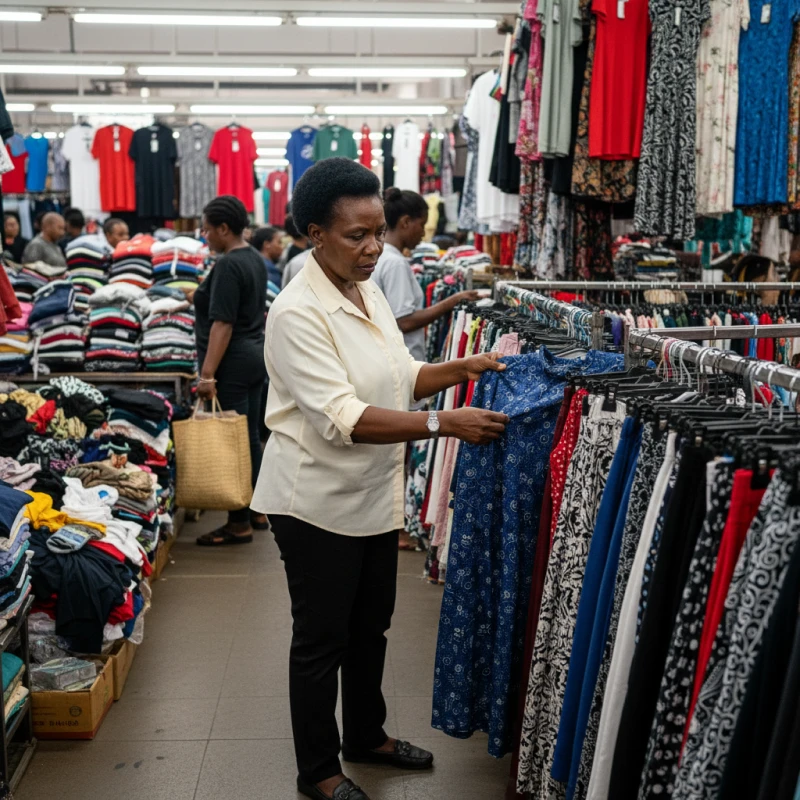
Johannesburg has one of the most diverse clothing supply ecosystems in Southern Africa. Suppliers range from formal wholesalers operating warehouses to informal bale traders supplying second-hand clothing. Each type serves a different role in the market and attracts different kinds of buyers.
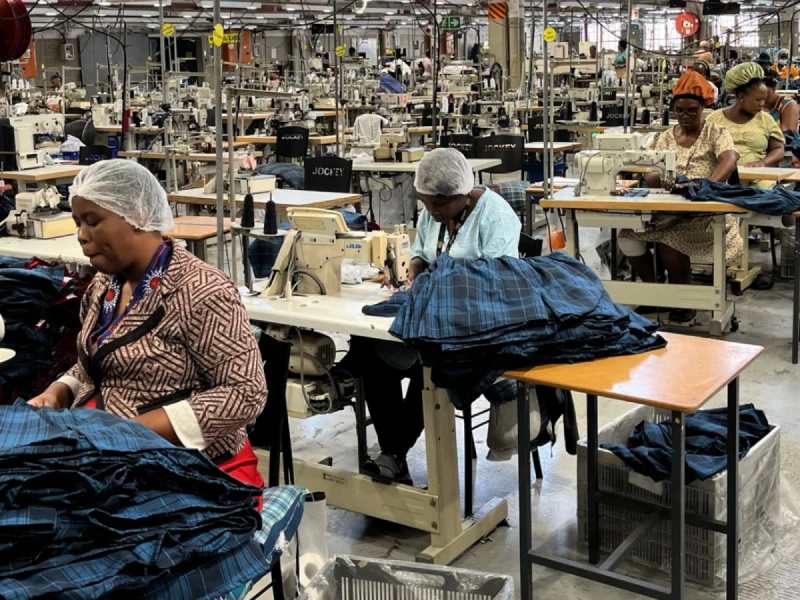
Local fashion and general wholesalers are commonly found in the CBD and surrounding industrial areas. Examples include businesses like Traders Warehouse and Bulk Buy Clothing, which offer new clothing in bulk, covering basics, casualwear, and trend-driven items. These clothing suppliers are popular with boutiques and online sellers looking for consistent sizing and predictable quality.
Another category is corporate and branded clothing suppliers. These focus on uniforms, workwear, and promotional apparel. While not suitable for all vendors, they serve niche businesses targeting schools, companies, or events.
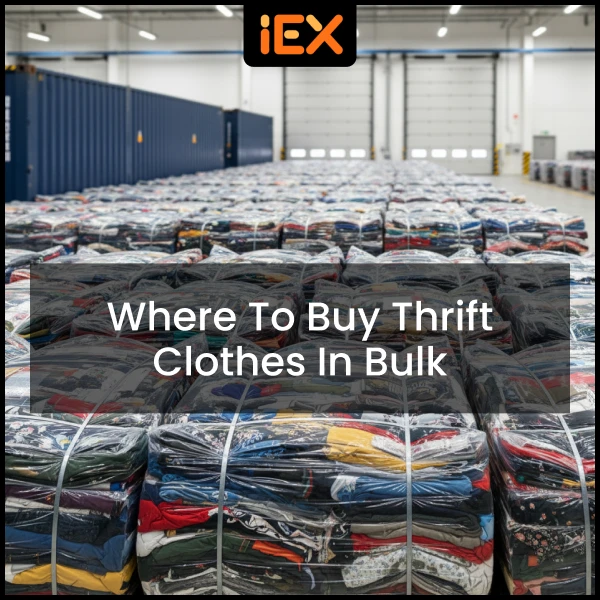
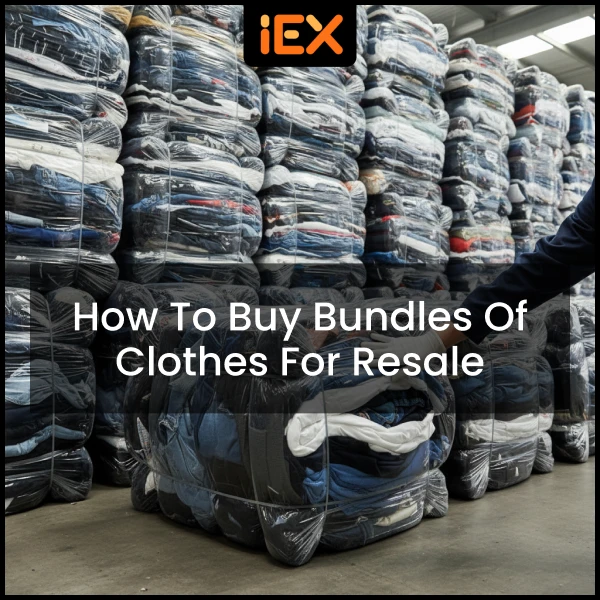
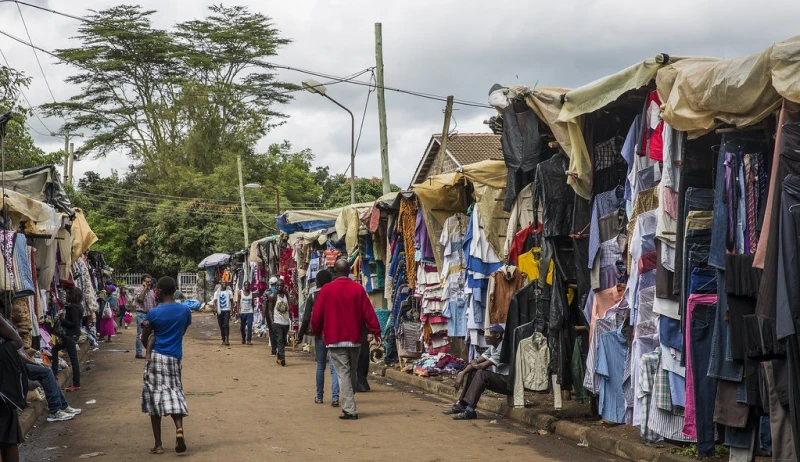
Finally, second-hand clothing and bale suppliers play a crucial role in Johannesburg’s informal economy. They offer used clothing in large bales at very low per-item costs, making them essential for street vendors and township traders.
Main supplier categories at a glance:
- Local fashion & general wholesalers (new clothing)
- Corporate & branded clothing suppliers
- Second-hand clothing & bale suppliers
Key Factors to Consider When Selecting a Clothing Supplier
Choosing a clothing supplier should never be based on price alone. For small retailers and vendors, the hidden operational impact of a supplier often matters more than the listed cost per item. A cheap product that sells slowly or causes customer complaints can quickly drain cash flow.
Price and minimum order quantity (MOQ) are critical. Smaller businesses usually benefit from lower MOQs, even if the per-unit price is slightly higher. This reduces risk and allows more frequent restocking based on real sales data.
Product type and quality also define your business image. New clothing offers consistency and easier pricing, while second-hand clothing offers variety and lower entry costs. Size range, fabric condition, and trend relevance directly affect resale speed.
Location and logistics are often underestimated. A supplier located far away may increase transport costs and limit how often you can restock. For vendors who buy weekly or even daily, accessibility is a major advantage.
Key decision factors and why they matter:
| Factor | Why It Matters |
| Price & MOQ | Affects cash flow and risk |
| Product quality | Impacts customer trust |
| Variety & sizing | Influences repeat sales |
| Location & access | Determines restocking speed |
Matching Supplier Type to Your Business Model
Different business models require very different sourcing strategies. A common mistake among new traders is copying another seller’s supplier without considering their own customers and pricing structure.
Small boutiques and online stores usually benefit from local fashion wholesalers or selected corporate suppliers. These businesses depend on consistent quality, reliable sizing, and trend alignment. Customers are willing to pay more if products look curated and professional. Although unit costs are higher, margins are protected through perceived value and brand positioning.
Street vendors and township traders operate under a different logic. Their customers prioritise price, variety, and availability. Second-hand clothing bales are ideal in this context because they offer a wide mix of items at a very low cost per piece. Even if some items sell cheaply, fast turnover supports daily cash flow.
Many experienced traders gradually adopt a hybrid approach—using new clothing for selected items and second-hand bales for volume sales.
Supplier matching summary:
- Boutiques & online sellers → local fashion wholesalers
- Uniform or niche sellers → corporate suppliers
- Street & township traders → second-hand/bale suppliers
Practical Tips for Buying from Clothing Suppliers in Johannesburg
Navigating Johannesburg’s supplier market requires discipline and caution, especially for smaller buyers. One of the most effective strategies is testing before committing. Even if a supplier seems reputable, start with a small order to evaluate real quality, sizing accuracy, and delivery reliability.
Always inspect goods immediately upon arrival. Check for defects, incorrect quantities, or sizing issues. For second-hand clothing, assess overall wear, cleanliness, and sellable ratio. Early detection prevents losses and strengthens your negotiating position.
Avoiding scams is another priority. Reputable suppliers usually welcome in-person visits. Seeing a physical warehouse or operation reduces risk significantly. Clear agreements on pricing, payment terms, and return policies should always be confirmed before payment.
Negotiation is expected in Johannesburg’s wholesale environment. Regular buyers can often access better pricing, mixed bundles, or flexible terms over time.
Smart buying habits:
- Start with trial orders
- Inspect stock immediately
- Visit suppliers in person when possible
- Negotiate based on repeat business
The Role of Global Sourcing and Technology
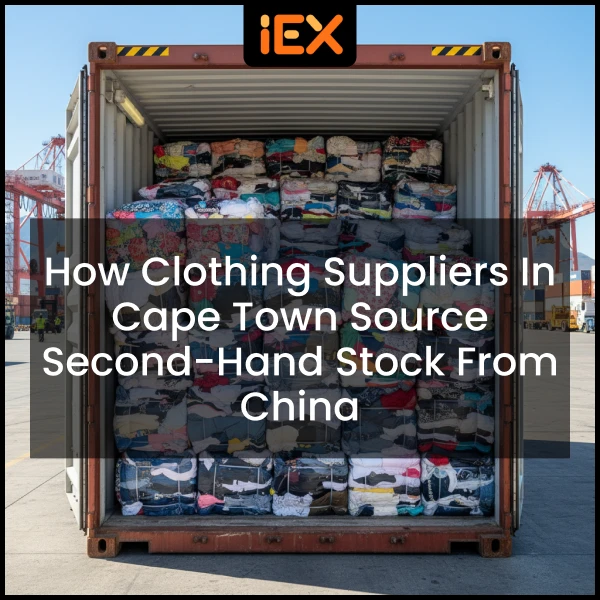
While local sourcing remains the foundation for many Johannesburg traders, global sourcing has become an increasingly realistic option—especially when supported by technology and experienced partners. Online platforms and international suppliers can offer wider product ranges, competitive pricing, and stable volume, which may not always be available locally.
Global sourcing is particularly useful for businesses looking to scale or diversify beyond what Johannesburg suppliers can provide. However, international trade also introduces complexity, including logistics, customs, and quality control.
This is where companies like Indetexx play a supporting role. With large-scale sorting capacity, clear grading systems, and experience exporting to African markets, such partners help simplify international sourcing and reduce risk for smaller buyers.
When global sourcing makes sense:
- Need for large, stable volumes
- Looking for lower cost per piece
- Want to diversify product mix
- Have limited local options
Building Strong Supplier Relationships for Long-Term Growth
Strong clothing supplier relationships are often the hidden advantage behind successful small retailers. Suppliers tend to prioritise buyers who are professional, reliable, and consistent. Over time, this can lead to better pricing, early access to new stock, and more flexible terms.
Paying on time is one of the simplest but most powerful trust signals. Clear communication about needs and feedback also helps suppliers recommend better products. Loyalty matters—switching suppliers too frequently may save money short term but often costs more in instability.
Both local suppliers and international partners like Indetexx emphasise long-term cooperation rather than one-off deals, as mutual growth creates more value for both sides.
Relationship-building essentials:
- Communicate clearly and professionally
- Honour payment commitments
- Give honest feedback
- Focus on long-term cooperation
Frequently Asked Questions (FAQ)
1. Where do most small retailers in Johannesburg buy their clothing stock?
Most small retailers and vendors in Johannesburg source stock from a mix of local wholesalers in the CBD, industrial areas, and second-hand clothing bale suppliers. Boutiques and online sellers often prefer local fashion wholesalers for consistency, while street vendors rely more on second-hand bales due to lower costs and higher variety.
2. Is second-hand clothing a good option for street vendors and township traders?
Yes. Second-hand clothing is one of the most practical options for street vendors and township traders in Johannesburg. The low cost per item allows traders to sell at affordable prices while still maintaining margin through high turnover. Variety within bales also helps attract repeat customers who are looking for unique or changing stock.
3. What is more important: lower price or smaller minimum order quantity (MOQ)?
For most small businesses, smaller MOQs are more important than the absolute lowest price. Lower MOQs reduce risk, protect cash flow, and allow traders to restock based on real demand. A slightly higher unit cost is often worth it if it prevents overstocking slow-moving items.
4. How can I avoid bad suppliers or scams in Johannesburg?
The safest approach is to work with clothing suppliers who have a physical location you can visit. Always start with a small trial order, inspect goods immediately, and avoid paying large amounts upfront without clear terms. Recommendations from other traders and consistent communication are also strong indicators of reliability.
5. Can small businesses realistically use global suppliers instead of only local ones?
Yes, but global sourcing works best as a supplement, not a replacement, for local suppliers. International suppliers can offer better pricing or larger volumes, but they require longer lead times and more planning. For growing businesses, combining local sourcing with trusted global partners can provide flexibility and scalability.
6. How often should small retailers change or diversify their suppliers?
There is no fixed rule, but relying on only one supplier is risky. Successful traders usually keep two to three active suppliers. This allows them to compare prices, handle stock shortages, and adapt quickly to changing customer demand without disrupting sales.
Conclusion: Smart Sourcing Empowers Johannesburg Retailers
Succeeding in Johannesburg’s clothing market requires more than finding cheap stock. It requires understanding supplier options, matching sourcing strategies to business models, and staying adaptable as customer demand changes.
Local suppliers provide speed and accessibility. Second-hand bale suppliers support affordability and turnover. Global sourcing partners expand possibilities beyond the local market. The most successful businesses learn how to combine these options strategically.
By staying informed, testing carefully, and building strong supplier relationships, small retailers and street vendors can turn sourcing into a competitive advantage—one that supports profitability, resilience, and long-term growth.