1. Introduction
Buying second-hand clothes per kilo is one of the most affordable ways to stock inventory, especially for new resellers. But many beginners struggle with unclear grading, inconsistent quality, and unreliable suppliers. This guide explains everything—from how kilo pricing works to how to inspect clothing—so you can buy confidently and avoid costly mistakes.
2. What Does “Buying per Kilo” Mean?
2.1 What “Per Kilo” Means
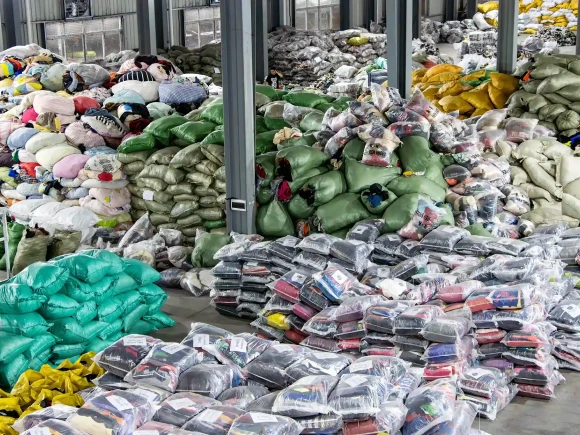
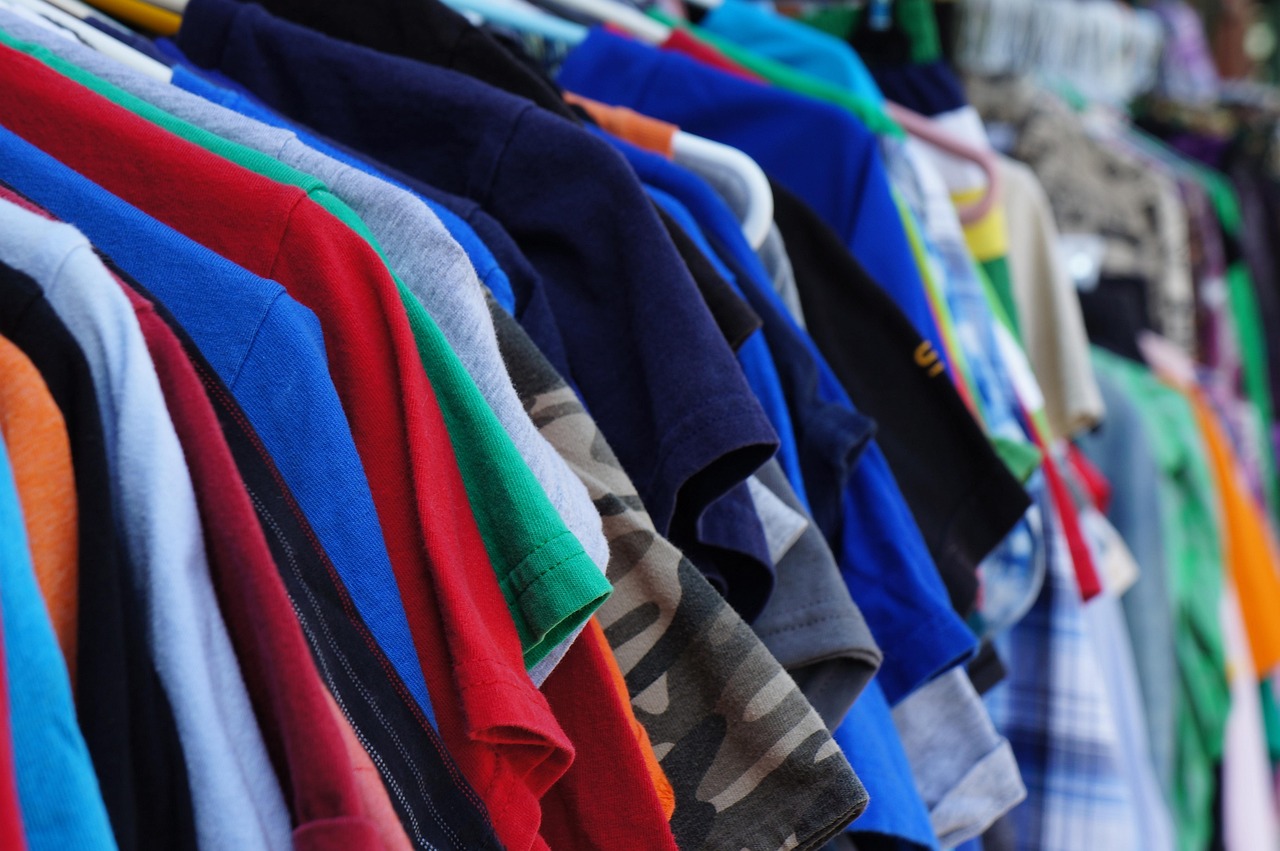
Buying second-hand clothes per kilo means paying for clothing based on weight instead of individual pieces. You aren’t charged per item, but per kilogram, which often gives you a lower overall cost. This method is common in wholesale used clothing because it allows for large volumes at affordable prices.
2.2 How It Works
Suppliers collect used clothing from donation centers, recycling programs, and textile banks. The items are sorted and grouped into categories—such as T-shirts, jeans, dresses, jackets—then sold by weight. Buyers can order mixed kilos or specific categories depending on availability. This approach is flexible and helps resellers test different items without committing to high per-piece costs.
2.3 Who Uses This Method
This method is especially popular among:
- thrift shop owners
- flea market sellers
- new resellers testing demand
- small online shops
- importers buying mixed loads
Buying per kilo is ideal for anyone who wants low-cost inventory with manageable risk and the flexibility to start small.
3. Benefits of Buying Clothes per Kilo
3.1 Lower Costs
One of the biggest advantages is the price. Buying by weight usually costs much less than buying per piece. You get more items for your money, which helps increase profit margins. Since the cost is spread across many items, even if a few pieces aren’t perfect, you still profit from the rest.
3.2 Flexible Quantities
Kilo-based buying allows you to purchase the exact amount you need. Whether you want 20 kg or 2,000 kg, you can scale your order based on budget and storage space. This flexibility makes it easier for beginners to start without big financial pressure.
3.3 Easy Market Testing
Because you receive a mix of styles, sizes, and categories, you can quickly learn what sells best in your market. You might discover higher demand for jeans in one area or children’s clothing in another. Kilo buying helps you test markets cheaply and adjust your strategy fast.
3.4 Faster Turnover
Second-hand clothes per kilo usually include high-demand, everyday items like tops, denim, hoodies, and dresses. These sell quickly because customers love affordable and wearable clothing. Fast turnover means faster cash flow, which keeps your business running smoothly and allows you to reinvest sooner.
4. What’s Included in a Kilo Mix?
4.1 Common Categories
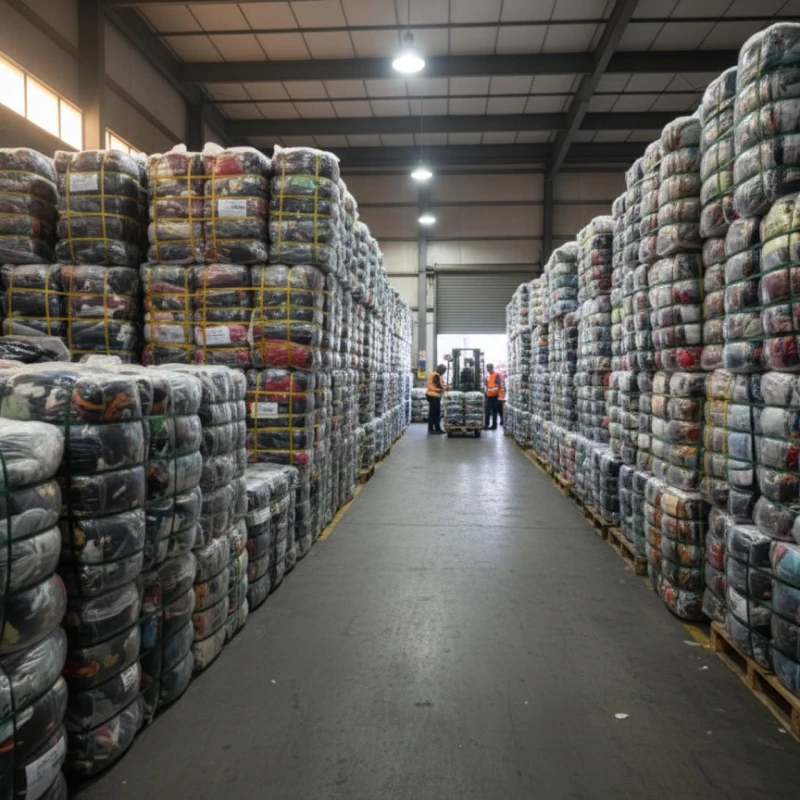
A typical kilo mix includes everyday essentials that sell quickly—T-shirts, jeans, shorts, dresses, hoodies, and blouses. These items are light, easy to ship, and appeal to a wide range of customers. Many suppliers also offer separate kilo mixes for shoes, children’s clothes, and winter wear.
4.2 Seasonal Items
Depending on the country and season, mixes may include summer items like tank tops or winter items like sweaters and jackets. Seasonal variations can affect both weight and resale value. For example, jackets weigh more, so you get fewer pieces per kilo but usually higher resale prices.
4.3 Supplier Variations
Different suppliers have their own sorting systems. Some provide category-specific kilos (like denim only), while others offer completely mixed bags. Higher-quality suppliers sort items by grade, category, and age before packing. Lower-quality suppliers may mix everything without checking condition, creating more risk for the buyer.
4.4 Regional Preferences
Certain regions prefer specific clothing types. For example, African markets often demand durable cotton items, while Latin America prefers jeans and fashion tops. Understanding your market helps you choose the right kilo mix and avoid slow-moving items. Before ordering, ask the supplier what categories are most common in the mix.
5. Understanding Clothing Grades
5.1 Grade A
Grade A includes the best-quality second-hand clothes. These items look new or almost new, with minimal wear and no major stains, holes, or damage. They can be resold at higher prices and are ideal for boutique-style resale or online platforms.
5.2 Grade B
Grade B items show more visible wear—light fading, small marks, or minor defects. They are still wearable and sell well in wholesale or flea market environments where customers expect lower prices. You get more pieces per kilo because Grade B often includes lighter fabrics.
5.3 Grade C
Grade C clothing includes items with noticeable wear, stains, or small damage. Some buyers use Grade C for upcycling, textile recycling, or extremely low-price retail. While not ideal for all markets, this grade still has value depending on your business model.
5.4 Impact on Profit
Understanding grades directly affects profit margins. Grade A produces the highest resale value but costs more per kilo. Grade B offers a balance between cost and quality. Grade C gives the most quantity but requires careful sorting to determine what is resellable. Choosing the right grade helps maximize your earnings while reducing unsellable stock.
6. How to Inspect Quality Before Buying
6.1 Request Videos/Photos
Always ask your supplier for packing videos or sample photos. This helps you verify the actual quality before making a purchase. Reliable suppliers provide clear images showing labels, seams, and overall condition.
6.2 Check Wear & Damage
Look for signs of heavy wear—holes, stains, tears, pilling, or stretched fabric. Check collars, underarms, and seams where damage is most common. Good suppliers pre-sort these defects out.
6.3 Inspect Fabrics
Different fabrics age differently. Cotton may shrink, polyester may pill, and denim may fade. Check the elasticity of waistbands, cuffs, and necklines. Quality inspection helps you avoid items that are too worn to resell.
6.4 Verify Size Mix
Ask the supplier to confirm the size distribution. Some mixes contain too many small or oversized items, which can affect resale. A balanced size mix (S to XL) increases turnover and appeals to more customers.
6.5 Weight Breakdown
Heavier items like jackets reduce the piece count per kilo. Lighter items like tops increase the number of pieces. Ask for an approximate breakdown so you can calculate expected profit more accurately and avoid surprises.
7. How to Choose a Reliable Supplier
Finding a trustworthy supplier is one of the most important steps when buying second-hand clothes per kilo. A good supplier gives you stable quality, clear grading, and consistent supply. A bad supplier gives you mixed, damaged, or unsellable items—resulting in lost money and frustrated customers. Here’s how to choose wisely.
7.1 Confirm Grading
Always ask the supplier to explain their grading system. They should clearly differentiate Grade A, B, and C. If the supplier cannot describe what separates each grade or refuses to provide details, this is a red flag. Clear grading helps you predict profit and plan your pricing strategy.
7.2 Sorting & Cleaning Process
Professional suppliers sort items by hand and remove damaged pieces. They also clean and disinfect clothing before packing. This reduces your preparation time and allows you to start selling immediately. Ask if they use washing, steaming, or sanitizing procedures.
7.3 Brand Ratios
If you need branded items (Zara, H&M, Nike, Levi’s), ask about expected brand percentages. Reliable suppliers can give rough estimates. This helps you know what to expect and avoids surprises in your shipment.
7.4 MOQ & Test Orders
Minimum order quantity (MOQ) matters for new businesses. Choose suppliers that allow small test orders—20 kg, 50 kg, or 100 kg—so you can evaluate quality before committing to larger volumes.
7.5 Pricing Transparency
Good suppliers show price lists and explain why prices vary by category or grade. They also disclose any added costs like shipping or repacking. Avoid suppliers who give vague pricing or change the price after inquiry.
7.6 Communication Quality
Fast responses, clear answers, and consistent communication are signs of a professional supplier. If a supplier ignores questions, avoids sending photos, or pressures you to buy quickly, step away.
8. Kilo vs. Bale vs. Per Piece
When buying second-hand clothing wholesale, you’ll find three common purchasing formats—per kilo, per bale, and per piece. Each option has benefits depending on your budget, storage capacity, and business model.
8.1 Cost Differences
Buying per kilo gives you the lowest cost per item because you pay by weight. Bales (compressed 45–100 kg packages) are cheaper in large volumes but require more upfront investment. Buying per piece is usually the most expensive option because you select specific items.
8.2 Quality Control
Per-kilo mixes may contain varied styles and conditions, depending on grade. Bales are sorted more thoroughly but can’t be opened before purchase. Per-piece allows you to handpick, but costs more and takes time.
8.3 Storage Needs
Kilo bags require less storage space than bales. Bales are compressed and efficient for shipping but need proper tools or manpower to open safely. Per-piece inventory requires shelving for display.
8.4 Best Use Cases
- Kilo purchasing: best for beginners testing the market
- Bales: best for importers buying in large volumes
- Per-piece: best for boutiques needing specific styles
Choosing the format depends on your budget, risk tolerance, and target customers.
9. Cost Breakdown: How Pricing per Kilo Works
Understanding how pricing works helps you avoid overpaying and calculate profit correctly. Second-hand clothing per kilo is usually priced based on quality, category, and demand.
9.1 Price Range
Kilo pricing can vary widely depending on grade and category. For example:
- Grade A summer mix: $3–$7 per kg
- Grade B mixed clothing: $1.50–$3 per kg
- Children’s mix: $2–$5 per kg
- Winter jackets: priced higher due to weight
9.2 Factors Affecting Cost
Several factors influence the price per kilo:
- Grade A vs Grade B
- Brand presence
- Seasonal demand
- Supplier cleaning process
- Sorting labor
- Export country
Higher-quality mixes cost more but produce higher resale value.
9.3 Hidden Fees
Ask suppliers about:
- shipping fees
- repacking fees
- customs charges
- handling or palletizing fees
Small fees can add up quickly, so it’s important to calculate the final landed cost.
9.4 Calculating Profit
To estimate profit, divide your total cost by the number of resellable pieces. For example, if you buy 100 kg at $3 per kg:
Total cost: $300
Approx. pieces: 250–400
Expected resale revenue: $700–$1500
Your actual profit depends on quality, demand, and your pricing strategy.
10. Risks and Red Flags to Watch Out For
Buying second-hand clothes per kilo is affordable, but not every supplier is reliable. Knowing the risks in advance helps you avoid costly mistakes. Many beginners lose money simply because they didn’t know what to watch for. Here are the most common red flags to stay away from.
10.1 Unverified Suppliers
If a supplier has no website, no business address, and no customer reviews, be cautious. Always research the company before sending money. Look for registration details, factory information, and communication transparency.
10.2 No Grading Info
A trustworthy supplier always provides clear Grade A/B/C descriptions. If someone refuses to explain grading or says “all good quality,” chances are the mix includes many damaged items.
10.3 Mixed Quality Loads
Some suppliers intentionally mix Grade A, B, and C without telling buyers. This reduces the value of the shipment and increases unsellable stock. Always ask for grade-specific kilos or proof of sorting.
10.4 Fake Brands
Branded clothing is highly profitable, so some sellers mix counterfeit items into the load. Check logos, stitching, and labels in sample videos to ensure authenticity.
10.5 Too-Cheap Pricing
If the price is far below market average, you are likely buying low-quality, unsorted, or damaged clothing. Cheap deals often hide high risks.
10.6 No Previews
If a supplier refuses to send photos or packing videos, walk away. Transparency is one of the strongest signs of a reliable seller. A professional supplier will always show what you are paying for.
11. How to Start With a Test Order
A test order is the safest way to evaluate a supplier before buying in bulk. It allows you to check quality, grading accuracy, and communication without risking too much money.
11.1 Ideal Starting Weight
Most beginners start with 20 kg, 25 kg, 50 kg, or 100 kg. This gives you enough variety to evaluate the mix without overstocking. Choose the weight based on your budget and storage space.
11.2 What to Inspect
When the test order arrives, check:
- quality consistency
- signs of damage
- size distribution
- variety of categories
- accuracy of grading
Take notes on what you like and what needs improvement.
11.3 Measuring Sell-Through
Track how quickly the items sell. If half the shipment sells within two weeks, that’s an excellent sign. Good turnover means the supplier’s mix matches your market demand.
11.4 When to Reorder
After confirming quality and sales performance, you can safely increase volume—first to 200–300 kg, then to full bales or container-level shipments if needed. Scaling gradually protects your cash flow.
12. Tips to Increase Profit When Reselling
Buying second-hand clothes per kilo is only the first step. To maximize profit, you need smart sorting, good presentation, and the right pricing strategy. Small improvements can create big differences in your final earnings.
12.1 Sort by Category
Sorting your items into categories—tops, jeans, dresses, jackets—helps you price them correctly. Some categories sell faster or at higher margins, so grouping them increases efficiency.
12.2 Clean & Present Well
Even Grade A clothes may need light steaming or folding. Good presentation increases perceived value and boosts sales, especially online.
12.3 Sell in Bundles
Bundles are great for clearing slower items. For example:
- 5 T-shirts for $10
- 3 pairs of jeans for $20
Bundles increase average order value and help move inventory quickly.
12.4 Smart Pricing
Don’t price everything the same. Adjust based on brand, condition, and demand. Premium categories like denim or sportswear should have higher pricing tiers.
12.5 Spot High-Value Pieces
Look for hidden gems—vintage denim, branded jackets, premium fabrics, or trending styles. These pieces can sell for 3–10 times more than the cost per piece.
13. Why Choose Indetexx for Kilo-Based Second-Hand Clothing
Choosing the right supplier is one of the most important steps in building a successful resale business, and this is exactly where Indetexx stands out. With years of experience in the second-hand clothing industry, Indetexx offers stable, reliable, and transparent sourcing for buyers who want consistent quality at affordable prices.
13.1 Consistent Quality Control
Every item goes through strict manual sorting to remove heavily damaged pieces and ensure only wearable clothing enters the kilo mix.
13.2 Clear Grading Standards
Indetexx follows a clear Grade A/B/C system so buyers always know what level of quality to expect. This transparency makes pricing and planning much easier.
13.3 Stable, Year-Round Supply
Because Indetexx works with large-scale collection networks, supply remains stable throughout the year. This is especially important for sellers who depend on regular replenishment.
13.4 Transparent Pricing
Prices are clearly listed and explained. You always know what you’re paying for—no hidden fees, no unclear charges.
13.5 Support for Small MOQ Orders
Beginners can start with small test orders such as 20–100 kg to evaluate quality before placing larger shipments.
13.6 Video Verification & Factory Access
Indetexx provides packing videos, sample photos, and even factory tour options. This level of transparency builds trust and reduces buyer risk.
13.7 Strong Export Experience
With long-term export experience across Africa, Latin America, Asia, and the Middle East, Indetexx understands different market needs and can recommend the right mixes for each region.
14. Conclusion
Buying second-hand clothes per kilo is one of the most cost-effective ways to start or scale a resale business. It offers low risk, flexible quantities, and fast turnover—making it ideal for both beginners and experienced sellers. The key to success is choosing a trustworthy supplier with clear grading, transparent pricing, and steady supply. By starting with a test order and monitoring sell-through rates, you can grow confidently and sustainably. For reliable sourcing and consistent quality, working with an experienced supplier like Indetexx is a smart long-term choice.
15. Frequently Asked Questions
Below are the most common questions beginners ask when buying second-hand clothes per kilo. These answers will help you understand pricing, quality, and how to reduce risks before placing your first order.
15.1 How many pieces are in 1 kg of second-hand clothes?
It depends on the category. Light summer items like T-shirts can average 3–5 pieces per kg. Heavier items like jeans or jackets may be 1–2 pieces per kg. Mixed kilos usually contain 250–400 pieces per 100 kg.
15.2 Is kilo-based buying profitable?
Yes, it can be very profitable when purchased from a reliable supplier. Because you pay by weight, your cost per item is low. As long as the grading is accurate, the resale margin is usually strong.
15.3 What categories are included?
A kilo mix often includes T-shirts, jeans, dresses, shorts, hoodies, children’s clothing, fashion tops, or a combination. Some suppliers offer category-specific kilos depending on availability.
15.4 Which grade should beginners choose?
Grade A is the safest choice for beginners because it offers the highest resale value and the lowest risk. Grade B is good for flea markets, while Grade C is suited for textile recycling or very low-price sales.
15.5 How to avoid bad suppliers?
Choose suppliers who offer videos, sample photos, clear grading, and transparent pricing. Avoid sellers who refuse to show proof of quality or have extremely low prices.
15.6 What is the typical MOQ for kilo-based orders?
Most suppliers allow small orders starting from 20 kg to 100 kg, making it easy for beginners to test quality before committing to larger shipments.
15.7 How do I verify quality before purchase?
Ask for videos and photos showing real items. Check stitching, labels, seams, fabric condition, and size distribution. If possible, start with a test order.
15.8 Can I order sorted categories instead of mixed kilos?
Yes. Many suppliers offer sorted kilos like denim-only, kids-only, or sportswear-only mixes. Sorted kilos help you target specific customer preferences and improve sell-through rates.
15.9 How much profit can I expect per kilo?
Profit varies by grade and market, but most resellers earn between 30% and 300% profit per kilo. Grade A clothing usually brings the highest margin, especially for branded or trendy items.
15.10 Which countries buy second-hand clothes per kilo?
Kilo-based clothing is popular in Africa, Latin America, Eastern Europe, Southeast Asia, and the Middle East. These markets prefer affordable pricing, high-volume availability, and fast-moving items.