Introduction
The global resale economy is entering a decisive phase in 2026. Rising inflation, tighter consumer budgets, and sustainability-driven consumption are pushing buyers toward low-cost resale models. As a result, two wholesale sourcing options dominate discussions among importers and resellers: return pallets and second-hand clothing bales.
At first glance, both look profitable. Return pallets promise surprise value and high upside. Second-hand clothing bales offer stability, predictability, and global demand. But profitability is not about hype—it’s about net margin, turnover speed, risk control, and scalability.
This guide breaks down the two models in detail and answers one core question: which profits more in 2026—return pallets or second-hand clothing bales?
For readers exploring structured bulk sourcing, this guide complements our overview on wholesale used clothing supply chains and global resale strategies.
Quick Takeaway
- Return pallets = higher risk, unstable quality, labor-intensive, unpredictable margins
- Second-hand clothing bales = lower risk, faster turnover, scalable, stable cash flow
- Best for beginners: clothing bales
- Best for long-term importers: clothing bales
- Best for gamblers / local flippers: return pallets
- Overall winner in 2026: Second-hand clothing bales
What Are Return Pallets?
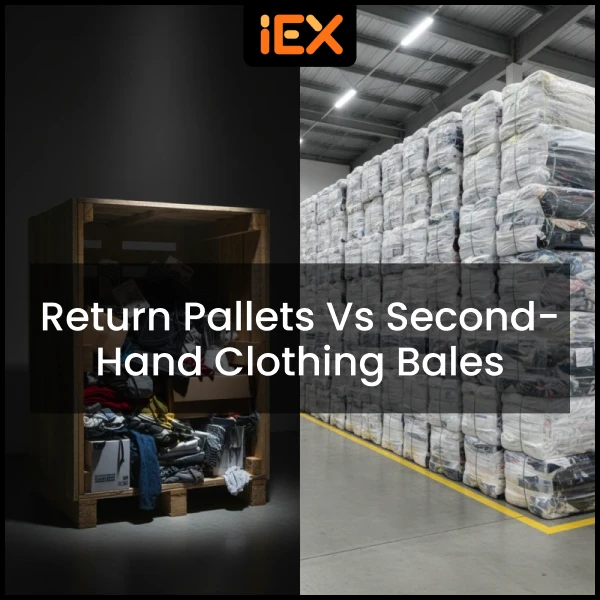
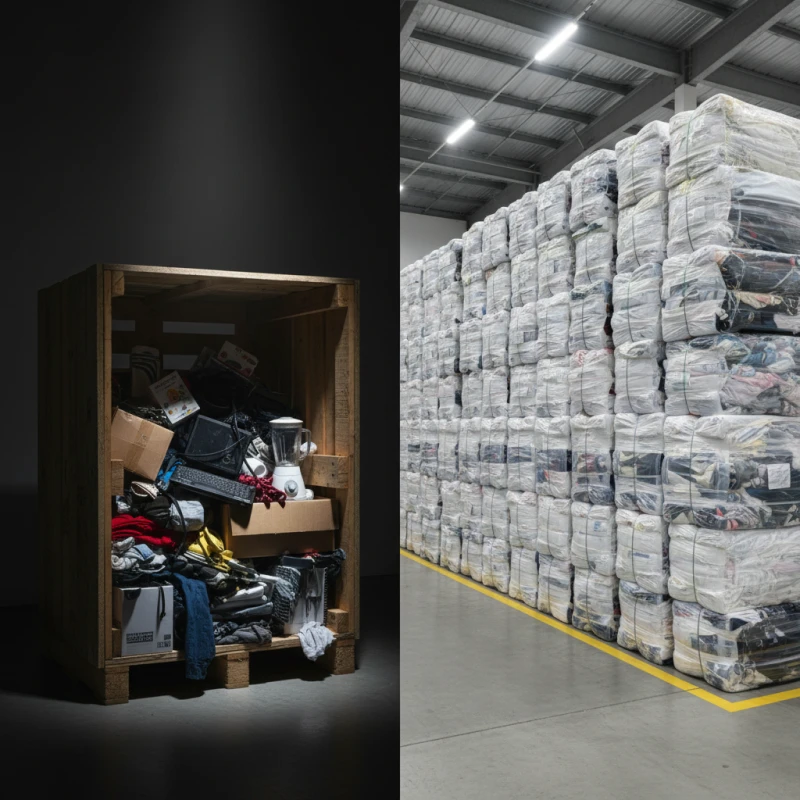
Return pallets—also called liquidation pallets—are bulk lots of customer-returned goods from major retailers. These may include electronics, apparel, home goods, tools, toys, or mixed categories. Buyers usually purchase them sight unseen, based on manifest estimates or vague descriptions.
In theory, the model looks attractive. You buy low, resell individual items, and pocket the difference. In practice, return pallets behave more like a speculative asset than a wholesale inventory model.
A single pallet may contain brand-new items, defective products, missing parts, or unsellable trash. Testing, sorting, and disposal become part of your operational cost. Profitability depends heavily on luck, experience, and local resale channels.
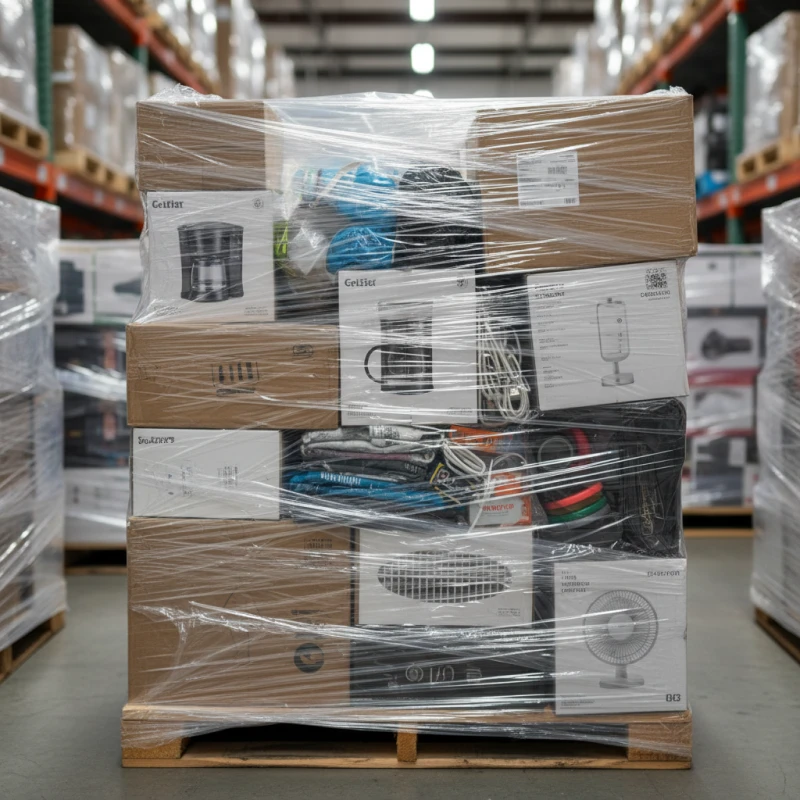
Common characteristics of return pallets:
- Mixed, unpredictable product categories
- High variance in resale value
- Heavy labor required for testing and sorting
- Difficult to scale beyond small volumes
Typical Return Pallet Cost Structure
| Item | Estimated Impact |
| Purchase cost | Low–medium |
| Labor & testing | High |
| Unsellable waste | 20–40% |
| Turnover speed | Slow |
| Margin consistency | Unstable |
What Are Second-Hand Clothing Bales?
Second-hand clothing bales are compressed bulk packs of used garments, sorted by season, category, grade, or demographic. Unlike return pallets, clothing bales are a repeatable industrial product, not a surprise box.
Global exporters like Indetexx operate large-scale sorting facilities with standardized grading systems. With a 20,000㎡ factory, 6,000 tons monthly sorting capacity, and exports to 110+ countries, Indetexx represents the mature end of this supply chain.
Clothing bales are purchased by weight (KG) or by container, making cost calculations transparent. Demand is global and continuous, especially in Africa, Southeast Asia, the Middle East, and South America.
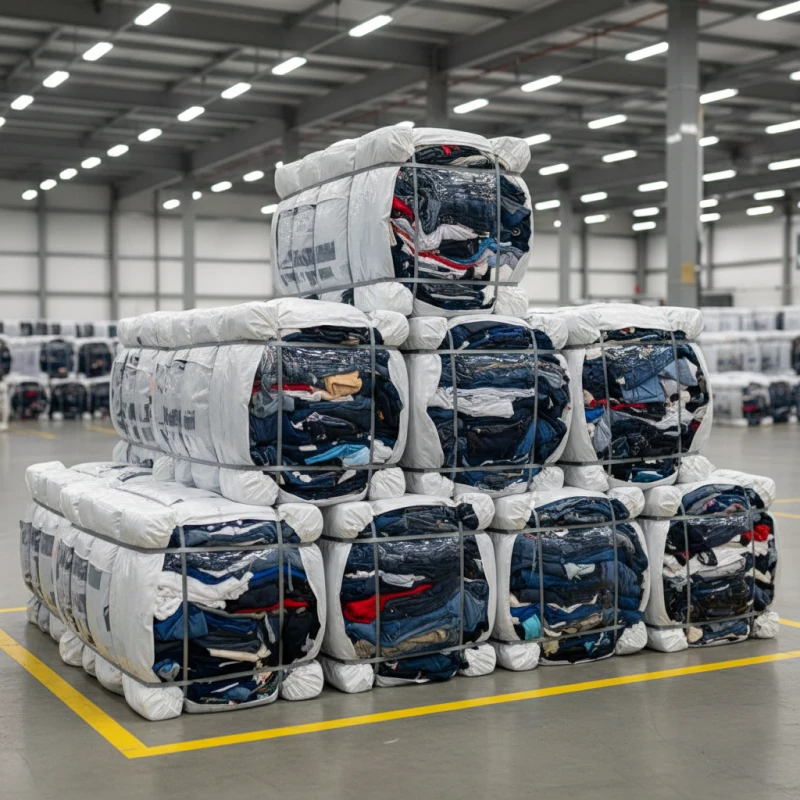
Core characteristics of clothing bales:
- Predictable categories and grades
- Low waste ratio
- Fast resale turnover
- High scalability
Typical Clothing Bale Cost Structure
| Item | Estimated Impact |
| Purchase cost | Medium |
| Labor required | Low |
| Unsellable waste | <5–10% |
| Turnover speed | Fast |
| Margin consistency | Stable |
Profitability Comparison: 2026 Reality Check
1. Capital Risk & Cash Flow
Return pallets lock cash into uncertain inventory. A bad pallet can wipe out profits from several good ones. Cash recovery is slow because items must be tested, listed, negotiated, and sometimes refunded.
Second-hand clothing bales offer fast cash conversion. In many African and Asian markets, bales are sold out within days of opening. Importers rotate containers monthly, maintaining healthy liquidity.
Verdict: Clothing bales win on cash flow stability.
2. Labor & Operational Cost
Return pallets demand intensive manual work—testing electronics, verifying parts, cleaning, repackaging, and customer service. Labor costs silently eat margins.
Clothing bales require minimal handling. Sorting is already completed at the factory level. Resellers focus on distribution, not diagnostics.
Verdict: Clothing bales scale with far less overhead.
3. Market Demand in 2026
Used clothing demand is structural, not cyclical. Population growth, inflation, and sustainability policies continue to drive second-hand apparel consumption worldwide.
Return pallets depend on consumer electronics cycles and platform policy changes. Supply quality fluctuates. Regulations on e-waste and returns are tightening in many regions.
Verdict: Clothing bales benefit from long-term demand fundamentals.
Margin Reality: Numbers That Matter
| Metric | Return Pallets | Clothing Bales |
| Gross margin (best case) | High | Medium–High |
| Gross margin (average) | Low–Medium | Stable Medium |
| Loss probability | High | Low |
| Repeatability | Low | High |
| Long-term ROI | Unstable | Predictable |
While return pallets occasionally deliver windfall profits, they fail consistency tests. Clothing bales may not feel exciting—but they compound profits reliably.
Why Professional Importers Prefer Clothing Bales
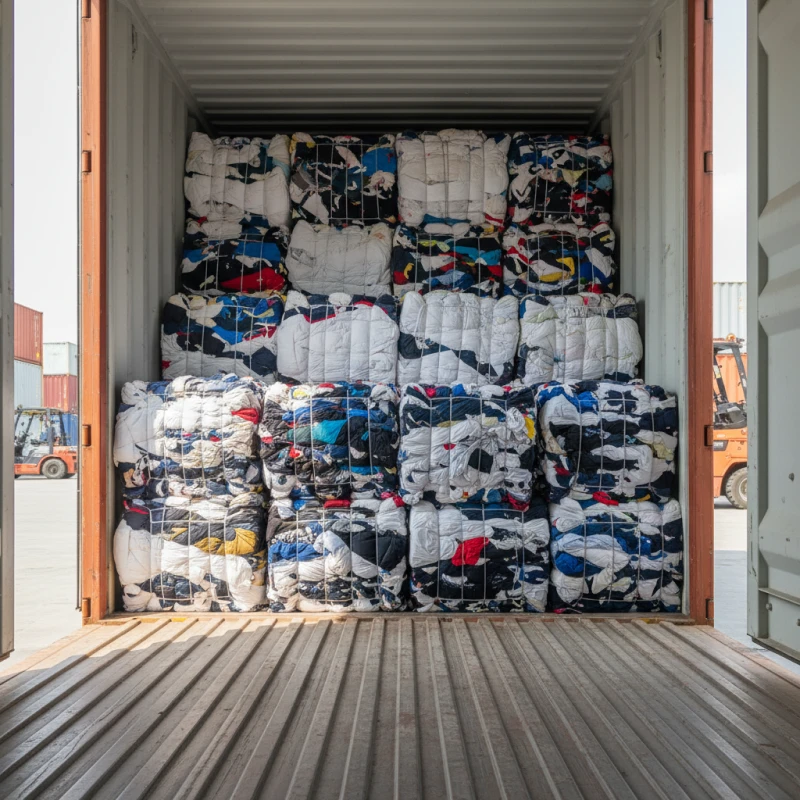
Experienced importers think in containers, not pallets. Clothing bales allow:
- Accurate landed cost calculation
- Custom category ratios (men/women/kids/summer/winter)
- Grade control (Cream / A / B)
- High container loading efficiency
Companies like Indetexx further reduce risk by offering customized sorting, stable raw material inventory (3,000 tons), and professional QC, ensuring that buyers receive what they expect—not what they gamble on.
When Return Pallets Still Make Sense
Return pallets are not “bad”—they are just situational.
They work best if you:
- Sell locally (Facebook Marketplace, flea markets)
- Have in-house repair skills
- Can absorb losses
- Operate at small scale
They are not ideal for exporters, container buyers, or businesses seeking predictable monthly income.
FAQ: Return Pallets vs Second-Hand Clothing Bales
1. Are return pallets more profitable than clothing bales?
Occasionally, yes—but only in short-term or lucky scenarios. Over time, clothing bales deliver higher cumulative profit with less volatility.
2. Which model is better for beginners?
Second-hand clothing bales. They are easier to understand, easier to sell, and easier to scale.
3. Do clothing bales still make sense in saturated markets?
Yes. Demand is consumption-driven, not trend-driven. Proper sorting and market-fit ratios matter more than novelty.
4. Can I mix both models?
Some businesses do—but they usually rely on clothing bales for cash flow and treat return pallets as experimental side inventory.
5. What matters more than product type?
Supplier reliability, grading transparency, and logistics efficiency. A strong supplier reduces risk more than any product choice.
Conclusion
In 2026, second-hand clothing bales clearly outperform return pallets for most businesses. Return pallets offer occasional high profits but come with unpredictable quality, high labor costs, and slow turnover, making them a risky and speculative option. They work best for small, local resellers or those willing to gamble on uncertainty.
On the other hand, clothing bales are stable, scalable, and have consistent demand worldwide, especially in Africa, Southeast Asia, and South America. With predictable costs, faster turnover, and lower risk, they are the preferred choice for serious wholesalers and long-term importers.
In summary, for long-term profit, second-hand clothing bales provide a safer, more reliable model. Return pallets may have occasional upside but are far less predictable and harder to scale. Businesses looking for steady, repeatable profits in 2026 should focus on structured wholesale models like clothing bales.