
In the wholesale apparel market, second hand businesses mainly rely on two bulk purchasing options: liquidation pallets and second-hand clothing bales. While both provide large quantities of inventory, they differ significantly in source, quality, profitability, supply consistency, and sustainability.
For second-hand clothing bale wholesalers, distributors, and resellers of second-hand bales, understanding these differences is essential for securing predictable inventory, optimizing profits, and driving long-term business growth.

Quick Takeaway
- Liquidation clothing includes unsold retail stock, overstock, or customer returns.
- Second-hand clothing bales are pre-owned garments that are sorted, graded, and categorized for resale.
- For consistent inventory, reliable quality, and sustainable profit, buying second-hand clothing bale is often the more practical option.
Comparison Table
| Feature | Liquidation Pallets Clothing | Second-Hand Clothing Bales |
| Source | Retail returns, overstock, seasonal clearance | Donated or recycled pre-owned garments |
| Quality Consistency | Low – varies per pallet, may include damaged or outdated items | High – graded (A, B, C) and sorted by category for predictable quality |
| Inventory Control | Low – uncertain mix and quantity | High – sorted by type, grade, season, and gender |
| Profitability | Variable – dependent on brand, item mix, and season | Stable – predictable resale margins with consistent quality |
| Supply Stability | Irregular – depends on retailer stock cycles | Continuous – ongoing collection from donation and recycling streams |
| Resale Markets | Short-term or niche sales, online arbitrage | Wholesale, export markets, thrift shops, sustainable retail |
| Scalability | Limited – variable availability and quality | High – can reorder specific grades/categories consistently |
1. Definition and Source
Liquidation pallets clothing comes from unsold retail stock, customer returns, or seasonal overstock. Each pallet usually contains a mix of sizes, brands, and conditions, which can make the inventory unpredictable and harder to manage.

In contrast, second-hand clothing bales are made from pre-owned garments collected through donations or recycling programs. These bales are carefully sorted into categories such as men’s wear, women’s wear, children’s clothing, or seasonal apparel, ensuring a more organized and reliable selection.
For wholesalers and distributors, choosing to buy bulk bales of second-hand clothing provides greater control over both the type and quality of inventory, making it easier to meet market demand and maintain consistent resale value.
2. Quality and Grading
Second-hand clothing bales are carefully graded—typically A, B, or C—based on garment condition. This ensures consistent quality and reliable resale value, allowing businesses to select bales of second-hand clothes that match their target market and customer needs.

These second hand bales also come in different types to suit various business demands, from unsorted bales offering a diverse mix of garments to branded clothing bales or mixed category bales for higher-end or multi-category resale markets. Certain second hand bale types are tailored to regional markets, such as Mitumba bales for East Africa or Ukay-ukay bales for Southeast Asia.
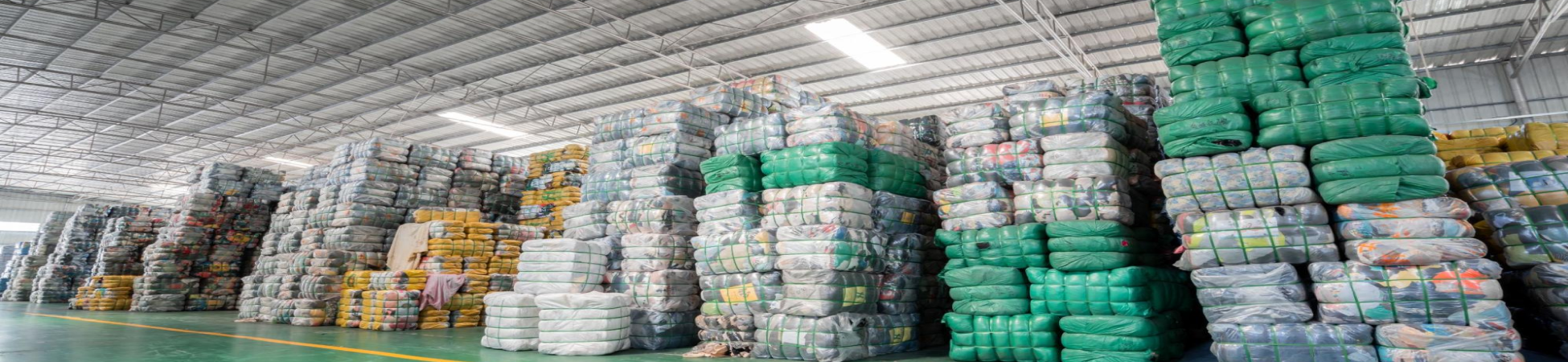
On the other hand, liquidation pallets clothing is less predictable. While some pallets may include high-quality items, others can contain outdated, mismatched, or even damaged merchandise, making it harder to maintain consistent inventory standards and reliable resale value.
3. Profitability and Resale Opportunities
Second-hand clothing bales enjoy steady demand in markets across Africa, Latin America, and Southeast Asia. Wholesalers and distributors can rely on bulk bales of second-hand clothing for consistent inventory turnover and predictable profit margins, making it easier to plan and scale their business.
In contrast, liquidation pallets clothing may come with lower upfront costs, but profitability can be unpredictable. Factors such as brand, item mix, and seasonal trends can cause fluctuations, making it more challenging to maintain stable resale margins.
Choosing bales of second-hand clothes allows businesses to combine quality, variety, and market demand for more reliable and sustainable profitability.
4. Supply Chain and Availability
Second-hand clothing bales benefit from a steady, continuous supply thanks to ongoing garment donations and recycling programs. This predictable flow allows wholesalers and distributors to plan inventory, reorder strategically, and maintain consistent availability for resale.
In contrast, liquidation pallets clothing relies on temporary retail overstock, returned merchandise, or seasonal clearance, making supply less reliable and harder to forecast.
For businesses looking to buy bales of second-hand clothes, a stable and continuous supply is essential to ensure smooth operations, consistent stock levels, and reliable resale opportunities.
5. Sustainability
Second-hand clothing bales play a key role in promoting a circular fashion economy. By extending the life of garments and reducing textile waste, they help wholesalers and distributors buy bales of second-hand clothes that are not only profitable but also environmentally responsible.
On the other hand, liquidation pallets clothing, while useful for clearing retail overstock, can still include unsellable or damaged items that may ultimately end up in landfills, offering limited sustainability benefits.
Choosing bulk bales of second-hand clothing allows businesses to support sustainable practices while maintaining consistent inventory and resale opportunities.
6. Advantages of Second-Hand Clothing Bales
Second-hand clothing bales offer a range of advantages that make them an ideal choice for wholesalers and distributors:
- Predictable quality: Grading and careful sorting ensure consistent condition, making it easier to plan resale strategies.
- Category flexibility: Secondhand bales can be selected by garment type, season, or gender to match specific market needs.
- Stable resale margins: Consistent quality and strong global demand help secure reliable profits.
- Scalability: Regular supply and predictable inventory support long-term business growth.
By choosing to buy bulk bales of second-hand clothing, second hand clothing businesses can operate with confidence, knowing each shipment is designed for resale consistency, profitability, and sustainability.
FAQs
Q1: What is the main difference between liquidation pallets clothing and second-hand clothing bales?
Liquidation clothing comes from unsold retail stock or returns, with variable quality. Second-hand clothing bales are graded and sorted pre-owned garments.
Q2: Are second-hand clothing bales profitable for resale?
Yes. Secondhand clothing bales offer consistent quality and demand, enabling predictable profit margins.
Q3: How are second hand clothing bales typically categorized?
Bales are sorted by grade (A, B, C), garment type (tops, bottoms, outerwear), and sometimes by season or gender.
Q4: Which markets prefer second-hand clothing bales?
Emerging markets in Africa, Latin America, and Southeast Asia demand bulk bales of second-hand clothing due to affordability, variety, and resale potential.
Consider Indetexx for Second-Hand Bales
For wholesalers and distributors seeking reliable second-hand clothing bales, Indetexx stands out as a leading second hand bale supplier in China. With over 13 years of experience serving global clients, Indetexx ensures consistent quality, scalable supply, and customized solutions tailored to market needs.
Key Advantages of Indetexx Second-Hand Clothing Bales:
- Wide Variety of Products: From children’s second hand clothes, dresses, and jackets to maternity wear, sneakers, and vintage items, Indetexx provides a broad selection of second-hand bales tailored for different resale markets.
- Graded and Sorted for Predictable Quality: Bales are classified into Grade A and B and professionally sorted by type, size, season, and condition to ensure consistent, reliable quality.
- Customizable Bale Options: Buyers can choose bale weight (40–100kg), exterior packaging, sorted or unsorted bale clothing, and even add branded logos to match their business needs.
- High Loading Efficiency: Containers can be loaded with up to 28,600kg (640 bales) in a 40-ft container or 13,500kg (300 bales) in a 20-ft container, maximizing shipping efficiency and reducing freight costs.
- Strict Quality Control: All garments undergo six rounds of inspection, including raw material checks, sorting verification, and pre-shipment assessment, ensuring only top-quality products reach customers.
- Reliable Logistics & Fumigation: Certified fumigation guarantees pest-free shipments, with fast and secure delivery worldwide.
- Stable Supply & Fast Lead Time: With a monthly processing capacity of 6,000 tons and 3,000 tons of raw material inventory, Indetexx ensures a continuous supply, with lead times of just 7–15 days.
- Value-Added Services: Indetexx provides business support, market insights, and hot-selling product recommendations to help wholesalers and distributors maximize profitability.
- By sourcing from Indetexx, wholesalers and distributors gain access to a stable supply of high-quality, customizable second-hand clothing bales. This ensures predictable resale margins, minimizes inventory risk, supports long-term business growth, and contributes to sustainable fashion practices.
By sourcing from Indetexx, wholesalers and distributors can secure a stable supply of high-quality, customizable second-hand clothing bales. This ensures predictable resale margins, reduces inventory risk, and supports long-term business growth—while also contributing to sustainable fashion practices.
Conclusion
Both liquidation pallets clothing and second-hand clothing bales are options for wholesale sourcing. Liquidation pallets can provide low-cost, short-term opportunities but are unpredictable in quality and supply.
Second-hand clothing bales provide graded, sorted, and reliable inventory, making them ideal for wholesale bales clothes, predictable profit margins, and long-term business stability.
Buying bulk bales of second-hand clothing allows wholesalers, distributors, and resellers to maintain consistent inventory, scale operations efficiently, and support sustainable fashion practices.