Introduction: Used Branded Clothes Are Not Just “Better Mixed Clothing”
Many buyers assume that sourcing wholesale used branded clothes is simply an upgraded version of buying mixed used clothing. In reality, branded second-hand apparel operates under a completely different logic. Brand value only translates into profit when authenticity, condition, and brand structure are controlled at the supply level. Without this control, “branded” bales quickly turn into overpaid mixed stock.
The key challenge is not where branded clothes exist, but where they are intentionally separated, verified, and preserved as a sellable category. This article takes a deeper, more practical look at where to buy wholesale used branded clothes by focusing on sorting depth, raw material origin, and resale-driven supply models—information most generic guides do not cover. If your goal is higher margins and predictable sell-through, understanding these hidden layers matters more than knowing supplier names.
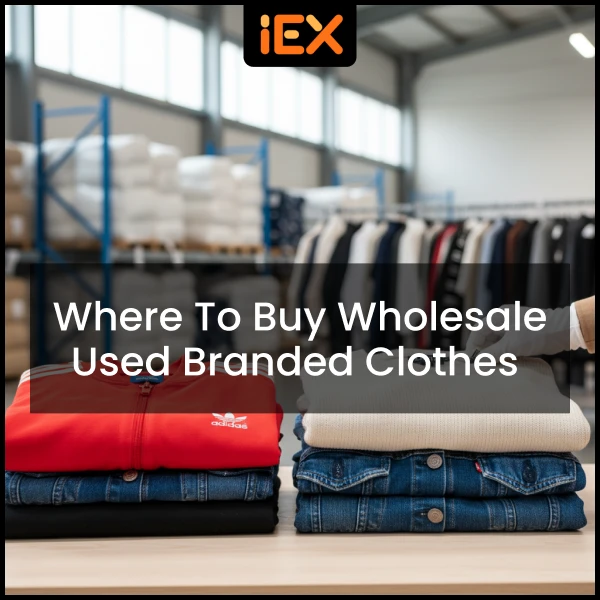
This guide focuses on:
- Structural differences in branded sourcing
- How brand value is preserved (or destroyed)
- Where real information gain exists for buyers
What Makes Used Branded Clothes Harder to Source Than People Expect
Used branded clothes are scarce not because brands are rare, but because correctly isolating them is labor-intensive and costly. In raw second-hand clothing streams, branded items are mixed with unbranded garments at random.
Extracting value requires trained workers who can identify logos, labels, stitching standards, and current brand relevance. Low-level suppliers often label anything with a logo as “branded,” regardless of condition or resale demand. True branded sourcing also depends on raw material quality—clothing collected from high-consumption urban areas naturally contains more recognizable brands.
Without access to these raw streams and disciplined sorting rules, branded bales become inconsistent. This is why many buyers feel branded used clothes are “hit or miss”—the sourcing foundation is usually weak.
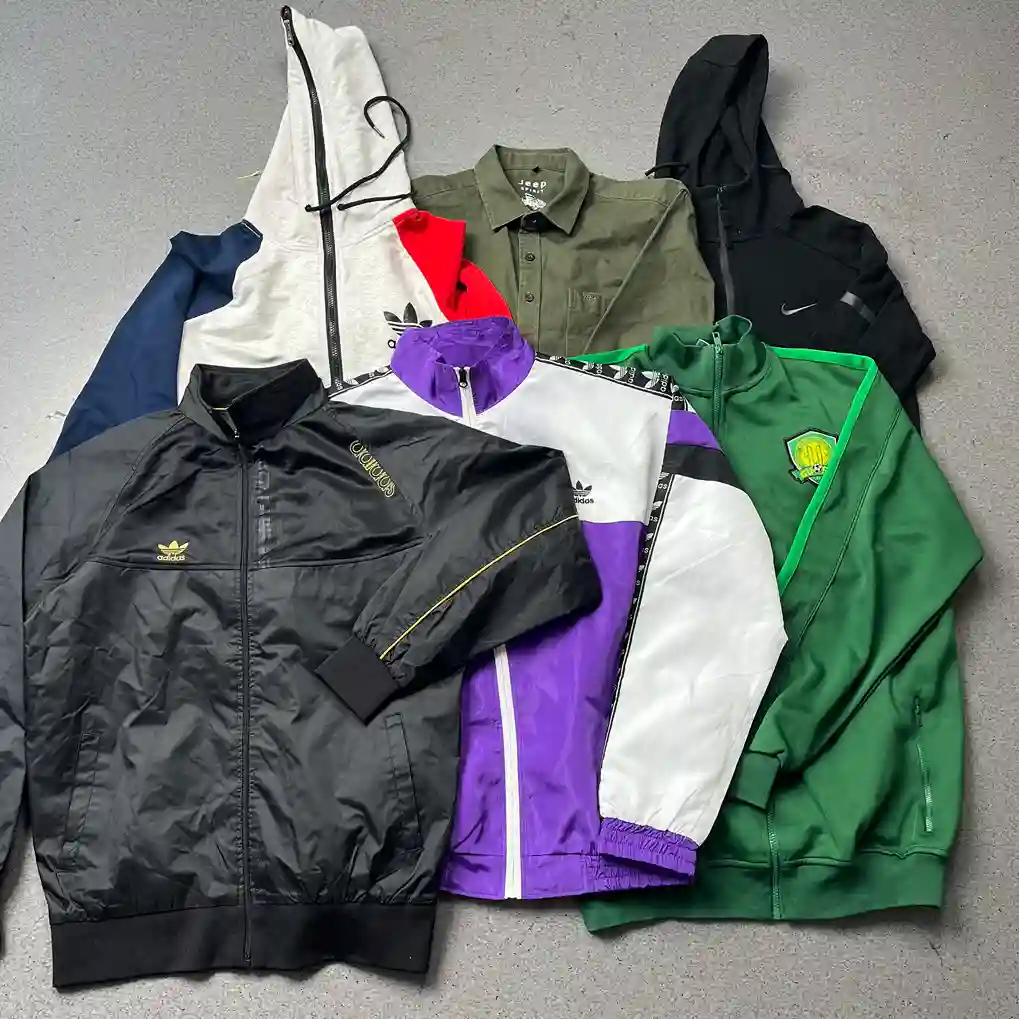
Key challenges in branded sourcing:
- Brand identification accuracy
- Condition sensitivity of branded buyers
- Rapid brand trend turnover
Source Model 1: Factory-Level Branded Sorting (Most Reliable)
The most reliable place to buy wholesale used branded clothes is from exporters that run dedicated branded sorting lines inside large second hand factories. These branded used clothes suppliers do not “collect” branded clothes—they extract them through multi-layer sorting.
A representative example is Indetexx, where branded items are separated only after primary grading removes damaged or outdated garments. This model ensures that brand value is preserved before packing. Unlike traders, factory exporters can control brand density, reject borderline items, and adapt mixes by destination market. This level of control is what allows branded clothes to perform consistently in resale channels.
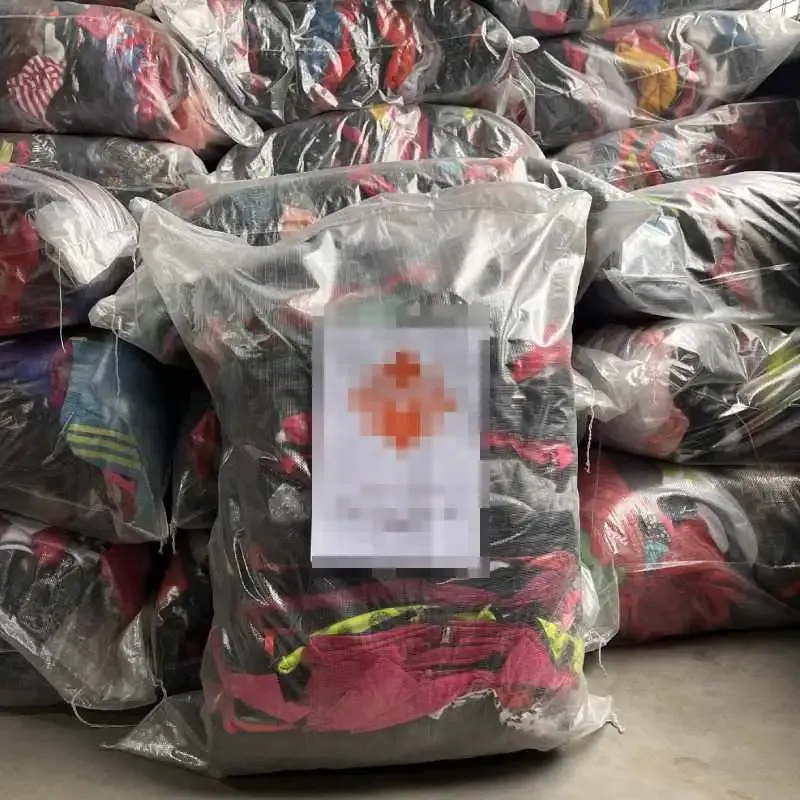
Why this model works:
- Brand-focused secondary sorting
- Controlled rejection rate
- Stable branded output at scale
Source Model 2: Brand-Heavy Raw Material Regions
Not all wholesale branded clothing comes from the same places. Suppliers sourcing raw materials from first-tier consumer cities naturally achieve higher brand density. Areas with strong fast-fashion consumption cycles produce more H&M, Nike, Adidas, and Uniqlo items in better condition. Buyers rarely ask where raw materials come from, yet this factor determines long-term brand consistency. Suppliers relying on rural or donation-only streams struggle to maintain branded ratios, even if their pricing looks attractive. Understanding this upstream reality helps buyers avoid unrealistic expectations and repeated disappointment.
Raw material origin impacts:
- Brand recognition rate
- Style relevance
- Size distribution
Source Model 3: Local Branded Wholesalers (Useful but Limited)
Local wholesalers often market themselves as branded clothing specialists, but their role is fundamentally different. They resell imported stock rather than control its structure. While this channel is useful for testing resale speed or customer response, it lacks transparency. Buyers cannot verify original sorting standards or brand rejection rules. Over time, this leads to inconsistent restocking and margin compression. Local wholesalers are best viewed as distribution shortcuts, not supply chain foundations.
When this channel makes sense:
- Small trial volumes
- Immediate local resale
- Short-term opportunities
Why “Brand Ratio” Alone Is a Misleading Metric
Many sellers promote branded clothes using percentage claims, such as “70% branded.” This number is meaningless without context. A bale with 70% low-demand or outdated brands can underperform a 40% bale with strong brand relevance. Professional buyers evaluate branded stock by brand tiers, condition spread, and resale velocity, not raw percentages. Suppliers who understand this design branded bales differently for Africa, South America, or online resale markets. Buyers who rely solely on ratios often overpay for theoretical value that never converts into cash.
What matters more than ratio:
- Brand sellability
- Condition-to-price balance
- Market-specific brand demand
How Professional Buyers Audit Branded Suppliers
Experienced buyers do not rely on promises. They audit branded suppliers through process transparency. Instead of asking “what brands do you have,” they ask how brands are separated, rejected, and packed. They request sorting flow explanations, packing videos, and past shipment references. This approach filters out traders quickly. Suppliers capable of answering process-level questions are usually factories; those who cannot are usually resellers.
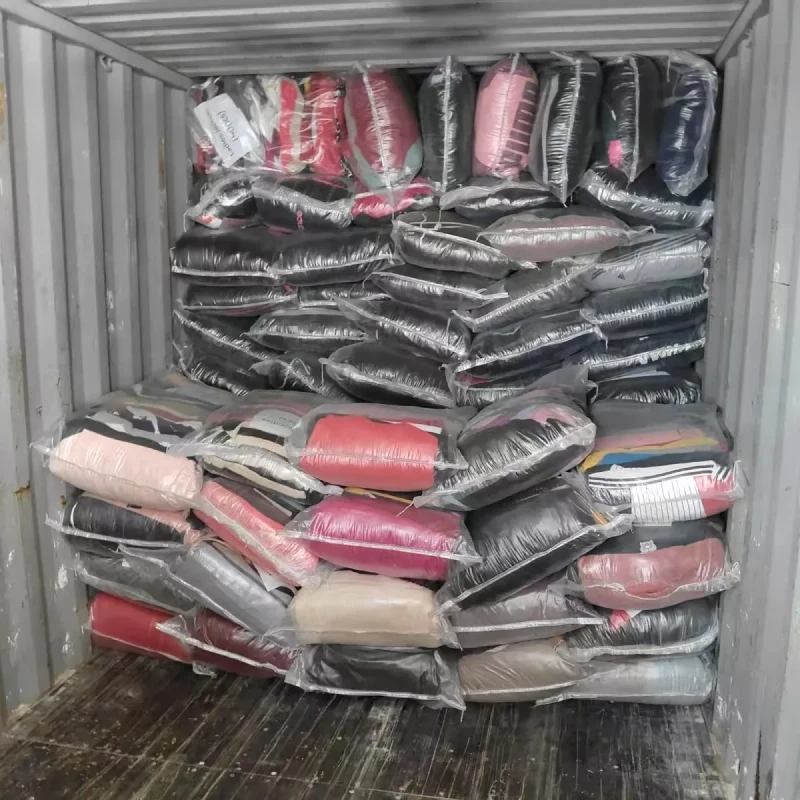
Professional audit questions include:
- At which stage are brands separated?
- How are damaged branded items handled?
- Is brand sorting continuous or occasional?
Why Scale Determines Long-Term Branded Supply Stability
Branded clothing supply fluctuates more than mixed clothing because it depends on consumer trends. Large second hand clothes factories absorb this fluctuation better. With higher raw material volume, they can maintain branded output even when brand density dips temporarily. Smaller suppliers cannot, leading to inconsistent shipments. Scale also enables exporters to maintain trained sorting teams—critical for branded accuracy. Over time, buyers working with large-scale factories experience fewer quality shocks and more predictable margins.
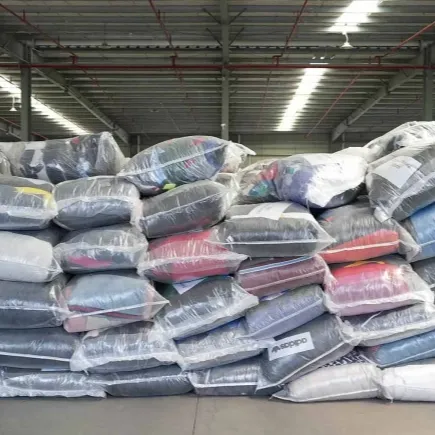
Scale advantages include:
- Consistent branded availability
- Lower volatility across shipments
- Better adaptation to trend shifts
FAQ: Buying Used Branded Clothes
1. How can I verify that used branded clothes are genuinely branded?
The most reliable way is to check how branded items are sorted, not just which brands are listed. A serious wholesale used brand clothes supplier should clearly explain at which stage brands are separated and how damaged branded items are rejected. Packing or loading videos showing random pieces are far more trustworthy than curated photos. Factory exporters such as Indetexx usually have dedicated branded sorting processes, which makes verification easier.
2. Why does the resale performance of branded bales vary so much between suppliers?
Because branded resale depends on brand relevance, condition, and style, not just the presence of labels. Some suppliers include outdated or low-demand brands that look good on paper but sell slowly. Others focus on fast-fashion and sportswear brands that match current market demand. The difference comes from raw material quality and sorting discipline.
3. Is it better to buy used branded clothes by country or by supplier type?
Supplier type is more important than country. A factory-based second hand clothes exporter with strong sorting control will outperform a trader, even if both operate in the same region. Buyers should prioritize sorting depth, process transparency, and supply stability over geographic assumptions.
4. Is quality variation normal when buying used branded clothes?
Some variation is normal in second-hand goods, but large fluctuations are not. Stable suppliers control variation through standardized grading rules and high raw material volume. Frequent quality swings usually indicate weak sorting systems or inconsistent sourcing.
5. What is the safest way to test a new used branded clothing supplier?
Start with a small trial order and focus on resale speed rather than appearance alone. Ask for real packing or loading videos and detailed explanations of grading standards. How a supplier answers process-related questions often reveals more than pricing.
6. Are used branded clothes suitable for long-term wholesale business?
Yes, but only when sourced from suppliers with structured branded sorting and stable capacity. Without this foundation, branded supply becomes unpredictable and difficult to scale. Long-term wholesalers usually partner with exporters who can maintain consistent brand output over time.
Conclusion: Where to Buy Used Branded Clothes for Real Profit
The real answer to where to buy wholesale used branded clothes is not a marketplace or a country—it is a supply model. Buyers who treat branded clothing as a premium product requiring process control consistently outperform those chasing labels without structure. Factory-level branded sorting, strong raw material origins, and transparent workflows are what convert brand names into profit.
Local wholesalers and online sellers may serve short-term needs, but they cannot sustain a branded business. For buyers focused on long-term resale performance, partnering with exporters that control sorting depth and scale is the most reliable path forward.
Final takeaways:
- Branded value is created during sorting, not selling
- Process transparency beats brand promises
- Long-term profit comes from controlled supply, not luck