The second hand clothing business has evolved from small thrift markets into a global industry, supported by large wholesale second hand clothing suppliers that collect, sort, and export garments worldwide.
Every year, millions of tons of used garments move across international supply chains, connecting collection systems in developed countries with resale markets across Africa, Southeast Asia, the Middle East, and Latin America.
For many entrepreneurs, this industry offers a unique opportunity: low entry costs, strong demand, and high inventory turnover. At the same time, it plays an important role in sustainability by extending the life cycle of clothing that would otherwise become textile waste.
But how does the second hand clothing business actually work?
Who collects the clothes?
How do they move across countries?
And how do wholesalers and retailers profit from this trade?
This guide explains what the second hand clothing business is, how the global supply chain works, and why it continues to grow worldwide.
Quick Takeaway
Before diving deeper into the global supply chain, here are the key points about the second hand clothing business:
- The second hand clothing industry collects, sorts, and resells previously worn garments across global markets.
- Clothing is typically collected in developed countries and exported to regions with strong demand for affordable fashion.
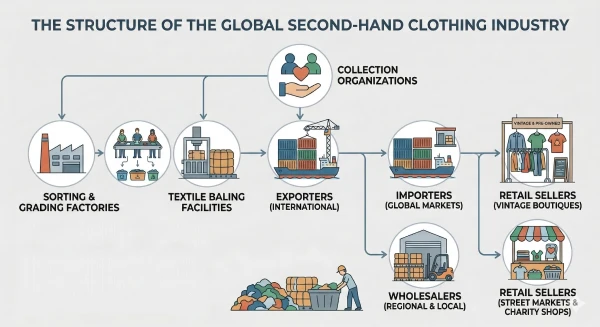
- The supply chain usually includes collection → sorting → baling → export → wholesale → retail.
- Major markets for used clothing include Africa, Southeast Asia, and Latin America.
- The business offers opportunities for wholesalers, importers, market traders, and online resellers.
- Sustainability and circular fashion are major factors driving the industry’s rapid growth.
Understanding how the system works helps entrepreneurs reduce risk and identify profitable opportunities within the global used clothing trade.
What Is the Second Hand Clothing Business?
The second hand clothing business refers to the buying, selling, sorting, and redistribution of previously worn garments. These clothes are collected, processed, and resold in different markets where there is demand for affordable apparel.
The industry operates across several levels:
- Collection organizations
- Sorting factories
- Exporters
- Importers and wholesalers
- Retail sellers
Instead of being discarded, clothing is reused, recycled, or resold, creating economic value at every stage.
In many countries, second hand clothing is known by different names:
- Used clothing
- Pre-owned clothing
- Vintage clothing
- Thrift clothing
Regardless of the terminology, the concept remains the same: extending the lifespan of garments through resale and reuse.
Why the Second Hand Clothing Industry Is Growing
The global second hand clothing market has grown rapidly over the past decade. Several factors are driving this expansion.
Rising Demand for Affordable Clothing
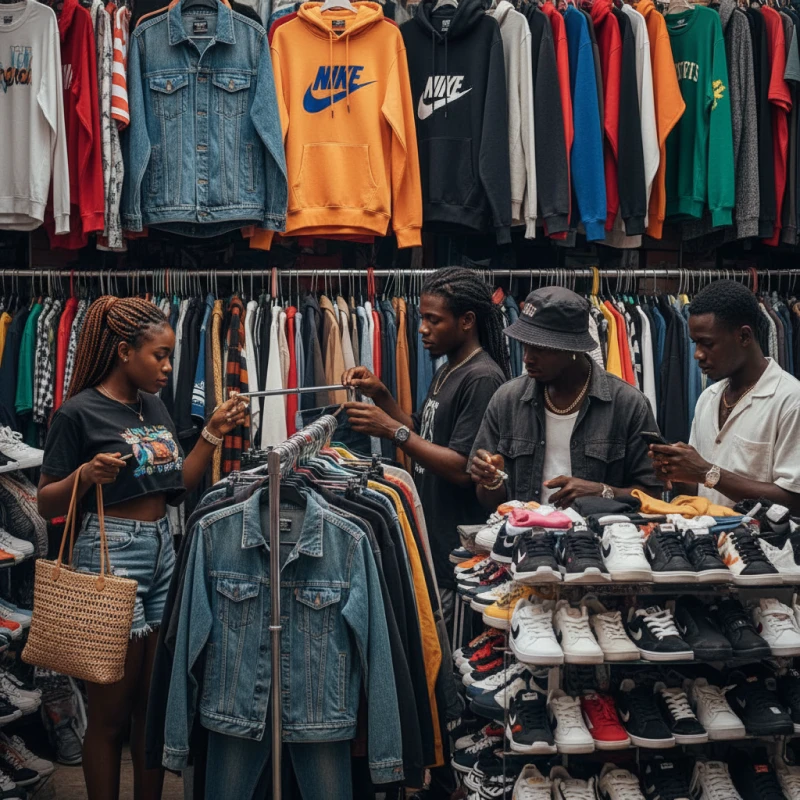
In many developing countries, new imported clothing can be expensive due to manufacturing costs and import taxes. Used clothing offers a much more affordable alternative, making it accessible to a wider population.
This is one reason why second hand clothing markets are extremely popular in regions such as:
- Africa
- Southeast Asia
- South America
In many cities, entire marketplaces specialize in used apparel.
Sustainability and Circular Fashion
Another reason for the industry’s growth is sustainability. The fashion industry produces massive amounts of waste every year. By reselling garments, the second hand clothing business helps create a circular fashion economy, reducing environmental impact.
Consumers are increasingly interested in reusing and recycling clothing, which further supports the industry.
Profit Opportunities for Entrepreneurs
For wholesalers and retailers, second hand clothing offers several advantages:
- low purchasing cost
- strong demand in many markets
- high resale margins
These characteristics make the industry attractive for small businesses and large importers alike.
How the Global Second Hand Clothing Supply Chain Works
The second hand clothing business operates through a global supply chain that connects clothing collection systems with resale markets worldwide.
Although the details may vary between suppliers, the process typically includes several key stages.
1. Clothing Collection
The first stage of the supply chain is collection.
Used clothing is gathered from multiple sources, including:
- charity donation bins
- clothing drives
- thrift stores
- recycling programs
- individual donations
Large collection networks in developed countries—such as the United States, Canada, the United Kingdom, and parts of Europe—gather huge volumes of used garments each year.
Once collected, the clothing is transported to sorting facilities.
2. Sorting and Classification
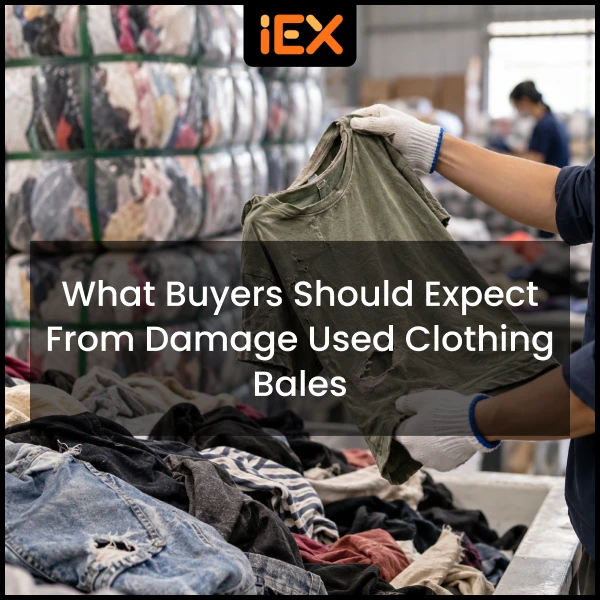
After collection, the clothing arrives at sorting factories where workers follow a detailed used clothing sorting process to separate garments by quality, category, and season.
Sorting is a crucial step because it determines the quality and resale value of each item.
In professional sorting facilities, clothing may be classified according to:
- condition (cream, grade A, grade B)
- garment type (T-shirts, jeans, jackets)
- season (summer or winter)
- gender (men, women, children)
- brand or style
Large-scale sorting plants can process thousands of tons of clothing every month, organizing garments into over 100 different categories.
This process helps buyers receive more consistent product mixes that match their target markets.
3. Baling and Packaging
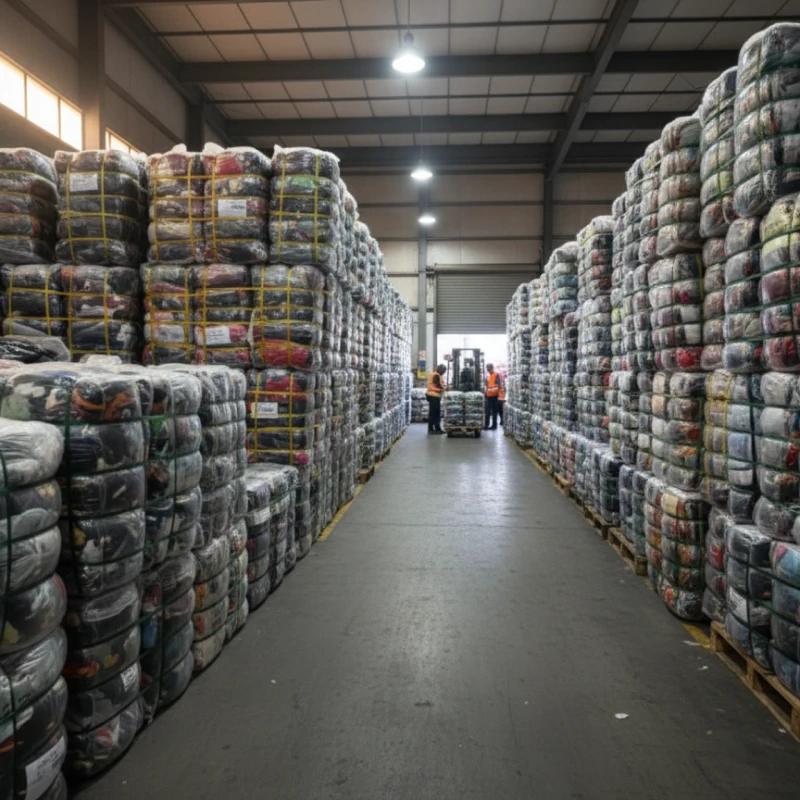
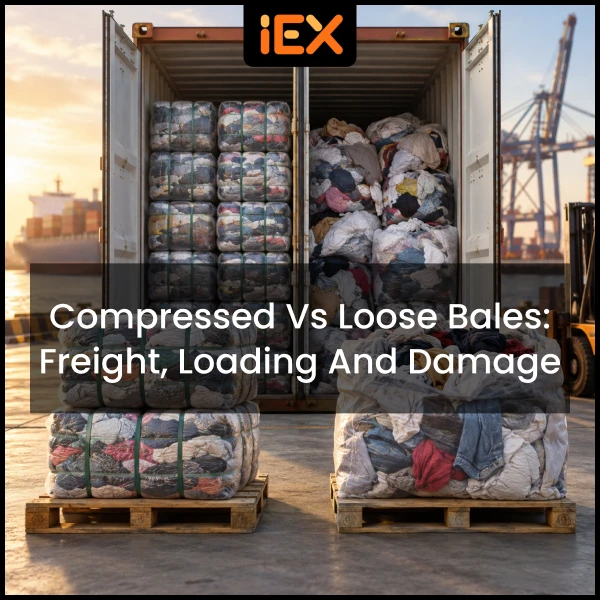
Once sorted, the clothing is compressed into clothing bales for transportation.
Bales typically weigh between 40 kg and 100 kg, depending on the supplier and the type of product.
Compression packaging serves several purposes:
- reducing shipping space
- lowering transportation costs
- protecting garments during export
These bales are then prepared for international shipment.
4. Export and International Distribution
The next stage is export.
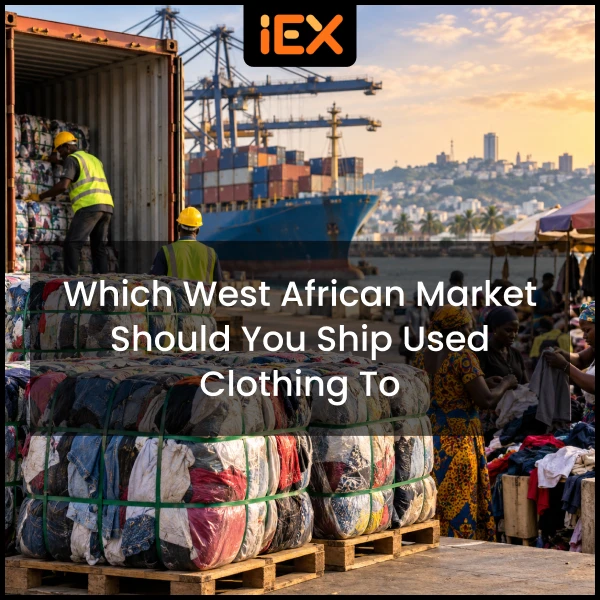
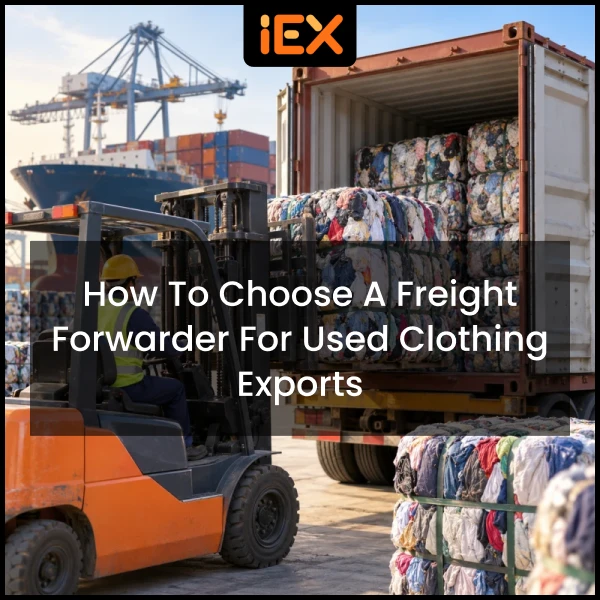
Used clothing exporters ship large quantities of sorted garments to international markets. These shipments are usually transported in shipping containers by sea.
A single container can hold hundreds of bales, depending on weight and compression.
Exporters often customize shipments based on buyer requirements, including:
- category ratios
- quality grades
- seasonal products
Reliable exporters with large sorting capacity can process thousands of tons of clothing monthly and maintain stable global supply.
5. Importers and Wholesale Distribution
When the container arrives in the destination country, the clothing is handled by importers or wholesale distributors.
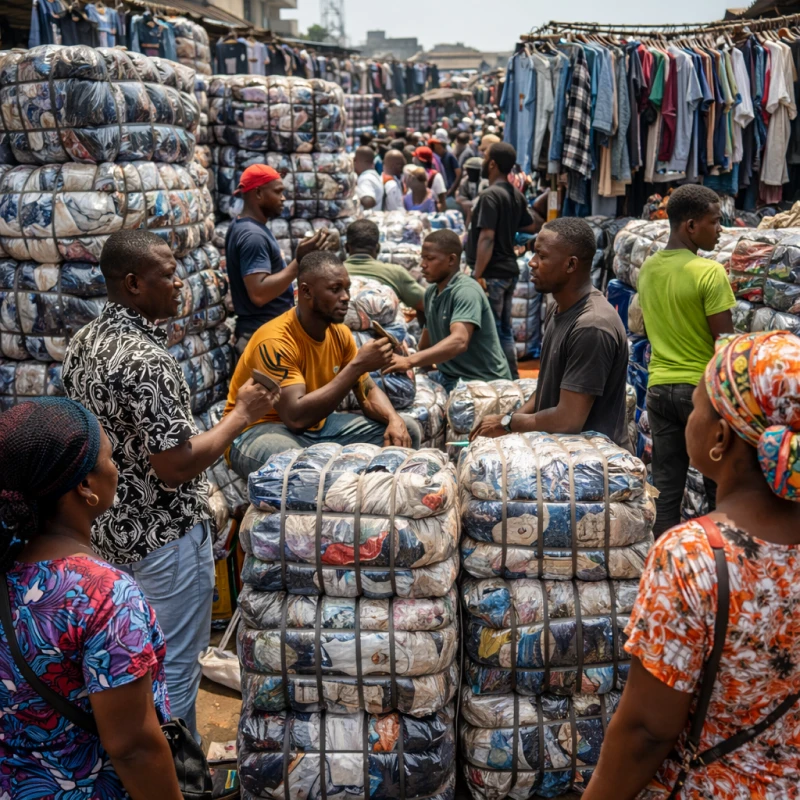
These businesses purchase containers of used clothing and then sell the bales to:
- market traders
- retail shops
- small wholesalers
- online resellers
Importers play a key role in the supply chain because they distribute clothing across regional markets.
In some countries, used clothing wholesalers supply entire national networks of retailers.
6. Retail Sales
The final stage of the supply chain is retail sales to consumers.
Second hand clothing is sold through many different channels:
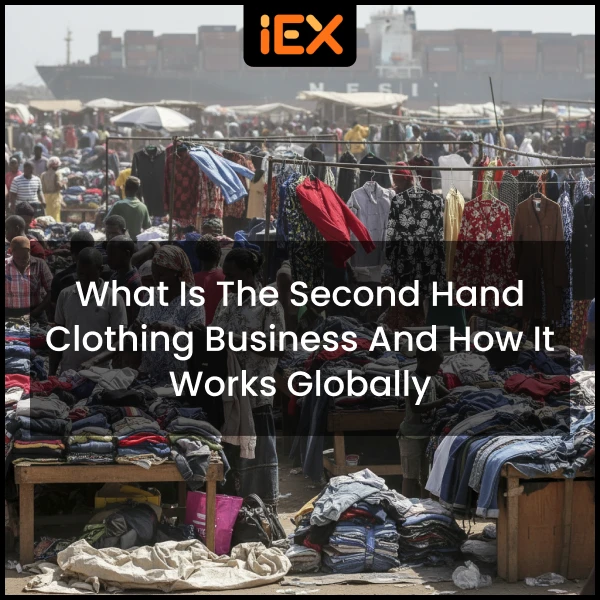
- open-air markets
- thrift shops
- vintage boutiques
- online platforms
- street vendors
The pricing varies depending on quality, brand, and condition.
For example:
- basic items may sell at low prices for daily use
- branded or vintage clothing can sell at much higher prices
This flexibility allows retailers to target different customer segments.
Major Global Markets for Second Hand Clothing
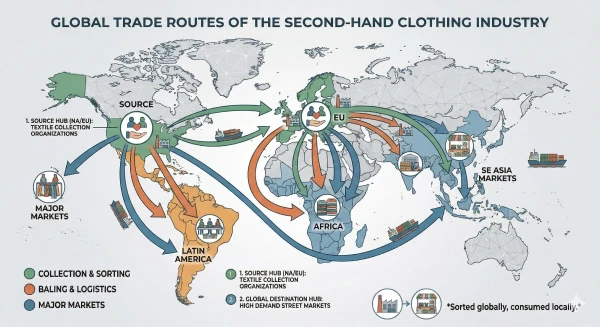
The second hand clothing industry spans many regions, but several markets dominate global demand due to population size, purchasing power, and the need for affordable clothing.
Africa
Africa is widely considered the largest market for used clothing imports. In many countries, second hand garments are a major part of the clothing retail sector.
Countries such as:
- Kenya
- Ghana
- Nigeria
- Tanzania
have large second hand clothing markets where imported garments are sold daily in wholesale markets, street stalls, and retail shops. These markets thrive because used clothing provides affordable and accessible fashion for millions of consumers.
Southeast Asia
Second hand clothing is also popular in many Southeast Asian countries. In this region, used garments are commonly sold in open markets and small shops.
Key markets include:
- Philippines
- Malaysia
- Thailand
Consumers in Southeast Asia often prefer lightweight clothing, casual styles, and fashionable items, which are suitable for the region’s warm climate.
Latin America
Demand for second hand clothing in Latin America has grown steadily in recent years. Buyers in this region often look for modern styles, branded clothing, and sportswear.
Used clothing provides consumers with access to well-known international brands at more affordable prices, making it attractive to younger shoppers and fashion-conscious buyers.
Online Resale Markets
In developed countries, the second hand clothing market is expanding rapidly through online resale platforms. Websites and mobile apps allow individuals and small businesses to buy and sell used garments directly.
These platforms have created a new segment within the industry where sellers focus on items such as:
- vintage fashion
- branded clothing
- streetwear
Online resale has become especially popular among younger consumers who are interested in sustainable fashion and unique clothing styles.
Types of Products in the Second Hand Clothing Trade
The second hand clothing industry includes several product categories, each designed to meet the needs of different buyers and markets. Depending on quality, sorting level, and brand value, these products can be sold through wholesale markets, retail shops, or online resale platforms.
Understanding these categories helps buyers choose the right type of inventory based on budget, target customers, and resale strategy.
Mixed Used Clothing Bale
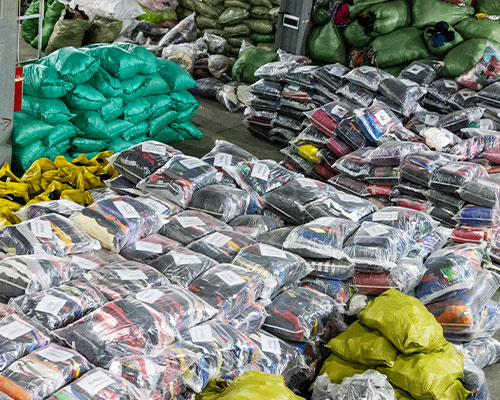
Mixed used clothing bale is one of the most common products in the second hand clothing trade. These bales contain a variety of garments combined in one package, making them suitable for wholesalers and market traders who want diverse inventory.
Typical items in mixed clothing bales include:
- T-shirts
- jeans
- dresses
- jackets
- casual wear
Because these bales contain different categories of clothing, they allow sellers to offer a wide range of products to customers. This variety often helps attract more buyers in open markets or retail shops.
Mixed clothing is especially popular among:
- wholesale distributors
- market traders
- small retail shop owners
Since the purchase cost is relatively affordable and the assortment is diverse, mixed clothing is often considered the entry-level option for new businesses in the second hand clothing industry.
Branded Used Clothing
Branded clothing includes garments from well-known international fashion labels and sportswear brands. These items are typically separated during the sorting process because they can be resold at higher prices.
Common brands found in second hand clothing exports may include labels such as:
- Nike
- Adidas
- Zara
- Levi’s
- H&M
Because of their brand recognition and fashionable appearance, these garments usually have higher resale value compared to standard mixed clothing.
Branded clothing is particularly popular among:
- boutique shop owners
- vintage clothing sellers
- online resellers
- urban fashion retailers
In many markets, branded second hand clothing attracts younger consumers who want fashionable styles at more affordable prices.
Original Unsorted Clothing
Original unsorted clothing refers to garments that have not yet gone through a detailed sorting process. These clothes are typically packed directly from collection sources without separating categories or quality levels.
Because they require additional sorting work, unsorted bales are usually sold at lower prices.
However, they also offer certain advantages:
- the possibility of finding high-value items
- lower purchase cost per kilogram
- flexibility in sorting according to specific market needs
For this reason, original unsorted clothing is commonly purchased by:
- sorting factories
- large wholesalers
- recycling companies
These buyers often have their own teams to sort the clothing into different grades and product categories before resale.
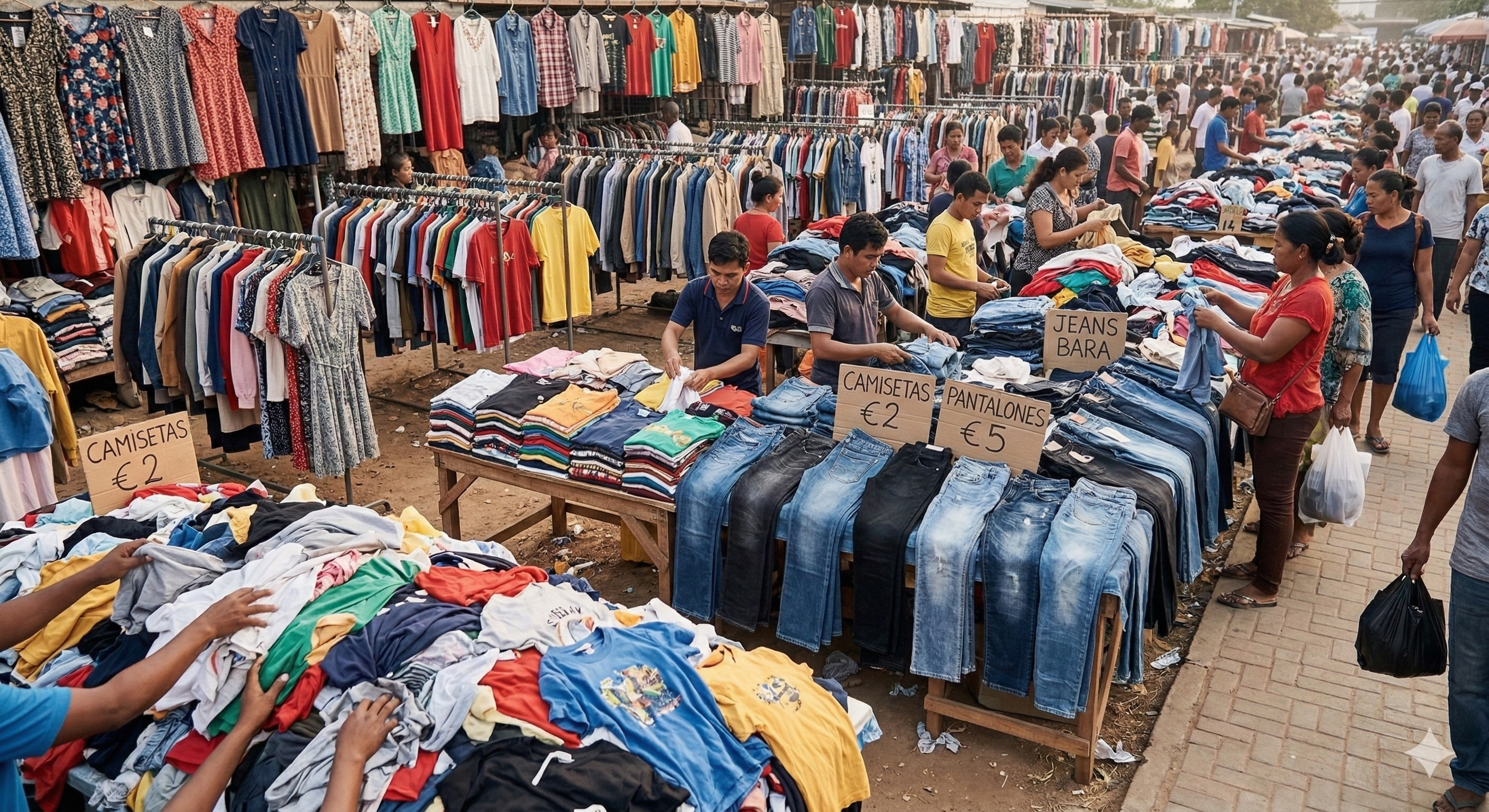
Profit Opportunities in the Second Hand Clothing Business
The second hand clothing industry offers profit opportunities at different levels of the supply chain. From large importers to small traders and online sellers, businesses can generate income by reselling used garments in markets where demand is strong.
Import and Wholesale
At the wholesale level, businesses import clothing in bales or full containers and distribute them to retailers or market traders. Profits typically depend on:
- purchase cost of the clothing
- shipping and logistics costs
- local resale demand
Choosing the right product mix and quality grade can significantly improve profitability.
Market Trading
Many entrepreneurs start by buying individual bales and selling the garments piece by piece in local markets. Because the purchase price is relatively low, traders can earn good margins by reselling each item separately.
Market trading commonly takes place in:
- open-air markets
- street stalls
- small retail shops
With the right product selection, sellers can achieve fast turnover and steady income.
Online Resale
Online resale has become a fast-growing segment of the second hand clothing industry. Sellers often focus on higher-value items such as:
- vintage fashion
- branded clothing
- rare pieces
These products can attract niche buyers and sometimes sell for several times their purchase price, making online resale a profitable option for specialized sellers.
Challenges in the Industry
Despite its many opportunities, the second hand clothing business also comes with several challenges. Understanding these risks can help businesses prepare better and operate more successfully.
Quality Variability
One of the most common challenges is inconsistent product quality. Not all shipments contain the same condition or mix of garments. Some bales may include more sellable items than others, which can affect profitability. For this reason, working with reliable suppliers and clear grading systems is essential.
Import Regulations
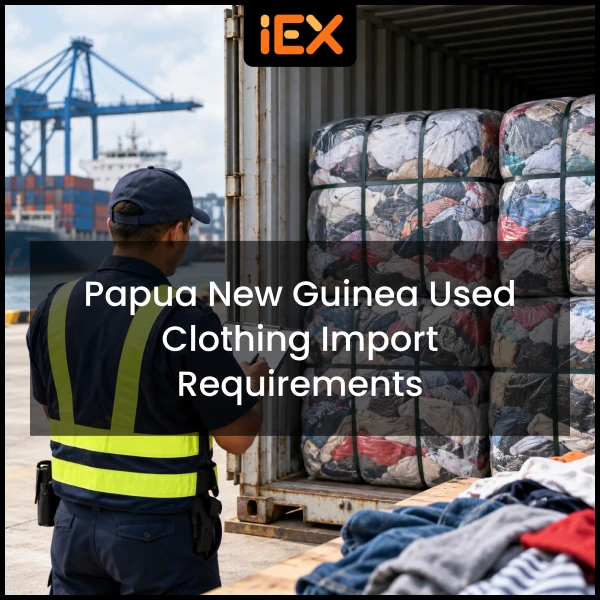
In some countries, governments regulate or restrict the import of used clothing. These rules may include import permits, hygiene requirements, or trade limitations. Importers must carefully research local regulations and customs policies before starting the business.
Market Competition
In regions where second hand clothing is highly popular, competition among traders can be intense. Many sellers may offer similar products in the same markets. To stay competitive, successful businesses usually focus on product quality, competitive pricing, and strong supplier relationships.
The Role of Large Sorting Factories
Large sorting factories play a crucial role in the global second hand clothing trade. These facilities handle enormous volumes of garments collected from different regions and prepare them for international markets.
Many large-scale sorting centers operate with:
- thousands of workers
- large sorting lines
- standardized quality control systems
Workers carefully separate garments based on type, condition, season, and style, allowing exporters to create more consistent product categories for buyers.
Factories with high sorting capacity can process several thousand tons of clothing each month, ensuring a stable and continuous supply for international importers.
For buyers, working with experienced exporters and professional sorting factories helps ensure better product consistency, clearer grading standards, and more reliable shipments.
Frequently Asked Questions (FAQ)
Is the second hand clothing business profitable?
Yes, the second hand clothing business can be highly profitable when managed correctly. Because the purchase cost of used clothing is relatively low, wholesalers and retailers can achieve strong margins. Profitability usually depends on factors such as product quality, supplier reliability, and understanding local market demand.
Where does second hand clothing come from?
Most second hand clothing originates from developed countries such as the United States, Canada, the United Kingdom, and parts of Europe. These garments are collected through donation programs, recycling systems, charity organizations, and thrift stores before being sent to sorting facilities.
What are clothing bales in the used clothing trade?
Clothing bales are compressed packages of sorted garments prepared for shipping. They typically weigh 40–100 kg and contain specific product categories such as T-shirts, jeans, dresses, or mixed clothing. Baling helps reduce shipping costs and protects the clothing during transportation.
Which countries import the most second hand clothing?
Some of the largest import markets for used clothing include:
These markets rely heavily on second hand clothing because it provides affordable apparel for large populations.
What types of second hand clothing sell the fastest?
In most markets, the fastest-selling categories include:
- T-shirts
- jeans
- women’s fashion
- summer clothing
- sportswear
These items have universal demand and tend to rotate quickly in wholesale markets and retail shops.
Can beginners start a second hand clothing business?
Yes. Many entrepreneurs start with small quantities of clothing bales before scaling up to container imports. Beginners often begin by selling through local markets, thrift stores, or online platforms, then expand once they understand customer preferences.
Conclusion
The second hand clothing business has become an important part of the global apparel industry. By collecting, sorting, exporting, and reselling used garments, it creates value for businesses while extending the life cycle of clothing.
This global supply chain connects collection networks in developed countries with resale markets worldwide, providing affordable fashion for millions of consumers.
For entrepreneurs and wholesalers, the industry offers strong opportunities thanks to:
- strong global demand
- relatively low entry barriers
- diverse resale channels
Understanding how the supply chain works—from collection and sorting to export and retail—can help new businesses enter the market with greater confidence. For companies planning to buy second hand clothing in bulk, choosing the right supplier and understanding the supply chain can greatly improve profitability.
If you are looking for a reliable supplier to start or expand your business, Indetexx offers large-scale sorting capacity, stable supply, and customized product mixes for different markets. Contact the Indetexx team to learn more about available products, container options, and recommendations for your target market.
As sustainability and circular fashion continue to grow, the second hand clothing business is expected to remain an essential part of the global fashion economy.