You help the planet when you pick graded used shoes. Making shoes hurts the environment a lot. For example, one pair of running shoes can make up to 30 pounds of carbon dioxide. More people now want secondhand footwear. This means they care about style and the Earth. When you choose used shoes, you help cut down on trash. You also help lower pollution and support fair actions.
Environmental Benefit | Description |
|---|---|
Reduces Landfill Waste | Each reused pair keeps shoes out of landfills. |
Lowers CO2 Emissions | Less need for new production means fewer emissions. |
Conserves Raw Materials | Saves leather, rubber, and synthetics for future use. |
Decreases Energy and Water | Requires less energy and water than making new shoes. |
Key Takeaways
Picking graded used shoes helps cut down on trash. It also lowers pollution. This helps the environment in a good way.
Graded used shoes are checked for quality. You get strong shoes that last longer. This helps you save money.
Buying secondhand shoes helps local businesses. It creates jobs for people who collect, sort, and sell shoes.
When you buy used shoes, you help the circular economy. This means you support recycling and good habits in fashion.
Choosing graded used shoes shows you care about the planet. It also shows you support fair work for people.
Graded Used Shoes: Definition and Process
What Are Graded Used Shoes?
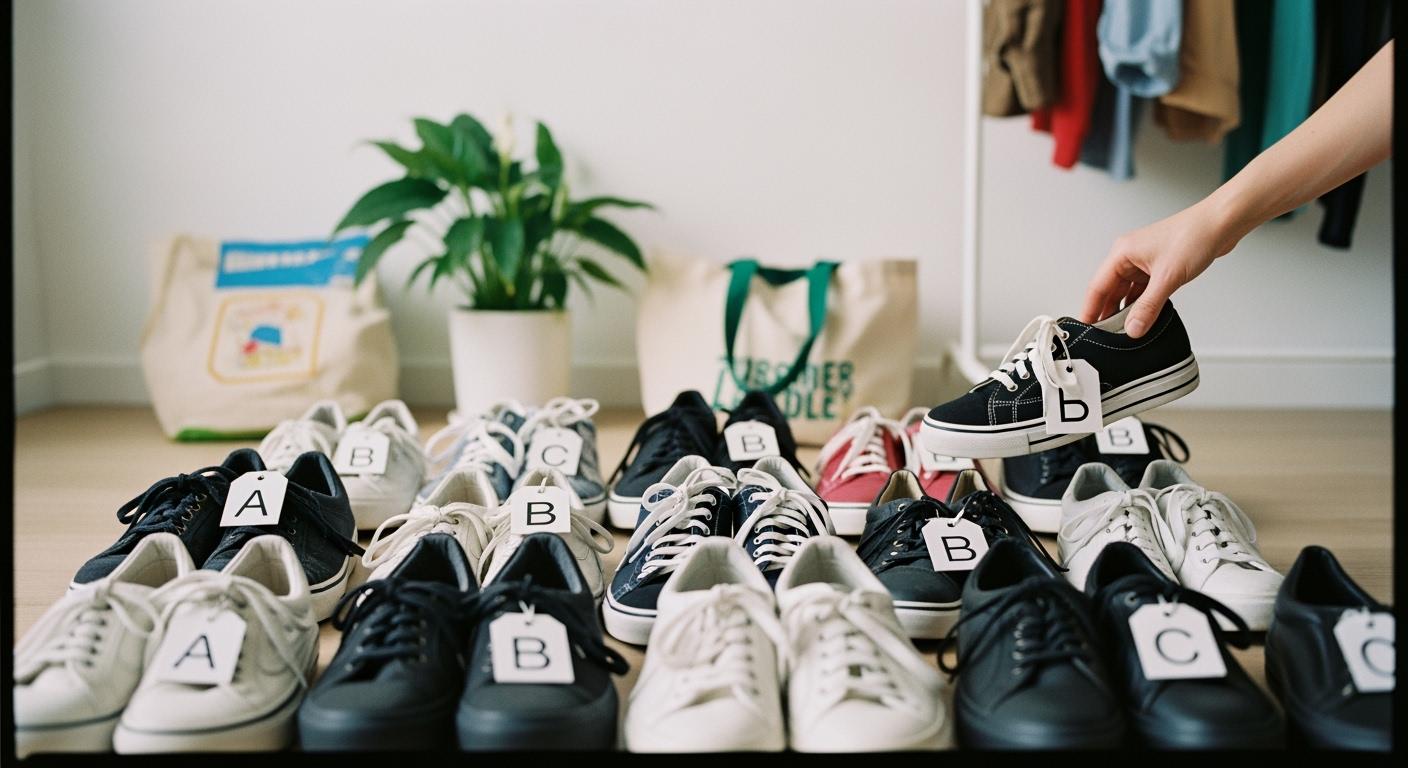
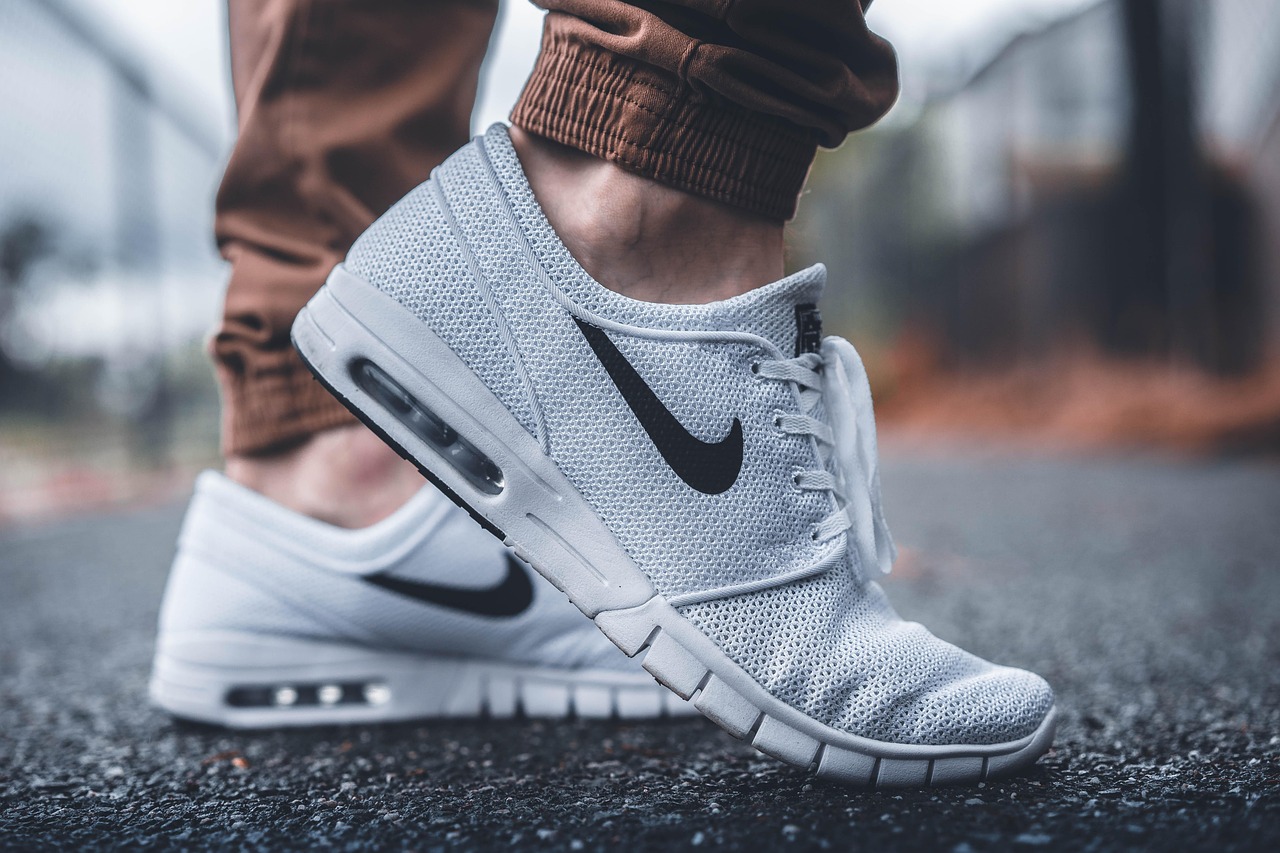
You might ask what graded used shoes mean. These are shoes that someone wore before. Experts check them and sort them by how good they are. You do not get just any pair. You get shoes that meet rules for quality and cleanliness. This helps you find shoes that look nice, feel good, and last longer.
How the Grading Process Works
When you buy graded used shoes, you can trust each pair is checked. Inspectors look at many things before they give a grade. They check the material, the soles, and even the smell. The table below shows some main things experts check:
Criteria | Description |
|---|---|
Material Integrity | Check for cracks in leather, fraying fabric, or delamination in synthetic uppers. |
Sole Condition | Tread depth should be ≥70% remaining; no separation between outsole and midsole. |
Odor & Hygiene | Shoes must be cleaned and deodorized; no signs of mildew or staining. |
Stitching & Glue Points | All seams intact; no loose threads or bubbling adhesives. |
Size Accuracy | Confirm if sizes follow EU, US, or UK standards; mixed sizing is common. |
Grading Documentation | Request written criteria defining ‘Grade A’ for that supplier. |
Inspectors also check for problems in fabric, color, and accessories. They look at how well the shoes are made. Here is another table that shows what they check:
Inspection Category | Key Aspects to Check |
|---|---|
Fabric defects | Yarn defects, sole material defects, weaving issues, aspect flaws, leather defects |
Colour defects | Marks, color variations, stains |
Accessory defects | Issues with sequins, rivets, snaps, embroidery, labels, elastic bands |
Workmanship | Seam quality, needle damage, thread issues, raw material imperfections, surface damage, assembly flaws |
Importance for Quality and Trust
You want to know your shoes are safe and worth your money. A clear grading process helps you feel sure about your choice. When you see a grade or a mark, you know someone checked the shoes well. This open process builds trust. You can feel happy about your purchase and help the planet too.
Sustainability and Environmental Impact
Reducing Waste and Landfill Use
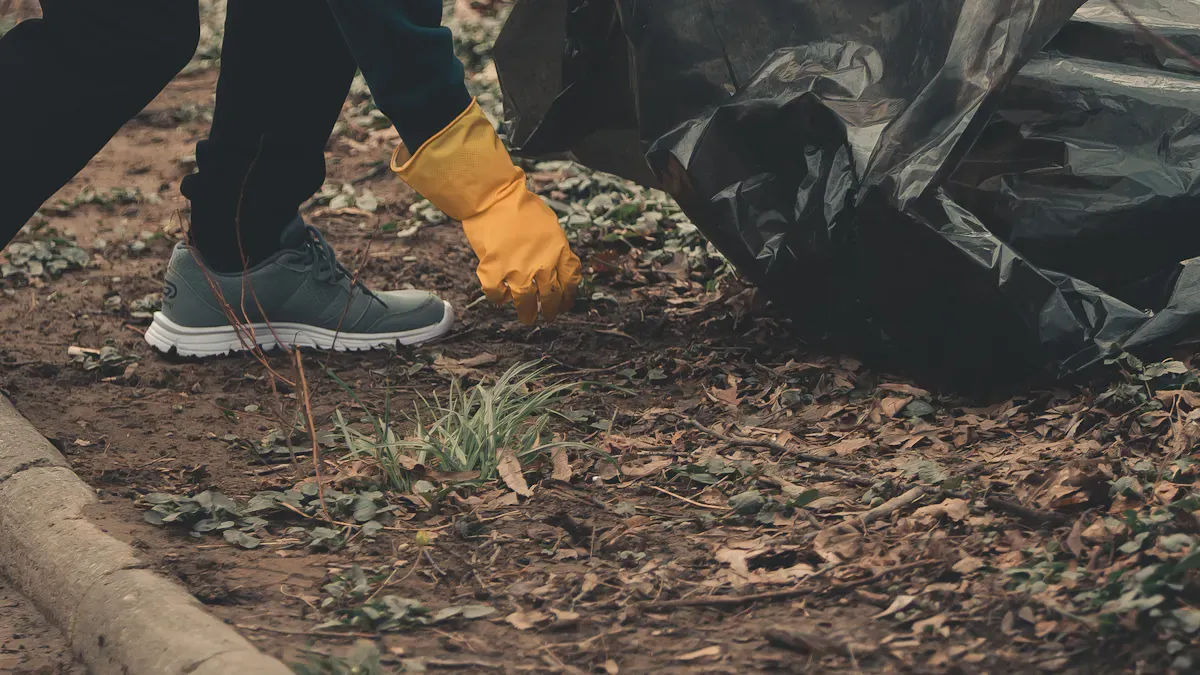
You help the Earth when you pick graded used shoes. Most shoes get thrown away and end up in landfills. They stay there for many years before breaking down. When you reuse shoes, you keep them out of the trash. This choice helps cut down on waste and keeps nature safe. Many people do not know that millions of shoes are tossed out each year. By choosing secondhand shoes, you support slow fashion and help the planet. You also make less need for new shoes, so there is less waste over time.
Resource Conservation and Lower Carbon Footprint
You save important resources when you buy used shoes. Making new shoes uses a lot of water and energy. It also uses eco-conscious materials. Reusing shoes skips making, packing, and shipping new ones. Here are some ways you help the Earth by picking secondhand shoes:
You do not use as much water as making new shoes or clothes. For example, making a cotton t-shirt takes about 2,720 liters of water. Shoes need even more.
You save energy because factories do not need to make new pairs.
You help lower pollution and carbon emissions. People who wear secondhand shoes and clothes can save up to 500 pounds of carbon emissions each year.
You keep sustainable materials in use longer. This means we do not need as many new raw materials.
Picking graded used shoes means you get strong shoes that last. This helps you buy new shoes less often. You support shoes that can be fixed and used again. This is good for the planet. You also lower your carbon footprint and make eco-friendly choices.
Supporting the Circular Economy
You help the circular economy when you buy used shoes. The circular economy keeps products and materials in use for a long time. This helps cut down on waste and supports recycling in fashion. Here is how graded used shoes fit in:
Strategy | Description |
|---|---|
Reverse logistics | You can send used shoes back to brands for reuse or recycling. |
Waste material recovery | Brands take old shoe parts to use again, which helps the planet. |
Consumer participation | You get rewards or discounts for giving back used shoes. This makes people want to help the Earth. |
Many brands now use circularity to help the planet. For example:
Puma’s RE:SUEDE Project makes sneakers that break down into compost. This project wants to make less shoe waste.
Puma plans to collect old shoes and cut landfill waste by 2025.
Dr. Martens has the ReWair Program. You can return worn shoes for fixing and get a voucher. This keeps shoes in use and makes people like the brand more.
Some stores let you trade in old shoes for discounts on new ones. Shoes that cannot be sold get donated or recycled. This shows real care for the environment.
You help grow sustainable fashion when you join these programs. You also help with recycling and using sustainable materials. Your choices support shoes that last a long time. This is good for the Earth. By picking eco-friendly and strong shoes, you help make fashion better for everyone.
Social and Economic Benefits
Affordable Access to Quality Footwear
You can buy good shoes for less money when you pick graded used shoes. The grading system puts shoes into groups by how they look and feel. This means you can find shoes at many prices. People with different incomes can get strong shoes without paying a lot. You help slow fashion and make green choices too. Here are some ways this helps:
Shoes are checked and sorted, so you know what you get.
You can choose shoes from many price ranges.
Upcycling used shoes since 1992 has helped recycle shoes and sell them in big groups.
Small business owners in other countries can sell these shoes for low prices and help their families.
Job Creation and Local Economies
Buying graded used shoes helps make jobs in your town and other places. Many people work to collect, sort, move, fix, and sell these shoes. This work lets people learn new things and earn money. Local shop owners and sellers also do well because they can sell cheap used shoes. Here are some ways this helps local money systems:
Jobs are made at every step, from picking up shoes to selling them.
Workers in other countries can earn money and learn new skills.
Shop owners and sellers make money by selling used shoes.
Governments get money from taxes and licenses, which can help build roads and schools.
Expanding the Sustainable Fashion Market
You help the green fashion market grow when you buy graded used shoes. More people now care about the Earth and want to buy green products. This means more people look for shoes that last and use green materials. The market for used shoes keeps getting bigger:
Year | Market Valuation (USD) | CAGR (%) |
|---|---|---|
2023 | 455.5 million | 7.6 |
2033 | 947.7 million | – |
Almost 24 billion pairs of shoes are made each year, but only a few get recycled. Landfills now have over 90 million tons of shoe waste. This shows why recycling, fixing, and using things again is important in fashion.
You help make fashion better for the planet. Your choices help the Earth and build a future where strong and green shoes are important.
Graded Used Shoes vs. Other Sustainable Options
Compared to New Sustainable Brands
You might ask how graded used shoes are different from new sustainable brands. Both help the planet, but they do it in their own ways. New sustainable brands use eco-friendly materials and care about fair production. Graded used shoes let old shoes be worn again. This means fewer new shoes are made. You help cut down on waste and save important resources.
One of the best ways to stop shoe waste is to make shoes last longer. If a shoe lasts twice as long, you only need to buy half as many. This is why strong shoes are now seen as key in sustainable fashion. Good construction and lasting shoes mean fewer replacements. This lowers the need to make new shoes and keeps less waste in landfills.
Graded used shoes help shoes last longer, so fewer new shoes are needed and less waste is made. New sustainable brands focus on making strong shoes, using good materials, and fair production to help the planet.
Upcycling and Repair vs. Graded Inventory
You can also pick upcycling or repair as another choice. Upcycling and fixing shoes help the planet by keeping shoes in use longer. These ways support recycling and circularity. They also make it easier to fix shoes instead of throwing them away. Graded used shoes also help cut waste, but may not focus as much on making shoes easy to fix or last longer. Upcycling and repair often help the planet more.
Pros and Cons Overview
You may want to know the main differences between these choices. The table below shows how upcycling, repair, and graded used shoes compare:
Aspect | Upcycling and Repair | Graded Used Shoes |
|---|---|---|
Cost | Low cost, highly creative | High minimum order quantities (MOQ) |
Scalability | Limited scalability | Scalable through established logistics |
Accessibility | Accessible to individuals and groups | More suited to businesses or collectors |
Time Investment | Time-intensive, needs skills | Less time needed, bulk handling |
Market Demand | Growing interest in sustainable reuse | Strong demand for affordable footwear |
You may see that graded used shoes give strong benefits for the planet and fashion. They offer cheap choices and help with recycling. Upcycling and repair let you be creative and have more control, but take more time and skill. Many people like graded used shoes because they are special and cost less than other choices.
Conclusion
You have the power to make a real difference in the world of fashion by choosing graded used shoes. When you pick these shoes, you help protect the planet and support fair practices. Here are some important reasons why your choice matters:
You help reduce waste. Each year, people in the US throw away about 300 million pairs of shoes, and most end up in landfills for centuries.
You lower your carbon footprint. The footwear industry creates about 1.4% of global greenhouse gas emissions, which is 700 million tons of carbon dioxide.
You support ethical sourcing. Many graded used shoes come from places that use materials wisely and treat workers fairly.
You choose shoes that last. Well-made shoes can be repaired, so you do not need to buy new ones as often.
You send a message to companies. When you buy used shoes, you show that you care about the planet and fair treatment for workers.
You can also help your community and people around the world. Try these simple actions:
Donate your gently used shoes to help others and keep shoes out of landfills.
Start a shoe drive at your school or in your neighborhood.
Volunteer with groups that collect and give out used shoes.
Partner with organizations that support shoe recycling and affordable resale.
Every small step counts. When you choose graded used shoes, you help build a better future for everyone. Your choices inspire others to care about the planet and support a fairer, greener world.
You can help the planet by choosing graded used shoes. These shoes save resources, cut waste, and support fair jobs. You make a smart choice for fashion and the environment.
Save money and get quality shoes
Support local jobs
Reduce landfill waste
Try shopping at stores that offer graded used shoes. Your small change can inspire others and shape a better future.
FAQ
What are graded used shoes?
You get graded used shoes that experts check for quality. These shoes can include handcrafted shoes. You find shoes that look good and last long. Many shops focus on ethical sourcing when they collect these shoes.
How do graded used shoes support ethical sourcing?
You support ethical sourcing when you buy graded used shoes. Shops often choose shoes from places that treat workers fairly. Many graded used shoes come from ethical sourcing programs. You help reduce harm to people and the planet. Some shops focus on handcrafted shoes made with care.
Are handcrafted shoes available in graded used shoe stores?
Yes, you can find handcrafted shoes in many graded used shoe stores. These shoes often show unique styles. Handcrafted shoes last longer and use better materials. You get quality and comfort. Many stores focus on ethical sourcing when they collect handcrafted shoes.
Why should you choose handcrafted shoes from graded used inventory?
You get many benefits when you pick handcrafted shoes from graded used inventory. Handcrafted shoes offer better fit and style. You support ethical sourcing and help skilled workers. You also help the planet by reusing shoes. Handcrafted shoes often last longer than mass-produced pairs.
How do you know if a graded used shoe follows ethical sourcing?
You can ask the shop about ethical sourcing. Many shops share details about where they get their shoes. Look for labels or ask about handcrafted shoes. Shops that focus on ethical sourcing often tell you about their process. You help make fashion better by asking questions.
Tip: Always check for information about ethical sourcing and handcrafted shoes before you buy. This helps you make smart and kind choices.
Ready to Source Your First Shoe Container?
Indetexx ships Grade A and Grade B used shoe bales to 110+ countries with Recydoc-lot-tracked grading. Every bale ships with documented composition reports, pre-shipment photos, and size distribution data so you can verify grade accuracy before the container sails.
Our 20,000㎡ sorting factory processes 6,000 tons of footwear monthly, ensuring consistent supply for buyers across Africa, Southeast Asia, and Latin America.