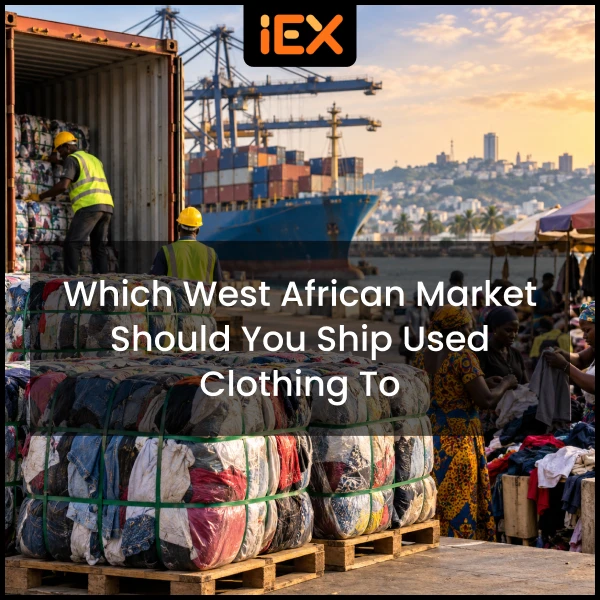
If you are shipping a container of used clothing into West Africa, the port is the least interesting part of the decision. What changes your outcome is which market the goods are actually for. A coastal resale hub sells to traders who live within a few hundred kilometres of the quay. A gateway port moves most of its volume inland to Niger, Mali and Burkina Faso. The same bale can work in one and sit unsold in the other.
This guide compares the West African markets that absorb container volumes, explains how gateway trade changes who your buyer is, and gives a sequence you can apply to one container. It does not claim that any market will accept your goods: admissibility, duty and importer registration are destination decisions you confirm in writing with the authority or a licensed broker before you price the shipment. Ghana, Nigeria, Côte d’Ivoire, Togo and Benin each handle this trade differently, and the difference is wide enough to change your grade mix, your paperwork and your selling channel.
Quick Takeaways
- Choose the market before the price, because coastal resale demand and inland gateway demand reward different grade mixes.
- Ghana and Côte d’Ivoire have deep, publicly documented resale hubs, and both run pre-shipment conformity systems the importer has to satisfy.
- Nigeria is the market where you settle admissibility in writing before you price anything.
- Lomé and Cotonou earn their place as gateway ports: the large majority of their transit volume is destined for landlocked Niger, Mali and Burkina Faso.
- Treat every market statement here, including this one, as a starting point for verification rather than a substitute for your broker or the destination authority.
What Importers Are Actually Comparing in West Africa
The useful comparison is not population or GDP. It is four things: how deep the resale demand runs in the city you are targeting, whether the port functions as an end market or a gateway, how much documentation the destination demands before the container is released, and whether the climate supports the categories you buy.
Demand Depth Is Not Population
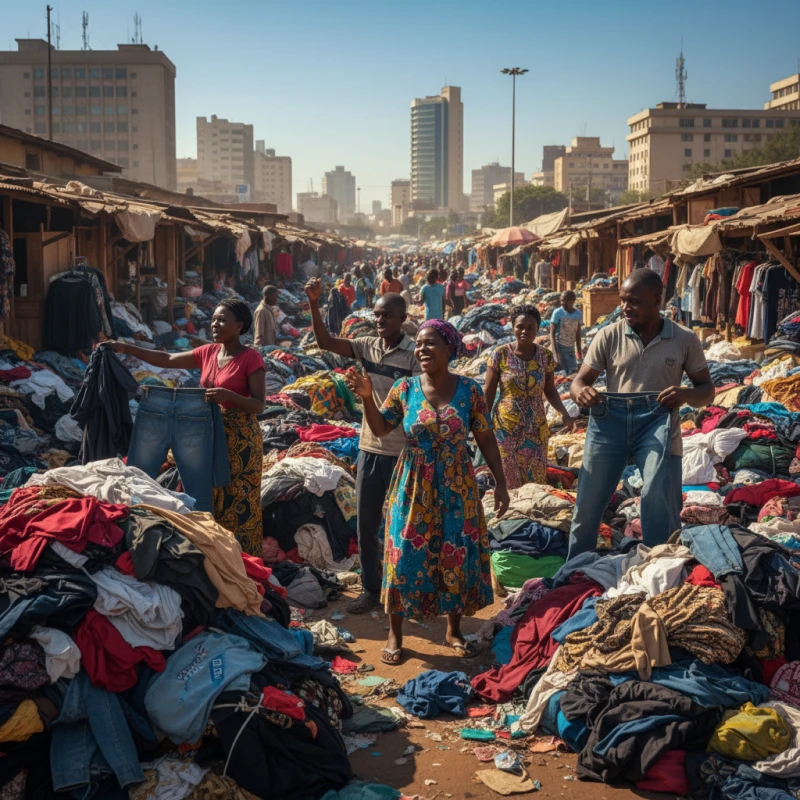
A market with a single dominant resale hub concentrates demand in a way that a larger but more fragmented market does not. Ghana’s trade is the clearest example. Kantamanto in Accra has been documented as one of the largest second-hand clothing markets in the region, handling a daily flow that supports thousands of traders and a resale chain that reaches inland towns. Trade data reflects that concentration: OEC’s used-clothing profile for Ghana put the country’s 2024 imports at roughly 111,000 tonnes.
Treat that figure as a scale indicator rather than an order-level fact. It tells you the market absorbs container volumes and has the resale infrastructure to distribute them. It says nothing about whether your grade, category mix or price will work there, and the number changes year to year.
Gateway Markets Change Who Your Buyer Is
In a gateway market, your buyer is often not the person selling to consumers. It is a trader or a logistics operator moving goods inland, and inland demand looks different. Landlocked Sahel markets take heavier garments that coastal tropical markets struggle to move, and they buy in a rhythm set by road transit and border processing rather than by the coastal retail calendar.
Togo demonstrates how large that effect can be. The Port of Lomé’s transit traffic is dominated by landlocked neighbours: Niger, Mali and Burkina Faso together account for more than 90% of it, and the Burkina Faso corridor alone grew from about 850,000 tonnes in 2013 to over 3 million tonnes in 2022. If you ship into Lomé expecting to sell at the quay, you are competing in a much smaller market than the port’s total volume suggests.
The Coastal Markets That Absorb Container Volumes
Each coastal market has a different centre of gravity. The practical question is which one fits the goods you already buy, not which one is largest.
Accra and the Kantamanto Cluster
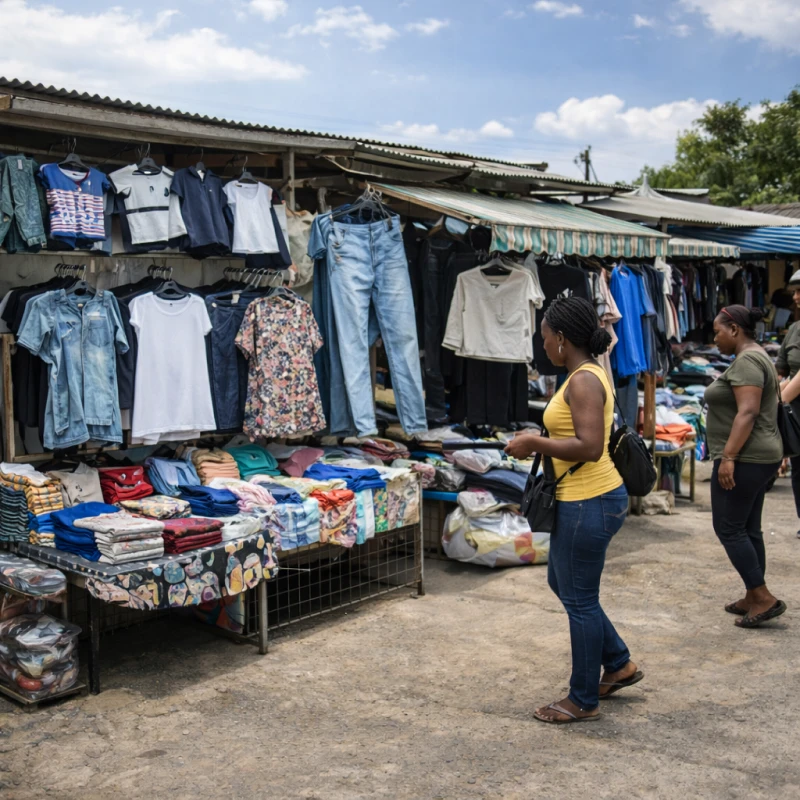
Ghana combines a deep resale hub with a structured conformity system. Importers have to satisfy the Ghana Standards Authority’s pre-shipment conformity requirements before the goods are released, and the scheme has been moving onto a newer digital platform, so the current certificate name and issuing route are worth confirming with a broker rather than assuming from an older shipment. The full steps are set out in the site’s Ghana importing checklist.
Because Kantamanto concentrates buyers, competition there is intense and grade definitions are read closely. A Ghana-bound order usually needs the category and grade definition confirmed before packing, since traders compare deliveries against the labels they were quoted. Indetexx handles Ghana-bound demand as a core African market and states the category, grade, bale weight and packing format for the order rather than relying on a general grade label. That does not guarantee the resale result in the market; it keeps the shipped goods describable against the order.
Lagos and the Admissibility Question
Nigeria is the largest population market in the region and the one where paperwork questions are decided earliest. Used-clothing admissibility has been a live policy subject in Nigeria for years, and public sources disagree about the current position, so the only responsible instruction is to confirm it directly. Ask the Nigeria Customs Service or a licensed broker for the current position in writing, name the exact goods and HS heading you intend to ship, and do not rely on a forwarder’s assumption, a competitor’s sales page, or an article like this one.
That single step changes how you plan a Nigerian shipment. If admissibility is confirmed, the market’s resale depth in Lagos and the wider south-west is real, and the country’s existing resale hubs are large enough to absorb container volumes. If it is not confirmed, no grade mix or price will rescue the container. The city-level buying options are covered in the Lagos bulk buying guide and the Nigerian market guide.
Abidjan, Lomé and Cotonou
Côte d’Ivoire, Togo and Benin sit in the same currency and tariff zone, and each has a port with a different reach. Abidjan pairs a substantial domestic market at Adjamé with a corridor that serves Burkina Faso and Mali. Lomé and Cotonou are proportionally more gateway than end market, which is why their transit statistics look the way they do.
For a buyer, the consequence is straightforward. If you sell into Côte d’Ivoire or Benin through a local distributor, you are selling to a resale market. If you sell into Lomé or Cotonou for onward transit, you are supplying a trader who will re-sell inland, and your packing and documentation need to survive a second border. The supplier-side guides for those markets are here: Côte d’Ivoire, Togo, Benin and Ghana.
The table below is a starting map, not a compliance summary. Use the last column to decide what to confirm before you book.
Documentation Depth Is Part of the Market Choice
A market that demands pre-shipment conformity adds a step before the vessel sails, and that step has a cost and a deadline. A gateway shipment adds a second set of papers for the inland leg. If you compare two markets only on the goods price, you are comparing an incomplete number, because one route may require a certificate, an inspection visit and a longer lead time that the other does not.
This is where the supplier’s document set matters. Indetexx prepares the commercial invoice, packing list and bale-level loading record for the order, and states the category, grade definition, bale weight and packing format the goods were packed to. Those records are what the conformity inspection, the broker and the forwarder work from. They do not replace the destination’s own requirements, and they do not decide admissibility.
Climate and Season Decide Your Category Mix
West Africa is not one climate, and the difference shows up in what sells. The coastal belt from Accra through Lagos to Abidjan is hot and humid, with a heavy rainy season that makes moisture damage a live risk in storage. The inland Sahel markets reachable through Lomé, Cotonou and Abidjan are hotter and drier, with cooler nights, and they absorb heavier garments that move slowly on the coast.
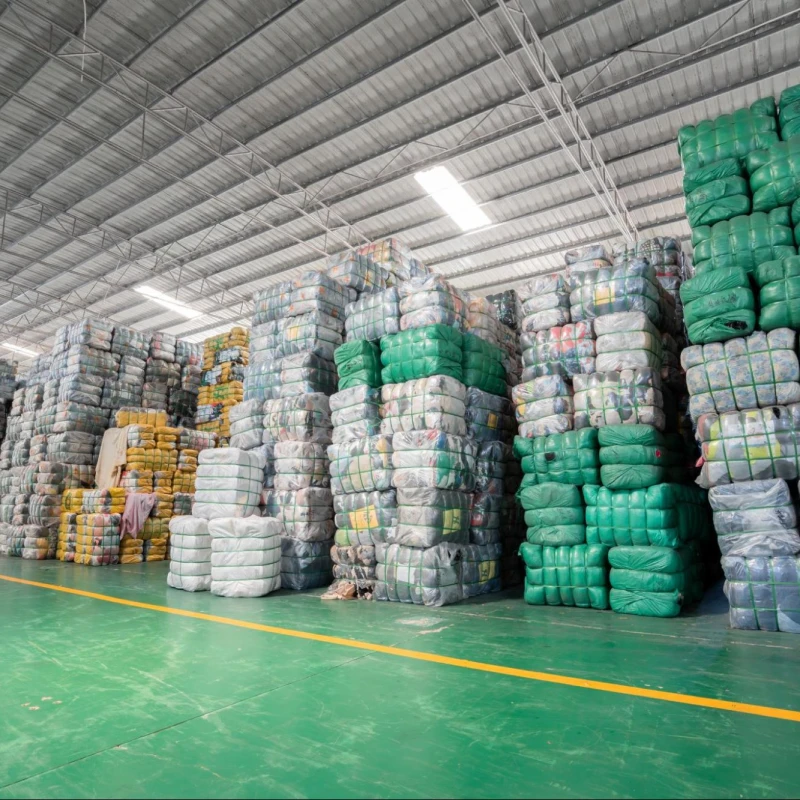
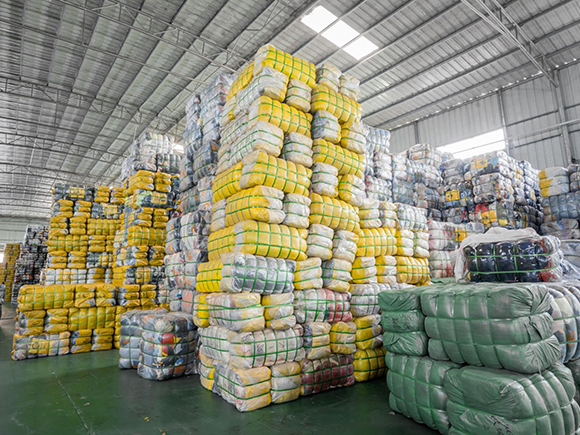
The practical consequence is that the same container can be well matched to one market and poorly matched to another without any change in grade. If you buy mixed winter-heavy bales, the inland corridor is a better home for them than a humid coastal shop. If you buy light summer categories, the coastal resale hubs turn them over faster. Category timing also matters: the site’s seasonal guide for fast-moving second-hand clothing covers how demand shifts through the year, and Indetexx states the category and grade definition per order so the mix you receive can be checked against the mix you planned.
A Decision Sequence for One Container
Run the decision in this order, and you will avoid pricing a shipment you cannot land.
- Confirm the destination’s current position on used clothing, in writing, from the authority or a licensed broker.
- Identify whether your buyer is a local reseller or an inland trader, because that decides the category mix and the packing.
- Match the grade and category mix to the climate and the channel, not to the cheapest available bales.
- Size the container against the route: Indetexx plans 20ft and 40ft loads and states the bale weight and packing format, which is what your forwarder needs to calculate payload and freight.
- Price the goods, the conformity step, the inland leg and the destination charges on one sheet before comparing two markets.
Written as a list that sequence looks obvious. In practice most failed West African shipments skipped step one or confused step two, and then tried to recover the margin in negotiation.
What to Verify Before You Book
Verify the admissibility position, the importer’s registration status, the applied tariff treatment for the HS heading you declare, and whether the destination requires a pre-shipment conformity certificate. Check that the certificate can still be issued before your cut-off. Confirm whether the buyer is importing for local sale or for transit, because the documentation differs. Finally, confirm who pays each charge at the destination, including terminal handling and storage, so the comparison between two markets covers the same scope.
If any of those items is unresolved, treat it as a hold point rather than an assumption. The container cost guide and the import documents checklist cover the cost structure and the document set you will need on the import side, and the HS 6309 versus 6310 comparison explains why the declared description matters before the goods move.
Frequently Asked Questions
Which West African country imports the most second-hand clothing?
Ghana is one of the region’s largest documented importers, and OEC trade data put its 2024 used-clothing imports at roughly 111,000 tonnes. Nigeria’s market is larger in population but its admissibility position has been contested, so import volume comparisons between the two should be treated carefully and checked against current data.
Is used clothing import banned in Nigeria?
This has been a live policy question in Nigeria for years, and public sources do not agree on the current position. Do not plan a container around any secondary statement, including one in this article. Ask the Nigeria Customs Service or a licensed broker for the current position in writing, naming the goods and HS heading you intend to ship.
Do I need a certificate to import used clothes into Ghana?
Ghana applies pre-shipment conformity requirements through the Ghana Standards Authority, and the scheme has been moving onto a newer digital platform. Confirm the current certificate name, the issuing route and the prohibited-item list with a broker before the goods are packed, because a certificate that arrives after the cut-off delays the container.
Why ship to Lomé or Cotonou instead of selling there?
Because a large share of those ports’ volume is transit traffic rather than local consumption. If you ship to Lomé expecting to sell at the quay, you are addressing a much smaller market than the port’s total volume suggests, and your buyer is more likely an inland trader than a local shop.
What grade mix works best in West Africa?
There is no single answer, because the coastal belt and the inland Sahel markets absorb different weights of garment. Match the mix to the destination climate and to whether your buyer resells locally or moves the goods inland, then confirm the category and grade definition in writing with the supplier so the delivered goods can be checked against the order.
Choose the Market Before You Negotiate the Price
The market decision comes first because it decides everything after it: which categories you buy, how you pack, which certificates you need, and which charges belong in your landed-cost sheet. Get that order right and the price conversation happens between two comparable options. Get it wrong and the cheapest quotation becomes the most expensive container.
Start with the destination position in writing, then match the mix to the market, then confirm the specification you will actually receive. Ask Indetexx for the current order specification for the market you are targeting, and give your broker the same document to check against the destination’s requirements.
Ready to Match an Indetexx Load to a West African Market?
Send the destination market, product category, grade definition, bale weight, packing request and container size. You will receive the current written Indetexx order details so your broker and forwarder can check the conformity step against the goods you are actually shipping.
- State the destination market and whether the buyer resells locally or moves goods inland
- State the category, grade definition, bale weight and packing for this order
- Confirm current availability and commercial terms for the shipment
Or compare our bale clothing options before you choose the market