If you are comparing Eurotex used clothing for a bulk order, start with the condition description for each article. Eurotex’s A grade can include repairable faults and cleanable stains, while its Premium Export list contains several grades. The grade letter and the list title therefore answer different purchasing questions.
Your order needs an agreed condition, the right categories and suitable packing together. This guide reads the published criteria and export lists of Bulgaria’s Eurotex Ltd alongside its packing options. The aim is to help you identify the goods your distribution customers can accept and request a current offer for that specification.
Quick Takeaways
- Eurotex’s A description allows visible wear and some repairable or cleanable problems. Compare it with the condition your customers accept.
- Premium Export contains articles with several grade labels. Select the actual category and grade rather than relying on the heading.
- Tropical Mix lists household goods and bags alongside clothing. Confirm the proposed composition if you distribute apparel only.
- Use the current article name and grade together with its code. A code appearing on two lists does not settle the condition.
- Choose packing for the actual product and quality stream. A bigger bale is not automatically the same goods in a larger package.
What Eurotex Used Clothing Grades Mean for Your Order
Eurotex defines grades using condition, fashion relevance and original workmanship. Its letters should be read within that system. A buyer accustomed to another supplier’s Grade A could otherwise expect a different condition from the one Eurotex describes.
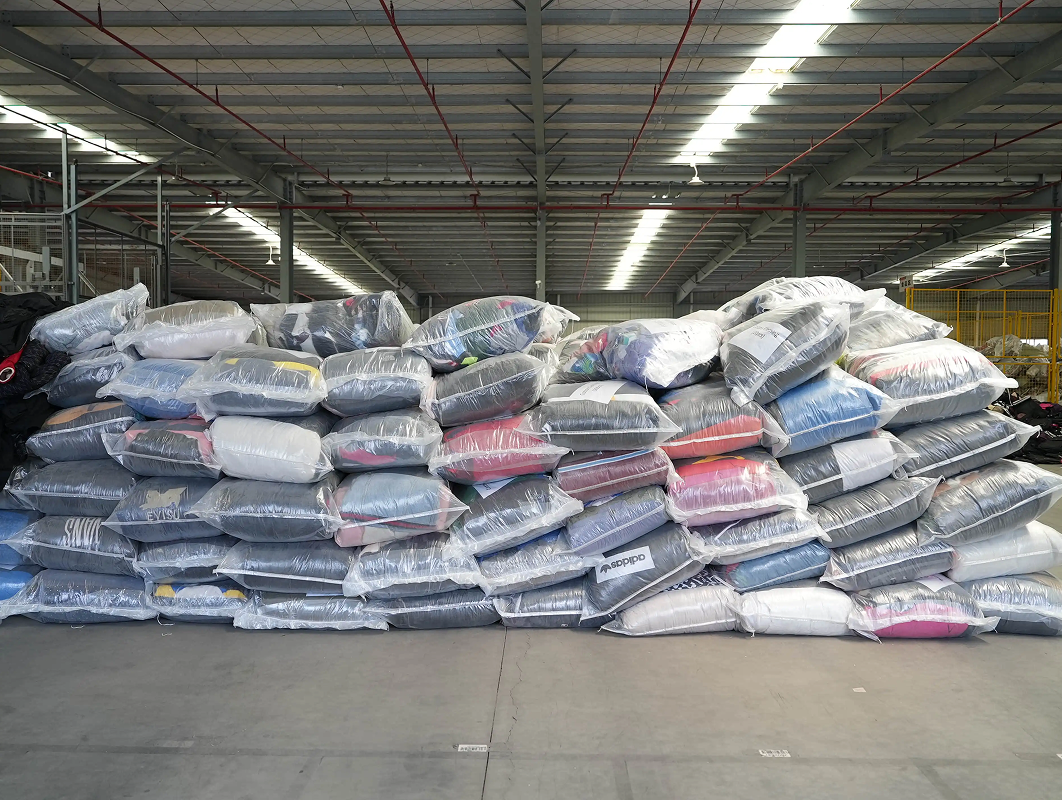
The following summary comes from Eurotex’s published quality criteria. Use it to identify the condition questions behind a quotation, rather than as an inspection result for a particular lot.
E and 1 also involve fashion relevance and workmanship. An older style in good physical condition does not automatically qualify for the top category in this framework. That is useful context when a quotation looks expensive or cheap beside another grade: first establish whether the offers describe the same kind of stock.
Some wholesale customers can clean or repair stock before resale; others need garments they can send straight to shops. Indetexx’s category sorting and Grade A/B/C framework let you discuss that difference for the clothing you plan to import. For example, an enquiry for used jeans should state whether removable staining or repairable faults are acceptable. The comparison then rests on the condition described for that category, without assuming that either supplier’s A means the same thing.
Choose the Export List by Its Actual Articles
Premium Export, Africa Export and Tropical Mix are product-list headings. They help you find a route into the catalogue, but the individual entries still determine the category and condition you need to discuss. Start with those entries once you know the condition your wholesale customers can accept.
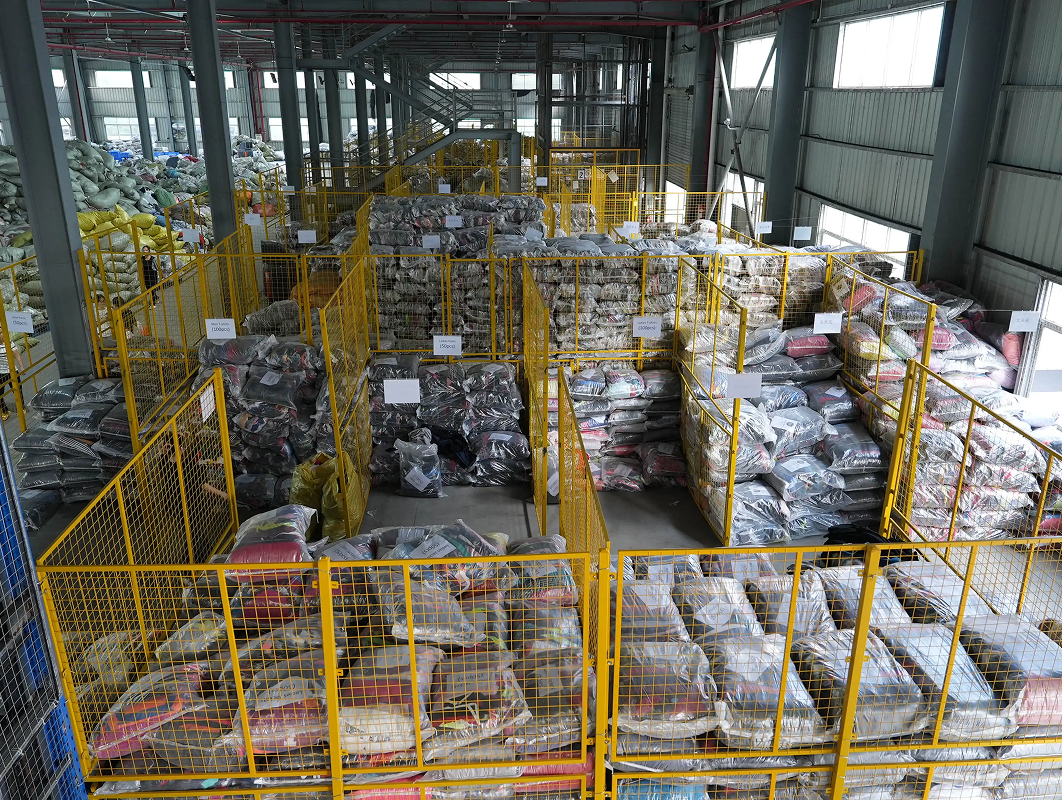
For example, the Premium Export list lists adult heavy jackets under E, 1 and A labels. It also lists household rummage with a B label. Calling the list Premium therefore does not establish an all-E order. A wholesaler seeking a particular category in E needs that article and its current definition in the offer.
The Africa Export list likewise includes different categories and labels, such as handbags A and bags B. These are catalogue entries, not a fixed allocation to every container or a statement about what all African customers buy. Use the list to choose the goods you need, then establish the proposed quantities and composition.
The Tropical Mix list includes household rummage, bags and underwear alongside other apparel. An established distributor selling only clothing should resolve whether household goods or bags are part of the proposed order. Their appearance on the public list does not prove that every load contains them, or that an apparel-only combination is currently available.
There is a second reason to keep the current item description beside its code. Article 171778 appears as M SSUM BLZ A+ on Premium Export, Men's Jackets N on Africa Export and Men's Jackets on Tropical Mix. Those published descriptions do not supply one consistent grade that you can carry across all three pages.
The practical response is to send the list reference, article code, current name and requested condition together. Do not take the A+ from one page or the N from another and assign it to the ungraded Tropical entry. Similarly, household code 176130 being labelled B on Premium does not establish the condition of a Tropical offer using that number.
Match the Pack to the Product and Quality Stream
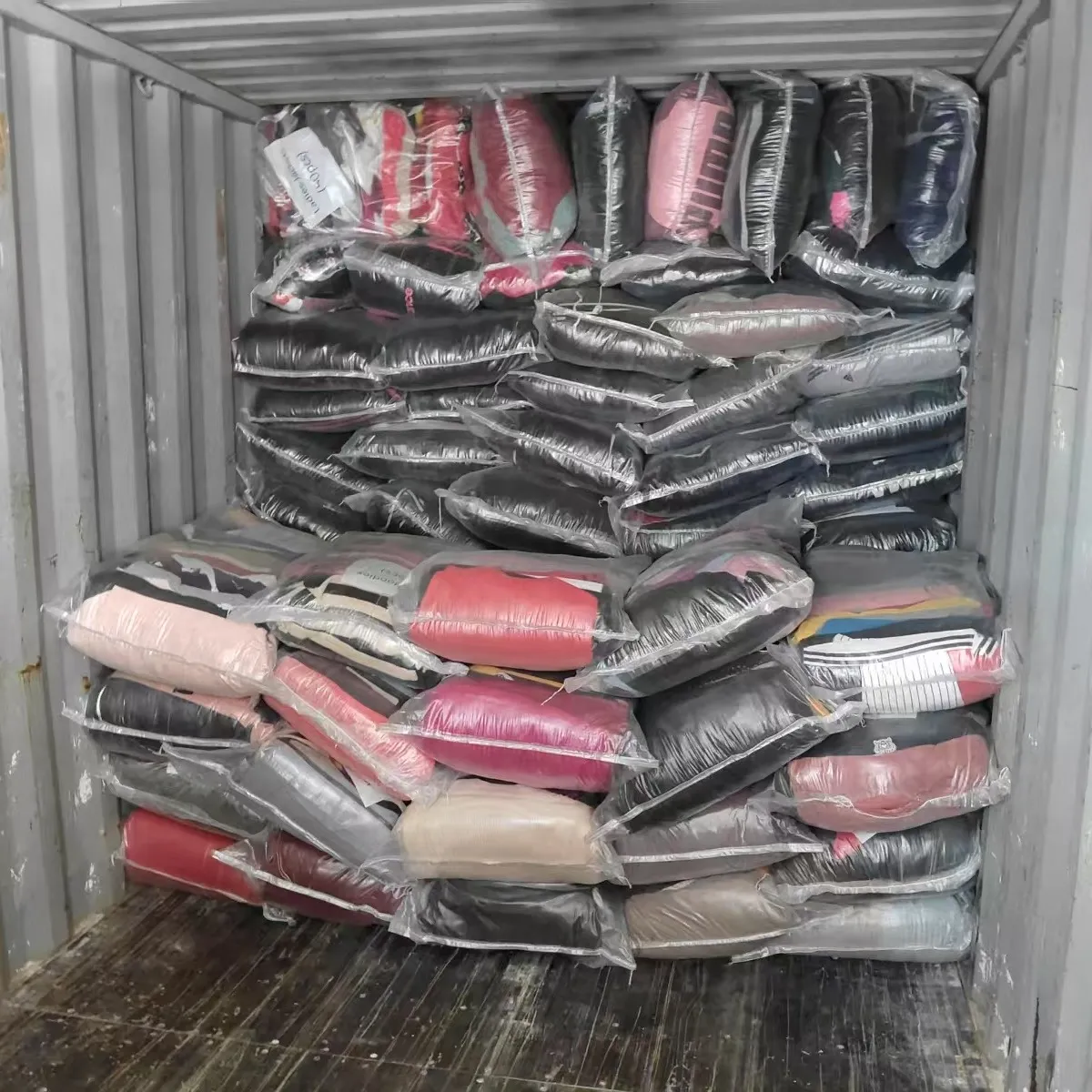
Eurotex links different packing formats to different product uses. Confirm those goods before comparing package weights: the largest bale on the website is not simply the same higher-grade clothing in a heavier unit.
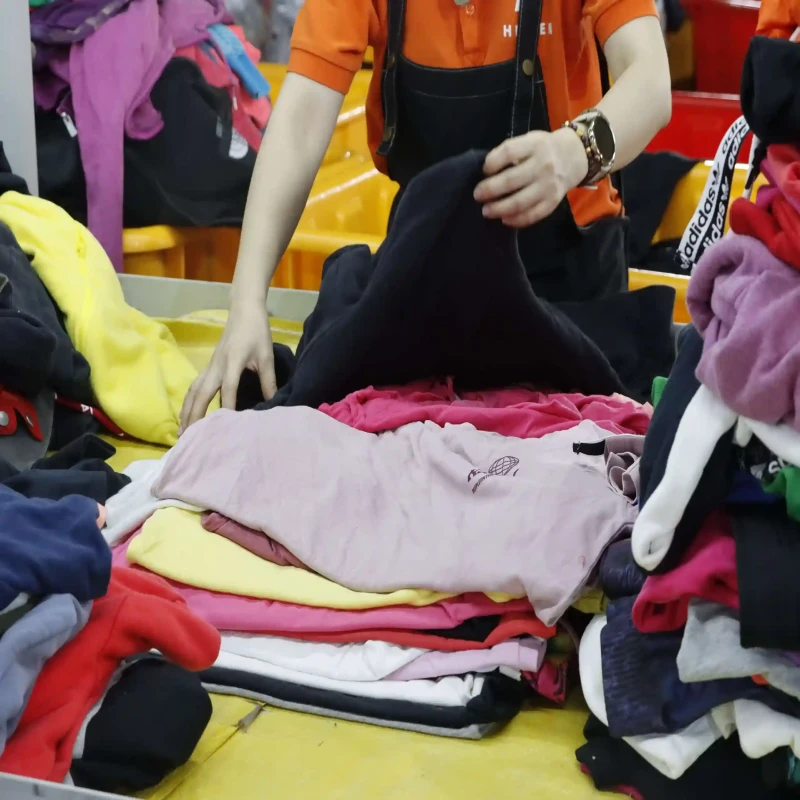
Its export and packing page describes the following options. The weights are published catalogue examples tied to the product; they are not a current offer for every category or grade.
Read the table from the goods column before choosing the weight. If you need a clothing category for your wholesale customers, a large-bale quotation for lower-quality material would not be a direct alternative merely because the price is expressed per kilogram. You would first need to establish that the category and condition match your requirement.
For a wholesaler selling bales unopened, the pack is also the unit its customers buy. If you open and allocate the stock to different dealers, the category mix and handling requirements matter alongside the weight. Indetexx offers mixed and category-specific bales, with packing requirements discussed for the destination. Comparing those options against your receiving and distribution method gives the packing choice a practical purpose beyond choosing the largest bale.
Planning a Mixed-Clothing Order With Indetexx?
Share your main categories and the way you receive and distribute stock to discuss a current offer.
Discuss Your Current Order RequirementsBuild One Current Composition Before Comparing Offers
Bring the three decisions together in one inquiry: the condition you accept, the articles you want and the packing you can handle. A request for the cheapest Premium or Tropical container leaves too much of the proposed stock undefined.
A useful inquiry states:
- The current list reference, article codes and full item descriptions being considered.
- The required categories, excluded categories and accepted condition for each.
- Proposed quantities and packing requirements, including the weight basis to be quoted.
- Destination and distribution or handling constraints that affect the order.
- The current commercial and preparation arrangements that still need agreement.
Keep the reply together with the selected composition when you compare offers. If the supplier proposes a different article, grade or pack, decide whether that change still serves your customers before treating the quotations as equivalent. Use the agreed pack details to audit bale weights and container quotations.
Frequently Asked Questions
What do A+, E-, N and M mean in Eurotex’s product lists?
The reviewed quality-criteria page does not define every suffix and code appearing in the product lists. Ask Eurotex for the current written meaning of the label attached to your selected article. Do not assume that N means new, or assign a particular defect allowance to a plus or minus sign.
Do the fashion-recency criteria tell me when a garment was made?
No. Eurotex’s published E criteria refer to styles considered in trend in the last three years; Grade 1 refers to five years. Those descriptions do not verify when an individual garment was manufactured. If production age matters to your order, request separate evidence.
Can I use the website’s usual preparation and payment terms for my order?
Confirm them for the actual order. The export page describes usual steps and qualifies preparation by demand and workload. Agree the current composition, packing, payment schedule and transport arrangements in the order documents before planning around them.
Request the Composition Your Buyers Can Sell
Choose the condition your customers accept, then identify the actual articles and a suitable pack. Carry that goods description into the current offer so a change in label, category or weight is visible before you commit. The useful outcome is a composition your distribution business can handle, with the remaining order details resolved in writing.