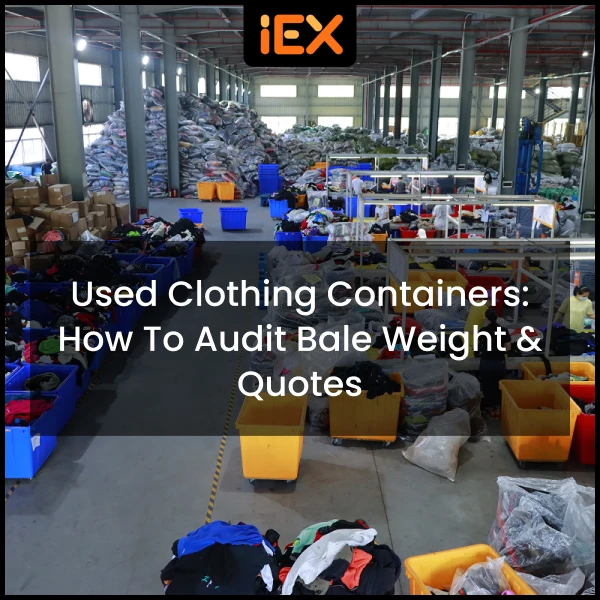
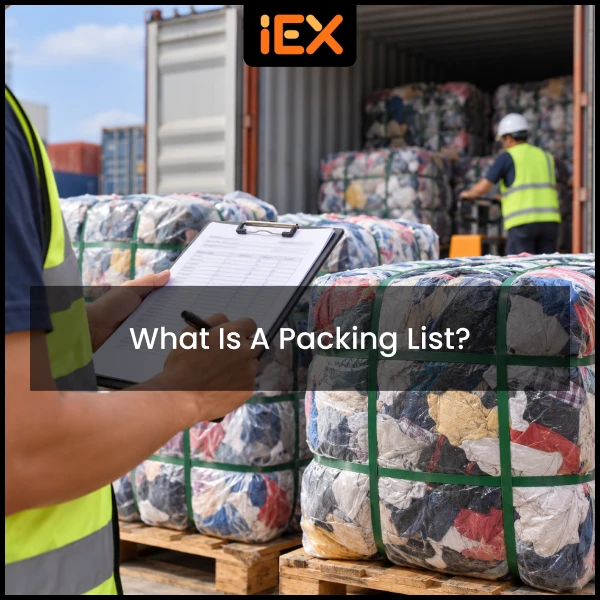
Garson & Shaw wholesale used clothing covers several buying routes, and the right container starts with the programme you choose. Tropical Mix, Sorted Items and Premium Quality describe different combinations of clothing, selection and packing. If your business distributes clothing only, or needs bales ready for smaller wholesale customers, those differences matter before the price per kilogram.
Start by matching the offered goods to what you can sell and handle after arrival. This guide interprets Garson & Shaw’s public English product descriptions checked on November 2, 2026. It helps you prepare a specific inquiry; it does not report a test purchase or establish the quality of an available shipment.
Quick Takeaways
- Tropical Mix includes household linens as well as summer clothing. A clothing-only order needs a clear composition agreement.
- Sorted Items offers category, quality and season selection, but its published format combines categories in full container loads.
- Premium Quality varies with origin and grading facility. Compare the actual condition and grouping rather than assuming the label matches another supplier’s grade.
- Separate where goods were collected, where they were graded and where the container will load before comparing the complete offer.
Garson & Shaw wholesale: choose the clothing programme first
Choose by the product your customers buy and the work your warehouse can do. A distributor supplying smaller clothing wholesalers needs a different receiving format from an operator that opens large mixed bales, sorts stock and sells household textiles too. Both may buy by the container, but they are buying different jobs along with the goods.
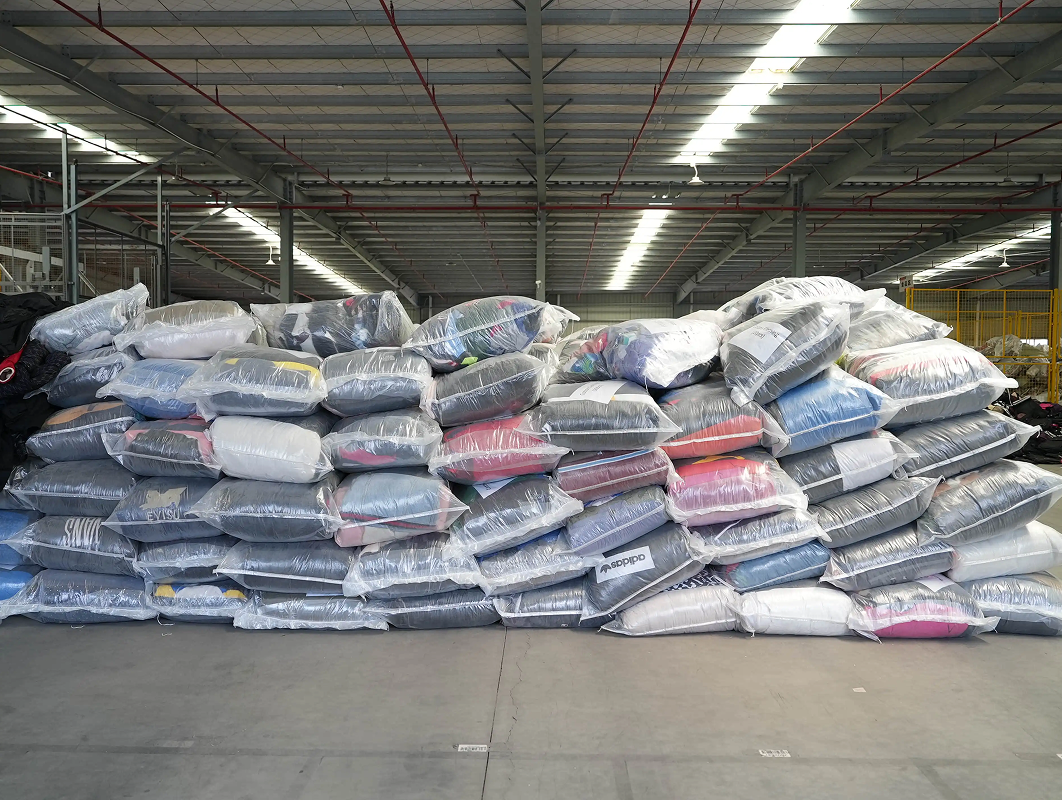
The three graded clothing routes below are a useful starting point. Garson & Shaw’s current English descriptions provide the product facts; the final column shows the question those facts leave for your order.
Use the table to choose what to ask for, rather than to rank the programmes from best to worst. A more selected line may solve a distribution problem; a broader mix may fit an operation that can sell every included group. Neither conclusion establishes a price advantage or a predictable resale result.
The supplier’s current product overview is the starting catalogue. If you are still choosing which companies to contact for original collections, use the separate credential clothing supplier guide rather than treating every programme here as the same product.
Tropical Mix and Sorted Items create different receiving jobs
Tropical Mix needs a home for more than clothing. Its official description includes men’s, women’s and children’s lightweight summer garments together with household rummage, mainly sheets and towels. The page does not establish a fixed apparel-to-linen ratio for the offer you might receive.
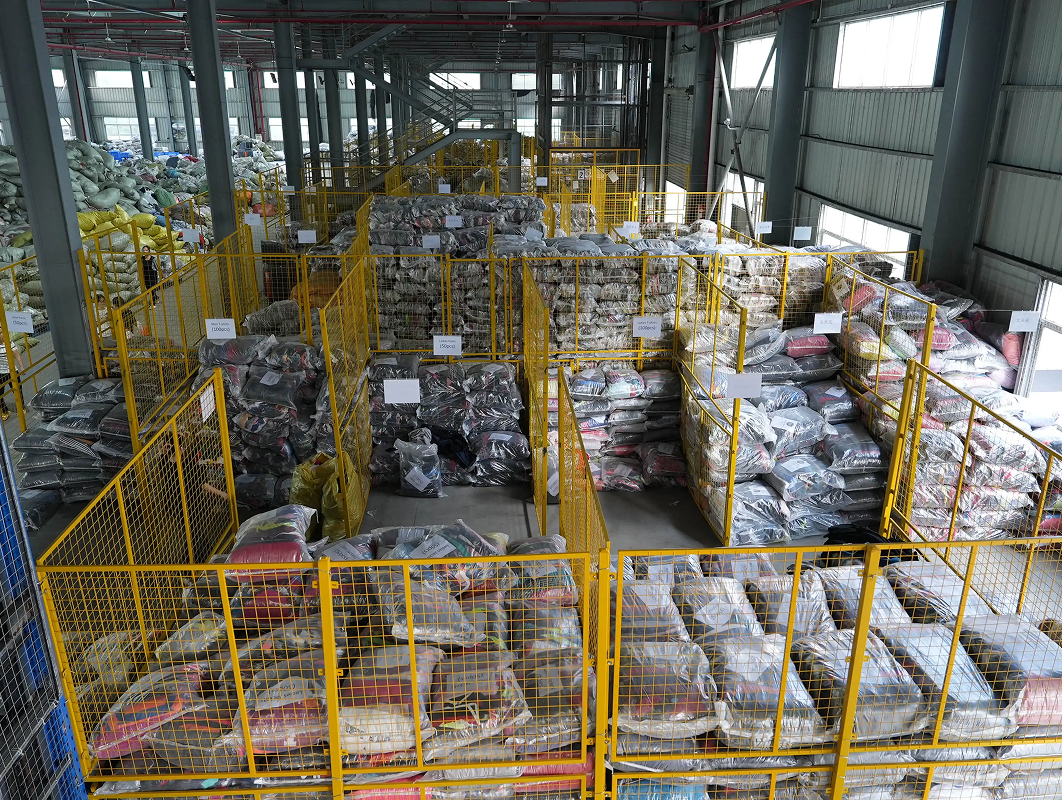
Consider a distributor whose customers buy clothing bales and have no outlet for sheets or towels. The relevant question is whether the proposed mix can meet that channel’s category requirements. Treating every kilogram as clothing would leave part of the purchase outside the existing sales plan. The description alone does not show how much, so a guessed percentage would make the comparison less useful.
Pack size creates a second difference. Garson describes Tropical Mix in large bales of about 1,000 lb/450 kg and says some warehouses can pack smaller bales. Before choosing a large format, decide where it will be opened, how the contents will be separated and how stock will reach your downstream customers. A smaller option shown on one product page still needs confirmation at the loading location.
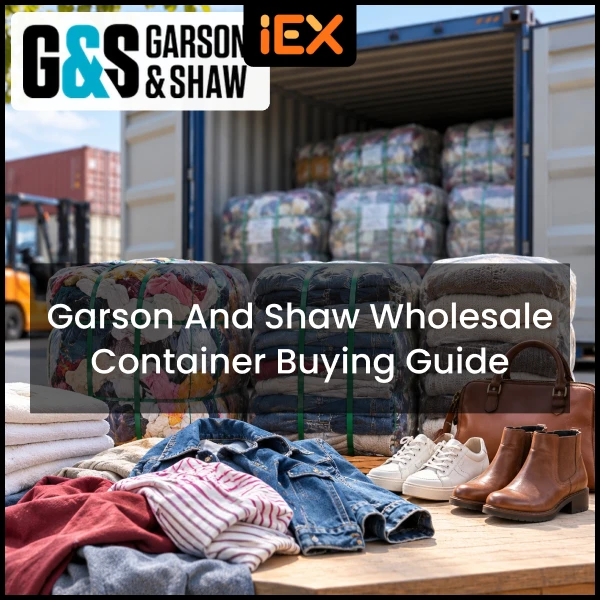
Sorted Items provides a different route: clothing separated by category, quality and season, packed in 100 or 120 lb bales, and sold as category combinations in full container loads. Smaller packs can suit a business distributing separate clothing categories. They do not establish that a single-category container is offered or that every requested category is available.
For example, an importer supplying summer shirts and trousers should request the proposed category combination, season and pack for each line. A quote for Sorted Items only answers that need when those details fit the distribution plan. The words “sorted clothing” leave too much unresolved on their own.
Indetexx offers mixed and category-specific bales, so the same receiving decision can shape an alternative inquiry. State which categories your business can distribute and which you need excluded, then ask what mix and packing are feasible for the current order. Those options do not mean Indetexx supplies Garson’s programme or can reproduce a particular composition.
For a deeper comparison of handling and downstream distribution, the clothing bale format guide develops the packing decision separately. Keep the actual weights from the offer in front of you; a general guide cannot establish the pack for this shipment.
Read Premium Quality against the actual origin and grouping
Premium Quality needs a description of the offered goods, not an assumed translation into “Grade A.” Garson’s current English Premium Quality page says quality and composition may vary with country of origin and sorting process. It also describes sorting differences between grading facilities.
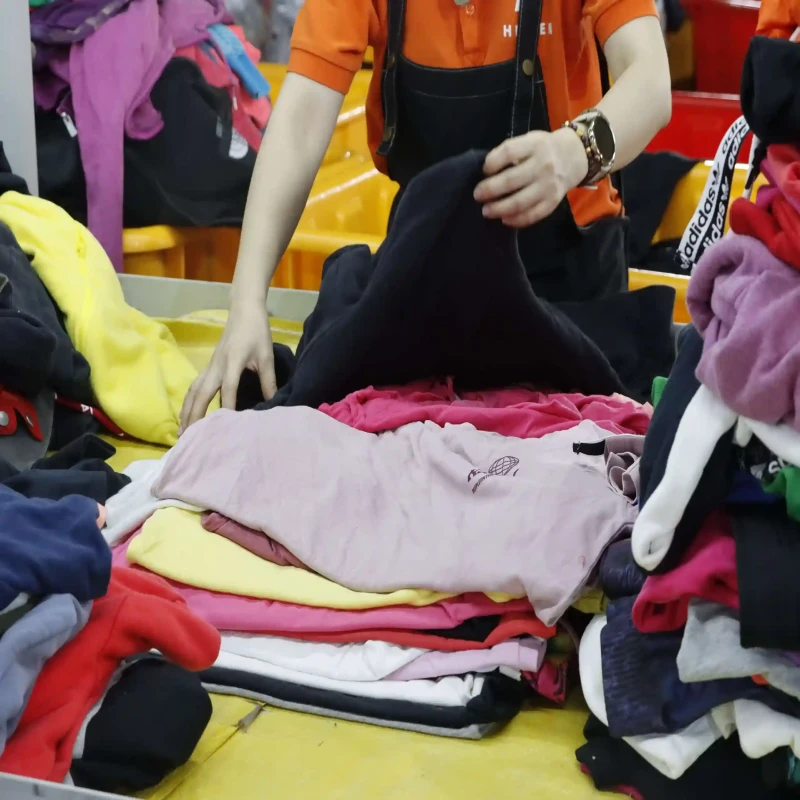
The grouping matters as much as the headline grade. The page offers category-sorted clothing or mixed items separated into summer and winter. A selected jacket category and a summer mix can both sit under Premium Quality while answering different purchasing needs. If your customers order individual categories, a premium seasonal mix does not become a substitute just because the grade sounds attractive.
Put the intended category, season and accepted condition beside the programme name. For instance, a buyer requiring wearable summer shirts should describe the wear and damage it accepts and request the proposed category content. Photos or other evidence supplied for the offer should be assessed against that description. A polished catalogue photo cannot settle the composition of a different load.
The Sorted Items page also uses its own No.1, No.2 and No.3 labels, named A, B and C there. These are supplier descriptions, not a shared measuring scale that automatically matches another company’s labels. Keep the quoted product line and its condition description together when comparing offers.
Indetexx uses order-specific category and Grade A/B/C definitions. When seeking an Indetexx comparison, send the same accepted-condition description rather than replacing Garson’s programme name with “Grade A.” Ask how the proposed goods meet those criteria and where the specifications differ. The classification framework helps structure the discussion; it does not prove equal quality or sellable yield between two loads.
Follow the goods from collection to grading to loading
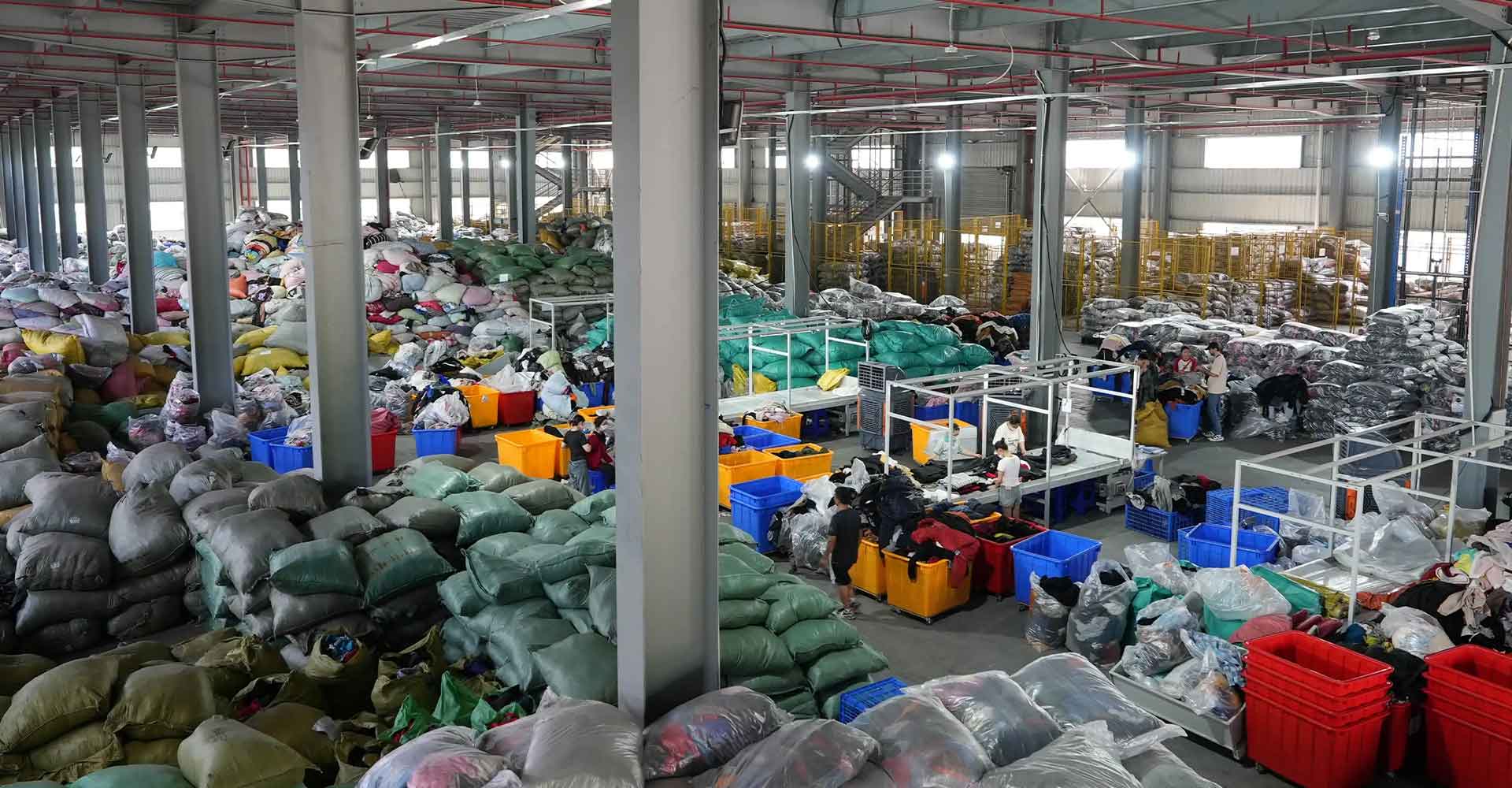
Keep the collection source, grading location and loading point separate. Garson & Shaw describes a representative model involving independent collectors and producers across regions. Its name on an offer does not tell you that the goods were collected, sorted and shipped from one US warehouse.
Tropical Mix makes the distinction concrete. Its product page says grading takes place mostly in Europe and Central America. It describes European production using Western European original clothing, while Central American production uses US Credential Clothing and Mixed Institutional Rags. “US collection” therefore does not, by itself, identify the grading facility or the container’s departure point.
That distinction changes a practical comparison. If one offer involves US-collected goods graded elsewhere and another loads from a different country, obtain the actual grading and loading details before comparing freight scope or receiving arrangements. These locations are not a customs-origin ruling. Any origin document or destination requirement needs its own current review.
Processing stage also separates the raw streams from graded clothing. The supplier describes Credential Clothing as untouched donations in original bags, while noting that loose goods may be re-bagged and wet goods or obvious trash removed. That description leaves substantial selection work to the buyer; it does not establish a ready-to-distribute clothing grade.
Its Mixed Rags description includes unsold thrift-store goods and clothing excluded because of flaws. A Mixed Rags offer is therefore not a direct replacement for a quoted Sorted Items or Premium line. Decide whether your operation buys that processing work deliberately before requesting a price; no resale yield follows from the product name.
Turn the programme choice into a comparable container offer
Request one complete offer for the chosen programme and show alternatives separately. Otherwise a reply can change the season, mix, packing or departure point while appearing to answer the same inquiry. Those changes may be acceptable, but they should be visible before you compare the total purchase.
A practical brief should contain the programme name; included and excluded categories; season and accepted condition; collection and grading details needed for your decision; actual loading point; pack unit and weight basis; and the price and transport scope. Describe whether quoted weight is net goods weight or includes packing. Use the same basis when comparing totals, without treating a public product page as a current quotation.
An illustrative inquiry could read: “We distribute summer clothing to smaller wholesalers. Please quote Sorted Items with the proposed category combination, condition description and available bale format. Identify the grading and loading locations, the weight basis, and the charges included. If you propose Tropical Mix or a seasonal Premium mix instead, show the composition and packing differences separately.”
This brief leaves the supplier room to explain what it can offer while making substitutions easier to evaluate. Compare the reply with your outlets and receiving arrangements before comparing the price alone. If the actual mix remains unspecified, a precise per-kilogram figure still does not describe the goods your business is agreeing to buy.
Indetexx’s 20-foot and 40-foot container options provide another quotation route for a defined clothing requirement. Carry the same category, condition and receiving-format brief into that discussion, and request the proposed packing for the actual order. Container options do not establish a fixed bale count, payload, route or current availability.
If your inquiry also includes footwear, keep its specification separate from the clothing programme. Use the wholesale used-shoe supplier guide for the detailed shoe buying questions instead of assuming the clothing grade and pack apply to shoes too.
Frequently Asked Questions
Can I buy only one bale from Garson & Shaw?
Do not plan on a single-bale purchase without a current programme-specific reply. Garson & Shaw’s July 22, 2022 FAQ says it did not sell single bales, and its current Sorted Items page specifies full container loads. Confirm today’s minimum for the exact programme rather than applying a dated answer to every product.
Can I pick through Credential Clothing before buying?
Garson & Shaw’s July 2022 FAQ says buyers could not pick through Credential collections because that would alter their original condition. Treat picking access as unavailable unless the supplier confirms otherwise for the proposed purchase. Any offered inspection arrangement needs its own clear scope; it should not be assumed from the product name.
Can Garson & Shaw arrange transportation?
The company’s current homepage describes logistics assistance, and its July 2022 FAQ says it could arrange transportation. Ask what is available for the actual loading point and destination, which charges are included and who handles each part of the move. General assistance does not establish transport service or delivery terms for every route.
Choose the programme before comparing the price
A useful container offer names goods your customers can buy, packing your warehouse can handle and a route you can evaluate. Resolve those points first. Then compare the written price and scope, keeping any alternative programme or category mix visible rather than accepting it as an equivalent replacement.
Compare a Current Clothing Order With Indetexx
Send your destination, clothing categories, accepted condition and preferred receiving format. Ask Indetexx which mix and packing requirements are feasible for a current quotation.
- Describe the categories and season your customers buy
- State the condition and exclusions you need priced
- Request current bale, container and commercial details