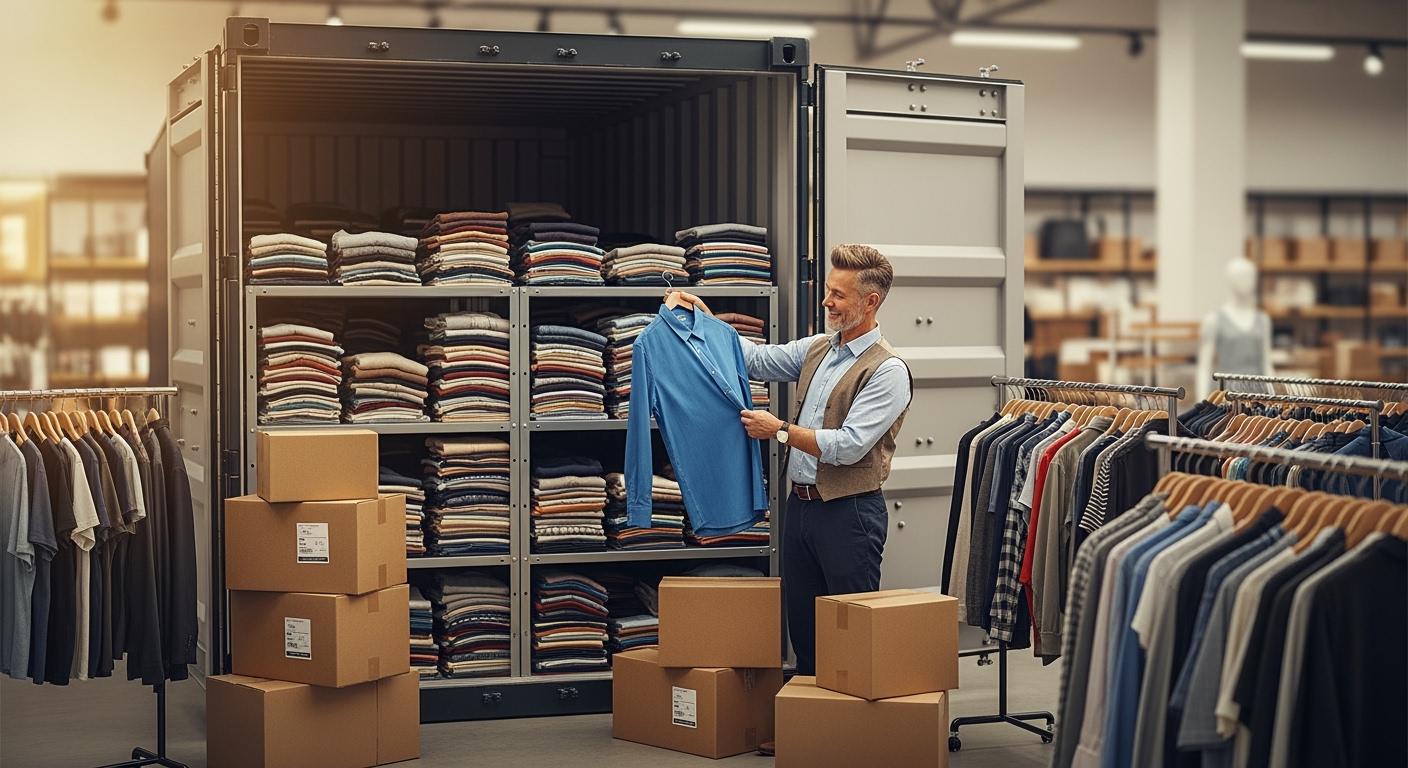
Imagine you make more money for your store. You also help the environment. You pick resale-ready clothing in containers. You see fewer fake items and more real ones. You bring in shoppers who care about the planet. Many are millennials and Gen Z. You earn extra money and manage your brand in the second-hand market.
Resale options help you cut down on waste. They also support green practices.
Retailers like you move into pre-owned markets. This helps meet the need for cheap and responsible shopping.
Learn about the Benefits of Sourcing and see how your business can grow with smart choices.
Key Takeaways
Getting resale-ready clothing in containers costs less and helps you earn more money for your store.
Keeping good quality is important. Check items when they arrive. Use grading to make sure they are high quality.
Easy inventory management makes work simple. It cuts waste and helps you give customers what they want fast.
Focusing on sustainability brings in shoppers who care about the environment. It also helps the circular economy.
Making good connections with suppliers helps you plan better. It makes sure you always get good clothing.
Benefits of Sourcing Clothing in Containers

Cost Savings
You want your store to do well. You also want to keep your profits safe. Getting resale-ready clothing in containers helps you save money in many ways. You can change incoterms to share costs better. You can use bonded warehouses to pay duties later. You can make production easier and waste less. You can work with more suppliers and use digital tools for design. You can put orders together and get discounts for buying more. You can look for suppliers in other countries and make long deals. You can use automation to buy things and make fewer mistakes. These ideas help you spend less and earn more.
Here is a table that shows how you can save money with container sourcing:
Cost-Saving Mechanism | Description |
|---|---|
Rethinking Incoterms for Flexibility | Adaptable cost-sharing agreements between buyers and sellers. |
Leveraging Bonded Warehouse Strategies | Defers duty payments until goods enter the domestic market, improving cash flow. |
Strategic Surcharges / Cost Sharing | Targeted tariff surcharges or cost-sharing mechanisms to protect margins. |
Streamline Production | Simplifies garment construction to minimize waste and reduce manufacturing costs. |
Diversify Suppliers | Reviews quotes from multiple suppliers to encourage competition and better pricing. |
Digitize Design Workflow | Uses digital tools to reduce sample costs and speed up approvals. |
Vendor Consolidation | Bundles volumes with fewer suppliers to unlock scale discounts. |
Global/Alternate Sourcing | Imports or regional suppliers for competitive pricing. |
Long-term Contracts / Rate Agreements | Locks prices for stability against inflation. |
Procurement Automation | Reduces administrative effort and minimizes errors in repetitive buys. |
You can use these ways to save money and make more profit. You can give better prices to shoppers. You can find more chances to grow your resale business.
Consistent Quality
You want shoppers to have a good time. You need your clothes to be the same good quality. Getting resale-ready clothing in containers helps you do this. You can check items fast when they get to you. You can look closely at seams and fabric. You can write down details and take pictures. You can use grading to set clear rules. You can clean and fix clothes to make them better.
Follow these steps to keep quality high:
First, check for damage when containers come in.
Next, look at seams, fabric, and the whole item.
Then, write good descriptions and take lots of photos.
Use grading to make things clear for everyone.
Clean and fix items to make them worth more.
You help shoppers trust your store. You make your resale shop stand out. You make sure reused clothes are good for the planet.
Streamlined Inventory
It can be tough to keep track of inventory. You want to make it simple. Getting clothing in containers makes inventory easier. You do less paperwork by using fewer suppliers. You get better data to plan ahead. You get items faster. You make checking quality easier. You lower pollution by shipping less.
Here are some ways container sourcing helps:
You do not have to work with many suppliers.
You get good inventory data for your store.
You work faster and waste less.
You help the planet by making inventory easier.
You find more ways to grow your resale business. You keep your inventory neat. You give shoppers what they want in second-hand clothes.
Sustainability Impact
You care about the planet. You want your store to help the earth. Getting resale-ready clothing in containers lets you do this. You use fewer new materials and save resources. You help shoppers waste less. You help clothes last longer. You support slow fashion and using less.
This way fits with the circular economy. You help people shop in a green way. You help shoppers pick reused clothes. You make your resale shop part of green fashion.
Note: Some shoppers may buy more new things, which can hurt the planet. You can teach shoppers why second-hand clothes and the circular economy are good.
You show you care about the earth. You bring in shoppers who want to help the planet. You find new ways to grow your store.
Supplier Relationships
You want good relationships with suppliers. You need partners you can trust for your resale shop. Getting clothing in containers helps you work with suppliers for a long time. You set goals together and share the work. You plan better for what you need. You waste less and work better. You are ready for problems around the world. You look for value, not just low prices.
Here are some good things about strong supplier relationships:
You plan better for what you need.
You are ready for problems that may come up.
You make new ideas and share goals.
You can do what big stores like Walmart do. You make your store work better. You help the circular economy. You make your resale shop last a long time.
You can see why getting clothing in containers is good. You make more money. You give shoppers good quality. You keep inventory simple. You help the planet. You build strong supplier relationships. You grow your resale shop in the second-hand market. You help make fashion better for the future.
Sourcing Process and Practical Steps
Finding Suppliers
You want to get good second-hand clothing. Start by looking on websites like Alibaba, Thomas.net, and Worldwide Brands. These sites help you find wholesalers with resale-ready clothing in containers. You can also join online groups for resellers. People in these groups give advice and warn about bad suppliers.
Check reviews and ratings before picking a supplier. Look for companies with a good history. Contact manufacturers to make sure a wholesaler is real. Ask about the smallest order you can buy. This helps you control your inventory and lower your risk.
Tip: Talking with other resellers helps you find trusted suppliers for popular items.
Evaluating Offers
You need to look at different offers before buying in bulk. Check each supplier’s return and payment rules. Make sure you know what the terms mean. Some suppliers give discounts if you buy more or sign a long deal. Try to get better packaging and shipping prices.
See if the supplier focuses on second-hand clothing. This can mean better quality and stronger partnerships. Always ask for clear product details and pictures.
Legal steps are important too. Make your business an LLC to protect yourself. Get an EIN from the IRS and a seller’s permit. This lets you buy wholesale and collect sales tax.
Maximizing Value
You can get more out of sourcing by using online tools. Set up alerts for new inventory on eBay and Poshmark. Watch trends for second-hand clothing. Use inventory tools to keep your stock neat.
Show suppliers your sales data to get better deals. Use your buying power to ask for lower prices. Offer long contracts for extra savings.
Note: Always check that your clothing follows import rules. Labels must show fiber content, country, and maker. Work with a customs broker to avoid trouble.
Smart sourcing helps your second-hand clothing business grow. You save money, keep things simple, and give shoppers what they want.
Risks & Concerns in Sourcing
Quality Control
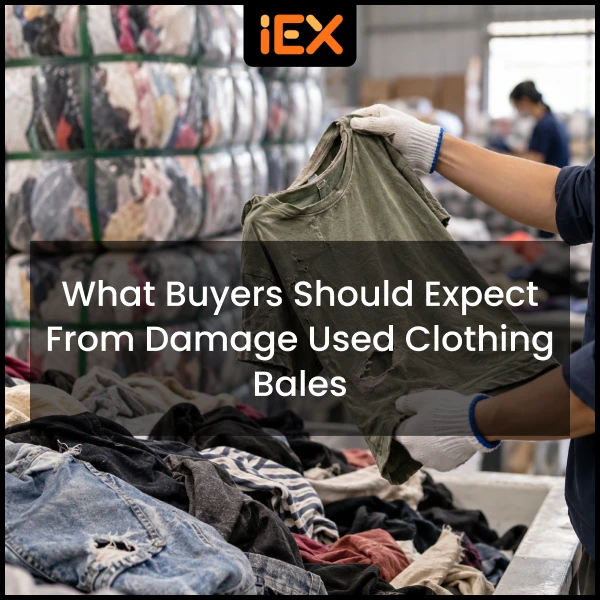
You want your second-hand clothes to be good. Quality control is very important. You need to check for stains and tears. You also look for fading. Sort clothes by condition, fabric, and brand. Check each item for damage and cleanliness. Ask suppliers for videos of opening bales and packing photos. Get proof of grading, not just what they say. Manage packing details so you avoid problems. Ask about raw materials and how they inspect items. Plan freight early to keep your money safe.
Here is a table that shows how to check quality:
Quality Assurance Process | Description |
|---|---|
Close-up defect check | Look for stains, tears, and fading. |
Sorting line footage | Watch sorting for 5–10 minutes straight. |
Verify grading | Make sure grading has proof, not just words. |
Request documentation | Ask for videos and photos before paying. |
Control packing details | Manage bale weight and loading to stop problems. |
Process visibility | Ask about raw materials and inspection steps. |
Plan freight early | Plan freight and timing to protect your money. |
Strict quality checks help you sell only good clothes. You build trust with shoppers and resellers. You help the planet by keeping waste low.
Logistics Management
You face many challenges with shipping second-hand clothes. You must change plans for seasons and fashion trends. Track inventory so you do not run out or have too much. Use warehouse space wisely because clothes need special care. Returns are high and need extra work. Delivery delays can make clothes useless if they come late.
Retailers use bonded warehouses for seasonal goods. This lets you pay duty only when you sell items. You can check and repackage clothes before shipping. These steps help you handle tariffs and keep your money safe.
Tip: Match your campaign calendar with new lead times. This helps you avoid empty shelves.
You make inventory management better and help the planet. Your second-hand clothing business runs smoothly. You meet environmental rules and make shoppers happy.
Comparing Alternatives
You need to compare container sourcing to other ways. Container sourcing can give you more profit but has risks with product mix. Buying straight from manufacturers gives better quality but costs more.
Here is a table that shows cost efficiency:
Sourcing Method | Cost Efficiency |
|---|---|
Container Sourcing | Lowers per-unit cost by 15–20% with big orders. |
Direct-from-Manufacturer | Higher unit costs because of minimum orders. |
Container sourcing makes shipping easier with big orders. Direct-from-manufacturer sourcing costs more for shipping with small orders. Good supplier relationships matter for both ways. Always have a backup supplier for important items. Protect your bestsellers with extra stock. Map out tariff risks and add days to lead times.
You make smart choices for sourcing. You help the planet and support sustainability. You help resellers grow their second-hand clothing business.
Conclusion
You want your retail business to stand out. Sourcing resale-ready clothing in containers gives you a clear path to higher profit and a stronger brand. You can offer second-hand clothing that meets the needs of today’s shoppers. You save money, boost your profit, and keep your inventory simple. You also help the planet by giving clothing a second life.
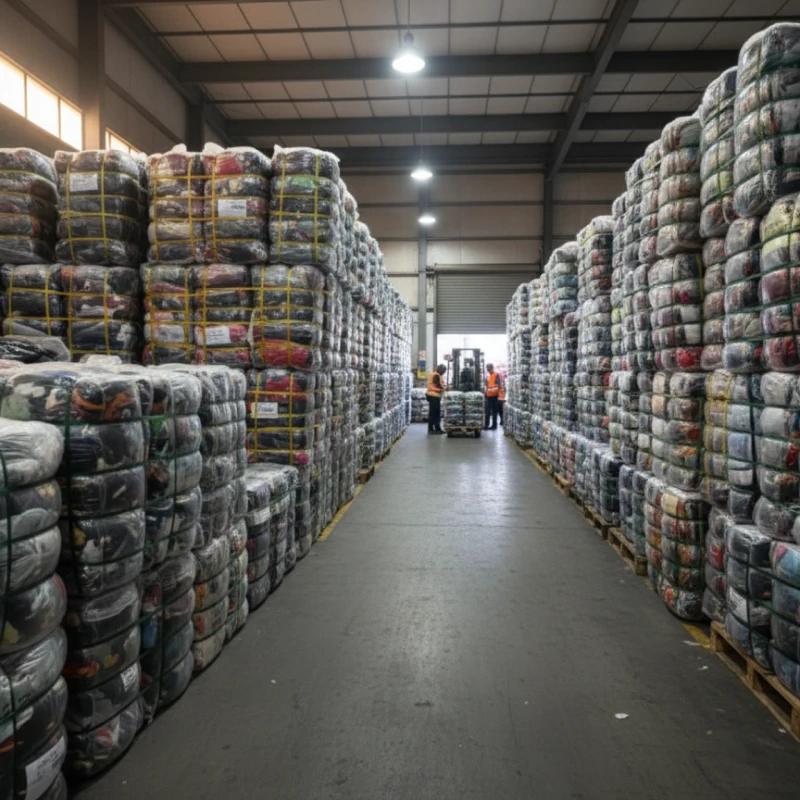
When you choose container sourcing, you get access to a wide range of second-hand clothing. You can sort, grade, and present these items in a way that builds trust with your customers. You control quality and make sure every piece of clothing meets your standards. This approach helps you avoid waste and keeps your profits strong.
You also build better relationships with suppliers. You work together to find the best second-hand clothing for your store. You plan ahead and stay ready for changes in the market. You can respond quickly to trends in second-hand clothing and keep your shelves stocked with what shoppers want.
Remember: Every container of second-hand clothing you bring in is a chance to grow your profit and support sustainability.
You can see the impact right away. You lower costs, increase profit, and attract shoppers who care about the environment. You make your store a leader in the second-hand clothing market. You help shape a future where clothing gets reused and profits grow.
Take the next step. Review your sourcing strategy. Ask yourself if container sourcing fits your goals. If you want more profit, better clothing, and a bigger share of the second-hand market, now is the time to act.
Save money and boost profit.
Offer high-quality second-hand clothing.
Build a business that lasts.
You have the tools. You have the opportunity. Make container sourcing your advantage in the second-hand clothing business.
You can see how getting resale-ready clothing in containers helps your store. You spend less money and make more profit. You sell second-hand clothing that shoppers like. You keep your inventory easy to manage. You help the planet by letting clothes be used again. You work well with your suppliers. Your second-hand clothing store gets bigger and brings in new shoppers. You check quality and make your clothes special. You become a leader in the second-hand clothing market. You help make a future where clothes are reused. You should look at your plan and pick container sourcing for your store.
FAQ
What is resale-ready clothing in containers?
You get pre-sorted, clean, and graded second-hand clothes packed in large shipping containers. These items are ready for your store shelves. You save time and money by skipping sorting and cleaning.
How do you ensure quality when buying in bulk?
You ask for grading reports, photos, and videos from suppliers. You check samples before buying. You set clear quality rules. You inspect items when they arrive. This keeps your standards high.
Is container sourcing good for small businesses?
You can start with smaller container loads or shared shipments. Many suppliers offer flexible options. You lower your costs and grow your business without big risks.
What are the main risks with container sourcing?
You may face quality issues, shipping delays, or customs problems. You reduce these risks by choosing trusted suppliers, checking paperwork, and planning ahead.
How does container sourcing help the environment?
You give clothes a second life. You cut down on waste and pollution. You support the circular economy. You attract shoppers who care about the planet.