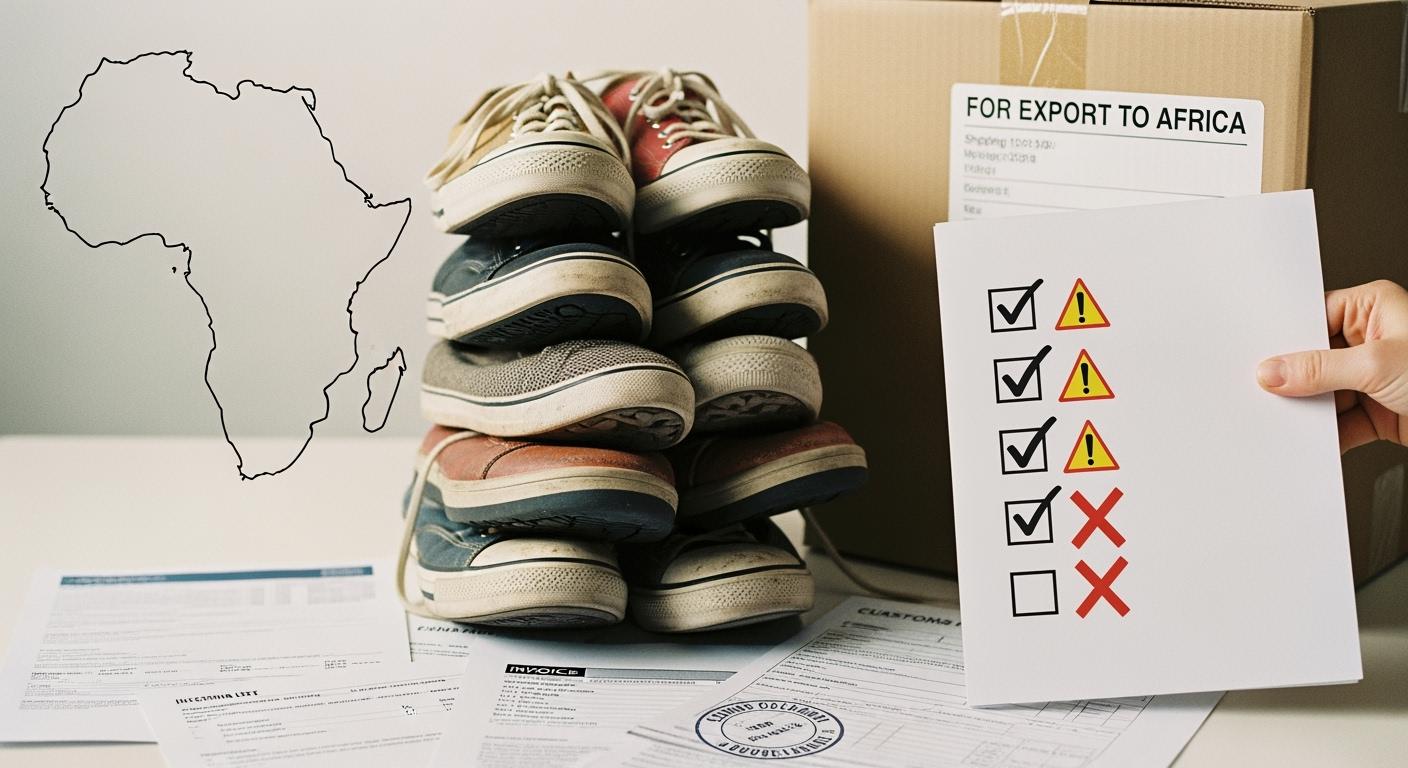
Have you ever thought about why many used shoes exporters have trouble with used shoes export to Africa? You may feel ready, but small mistakes can slow your export. Here are the most common problems:
Common Mistakes | Description |
|---|---|
Check Supplier Standards | Shoes should be clean and sorted for wholesale used shoes export. |
Understand Import Rules & Duties | Learn the export papers and rules for each country. |
Plan Shipping Carefully | Pick the best export shipping way and know about insurance. |
Labeling & Documentation Matter | Correct export labels and papers help you clear customs faster. |
If you want your used shoes export business to do well, start by checking your export steps.
Key Takeaways
Look at used shoes supplier standards. Make sure used shoes are clean. Sort shoes before you send them. This helps meet what buyers want.
Learn about import rules and duties. Find out what documents each country needs. This helps you avoid delays.
Plan shipping with care. Pick the best way to ship. Pack your goods well to keep them safe.
Labeling and paperwork are important. Use correct labels and documents. This helps clear customs fast and stops shipment problems.
Make good relationships with importers. Talk to them often and ask for feedback. This helps you understand the market and make your export better.
Compliance in the Export Process
You need to follow the rules from the start. If you forget steps or miss paperwork, you might face delays or fines. Your shipment could even be rejected. Many exporters have problems because they do not check their documents or keep up with new import rules. Let’s look at what you should know to avoid these mistakes.
Required Documents for Export
You must have the right paperwork to export. For example each African country asks for different documents. Some papers are needed almost everywhere. Here are the main documents you will need:
Document Type | Description |
|---|---|
VOC Certification | A Verification of Conformity certificate is needed to prove that the goods meet destination standards. |
Fumigation Certificate | May be required to show that goods have been treated to eliminate health risks. |
Health Certificate | Ensures that the exported goods pose no public health concerns upon arrival. |
Always check which documents you need before shipping. If you miss one, your shipment can be delayed or stuck at the port.
Navigating African Import Rules
African countries have their own import rules for used shoes. Some places want extra certificates or have special rules for second-hand goods. If you do not follow these rules, your goods might be refused or destroyed. Here is a table to show how rules and documents can change:
Document Type | Purpose |
|---|---|
VOC Certification | Proof that goods meet destination country’s standards. |
Fumigation Certificate | Ensures goods have undergone treatment to eliminate health risks. |
Health Certificate | Confirms that the goods pose no public health concerns upon arrival. |
Compliance with Local Regulations | Ensures adherence to specific import regulations of the destination country. |
Import Restrictions | Awareness of regional restrictions to avoid refusal or destruction of goods at the port. |
You should research the rules for each country you want to export to. Some countries have strict rules for used shoes and second-hand clothing. Others may ask for extra steps like cleaning or special labels. If you keep up with these rules, you can avoid problems and save money.
Tip: Always check for new import rules before you ship. Rules can change fast, so staying updated helps you avoid trouble.
Indetexx’s Approach to Compliance
You do not have to do everything alone. Indetexx makes exporting easier by focusing on compliance. Here is how Indetexx helps you avoid mistakes:
Indetexx keeps up with new rules in each country.
Our team checks documents often and keeps records for every export.
Indetexx works with legal experts and trade advisors to meet all requirements.
The company studies import rules for each African country, including rules for used clothing, cleaning, and the environment.
Indetexx sorts used shoes by quality and condition using the three-category system (A, B).
Our team cleans and disinfects shoes to meet hygiene standards.
Indetexx can assist you prepare paperwork, like invoices, packing lists, and health certificates, to make sure documents are correct.
If you have questions, Indetexx’s compliance team can help you and prevent delays.
If you focus on compliance, you protect your business and build trust with African partners. Indetexx’s experience in the second-hand clothing and shoes industry means you get help at every step of the export process.
Quality Control for Wholesale Used Shoes
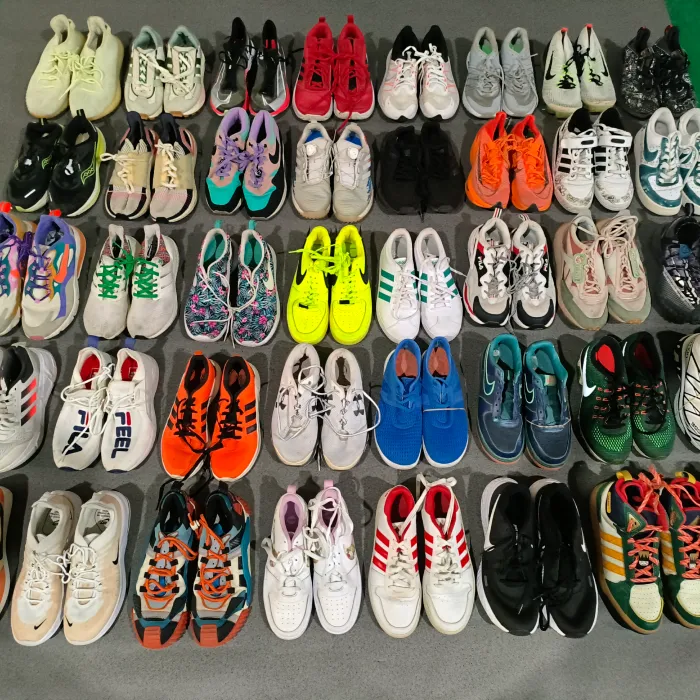
When you export wholesale used shoes to Africa, you need to pay close attention to quality. Buyers want second hand branded shoes that look good and last long. If you skip steps in sorting, cleaning, or labeling, you might lose trust and money. Let’s break down what you should do.
Sorting and Grading Standards
You should always sort wholesale used shoes by type, size, and brand. Most buyers in Africa want second hand branded shoes because they know these shoes last longer. You can use a simple grading system:
Grade | Description |
|---|---|
A | Like-new second hand branded shoes |
B | Gently used, minor wear |
C | Used, visible signs of wear |
If you mix grades, your customers may feel unhappy. Always keep second hand branded shoes in the right group. This helps you build a good name in the wholesale used shoes market.
Cleaning and Preparation
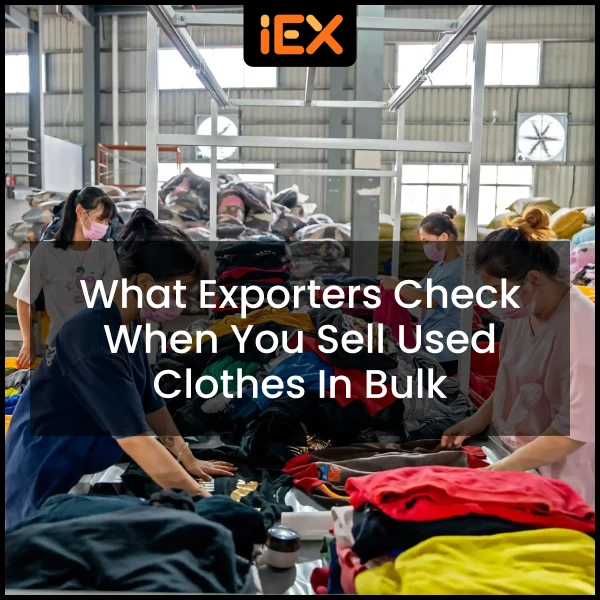
No one wants dirty second hand branded shoes. You should clean every pair before shipping. Remove dirt, check for damage, and tie laces together. Many used shoes buyers in Africa look for second hand branded shoes that look fresh and ready to wear. You can also add labels to show the grade and brand. This makes your wholesale used shoes stand out.
Tip: Clean shoes sell faster. Take time to check each pair of second hand branded shoes before you pack them.
Indetexx’s Quality Assurance
Indetexx takes quality control and packaging very seriously. Our team sorts wholesale used shoes by hand and checks every pair for damage. Indetexx only sends second hand branded shoes that meet high standards. You get shoes that look almost new. Indetexx also uses strong packaging to protect your second hand branded shoes during shipping. If you want to grow your business in second hand footwear, you need a partner who cares about quality. Indetexx helps you avoid common mistakes and keeps your customers happy with top-grade wholesale used shoes.
Logistics and Shipping to Africa
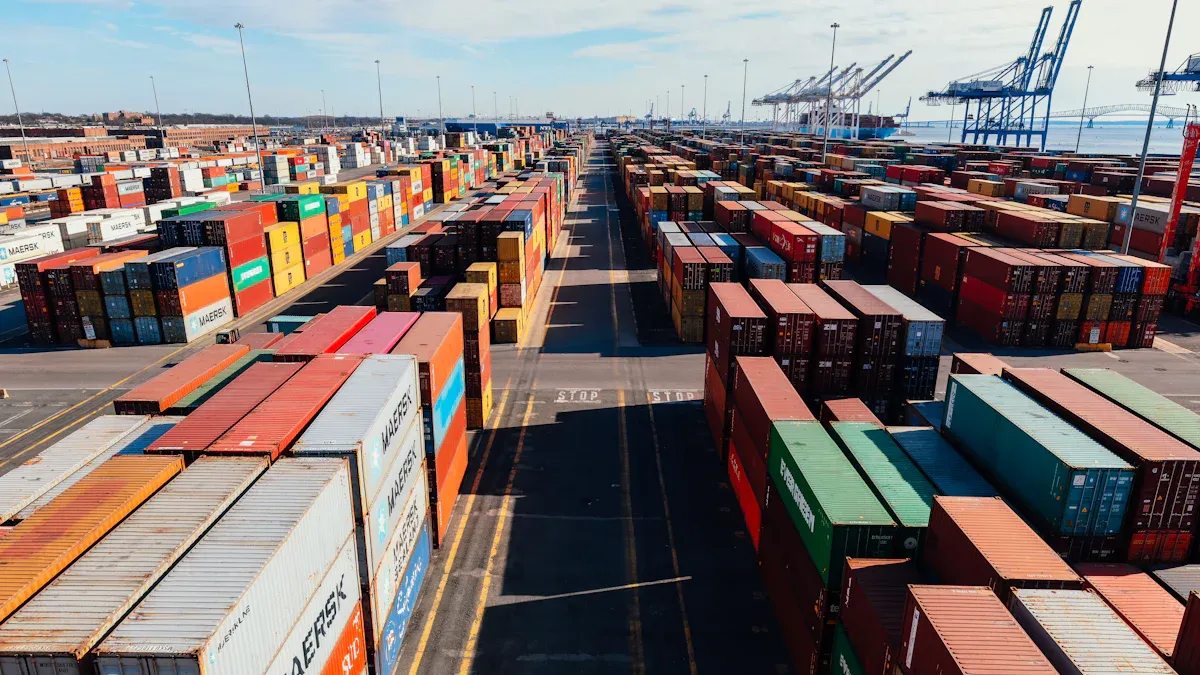
When you send used shoes to Africa, you must plan each step. Many used shoes exporters have problems with packing, insurance, and customs. If you skip these steps, your shipment may be late or cost more. Your used shoes could even get damaged.
Packaging and Insurance
You want your used shoes to arrive safely. Bad packing can ruin shoes during shipping. Here are mistakes exporters often make:
Stacking boxes wrong can crush the shoes inside.
Weak boxes break and do not protect shoes well.
Rough moving of containers can cause shoes to go missing.
No insurance means you pay if something bad happens.
If you do not get insurance, you risk losing money. Always use insurance to protect your shipment. Good packing and insurance keep your used shoes safe and avoid problems.
Tip: Use strong boxes and pack shoes close together. Insurance helps you worry less about shipping.
Customs and Transport Challenges
Getting used shoes through customs in Africa can be hard. You need to know each country’s rules. If you miss papers or break rules, your shipment can be delayed. Here are some main customs problems:
Challenge Type | Description |
|---|---|
Import Restrictions | Some countries have strict rules for used shoes to protect health or local jobs. |
Documentation Accuracy | Missing or wrong papers like invoices or health certificates slow things down. |
Compliance Barriers | Different taxes and rules can lead to fines or your shipment being taken. |
Check all your papers before you ship. Customs problems can waste time and money. If you get ready early, you can avoid most issues.
Indetexx’s Logistics Solutions
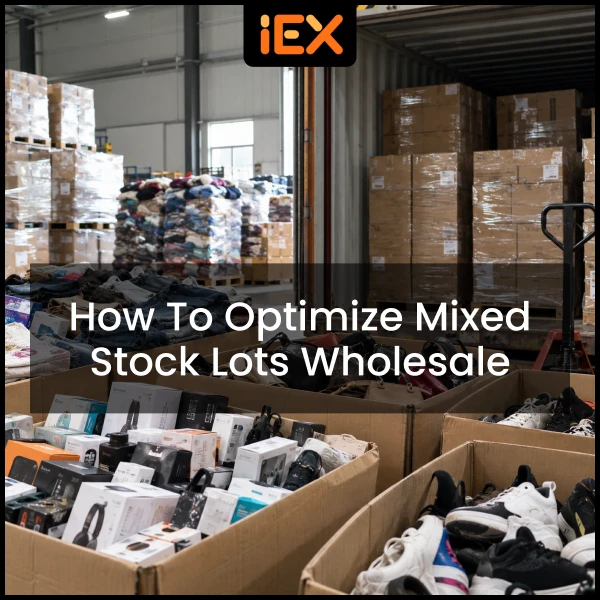
Indetexx knows how to solve shipping problems in Africa. Our team packs containers in a smart way to fit more shoes. This saves you money because you ship more at once. Indetexx tracks every shipment and works with trusted partners for quick delivery. Indetexx helps you with customs and import rules, so you do not get stuck. Indetexx’s experience means you get good service and fewer problems. You can grow your business while Indetexx takes care of shipping.
Understanding the African Market
Local Demand and Preferences
You want your export to succeed in Africa, so you need to know what buyers want. People in Africa look for used shoes that are strong, stylish, and comfortable. Some regions prefer sneakers, while others want dress shoes or sandals. You should study local trends before you ship. Ask yourself, “What styles do people wear in this country?” If you match your export to local demand, you will sell more and build trust.
Tip: Visit local markets online or talk to importers. They can tell you which used shoes sell fast.
Pricing and Competition
You must set the right price for your export. If your price is too high, buyers will choose other sellers. If it is too low, you may not cover your costs. Africa has many sellers of used shoes, so you need to stand out. Check what others charge for second-hand clothing and shoes. Offer good quality and fair prices. You can use a simple table to compare:
Product Type | Average Price (USD) | Popular Brands |
|---|---|---|
Used Sneakers | $2 – $5 | Nike, Adidas |
Used Dress Shoes | $3 – $6 | Clarks, Bata |
Second-hand Clothing | $1 – $4 | Mixed Brands |
If you keep your export prices fair and your quality high, you will grow your profitable second-hand clothing business.
Building Relationships with Importers
You need strong partnerships to succeed in Africa. Used shoes importers help you understand the market and avoid mistakes. You should talk with them often and listen to their advice. Good relationships make your export process smoother. Importers can help you solve problems and find new buyers for your used shoes.
Call or message importers regularly.
Ask for feedback on your second-hand clothing and shoes.
Work together to plan shipments.
Indetexx’s Market Insights
Indetexx knows the African market well. Indetexx’s team studies trends and listens to local partners. Indetexx helps you match your export to local needs. You get advice on styles, prices, and shipping. Indetexx’s experience in second-hand clothing exports means you avoid common mistakes. If you want to grow your business in Africa, Indetexx can guide you every step of the way.
You can save money if you plan before you export. Stay updated so you do not make mistakes. If you forget papers or use wrong labels, you may have problems. You could get fines or your shipment might not arrive.
Customs is easier when your labels and papers are correct.
If you know the rules and health laws, you will not be surprised.
Clean shoes and good boxes help people trust your business.
Check your steps before you ship. Ask local experts for help or look at Indetexx’s tips if you need more support.
FAQ
What documents do I need to export used shoes to Africa?
You need invoices, packing lists, VOC certificates, and sometimes health or fumigation certificates. Always check the latest requirements for your destination country. Missing documents can delay your shipment.
How do I make sure my used shoes meet African market standards?
Sort and grade your shoes by quality. Clean each pair and label them clearly. Buyers in Africa want shoes that look good and last long. Indetexx can help you with sorting and quality checks.
What is the best way to pack used shoes for shipping?
Use strong boxes or bales. Pack shoes tightly to avoid damage. Tie laces together to keep pairs matched. Good packing protects your shipment and saves space.
Tip: Always get insurance for your shipment. It protects you if something goes wrong.
How can I find reliable importers in Africa?
Start by researching local markets and talking to other exporters. Build relationships with trusted partners. Indetexx has experience working with African importers and can offer advice.
Conclusion
Exporting used shoes to Africa can be a profitable business — but only if you plan carefully and follow each rule. From sorting and cleaning to proper labeling and shipping, every step matters. The key to success is consistency, compliance, and a clear understanding of what buyers in each region want.
If you want to avoid delays, lost shipments, or compliance issues, it helps to work with an experienced partner. Indetexx brings years of expertise in second-hand clothing and footwear exports, ensuring your products meet all hygiene, documentation, and shipping standards. With Indetexx’s support, you can focus on growing your business while we handle the complex parts of export logistics and market research.
Stay compliant, maintain quality, and build long-term trust with your buyers — start your next export with Indetexx, your reliable wholesale second hand shoes partner in the global used shoes trade.