Introduction: Why Ukay Ukay Bales Remain a High-Growth Wholesale Business
Ukay Ukay bales are one of the most resilient and profitable segments in the global second-hand clothing trade. From open markets in Africa to neighborhood thrift shops in the Philippines, the demand for affordable, wearable, and trend-relevant used clothing continues to grow year after year.
For wholesalers, Ukay Ukay is not just about selling used clothes. It is about supply stability, grade consistency, and fast resale velocity. Many new buyers fail because they focus only on bale price, ignoring sourcing strategy, supplier capability, and market fit. Experienced wholesalers know that the real profit comes from reducing uncertainty.
This guide is written specifically for B2B wholesalers, importers, and distributors who want to source Ukay Ukay bales at scale, avoid common pitfalls, and build long-term, repeatable supply channels. We will walk through sourcing options, bale types, quality control, pricing logic, logistics, and how professional exporters like Indetexx help wholesalers lower operational risk.

What you’ll gain from this guide:
- Clear sourcing paths for Ukay Ukay bales
- How to evaluate bale quality beyond photos
- Cost structures wholesalers often overlook
- Risk-control strategies used by professional importers
What Are Ukay Ukay Bales? Understanding the Wholesale Product Structure
Ukay Ukay bales refer to compressed packages of second-hand clothing sold in bulk, typically by weight or by category. While the retail concept is informal, the wholesale system behind Ukay Ukay is highly structured and industrialized.
At the wholesale level, bales are not random. They are produced through collection, sorting, grading, and compression. The difference between profit and loss often comes down to how well these steps are managed by the exporter.
Most wholesalers misunderstand Ukay Ukay bales as “unsorted charity clothes.” In reality, professional exporters separate clothing by season, gender, category, and grade, creating predictable resale performance when matched with the right market.
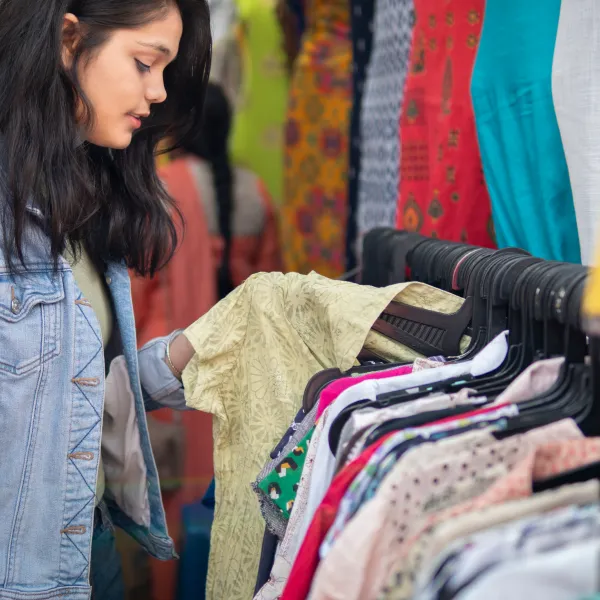
Key structural elements of Ukay Ukay bales include:
- Bale weight (typically 40–100 kg)
- Grade level (Cream, A, B, or mixed)
- Category composition (men, women, kids, mixed)
- Seasonality (summer vs winter dominant)
A reliable supplier will clearly define these parameters before payment, not after shipment. This transparency is what separates professional wholesale supply from speculative buying.
Typical Ukay Ukay bale characteristics:
- Consistent compression and packaging
- Fixed category ratio per bale or per container
- Stable grade definition across shipments
- Export-ready packing for container loading
Where Do Ukay Ukay Bales Come From? Main Global Sourcing Channels
Understanding sourcing origins is critical because raw material quality directly determines resale speed. Ukay Ukay bales typically originate from developed consumption markets and are processed in export hubs.
1. Collection-Origin Countries
These are countries where clothing is originally discarded or donated:
- United States
- Canada
- Japan
- South Korea
- Western Europe
Clothing from these regions tends to have:
- Better fabric quality
- More recognizable brands
- Larger size ranges
- Higher resale acceptance
However, these countries rarely export directly in small quantities to wholesalers.
2. Processing & Export Countries
Most Ukay Ukay bales are sorted, graded, and packed in:
- China
- Pakistan
- India
China, in particular, has developed large-scale industrial sorting systems, allowing exporters to offer stable grades and high container-loading efficiency. This is where suppliers like Indetexx stand out, operating 20,000㎡ factories with 6,000 tons monthly sorting capacity, something small traders cannot replicate.
Sourcing channel comparison:
| Channel | Risk Level | Consistency | Scalability |
| Local traders | High | Low | Very limited |
| Small exporters | Medium | Unstable | Limited |
| Large factories | Low | High | Strong |
Types of Ukay Ukay Bales and How Wholesalers Should Choose
Choosing the wrong bale type is one of the fastest ways to lose money. Each bale type serves a specific resale strategy.

Mixed Clothing Bales
These are the most common Ukay Ukay bales for wholesalers.
They include:
- T-shirts, jeans, dresses, shorts
- Men, women, and kids mixed
- Seasonal variation depending on sourcing
Mixed bales offer fast turnover and are ideal for open markets and new wholesalers.
Best for:
- African markets
- Southeast Asia
- First-time importers
Sorted Category Bales
These bales focus on one category only:
- Women’s tops
- Jeans
- Jackets
- Kids clothing
They cost more per kg but offer better pricing control at resale.
Best for:
- Market specialists
- Distributors supplying retailers
- Buyers with category knowledge
Branded Ukay Ukay Bales
These bales prioritize visible international brands and higher condition.
They are:
- More expensive
- Higher margin
- More sensitive to grading accuracy
Best for:
- Latin America
- Middle East
- Online resellers
Quick bale selection guide:
- New wholesaler → Mixed clothing
- Growing distributor → Mixed + category bales
- Premium market → Branded bales
How to Evaluate Ukay Ukay Bale Quality (Beyond Photos)
Photos alone are not proof of quality. Professional wholesalers rely on systems, not trust.
A reliable supplier should provide:
- Clear grade definitions
- Bale composition breakdown
- Real packing videos
- Consistent repeat shipments
Quality is not about having some good pieces. It is about percentage performance across the entire bale.
Key evaluation points:
- Percentage of wearable items
- Stain and damage tolerance per grade
- Fashion relevance (not outdated stock)
- Odor, cleanliness, and fabric condition
Professional exporters use multi-stage QC: raw material inspection → primary sorting → fine sorting → final quality check. This is why large factories consistently outperform small traders.
Quality verification checklist:
- Grade standard document
- Pre-shipment photos/videos
- Random bale inspection
- Historical consistency across orders
Pricing Logic: Why the Cheapest Ukay Ukay Bale Is Often the Most Expensive
Many wholesalers focus only on price per kilogram, ignoring hidden costs.
True cost includes:
- Import taxes
- Port handling
- Damage rate
- Unsellable percentage
- Slow-moving inventory
A cheaper bale with 30% unsellable items is more expensive than a higher-priced bale with 90% resale rate.
Large exporters like Indetexx reduce total landed cost through:
- High compression packing
- Optimized container loading
- Stable grade consistency
- Custom ratio planning
Real cost comparison example:
| Factor | Cheap Bale | Stable Bale |
| Price/kg | Low | Medium |
| Sellable rate | 65% | 90% |
| Turnover speed | Slow | Fast |
| Net profit | Lower | Higher |
Logistics & Container Planning for Ukay Ukay Wholesalers
Shipping efficiency directly affects profit. Poor loading wastes container space and increases per-unit cost.
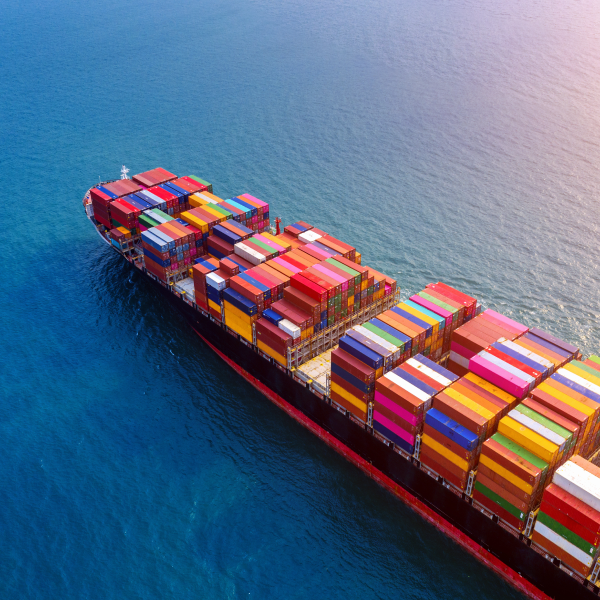
Professional suppliers:
- Load containers within 7 days
- Achieve near 100% container utilization
- Offer mixed loading strategies (clothing + shoes + bags)
Ukay Ukay wholesalers should plan:
- Bale weight standardization
- Category ratios per container
- Seasonal alignment with arrival time
Logistics optimization tips:
- Avoid mixed grades in one container
- Balance fast sellers with higher-margin items
- Use bags/shoes to fill dead space
Why Professional Exporters Matter in Ukay Ukay Sourcing
The Ukay Ukay business rewards stability, not luck. Long-term wholesalers work with suppliers who can scale, adapt, and communicate clearly.
Indetexx operates as a full-chain exporter, offering:
- 20,000㎡ factory infrastructure
- 6,000 tons monthly sorting capacity
- 3,000-ton raw material inventory
- Export experience to 110+ countries
This scale allows wholesalers to:
- Lock stable pricing
- Maintain grade consistency
- Expand without supply risk
- Customize bales by market demand
Frequently Asked Questions (FAQ)
1. What is the minimum order for Ukay Ukay bales?
Most exporters start from one container for wholesale pricing, though trial orders may be available.
2. Are Ukay Ukay bales washed?
Typically no. However, cleaned or washed options are available for specific markets.
3. Can I customize bale categories?
Yes, professional suppliers allow category, grade, and ratio customization.
4. Which market is best for beginners?
Africa and Southeast Asia offer faster turnover and lower entry risk.
5. How do I avoid scams?
Work only with exporters that have factories, verifiable capacity, and repeat buyers.
Conclusion: Build Ukay Ukay Profit Through Systems, Not Guesswork
Sourcing Ukay Ukay bales is not about chasing cheap deals. It is about building a repeatable supply system that delivers consistent quality, predictable resale, and scalable growth.
Wholesalers who succeed focus on:
- Supplier capability, not promises
- Grade consistency, not single samples
- Long-term landed cost, not per-kg price
Working with established ukay ukay bale exporters like Indetexx helps wholesalers move from trial-and-error buying to professional, system-driven sourcing. If your goal is sustainable growth in the Ukay Ukay business, your supplier choice is your most important decision.
Ready to Source Your First Shoe Container?
Indetexx ships Grade A and Grade B used shoe bales to 110+ countries with Recydoc-lot-tracked grading. Every bale ships with documented composition reports, pre-shipment photos, and size distribution data so you can verify grade accuracy before the container sails.
Our 20,000㎡ sorting factory processes 6,000 tons of footwear monthly, ensuring consistent supply for buyers across Africa, Southeast Asia, and Latin America.