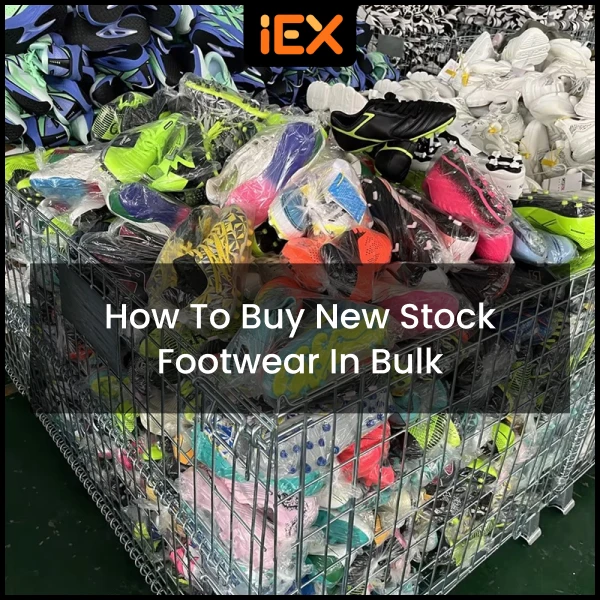
Common places to investigate include closeout distributors, liquidation specialists, B2B stocklot marketplaces, and export wholesalers. Before choosing an apparel stock clearance supplier, however, decide whether you need unused surplus, returns, factory seconds, or post-consumer used clothing. Those products require different checks and suit different retail models.
A listing described as “stocklot” or “branded” does not establish the condition, source, resale rights, or contents of the lot. Start by defining the inventory you want. Then compare suppliers using evidence for the current lot, written commercial terms, and landed cost based on your own inputs.
Where retailers find an apparel stock clearance supplier
There is no single sourcing channel for every surplus order. A small retailer seeking tagged garments in selected sizes has different needs from an importer that can sort a mixed shipment. Search for the channel that normally handles your required product state, then verify the seller and the current lot separately.
| Sourcing channel | Lot you may encounter | Suitable when | Main point to verify |
|---|---|---|---|
| Closeout or overstock distributor | Unused excess inventory, discontinued lines, or seasonal stock | You need retail-ready goods and a clearer category or size description | Source, ownership, tag and packaging condition, and any resale restrictions |
| Liquidation specialist | Shelf pulls, returns, damaged stock, overstock, or mixed liquidation lots | You can assess variable condition and work from a manifest or inspection | Exact product state, testing or inspection status, exclusions, and manifest accuracy |
| B2B stocklot marketplace | Offers from multiple sellers and countries | You want to compare available lots across a wider market | The identity of the actual seller, current-lot evidence, payment path, and trade terms |
| Export wholesaler or trader | Consolidated or sourced-to-order lots | You need packing, export coordination, or several categories in one order | Who owns the goods, who invoices you, and which parts of the order the trader controls |
| Used-clothing exporter | Graded post-consumer clothing in mixed or category-specific bales | Your store can merchandise one-off used items and manage grade variation | The supplier’s grade definition, exclusions, bale specification, and inspection options |
Use the table to narrow your search, not to assume what a seller has in stock. Two businesses using the same label may handle completely different goods. Direct purchasing from a brand may be possible under a particular seller policy or commercial arrangement, but it should never be assumed from a listing or logo.
Define the inventory before you compare suppliers
“Stocklot” generally describes goods offered as a block rather than a normal replenishable range. It does not, by itself, tell you why the goods are available or whether they are unused. Your request should state the product condition you will accept and the evidence you need for that condition.
| Product state | Confirm for the quoted lot | Do not infer from the label |
|---|---|---|
| Unused overstock or deadstock | Origin, age, storage history, tags, packaging, size and season mix, and current quantity | Brand authorization, unrestricted resale, or future replenishment |
| Shelf pulls or customer returns | Wear, damage, missing parts, packaging, testing status, and return reason where available | Retail-ready condition or a predictable sellable share |
| Factory seconds | The defect definition, inspection method, affected areas, labeling, and allowed tolerances | Minor defects, unused condition, or authorization to resell under a visible label |
| Mixed liquidation lot | Which product states are mixed, how quantities are measured, whether a manifest exists, and what is excluded | Uniform condition, complete documentation, or a consistent category mix |
| Graded post-consumer used-clothing bales | The supplier’s current grade and category definitions, exclusions, packing, bale weight, and measurement method | New clearance stock, brand authentication, or a fixed brand or sellable ratio |
For example, a “branded liquidation” offer could contain unused overstock, returned garments, shelf pulls, or a mixture. Each version changes the inspection work, merchandising plan, and landed cost. Ask the seller to name the product state in the quotation instead of relying on the listing title.
Order-specific grades show why the written definition matters. Indetexx’s verified used-goods scope includes brand-specific used-clothing bales and an order-specific Grade A/B/C classification framework. If that product state fits your shop, request the current category, grade definition, exclusions, bale weight, and packing specification. The grade label does not authenticate brands or guarantee a brand mix or sellable result.
For a fuller terminology comparison, see used clothing, liquidation and overstock differences. On your buying brief, use the seller’s label only after adding a plain-language condition description and exclusions.
Match the sourcing route to your retail model
The right route depends on how tightly your store controls sizes, seasons, presentation, and replenishment. A boutique that sells coordinated new collections may need tagged, unused garments with a usable size run. A secondhand or value retailer may accept one-off pieces and a broader mix if it has the staff and selling channels to grade, clean, photograph, or remerchandise them.

| Your retail requirement | Route to investigate | Operational trade-off |
|---|---|---|
| Unused condition, tags, and defined sizes | Closeout or overstock distributor | A narrower specification can reduce merchandising uncertainty, but the current lot still needs source and condition evidence |
| Ability to work with returns or shelf pulls | Liquidation specialist | Access to mixed product states may require more inspection, testing, and rework |
| Broad comparison across sellers | B2B stocklot marketplace | More listings also mean you must verify the actual counterparty and payment trail for each offer |
| Consolidated export order | Export wholesaler or trader | Coordination may be useful, but ownership, responsibilities, packing, and trade terms must be explicit |
| One-off secondhand assortment | Used-clothing exporter | Mixed inventory may suit flexible merchandising, but grade and category definitions must be order-specific |
Also consider replenishment. A stocklot may be a one-time purchase, even when the first order performs well. If your sales plan depends on repeating the same SKU, size run, or season, ask what is genuinely repeatable and what will change from lot to lot.
Format matters as well. Pallets and bales can represent different product states, packing methods, and inspection choices. If that format decision is still open, compare name-brand clothing pallets and used bales before requesting quotations.
Finally, match the order to your receiving capability. If your team cannot inspect and record mixed condition, a lower invoice price may create more work than your store can absorb. Choose the sourcing route your operation can actually receive, process, and merchandise.
What to verify before you pay a supplier
A polished catalogue and positive reviews can help you form questions, but they do not prove what is inside the current lot. Build the check around four areas: the company taking your money, the source and resale conditions, the lot you will receive, and the written commercial terms.
Verify the company and payment trail
Confirm the legal business name, registration details, address, invoicing entity, and payment beneficiary. The names should match, or the supplier should give a clear written explanation for any difference. Check that the email domain, quotation, invoice, and bank details form a consistent trail before sending funds.
A current check in the appropriate official registry can help confirm the entity details and status recorded there; it does not prove garment quality, lot ownership, or brand authorization. Reviews have a similar limitation. Use them to identify questions about communication and order handling, then verify the current transaction through documents and direct contact.
Verify source, ownership, and resale restrictions
Ask how the seller obtained the lot and what lot-specific source or ownership records can be shared. For branded goods, ask what supports the brand description and whether territory, de-labeling, relabeling, or resale restrictions apply. Confirm any destination-specific trademark, labeling, import, and resale requirements through current local advice.
Visible labels, logos, stitching, or catalogue photographs are not enough to establish authenticity or authorized resale. If either point is important to your business, define the evidence you require and use suitable expertise to assess it. Do not let the phrase “brand stock” replace a provenance check.
Verify the current lot, not a catalogue
Give the order a lot identifier and attach a written specification. Record whether the goods are unused, returned, seconds, mixed liquidation, or post-consumer used. Add categories, condition or grade, exclusions, size and season description, tags and packaging where relevant, packing method, and the agreed quantity or weight method.
Ask which current-lot photos, videos, live inspection, sample, or independent inspection options are available. A hand-picked garment is not evidence that the full mixed lot meets the specification. If sampling is used, agree the sample size, selection method, lot coverage, and shipment tolerances before relying on the result.
| Ask | Decision supported | Limitation |
|---|---|---|
| Lot ID and dated current-lot media | Whether the evidence refers to the goods being quoted | Images may omit areas, defects, or items outside the frame |
| Written product-state and condition description | Whether the lot fits your new, return, seconds, liquidation, or used model | Seller labels may not have a universal meaning |
| Category, size, season, and exclusion list | Whether your store can merchandise the assortment | A listed mix does not predict sell-through |
| Quantity or weight method and packing specification | Whether offers use a comparable measurement basis | A total weight does not reveal category or condition composition |
| Source, ownership, or authorization records where applicable | Whether the seller’s branded-goods claim has documentary support | A document helps only within its actual scope and validity |
| Available inspection or sampling route | Whether you can test the specification before payment or loading | Availability is not guaranteed, and a sample may not represent the lot |
| Written tolerance and claim process | What happens if the received lot differs from the specification | A remedy depends on the agreed terms and usable receiving evidence |
Use this table as a conversation guide. The aim is not to collect documents for their own sake. Each request should help you accept the lot, revise the specification, change the commercial terms, or stop the purchase.
Put commercial and shipment terms in writing
Make the quotation specific enough that another team member could understand the deal without reading your chat history. Record the currency, quantity basis, named trade term and place—the delivery point and responsibility basis used in the quote—plus included and excluded charges, packing, payment milestones, loading plan, claim deadline and remedy, and the documents included with the order.
A trade term alone does not tell you every operational detail. Ask who books each movement, who pays each charge, where risk transfers, and which documents the supplier will provide for this shipment. Confirm the current packing and loading window rather than treating a previous order or general website statement as the new schedule.
Before payment, check the requirements for the destination and the product you are buying. Import, labeling, trademark, and resale rules can vary, so verify them using current local guidance. A supplier’s experience in another market does not establish compliance in yours.
Compare total cost per sellable unit, not the headline price
An invoice price is only one part of the buying decision. A nearby offer is not automatically cheaper, and a distant offer is not automatically slower or more expensive. Put every quotation on the same destination and trade-term basis before comparing it.
Use your own current figures in these formulas:
Landed acquisition cost = invoice + freight + insurance + applicable non-recoverable duty/tax + broker/port + inland delivery + inspection + payment fees
Total cost to sale-ready stock = landed acquisition cost + receiving labor + cleaning/repair/repacking + disposal or claim costs
Estimated cost per sellable unit = total cost to sale-ready stock ÷ expected sellable units
Include each charge only once, and use only duties or taxes that are not recoverable for your business. The expected sellable-unit input should come from your inspection findings or your own receiving history for a genuinely comparable specification. Do not copy a supplier percentage into the model without understanding how it was measured. If the lot is quoted by weight, you may also need your own received unit count and category records before you can estimate a per-unit result.
| Comparison input | Evidence source | When to update it |
|---|---|---|
| Invoice value and quantity basis | Current quotation | When the specification or quantity changes |
| Freight, insurance, port, broker, and inland charges | Current route quotations | When the route, carrier, shipment plan, or trade term changes |
| Applicable non-recoverable duty and tax | Current destination guidance applied to the actual product and your business | When product classification, destination requirements, or recoverability changes |
| Inspection and payment fees | Current service and payment-provider quotations | When the inspection scope or payment method changes |
| Rework and disposal | Your own labor, processing, and disposal records | After inspection and receiving results are known |
| Expected sellable units | Your inspection or comparable received-lot records | When the category, condition, grade, or exclusions change |
Run more than one internal scenario if an input is uncertain, but keep every assumption visible. The formula does not promise a margin. It shows which uncertainties can change the cost of stock that reaches your sales floor.
Inspect, receive, and learn before you scale
If a small test or sample is available, compare it with the same written specification you intend to use for the main order. If only a full lot is available, decide whether current-lot media, a live review, or independent inspection provides enough information for the order risk. The supplier may not offer every option, so ask before building your plan around one.
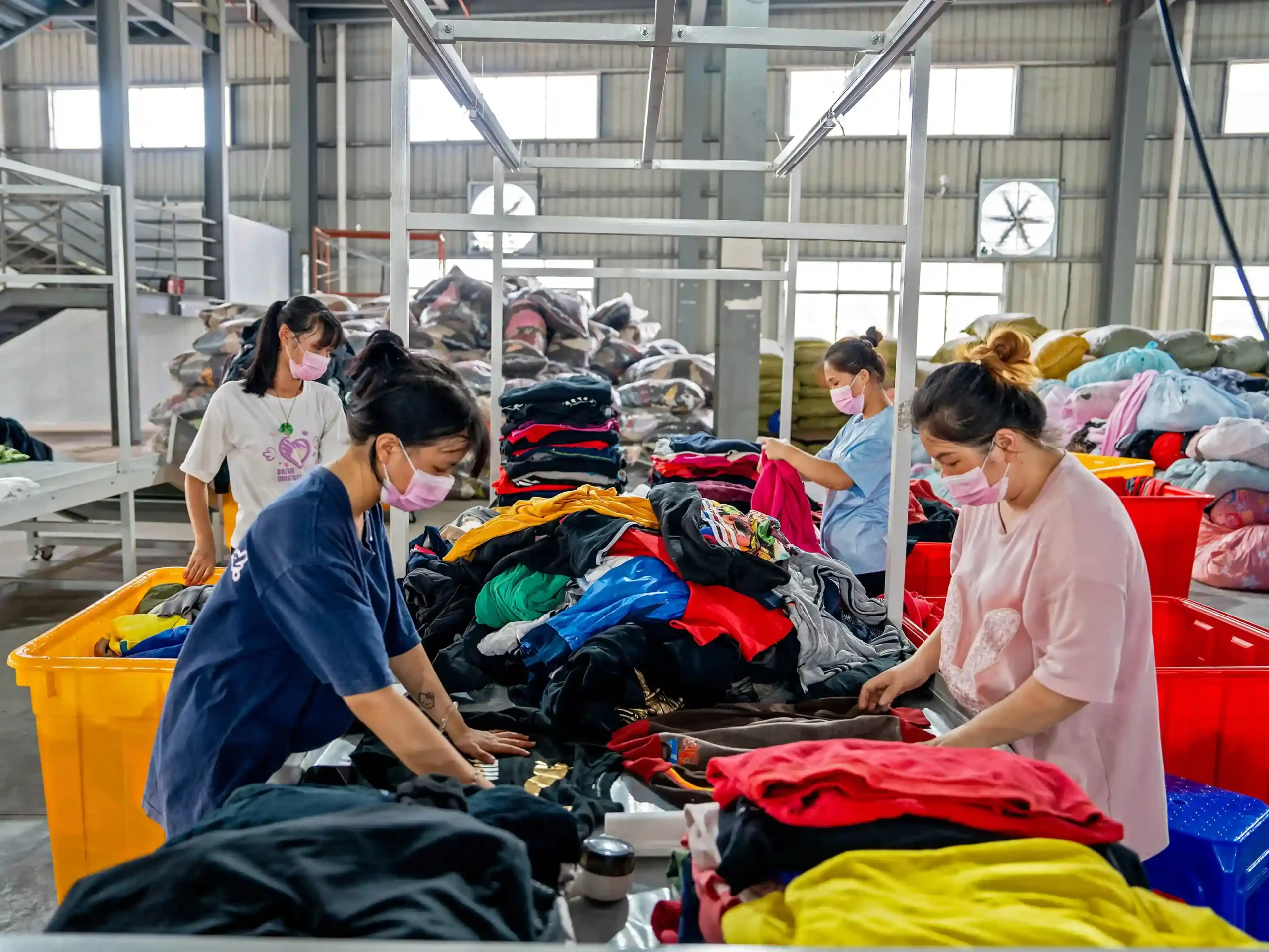
At receiving, use the quantity or weight method agreed in the order. Record category, condition or grade, exclusions, damage, packaging, and any evidence required by the claim process. Keep dated photos and identify the affected cartons, bales, pallets, or lot reference so that your record can be connected to the shipment.
A practical supplier scorecard compares what was written with what arrived:
| Specification point | Promised record | Received record | Next-order action |
|---|---|---|---|
| Product state and category | Quotation and specification | Receiving count or weight by agreed method | Keep, clarify, or remove the category |
| Condition, grade, and exclusions | Written definition and tolerance | Inspection notes and dated evidence | Tighten the definition or change the tolerance |
| Packing and identification | Packing list and lot references | Bale, carton, or pallet checks | Revise labels or packing instructions |
| Shipment plan | Written responsibilities and loading plan | Actual shipment records | Adjust the next plan using current quotations |
| Claim handling | Agreed deadline, evidence, and remedy | Response and resolution record | Continue, renegotiate, or stop |
This record is more useful than a general promise of a long-term relationship. It gives both sides a clear reference for the next quotation. Still, do not assume the next stocklot will be identical; repeat the current-lot check and carry forward only the specification points that still apply.
When used branded clothing bales are the better fit
Used branded clothing is a separate product state from unused surplus or liquidation stock. It may suit a secondhand, vintage, market-stall, or value-retail model that can merchandise one-off garments and work with an order-specific grade. If your shop requires unused tags, exact SKUs, or repeatable size runs, use a sourcing route designed for those requirements instead.
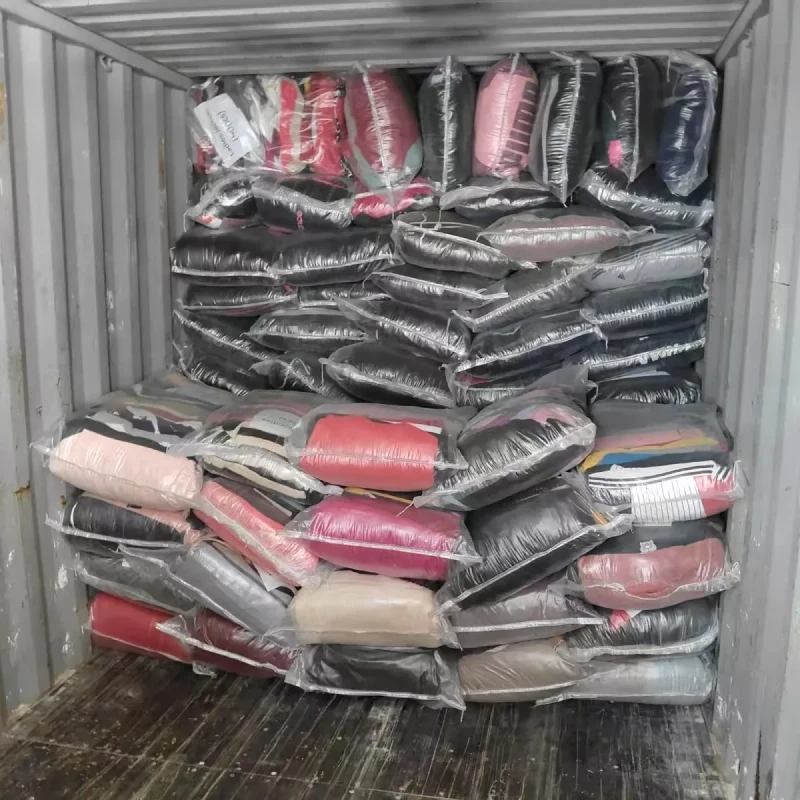
After defining your category and grade requirements, review Indetexx’s current used branded clothing bales route. Any category, brand, bale, or packing combination must be confirmed in the current quotation rather than inferred from a previous lot or a general product label.
Indetexx can also discuss 20 ft and 40 ft container options. Send your destination, product mix, and shipment plan, then ask which current container and loading plan apply to the quotation. The option itself does not promise capacity, price, route, lead time, or shipment composition.
Send suppliers a one-page buying brief
A concise brief makes supplier replies easier to compare. It also reveals whether the seller understands your product state before the conversation moves to price. Copy the checklist below into your inquiry and replace each prompt with your current requirement.
- Destination and sales channel: State the country or market and how you will sell the garments.
- Required product state: Specify unused overstock, returns, factory seconds, mixed liquidation, or post-consumer used clothing.
- Categories and exclusions: List garment types, sizes, seasons, materials, or conditions you need or will not accept.
- Brand and source evidence: State what evidence you require without assuming authorization or authenticity.
- Condition or grade: Request the supplier’s written definition, exclusions, measurement method, and proposed tolerance.
- Quantity and packing: State the required quantity basis and ask for the bale, pallet, carton, or other packing specification.
- Current-lot evidence: Ask which dated photos, video, live inspection, sample, or independent inspection options are available.
- Quotation basis: Request the currency, quantity basis, named trade term and place, and all included or excluded charges.
- Destination documents: List the documents you need the supplier to confirm for the current shipment, subject to your local checks.
- Claims and shipment planning: Ask for the claim process, required evidence, proposed remedy, and desired loading window.
Send the same brief to every candidate supplier. When replies use different units, trade terms, or product labels, return them for clarification before comparing price. A comparable reply is more valuable than a fast but incomplete quotation.
Red flags that deserve a pause
One missing field does not automatically prove a dishonest seller. It does tell you what must be resolved before payment. Pause when the answers make it impossible to identify the counterparty, define the lot, or calculate the order on a comparable basis.
- The seller provides only generic catalogue images and cannot connect evidence to a current lot identifier.
- Product-state language changes between the listing, quotation, and invoice.
- The payment beneficiary differs from the contracting or invoicing entity without a clear written explanation.
- You are pressed to pay before source, condition, packing, commercial terms, and the claim process are recorded.
- The offer makes universal promises about authenticity, grade, brand share, sellable yield, profit, or repeatability without defined evidence and tolerances.
- The quotation omits the named trade term and place, or changes when you ask which landed-cost items are included.
Resolve the inconsistency in writing. If the response still leaves a material gap, compare another source rather than filling the gap with an assumption.
Frequently asked questions
Where can I buy surplus branded garments for my retail shop?
Search closeout or overstock distributors, liquidation specialists, B2B stocklot marketplaces, and export wholesalers. Choose the channel only after defining whether you need unused surplus, returns, seconds, or used clothing, then verify the seller and the current lot.
What are stock lot garments?
In wholesale listings, “stock lot” usually refers to clothing offered as a block of inventory outside a normal replenishment program. The term does not establish condition, origin, authenticity, authorization, or repeat availability, so those points must be confirmed for the quoted lot.
Can a retailer buy surplus clothing directly from a brand?
It depends on the brand’s current sales policy, the retailer’s eligibility, territory, and the particular inventory. Do not assume direct access or authorization; ask the contracting seller for current written terms and evidence that applies to the lot.
What evidence should I request for a branded stock lot?
Request the seller’s legal and payment details, a lot identifier, product-state and condition description, categories and exclusions, quantity method, current-lot media, source or ownership records where applicable, and written commercial and claim terms. Confirm what each document actually proves.
What is the difference between a stocklot, a liquidation pallet, and a used-clothing bale?
A stocklot is inventory sold as a block; its condition and source still need definition. A liquidation pallet may contain overstock, shelf pulls, returns, or mixed goods, while a used-clothing bale contains post-consumer garments packed to a supplier’s category and grade specification.
Looking for Graded Used Clothing Instead?
If your buying brief points to graded used clothing rather than unused surplus, Indetexx can discuss the current category, grade, bale weight, packing, and container option for your inquiry.
- Share your destination and sales channel
- Define the requested category, grade, exclusions, and packing
- Ask for the current specification, quotation, and loading plan
Need more context? Read the used branded clothing sourcing guide before requesting a quotation.