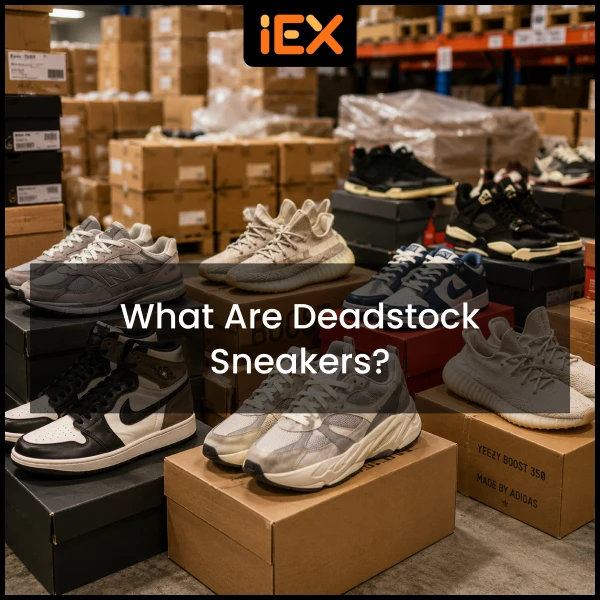
What are deadstock sneakers? In sneaker resale, the term commonly describes shoes represented as brand new or unworn. In inventory work, however, dead stock can mean merchandise that has remained unsold or stopped turning. For a wholesale buyer, either usage is only a starting claim. It does not by itself prove present condition, original packaging, source, seller authority, or resale suitability.
Before comparing quotations, connect the term to the current lot in writing. Define what is allowed, inspect according to the risk of the transaction, reconcile complete pairs with boxes and records, and calculate cost using the pairs your channel can actually sell. This guide keeps the focus on that buying decision, not sneaker history, collector value, or consumer shopping platforms.
Quick Takeaways
- Treat
deadstock,new old stock, and similar labels as seller-defined claims until the quotation states the condition and exclusions. - Do not use overstock, liquidation, open-box goods, returns, and seconds as synonyms; require the quotation to say which inventory, source, packaging, use-history, or exception field each label covers.
- Set inspection depth from lot variation, storage uncertainty, order value, sales-channel sensitivity, and the cost of an error—not a copied universal percentage.
- Match complete pairs, sizes, boxes, lot media, seller identity, invoice details, and available source records before relying on a headline quantity.
- Price the accepted sellable pairs, then put finite-stock, replenishment, and substitution rules in writing before building a repeat sales program.
What Are Deadstock Sneakers? A Claim, Not a Universal Grade
The useful answer depends on who is speaking. Shopify’s explanation of dead stock covers the inventory meaning: goods that remain unsold or no longer turn as expected. Sneaker resale often uses the same word for pairs represented as new and unworn. Those meanings can overlap—an older unsold pair may also be unworn—but one does not automatically prove the other.
A marketplace can add its own condition standard. For example, StockX describes footwear sold on its platform as brand new and inclusive of the shoebox, and says that condition is commonly known as deadstock. That explains one platform’s policy. It does not create a universal wholesale grade for every seller, shipment, box, or accessory.
The same caution applies if a seller uses new old stock or NOS. Do not infer that the term means unworn, complete, or ready to resell. Ask what age, claimed use history, present condition, packaging status, and permitted exceptions it describes for this lot. For broader inventory context, the Indetexx deadstock clothing buyer guide explains why source and records matter beyond the label.
Ask the seller to finish one sentence: “For this quotation, deadstock means…” The definition should say whether try-ons, display pairs, shelf pulls, customer returns, open boxes, seconds, storage marks, replacement boxes, or missing accessories are allowed. If the sentence cannot be completed, the term is too loose to use as an acceptance standard.
Separate Deadstock From Overstock, Liquidation, and Returns
Do not treat deadstock, new old stock, overstock, liquidation, open-box, returns, seconds, or B-grade as interchangeable grades. In the quotation, require the seller to state what each label is intended to describe for this lot: claimed wear history, inventory status, sale route, packaging state, or an allowed exception. A label in one field cannot answer the other questions unless the written offer says so.
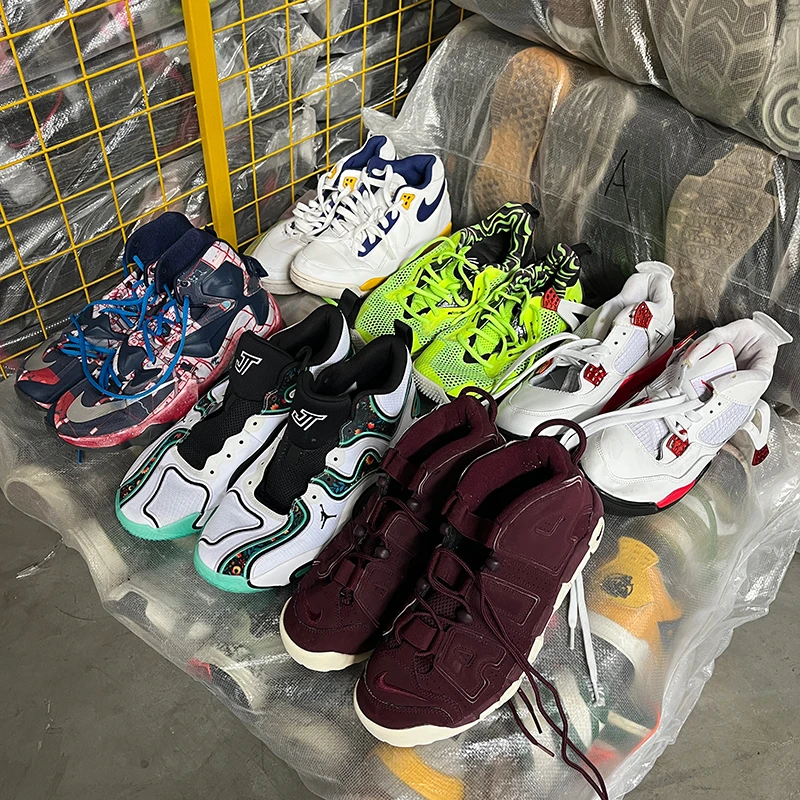
For open-box, returns, seconds, or B-grade, ask which present-condition, packaging, defect, use-history, and accessory exceptions are allowed. Do not infer try-on history, current condition, box coverage, source, or first-quality status from the label alone. Keep any seller-defined B-grade or seconds definition separate from Indetexx’s order-specific used-footwear Grade B definition.
More than one seller-defined label may apply to one lot, but the overlap must be written. Require the primary lot type, every permitted source category, the present-condition standard, and excluded categories. The received-pair rules should be clear enough to classify a pair without reconstructing what the seller meant after delivery.
Write the Lot Specification Before You Compare Prices
A useful specification turns the headline label into observable acceptance points. Start with a lot reference and define a complete matched left-right pair. Then state the represented wear history, permitted source categories, style and size scope, packaging and accessory coverage, allowed storage or cosmetic marks, label requirements, and treatment of singles or mismatches. Add any inspection arrangement, substitution rule, receiving notice period, evidence requirement, and claim remedy that the parties actually agree.
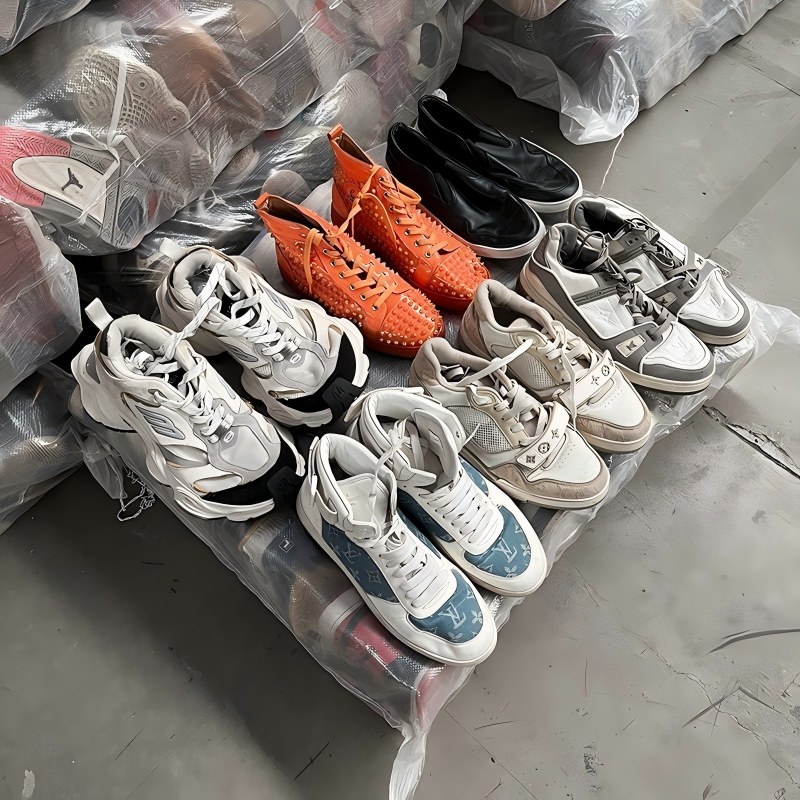
For example, a buyer might replace deadstock sneakers with: “Lot DS-01, complete matched pairs represented as unworn, customer returns and display pairs excluded, box status recorded by line, storage exceptions listed, and no style or size substitution without written approval.” That sentence is not a universal template. A discount outlet may accept disclosed box variation, while an online listing that promises an original box needs a tighter packaging rule.
Use the same lot reference on the assortment matrix, dated media, quotation, invoice, and packing record. State which signed document controls if descriptions conflict, and require changes to be approved in writing. This gives the parties one comparison basis if the sales message, spreadsheet, and invoice describe the offer differently at receiving. It also gives the claim process something concrete to compare against.
Keep a claimed deadstock lot separate from a used-footwear quotation. Indetexx supplies used footwear and uses order-specific category and Grade A/B/C definitions. When comparing that route, ask for the current footwear category, grade boundaries, pair-handling method, and packing details in the quotation. Those definitions make a used-footwear offer more testable; they do not establish deadstock or unworn condition, authenticate branded goods, or guarantee a fixed sellable yield.
Plan Inspection Around the Cost of Being Wrong
There is no inspection percentage that fits every deadstock sneaker lot. The useful scope depends on how varied the offer is, what is known about storage, the order value, the seller’s evidence, the sensitivity of your sales promise, and what happens if the result is wrong. For example, a mixed older lot intended for original-box listings may warrant a different review scope from a narrow lot sold with disclosed box variation.
Unworn status should not replace present-condition review. The Canadian Conservation Institute’s guidance on plastics and rubbers explains that these materials can undergo physical and chemical change, and that light, temperature, humidity, water, pollutants, and physical forces can influence condition. This supports inspecting the current goods. It does not establish a universal sneaker lifespan, storage threshold, or failure timeline.
Spread the review across the variation that could change your decision. That may mean different styles, size ranges, cartons, packing positions, and visible storage conditions rather than several nearly identical pairs from one open carton. Ask for dated lot-linked views of uppers, soles, interiors, labels, and packaging. If physical inspection is justified for the transaction, record how items will be selected and how the inspected sample remains tied to the quoted lot.
Separate critical failures from disclosed cosmetic variation before the review begins. A wrong style, unmatched pair, prohibited return, or material separation may trigger a different response from a scuffed box allowed within tolerance. If a critical mismatch appears, the agreed response might be to expand the review, correct the matrix, reclassify affected pairs, or pause the purchase. No universal remedy fits every deal; put the agreed response in the quotation and inspection instructions before the review.
Reconcile the Pair, Box, Records, and Seller
Once the condition standard is written, make the physical goods and transaction records tell the same story. Request a style/color/marked-size/complete-pair matrix rather than a headline unit count. Each line should show the number of matched left-right pairs, promised packaging, accessories, and known exceptions. Loose shoe counts can hide singles, mismatches, label differences, and a size curve that does not fit your channel.
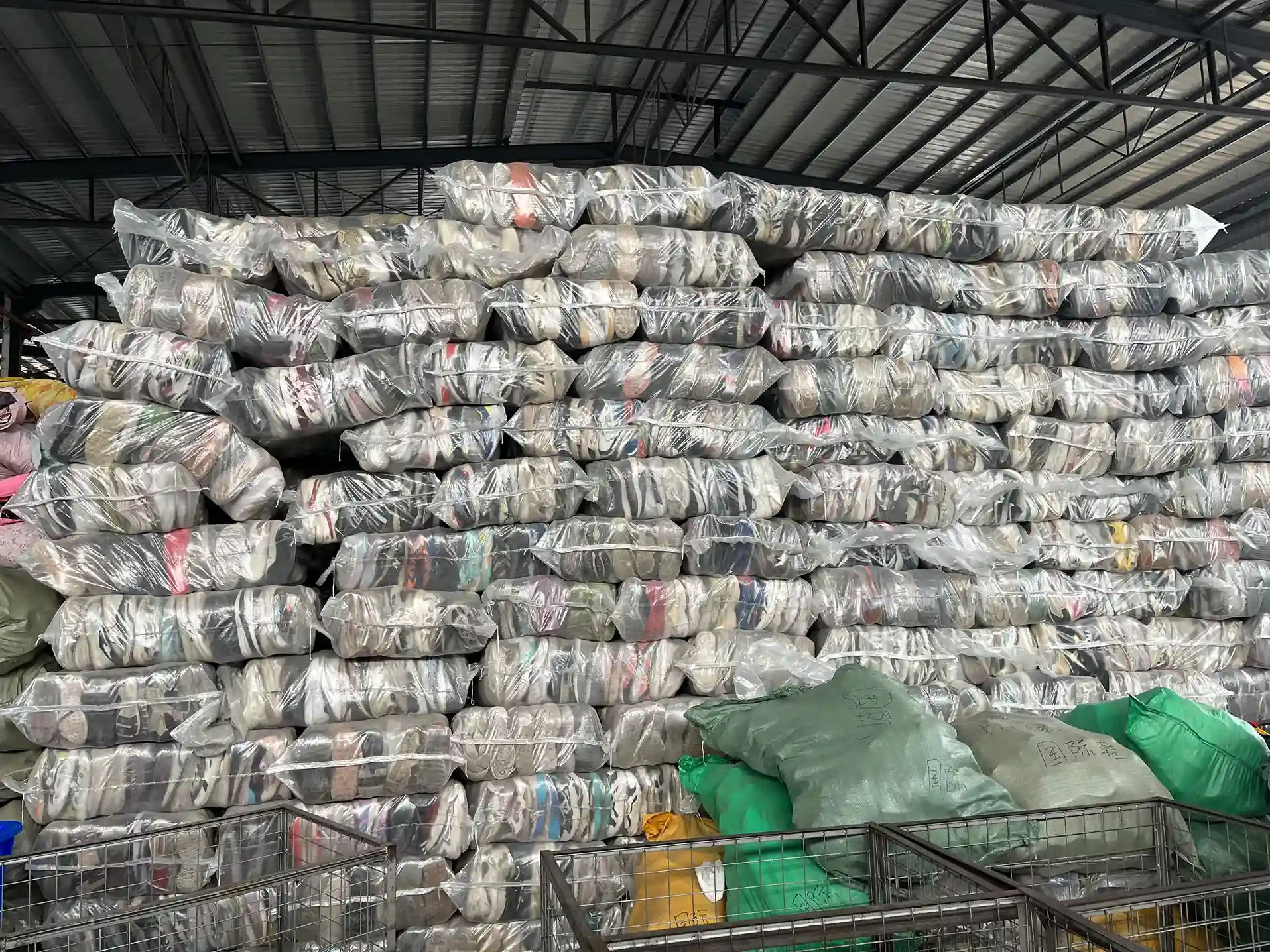
Packaging should be measured, not assumed. Record how many accepted pairs have the promised box, what box damage is allowed, whether replacement boxes are permitted, and how shoe and box labels will be checked. StockX’s sneaker-box guidance considers the brand-issued box, label, size, and style code among several factors and notes that its guide is not definitive. Even one platform does not reduce the decision to “box present” or “box absent.”
A product identifier helps reconcile records, but it has a limited job. GS1 explains that a GTIN identifies a trade item that may be priced, ordered, or invoiced. Use identifiers to compare the matrix, shoe label, box label, quotation, and invoice. Do not treat a matching code as proof of the physical pair’s authenticity, the seller’s ownership, a claimed authorization, or the buyer’s right to resell in a destination.
Check the seller and source as a separate workstream. Reconcile the legal business name, invoice issuer, payment beneficiary, and contact details, and require any difference to be explained and verified before payment. Request source or ownership records appropriate to the transaction and ask what part of the lot each record covers. If the seller claims to be authorized, ask for current written evidence that identifies the granting party, recipient, scope, territory, and validity period, then verify the claim independently when it materially affects the purchase. A document title alone is not a conclusion.
Destination rights are another question. WIPO explains that parallel-import treatment depends on the exhaustion regime in the relevant country. That general guidance is not legal advice for a shipment. When branded-goods import, labeling, tax, or resale rights affect the deal, obtain current advice for the destination rather than asking a condition inspection to answer a legal question.
Finish the reconciliation after arrival. Preserve lot and packing references, photograph the received condition before sorting, count complete pairs using the same matrix, and code exceptions using the agreed specification. Notify the seller within the written claim window with pair-level or carton-level evidence as appropriate, record the response and actual recovery, and carry the result into the accepted-pair calculation. For the next order, update the specification with what receiving found. This closes the loop without assuming every claim will be accepted or recovered.
Compare Cost per Accepted Sellable Pair
Compare offers using cost per accepted sellable pair, not only price per pair offered. Start with the current acquisition, freight, duties where applicable, inspection, receiving, reboxing, handling, and other destination costs you actually expect. Subtract only recoveries that have been confirmed and received. Divide the result by complete pairs that pass the written acceptance standard for your sales channel.
The number of accepted pairs changes with the sales promise. A boxless pair may be acceptable for a discount store that discloses packaging variation, yet fail an online listing that promises the original box. A complete pair in an unusable size may be physically sound but commercially outside the range you defined. Neither outcome makes a universal statement about the shoe; it shows why your acceptance rule must come before the calculation.
Build a conservative case before payment and replace assumptions with receiving data afterward. Do not borrow a yield, profit percentage, or claim-recovery rate from another lot. The canonical Indetexx comparison of stock shoes versus liquidation shoes explains the full accepted-pair method.
Treat Replenishment and Substitutions as Separate Terms
A finite deadstock lot is not a replenishment program. The quotation may describe only the balance available at that moment, and availability can change unless reservation, expiry, and payment terms say otherwise. Before building recurring listings or allocating stock across stores, ask whether the seller is offering one identified lot, a repeatable specification, or only an expectation that similar goods may appear later.
Put repeatability in writing. Define what “same” would mean on a later order: the same styles, size curve, represented condition, packaging coverage, or only the same broad product category. A repeat order should receive its own current matrix, media, quotation, and acceptance review. The first lot’s result is useful feedback, but it is not proof that the next balance will have the same mix or condition.
Substitution permission is different. State whether a missing style, color, size, box type, or accessory can be replaced, which alternatives are acceptable, and who must approve the change before packing. A seller’s right to substitute within a category does not promise that the original assortment can be replenished. If substitutions would break a listing, size run, or store allocation, require written approval rather than relying on a general “similar items” clause.
If a category-based used-footwear route fits the channel better, compare it as a separate route. Indetexx can discuss order-specific Grade A/B/C definitions, mixed or category-specific bales, packing, and 20ft or 40ft options for a current inquiry. Give the same destination, category, accepted grade, packing, and pair criteria used in your deadstock comparison. These options do not establish deadstock supply, new branded inventory, fixed composition, pair count, price, lead time, or repeat availability.
Need a Current Used-Footwear Specification?
Indetexx’s verified route here is used footwear, not a promise of deadstock or new branded inventory. Share your destination, category, grade, packing, and order scale. Ask the sales team to confirm the current specification and available options in the quotation.
- Destination and footwear category
- Acceptable grade boundaries and pair handling
- Packing and order scale for the current quotation
Or review the separate second-hand shoe route before requesting the current specification.
Frequently Asked Questions
Are deadstock sneakers brand new?
In sneaker resale, deadstock commonly describes pairs represented as brand new or unworn. It is not a universal wholesale grade, so the seller must define the term for the current lot. Confirm whether try-ons, returns, display use, storage marks, packaging variation, and missing accessories are allowed.
Can deadstock sneakers deteriorate without being worn?
Yes. Unworn status does not stop plastics, rubbers, and other footwear materials from changing with age and storage conditions. There is no universal lifespan that applies to every sneaker. Review dated, current-lot evidence and set observable acceptance rules for the transaction.
Do deadstock sneakers always include the original box?
No universal rule makes an original box part of every deadstock offer. Some marketplaces include the shoebox in their condition standard, while wholesale sellers may define packaging differently. Put box and accessory coverage, acceptable damage, label matching, and exceptions into the written lot specification.
Choose the Lot You Can Verify
Choose the lot whose written definition, current condition evidence, matched-pair matrix, seller records, accepted-pair cost, and repeat-supply terms agree. Clarify a specific gap when it can be resolved before payment. Pause when critical records conflict or the calculation depends on an unsupported assumption.
The word deadstock may help you start the conversation, but the reconcilable lot should decide the purchase. If your next task is to compare supply channels rather than condition labels, use the Indetexx guide to wholesale sneaker sourcing routes and keep each route’s condition, source, and replenishment terms separate.