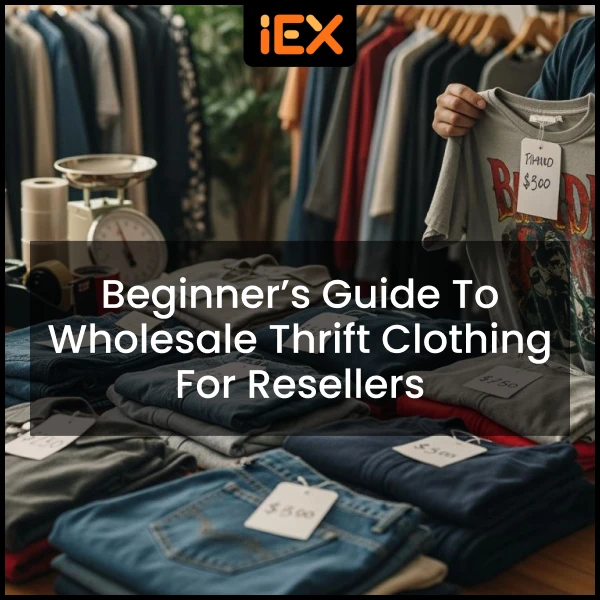
Starting with wholesale thrift store clothing can feel overwhelming, but you can do this! You just need a few simple steps to begin. First, look for trusted places that offer wholesale thrift clothing or specialize in thrift wholesale. Expect to sort through lots of items and find some hidden gems. You might face some challenges, like spotting good deals or handling big orders of wholesale thrift store clothing. Stay patient and learn from each experience. You will get better every time you try.
Key Takeaways
Begin by looking for trusted thrift store wholesale suppliers for wholesale thrift clothing. Search online, visit local warehouses, and go to trade shows. This helps you find the best choices.
Always look at the quality of your inventory. Check each item for stains, tears, and bad smells. This makes sure you sell only good pieces.
Set fair prices by adding up your costs and checking similar items. Try to double your cost so you make a good profit.
Get the licenses you need to run your business legally. Look at local rules to make sure you have the right permits.
Give great customer service. Answer questions fast and treat every customer kindly. This helps people want to buy from you again.
What Is Wholesale Thrift Clothing
Definition
Wholesale thrift clothing means you buy large amounts of secondhand clothes at once, usually from a thrift store wholesale suppliers or warehouse. You do not pick out each item one by one. Instead, you get a big batch, often called a “lot” or “bale.” These second hand clothes come from donations, store returns, or overstock from big brands. Many people call this process thrift wholesale because you get more items for a lower price per piece.
When you buy wholesale thrift store clothing, you often pay by the pound or by the box. This way, you can fill your shop or online store with lots of different styles and brands. You might find vintage jeans, graphic tees, or even designer labels in your shipment. The fun part is that you never know exactly what you will get!
Tip: Always ask your thrift store wholesale supplier about the mix of items in each lot. Some lots focus on certain types of clothing, like denim or sportswear.
Differences from Regular Thrift Shopping
You might wonder how wholesale thrift clothing is different from shopping at your local thrift store. Here are some key differences:
Selection: When you shop at a thrift store, you pick each item yourself. With thrift wholesale, you buy in bulk and get a surprise mix.
Pricing: Wholesale thrift store clothing usually costs less per item. You pay for the whole lot, not for each piece.
Time: Shopping in a store takes time because you look through racks. Buying wholesale saves time since you get many items at once.
Volume: Thrift wholesale lets you stock up quickly. You can fill your inventory with hundreds of pieces in one order.
Risk: You cannot see every item before you buy. Sometimes you get amazing finds, but sometimes you get items that are harder to sell.
Regular Thrift Shopping | Wholesale Thrift Clothing |
|---|---|
Pick items one by one | Buy in bulk lots |
Pay per item | Pay per pound or box |
Limited inventory | Large, mixed inventory |
Takes more time | Saves time |
If you want to grow your wholesale thrift clothing resale business, wholesale thrift clothing gives you a fast way to get lots of inventory. You can reach more customers and offer a wider range of styles. Just remember, you need to check your shipments carefully and learn what sells best in your shop.
Why Choose Wholesale Thrift Clothing
Benefits for Resellers
You might wonder why so many resellers jump into wholesale thrift clothing. The answer is simple: it gives you a big advantage. When you buy thrift clothing in bulk, you get more items for less money. This means you can offer lower prices to your customers and still make a profit. You also save time because you do not have to hunt for each piece at different stores.
Here are some top benefits you will notice:
Lower Cost Per Item: Buying wholesale thrift store clothing lets you pay less for each piece. This helps you keep your prices competitive.
Bigger Inventory: You can fill your shop or online store with lots of styles and brands. This attracts more buyers.
Surprise Finds: Sometimes you get rare or vintage wholesale clothing in your lots. These can sell for much more than regular pieces.
Faster Sourcing: You spend less time shopping and more time selling.
Note: Many resellers say that thrift wholesale is the fastest way to grow your business. You get more clothes to list and sell, which means more chances to make money.
Challenges
Wholesale thrift clothing comes with some challenges, too. You do not get to pick every item, so you might end up with second hand clothes that are hard to sell. Some pieces may have stains, tears, or other damage. You need to check your inventory carefully.
Common challenges include:
Quality Control: Not every item will be in great shape. You must sort and inspect each piece.
Storage Space: Large lots take up room. Make sure you have space to store your inventory.
Upfront Costs: You pay for a big batch at once. This can be a lot if you are just starting out.
Market Knowledge: You need to learn what sells best in your area or online.
If you stay patient and keep learning, you can overcome these challenges. Many resellers find that the rewards of wholesale thrift store clothing are worth the effort.
Find Wholesale Thrift Store Clothing Suppliers
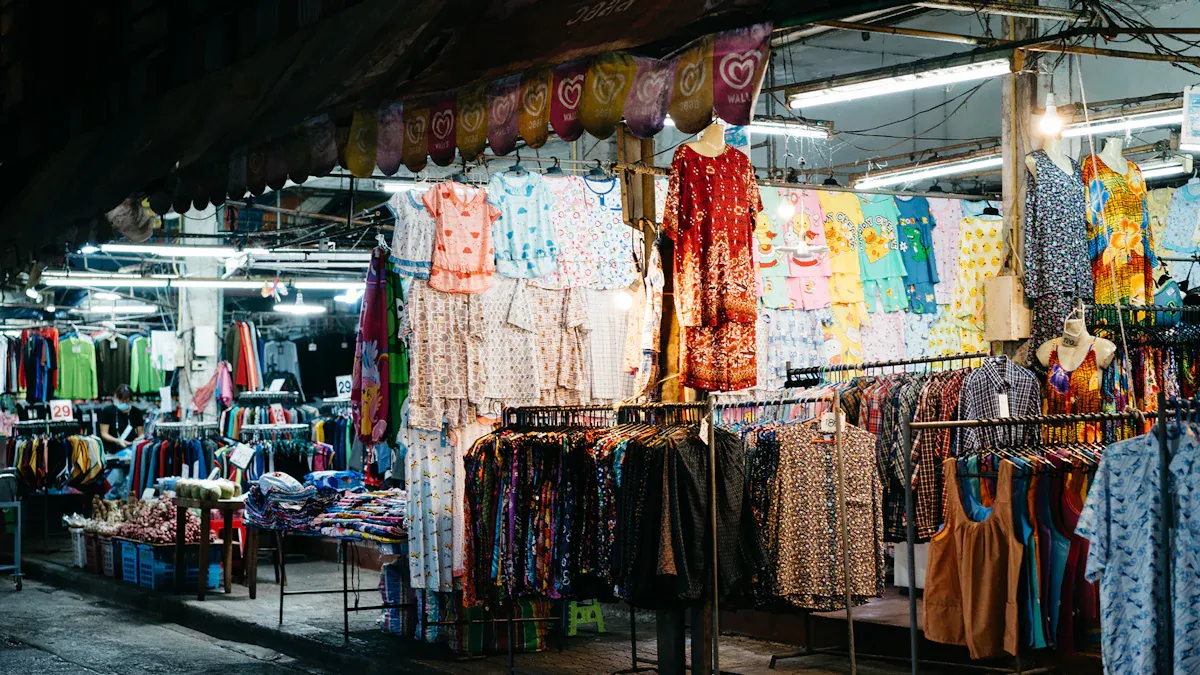
Finding a good thrift store wholesale supplier is an important first step. There are many choices, and each has good and bad points. Here are the main ways to get wholesale thrift store clothing.
Online Platforms
Online platforms let you buy big lots of used clothes from home. You can order from your couch and get items sent to you. Some well-known online thrift store wholesale suppliers are:
Indetexx
LA Vintage
Garson & Shaw
Bluebox
A&E Clothing
Merkandi
ThredUp
Vintage Wholesale Supply LTD
You can also find mixed lots on eBay. These lots have different brands and styles. Online platforms show sample photos and give lot details. This helps you know what you might get. Prices change, but you often pay less per item than in stores.
Tip: Always look at shipping costs before you buy. Some suppliers ship for free, but others charge by weight or distance.
Local Warehouses
If you want to see clothes first, visit a local warehouse. Many cities have warehouses that sell thrift wholesale lots. You can look at the clothes and sometimes pick your own. This helps you check quality and avoid surprises.
Ukay-ukay is popular in some places. It has many clothes at low prices. Eco-friendly shoppers like ukay-ukay because it helps recycle and cut waste. Starting costs for ukay-ukay can be from ₱10,000 to ₱50,000. The price depends on the supplier and lot size.
Going to local warehouses often helps you find the best deals and keep your inventory new.
Trade Shows
Trade shows bring many suppliers together. You can meet sellers, see samples, and ask questions in person. Trade shows sometimes have special deals for new buyers. You might find rare items or make friends with suppliers for later orders.
Look for events near you or check online for virtual trade shows. Some suppliers, like LA Vintage and Garson & Shaw, go to these events and offer special lots. Trade shows can be busy, but you can learn from other resellers and see what is popular.
Vetting Thrift Store Wholesale Suppliers
Not all thrift store wholesale suppliers are equal. You want to work with used clothing companies you trust. Here are some steps to help you check suppliers:
Read Reviews: Look for what other resellers say. Good thrift store wholesale suppliers have good reviews and clear return rules.
Ask Questions: Contact the thrift store wholesale suppliers and ask about sorting, shipping, and payment.
Request Samples: Some thrift store wholesale suppliers send small sample lots. This lets you check quality before a big order.
Check Policies: Make sure you know the rules for returns, refunds, and damaged items.
Supplier Name | Sourcing Method | Sample Option | Notable Feature |
|---|---|---|---|
Indetexx | Online/Trade | Yes | Quality Graded Used Clothing |
LA Vintage | Online/Trade | Yes | Vintage focus |
Garson & Shaw | Online/Trade | Yes | Global shipping |
Bluebox | Online | No | Mystery boxes |
A&E Clothing | Online | Yes | Mixed lots |
Merkandi | Online | No | International suppliers |
ThredUp | Online | No | Cleaned, sorted lots |
Vintage Wholesale Supply LTD | Online | Yes | European vintage |
If you build a good relationship with your thrift wholesale clothing supplier, you can get better deals and first pick of new items.
There are many ways to get wholesale thrift clothing. Try different options to see what works for you. Always look for new wholesale clothing supplier and check quality before you buy. With the right wholesale clothing supplier, you can keep your shop full and your customers happy.
Sourcing Thrift Wholesale Inventory
Quality Checks
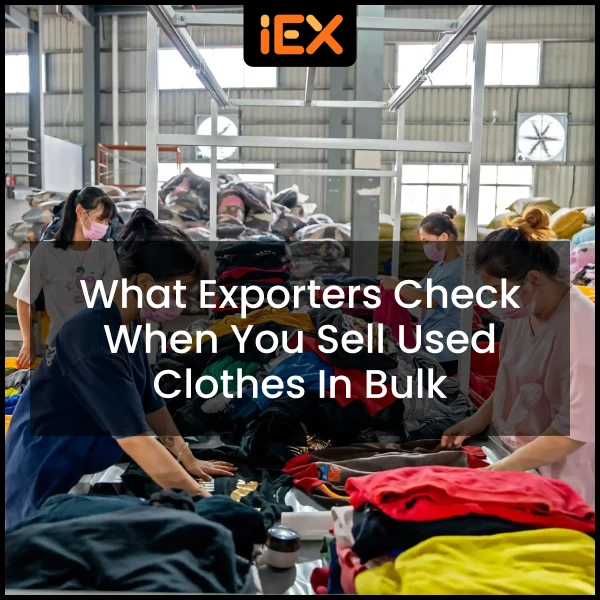
You want to make sure your inventory stands out. When you get a new batch, start by sorting everything into piles. Look for stains, holes, missing buttons, or broken zippers. Hold each piece up to the light. Sometimes flaws hide in seams or under collars. Smell the fabric. Strong odors can be hard to remove. If you see pilling or fading, decide if you can fix it or if it should go in the donation pile.
Tip: Keep a lint roller, stain remover, and sewing kit nearby. Quick fixes can turn a “maybe” into a “yes” for your shop.
Popular Brands
Certain brands sell fast and attract loyal buyers. You want to spot these names right away. Look for labels like Carhartt, Harley-Davidson, Levi’s, Nike, Adidas, Patagonia, and The North Face. Vintage brands and unique graphic tees also do well. Watch for trending styles, like Y2K fashion, oversized sweatshirts, or denim jackets. Make a list of brands and styles that sell best in your shop. This helps you sort faster next time.
Brand | Why It Sells |
|---|---|
Carhartt | Durable, workwear |
Harley-Davidson | Iconic, collectible |
Levi’s | Classic denim |
Nike, Adidas | Sportswear demand |
Patagonia | Outdoor, eco-friendly |
The North Face | Outdoor, quality |
Red Flags
Not every item in a thrift wholesale lot will be a winner. Watch out for these red flags:
Heavy stains or strong odors
Large holes or missing parts
Outdated or unpopular styles
Fake designer labels
Items with pet hair or mold
If you see too many red flags in a lot, you might want to skip that thrift wholesale clothing supplier next time. Always trust your gut. You want your wholesale thrift store clothing to make customers happy and keep them coming back.
Costs and Pricing
Estimating Costs
You want to know how much money you need before you start. Wholesale thrift clothing comes with a few main costs. You pay for the clothes, shipping, and sometimes extra fees. Always ask your supplier for a full price list.
Here’s a simple way to break down your costs:
Cost Type | Example Amount |
|---|---|
Clothing Lot | $200 (100 lbs) |
Shipping | $50 |
Supplies (tags, bags) | $20 |
Cleaning/Laundry | $30 |
Total | $300 |
Tip: Always add a little extra for surprise costs. Sometimes you need to fix or clean more items than you expect.
You can use this formula to find your cost per item:
Total Cost ÷ Number of Items = Cost Per Item
If you spend $300 for 200 pieces, each item costs $1.50. This helps you know how low you can price your items and still make a profit.
Setting Prices
Now you need to decide how much to charge. Look at what similar items sell for online. Check sites like eBay, Poshmark, or Depop. Notice which brands and styles get higher prices.
Here are some steps to help you set prices:
Check your cost per item.
Research what buyers pay for similar pieces.
Set a price that covers your cost and leaves room for profit.
Most resellers aim for at least double their cost. If you pay $1.50 per shirt, try selling it for $5 or more. Rare brands or vintage pieces can go much higher.
Remember, you can always adjust your prices. Start higher and lower them if items do not sell.
You want your prices to attract buyers but still give you a good profit. Keep track of what sells best and update your prices as you learn.
Legal and Business Setup
Licenses
You need the right licenses before you start selling thrift clothing. Most cities ask you to get a business permit. Some places want you to have a resale license, too. This license lets you buy clothes without paying sales tax upfront. You pay the tax when you sell the item to your customer. Check with your local government office or website. They will tell you what forms you need. If you skip this step, you might get fines or have trouble with suppliers.
Tip: Keep copies of your licenses in a safe place. You may need to show them to suppliers or customers.
Taxes
Taxes can feel confusing, but you can handle them. You must report your income from selling thrift clothing. Most resellers pay income tax on their profits. If you sell online, some platforms collect sales tax for you. You still need to keep records of your sales and expenses. Save your receipts for every purchase, shipping fee, and supply. This helps you when tax season comes.
Tax Type | What You Need to Do |
|---|---|
Sales Tax | Collect from buyers (if required) |
Income Tax | Report profits to IRS |
Local Taxes | Check city or state rules |
If you feel unsure, talk to a tax professional. They can help you set up your records and answer your questions.
Business Structure
You get to choose how you run your thrift wholesale clothing business. Many thrift resellers start as sole proprietors. You make all the decisions and keep all the profits. You can run your shop from home, which saves money. You meet lots of people and learn new things every day. The business model is simple and easy to learn.
Advantages:
You are your own boss.
Quick profits and fast turnover.
Easy to start and run from home.
Thrift clothing is always in style.
You meet diverse people and build your network.
Disadvantages:
The work can be exhausting.
You spend a lot of time sorting and selling.
Not every item sells, so you may have leftovers.
Finding good suppliers takes effort.
High competition from other resellers.
Some people choose to form an LLC or partnership. These options give you more protection and may help with taxes. Think about your goals and pick the structure that fits you best. If you start small, you can always change your setup later.
Starting with the right legal steps helps you grow your business and avoid problems down the road.
Reselling Tips

Marketing
You want people to see your thrift clothes shop. Good marketing helps you get more buyers. Try different ways to find what works best. Social media lets you share pictures and run ads. You can build a group of fans there. Email marketing sends news and deals to your customers. Search engines help people find your shop online. Referrals from happy customers bring new shoppers. SMS marketing sends quick messages about sales or new items.
Here’s a table showing popular marketing channels and how they help your wholesale thrift store clothing business:
Channel | Description |
|---|---|
Email Marketing | High open rates and audience reach, allowing for personalized content delivery to build trust. |
Social Media | Engages customers actively searching for brands, effective for community building and paid ads. |
Search Engines | Essential for visibility; SEO and content marketing can improve SERP rankings. |
Referrals | Leverages satisfied customers to drive quality leads with lower acquisition costs. |
SMS Marketing | Fast and direct communication, ideal for time-sensitive promotions. |
Tip: Post often and reply to comments. People like shops that are friendly and active.
Listings
Your listings help buyers choose what to buy. Use clear photos with good light. Show the front, back, and special details. Write simple titles and honest descriptions. Say the brand, size, color, and condition. If you see a flaw, mention it. Buyers trust you more when you tell the truth. Price your items fairly and update your listings often. New items keep your shop exciting.
Use short sentences in your descriptions.
Add measurements for clothes.
Group similar items together for easy browsing.
Customer Service
Great customer service makes people come back. Treat every shopper like they are important. Answer questions quickly and politely. Let customers share feedback or complaints. You learn what works and show you care. Stay in touch with loyalty program members. Offer special deals or early access to new items. Special benefits make customers feel good and help them tell friends about your shop.
Give high priority service to every customer.
Listen to complaints and fix problems fast.
Keep loyalty members updated and offer perks.
Note: Happy customers come back and tell others. Your business grows when you put people first.
Mistakes to Avoid
Starting your resale journey feels exciting, but you can run into common mistakes. If you know what to watch out for, you save money and avoid stress. Let’s look at three big mistakes new resellers often make.
Overbuying
You see a huge lot of clothes at a great price. You want to grab it all. Slow down! Buying too much at once can fill your space and drain your cash. You might end up with piles of clothes you cannot sell. Try starting small. Test a few lots first. See what sells in your shop. If you buy only what you need, you keep your business healthy.
Tip: Make a simple inventory plan. Write down how many items you want to list each week. Stick to your plan and avoid buying more than you can handle.
Ignoring Quality
You want lots of clothes, but quality matters more than quantity. If you list items with stains, holes, or bad smells, buyers will not come back. You lose trust and get bad reviews. Always check every piece before you list it. Fix small problems if you can. Toss anything that looks too worn out.
Here’s a quick checklist for quality:
Check for stains and tears
Smell the fabric
Look for missing buttons or zippers
Make sure the brand label is real
Underestimating Costs
You think you only pay for the clothes, but costs add up fast. Shipping, cleaning, supplies, and fees can surprise you. If you do not track your spending, you might lose money. Write down every cost. Use a simple table to help you see where your money goes.
Expense Type | Example Amount |
|---|---|
Clothing Lot | $150 |
Shipping | $40 |
Cleaning | $25 |
Supplies | $15 |
Note: Always add a little extra for surprise costs. If you plan your budget, you keep your profits safe.
Avoid these mistakes and you set yourself up for success. Stay smart, stay patient, and watch your business grow! 🚀
You’ve learned the basics of starting a wholesale thrift clothing resale business. Here’s what you need to do:
Check your inventory for quality
Set fair prices
Get the right licenses
Treat your customers well
Remember, every expert started as a beginner. Stay curious, keep learning, and don’t give up. Your hard work will pay off. You’ve got this!
FAQ
How much money do I need to start reselling wholesale thrift clothing?
You can start with as little as $200 to $500. This covers your first lot, shipping, and basic supplies. Start small, test what sells, and grow from there.
Can I pick the brands or styles in my wholesale lot?
Most thrift wholesale clothing suppliers send mixed lots, so you cannot choose every brand or style. Some offer themed lots, like denim or sportswear. Always ask your supplier about options.
What should I do if I get damaged or unsellable items?
Sort your lot as soon as it arrives. Set aside damaged pieces. Some thrift wholesale clothing suppliers accept returns for major issues. If not, donate or recycle what you cannot sell.
Do I need a business license to resell thrift clothing?
Check your local rules. Most places require a business license or resale permit. This helps you buy inventory tax-free and keeps your business legal.
Where can I sell my thrift clothing online?
You have many choices! Try eBay, Poshmark, Depop, Mercari, or Facebook Marketplace. Each platform has its own audience and fees. Test a few to see what works best for you.
Conclusion
Starting a wholesale thrift clothing business may seem challenging at first, but it’s one of the most rewarding ways to grow a sustainable and profitable venture. By choosing reliable thrift wholesale suppliers, checking your inventory carefully, and learning how to price and market your items, you can turn secondhand treasures into steady income.
Remember — success doesn’t happen overnight. Every shipment teaches you something new about trends, quality, and what your customers love most. Stay patient, stay curious, and keep improving your process. With consistency and passion, your thrift resale business can grow from a simple idea into a thriving brand that supports both your goals and the planet.