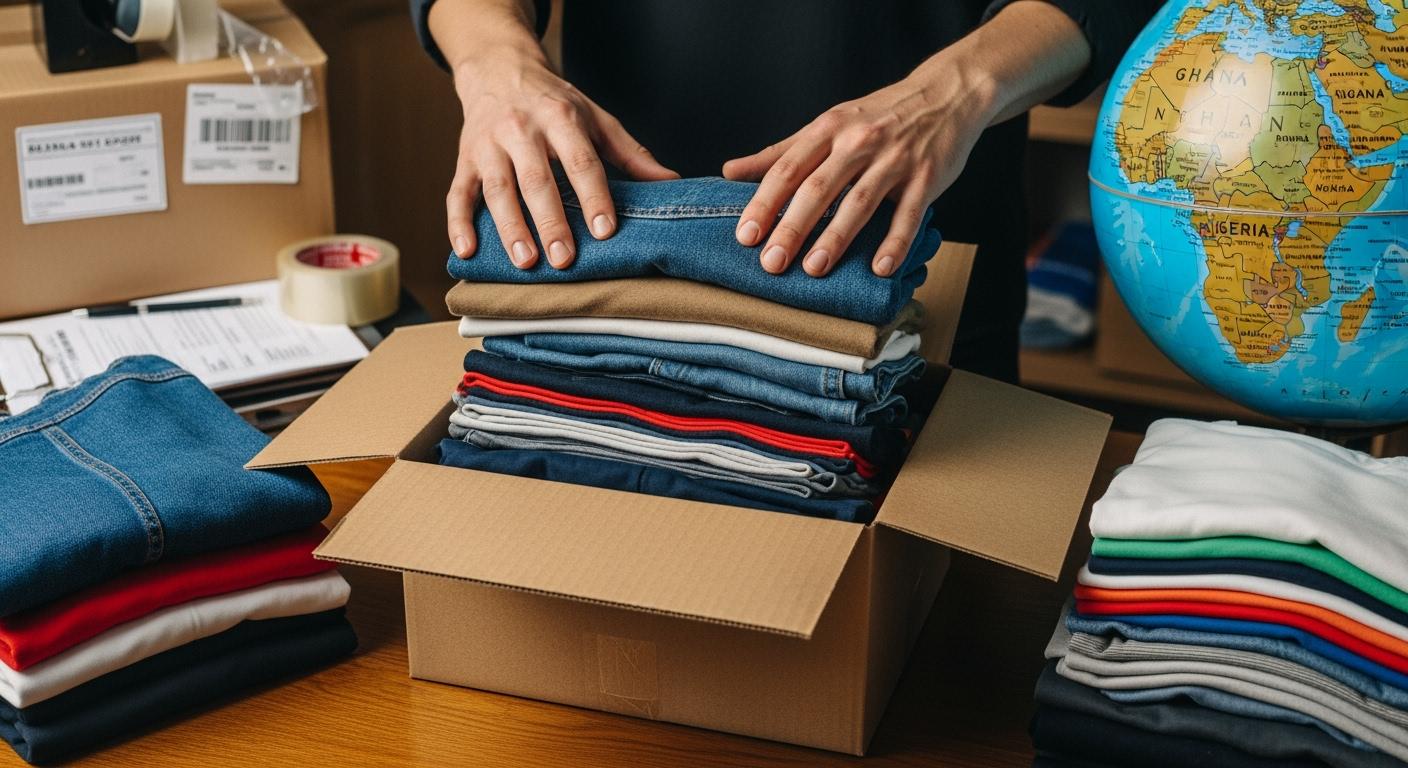
You can pack second-hand clothing well for African export markets by focusing on quality, being sustainable, and following the rules. Indetexx is a leader in sorting, packaging, and paperwork. They help you meet market standards. Many people want mitumba. About 91.5% of Kenyan homes use used clothing. Over 1.28 million jobs in East Africa come from this trade.
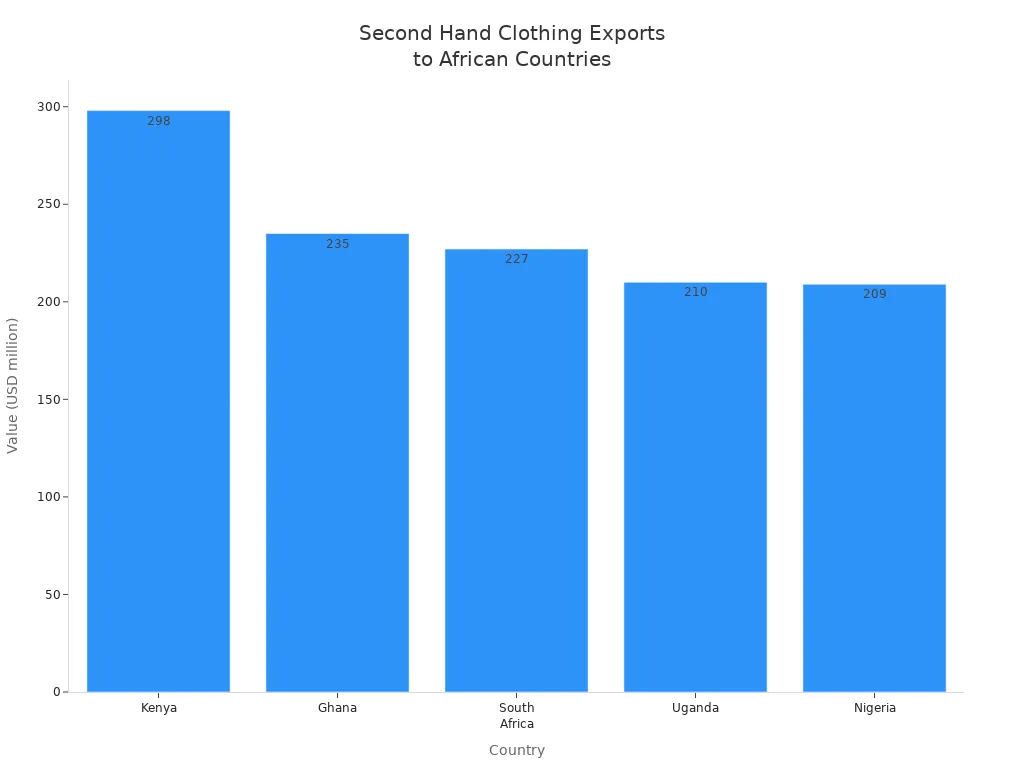
Country | Value (in local currency) | Value (in USD) |
|---|---|---|
Kenya | Sh38.5 billion | $298 million |
Ghana | Sh30.4 billion | $235 million |
South Africa | Sh29.4 billion | $227 million |
Uganda | Sh27.2 billion | $210 million |
Nigeria | Sh27 billion | $209 million |
Total | ~$1.2 billion |
Picking a trusted partner like Indetexx makes sure your clothing gets to Africa used clothing markets safely and quickly.
Key Takeaways
Pick a trusted partner like Indetexx for safe shipping. This helps your second-hand clothing get to Africa easily.
Sort and grade clothing with care. Make sure you match what people want in each area. Focus on good quality and styles that are popular.
Use strong packaging that is good for the environment. This keeps clothes safe while moving and helps nature.
Label every shipment the right way. Get all customs papers ready. This stops delays and helps your clothes enter Africa smoothly.
Learn about new import rules and market changes. This helps you change your shipping plans when needed.
Sorting for Africa Used Clothing Exports
Indetexx Quality Control and Grading
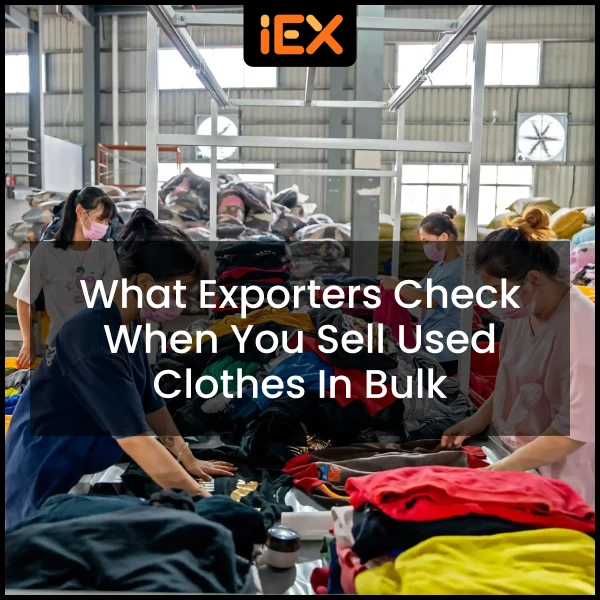
You want your africa used clothing exports to stand out in the mitumba business. Indetexx uses strict quality control and grading to make sure every piece meets high standards. When you sort used clothing, you check each item for shape, color, fastenings, and stitching. You look for stains, holes, and signs of wear. You also check if the style is trendy and if the material is good. Indetexx trains quality control managers to do spot checks and teach workers how to keep these standards. After sorting, another team inspects the clothing to make sure it fits the right grade.
Here is a table that shows the main quality control standards for sorting used clothing for the export of used clothing to Africa:
Assessment Criteria | Description |
|---|---|
Garment Shape | You check if the clothing keeps its original form. |
Color and Shade | You look for fading, especially in areas that rub a lot. |
Fastenings | You test buttons and zippers to see if they work. |
Stitching Quality | You check the edges and seams for strong stitching. |
Visible Faults | You find stains or holes to decide the grade. |
Fashion Relevance | You look at style, material, and brand. High synthetic items get lower grades. |
Quality Control Managers | They do spot checks and train workers. |
Quality Inspection | Another team checks the clothing after sorting. |
Packing Method | You pack clothing to match customer needs and country rules. |
Government Standards | You follow kenya rules like KEBS and PVoC for importing. |
You must follow these steps to make sure your bales meet the needs of the second-hand clothes market in nairobi, gikomba, and other cities.
Preparing Clothing for Mitumba Markets
Mitumba buyers want high-quality, affordable, and stylish clothing. You need to know what each market likes. For example, in nairobi and gikomba, people want different types of clothing based on the weather and trends. In cold places like Limuru, jackets and warm clothes sell fast. In hot places like Mombasa, light shirts and dresses are popular. You should always sort your used clothing by type and condition.
Here are some things mitumba markets look for:
Grade A clothes that look almost new.
Mixed blouses, official trousers for men and women, children’s jackets, leggings, fancy lady T-shirts, skirts, dresses, and shoes.
Brand-name sports shorts and trendy items for young buyers.
Affordable prices, since many people cannot buy new clothes.
You help your customers by giving them what they want. You also help vendors start their own second hand wholesale businesses with low costs. Mitumba clothing gives people in kenya and other African countries more choices and better quality.
Organizing by Category and Season
You make your africa used clothing exports more successful when you organize clothing by category and season. This helps you pack bales that match what each market needs. You can sort clothing into groups like men’s, women’s, and children’s. You can also sort by type, such as shirts, trousers, jackets, and shoes. When you know the season, you can send warm clothes in winter and light clothes in summer.
Here is a simple way to organize your used clothing:
Tip: Make a list of categories before you start sorting. This saves time and helps you fill bales with the right mix.
Men’s: shirts, trousers, jackets, shoes
Women’s: blouses, skirts, dresses, leggings, T-shirts
Children’s: jackets, trousers, dresses, shoes
You can also use clear labels on each bale. This makes it easy for your customers to find what they need. Indetexx helps you with this process by offering custom sorting and packing. You get bales that fit the needs of gikomba, nairobi, and other mitumba markets.
When you follow these steps, you make your export of used clothing smoother and more profitable. You also build trust with your buyers and help the mitumba business grow.
Packaging Materials for Mitumba Business
Choosing Durable Bales and Sacks
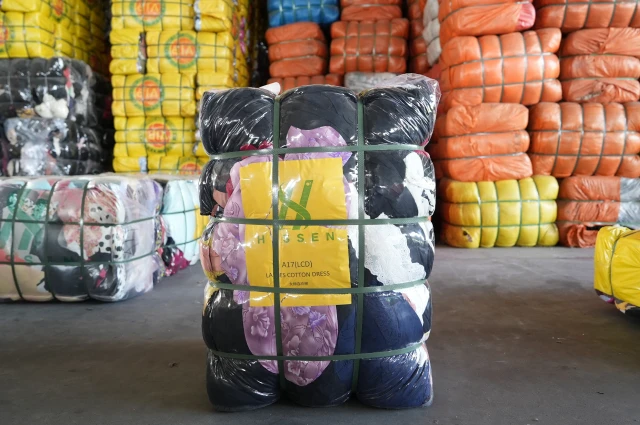
You need strong packaging to keep clothes safe when shipping. Many mitumba sellers use bales and sacks made from woven polypropylene. This material helps stop tears and keeps out water. Laminated sacks are even stronger. These sacks help your bales stay safe from your warehouse to Africa. You want your bales to arrive without any damage. You also want them to be easy to move and stack. Good packaging saves you money and stops losses.
Eco-Friendly and Cost-Effective Options
You can help the planet by using eco-friendly packaging for your mitumba business. Many exporters pick materials that are strong and safe for the earth. Woven polypropylene is good for small bales. It lets you pack more clothes in containers and keeps the weight down. Laminated sacks give extra protection. These choices cost less and last longer. You can see some common options in the table below:
Material | Application |
|---|---|
Woven polypropylene | Used for packing second-hand clothes in small bales, optimizing loading space and weight. |
Laminated for extra strength | Provides durability for the packaging, ensuring safe transport of clothing products. |
When you use these materials, you help the earth and keep your clothes safe.
Indetexx Packaging Solutions
Indetexx gives you many ways to pack your mitumba exports. You can choose the size and type of bales you need. Indetexx uses strong sacks and ties to keep your clothes safe. You get bales that are easy to carry and store. Indetexx also gives custom labels, so you know what is inside each bale. This makes shipping easy and helps customers find what they want fast. With Indetexx, you can trust your bales will reach Africa in great shape.
Packing Techniques for Safe Shipping
Compressing and Baling Methods
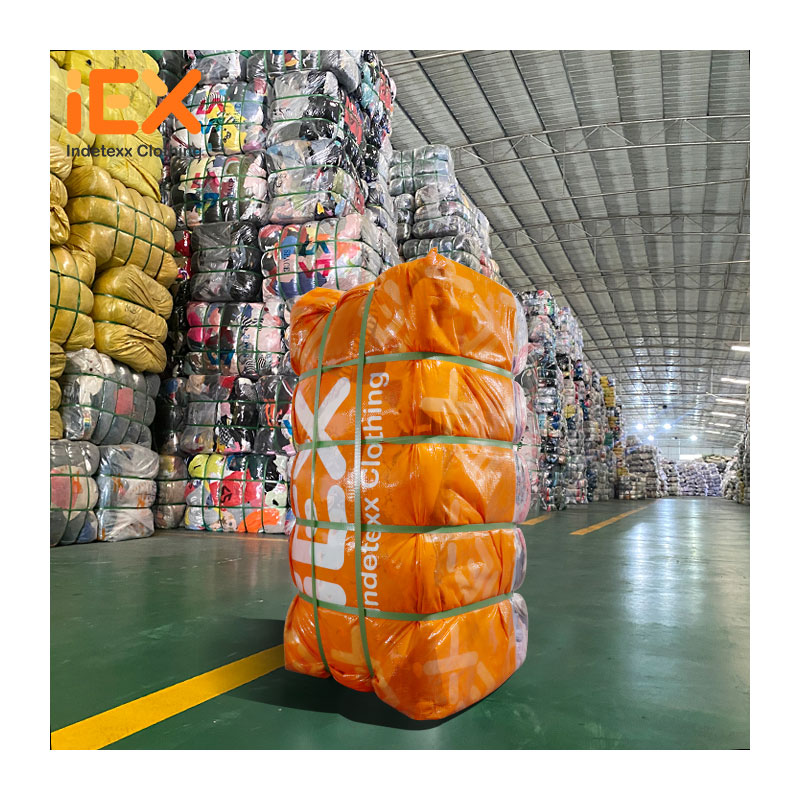
You want your second-hand clothing to reach African markets in top condition. The best way to do this is by compressing and baling your items before shipping. You should use hydraulic press machines with safety features and adjustable pressure. These machines help you create tight bales that save space and protect your clothing. You need to check your machines often. Make sure the hydraulic fluid is at the right level and the pressing chambers are clean.
Before you start, remove all hangers, zippers, and non-textile items from your clothing. This step improves the quality of your bales and keeps the process smooth. When you compress your textiles, you can fit up to 80% more into each shipment compared to loose packing. Most buyers want bales that weigh between 800 and 1200 kilograms. Standardized sizes make it easier for you and your customers to handle the goods.
Tip: Always check your bales for even compression. This helps prevent damage during shipping and keeps your mitumba business running smoothly.
Layering and Securing Loads
You must protect your second-hand clothing from damage during shipping. Start by layering your bales inside the container. Place heavier bales at the bottom and lighter ones on top. This method keeps your load stable and prevents crushing.
You should secure your cargo with straps or chains. Tie these to the lashing points inside the container. This step stops your bales from moving or swaying, even if the sea gets rough. Good packaging protects your clothing from water, dust, and handling stress. You want your mitumba shipment to arrive in perfect shape, ready for the market.
Layer bales by weight for stability.
Use strong straps or chains to secure loads.
Check all ties before closing the container.
Maximizing Container Space with Indetexx
You can save money and time by using every inch of your shipping container. Indetexx helps you choose the right packing method for your second-hand clothing. You can use bales, sacks, or boxes, depending on the type of items you export. The table below shows how each method works:
Packing Method | Weight Range | Material | Application |
|---|---|---|---|
Bales | 38kg to 100kg | Woven polypropylene | Used for mixed clothing, optimizes space and quick loading. |
Sacks | 20kg/25kg/28kg | Woven polypropylene | Used for items not suitable for baling, prevents damage. |
Boxes | 10kg/15kg/20kg | High-quality carton | Used for branded items, simplifies handling and saves space. |
You should stack your bales tightly, leaving no gaps. This method lets you fit more mitumba into each container. Indetexx offers expert advice on how to load your goods for the best results. You get more value from each shipment and reduce your shipping costs.
Note: Careful planning and the right packing techniques help you deliver high-quality second-hand clothing to African markets. You build trust with your buyers and grow your mitumba business.
Labeling and Documentation for Africa Used Clothing
Accurate Descriptions and Quantities
You must put clear labels on your used clothing shipments. This helps you avoid problems with customs. When you make labels for africa used clothing, follow these steps: Use product names that are easy to understand. Write down the materials and fabrics for each item. Add details like size and special features. Do not use words that are hard to understand. Separate products by their main differences. Make sure your labels follow safety and rule standards. This way, buyers trust you more in the second-hand clothes market. Good labels help customers sort and sell the clothing easily.
Country-Specific Import Labels
Every country in Africa has different rules for importing used clothes. You need to check the rules for kenya and other places before you ship. Some countries want labels in their own language. Others want you to show where the clothes came from or use special codes. If you send clothes to kenya, you may need to follow KEBS or PVoC rules. These rules keep buyers safe and help the market stay fair.
Tip: Always change your labels to match new import rules. This helps your export of used clothing go smoothly and saves you money.
Preparing Shipping and Customs Documents
You must get the right papers ready to import used clothing into Africa. Customs officers will look at your papers before your shipment can enter the market. Here are the main papers you need: Bill of lading or air waybill, commercial invoice (four copies), packing list (three copies), Declaration of Origin Form (sometimes needed), certificate of origin, and insurance certificate (for sea freight, sometimes needed). Some countries, like South Africa, may ask for extra permits or forms. Always check the customs rules for your destination. Good paperwork helps you avoid delays and keeps your africa used clothing business working well.
Cost-Effective Shipping Strategies
Optimizing Bale Size and Weight
You can save money by picking the right bale size. Match bale sizes to what your buyers want. Small retailers in kenya like bales that weigh 30 to 50 kg. Big distributors want bales that weigh 80 to 120 kg. The table below shows the difference:
Bale Size (kg) | Dimensions (m) | Purpose |
|---|---|---|
30–50 | 1.2 x 0.8 x 0.6 | Small retailers |
80–120 | 1.2 x 0.8 x 0.6 | Large distributors |
Standard bale sizes help you use container space better. You can fit more clothes in each shipment. This makes it easier for customers to move and sell bales.
Consolidating Shipments for Mitumba Business
You save money and time by combining shipments. When you put orders together, you fill containers and trucks faster. This lowers shipping costs and helps you track used clothing. You also use less fuel and cut delivery time. Here are some benefits and challenges:
Benefits | Challenges |
|---|---|
Cost control | Administrative overhead |
Optimized logistics resources | Managing multiple carriers |
Improved customer satisfaction | Securing capacity during peak seasons |
Enhanced operational efficiency |
Planning routes saves fuel and time.
Tracking shipments in one place builds trust.
Full trucks help the environment.
You need to plan well to avoid delays in busy times. Good planning keeps mitumba shipments on track.
Working with Reliable Partners like Indetexx
You can ship better by working with trusted partners. Indetexx helps you pack and load containers the right way. Their team works fast and handles export papers. You get help for importing into kenya and other African countries. Indetexx keeps product quality high and lowers risks. You can trust your bales will arrive safe and on time. This makes selling mitumba easier for you and your buyers.
Tip: Pick partners who know each country’s customs rules. This helps you avoid problems when importing and exporting.
Common Mistakes in Mitumba Exports
When you send used clothing to Africa, you want to avoid mistakes. These mistakes can slow down your shipment or cause you to lose money. Some mistakes can even get you in trouble with the law. If you learn about these problems, you can protect your business. You can also keep your customers happy.
Overpacking or Underpacking
You need to pack your clothing the right way. If you put too many clothes in a box, it can break open. If you do not put enough clothes in, the package can fall apart when stacked. Both of these problems can ruin your goods. Damaged clothes are worth less money. This means you lose profits and your buyers are not happy. Always check that each bale is full but not packed too tight. This helps you save money on shipping and keeps your clothes safe.
Tip: Pick the right bale size for your market. This makes your mitumba shipment safe and easy to move.
Inadequate Labeling or Documentation
You must put clear labels on every package. You also need to fill out all your papers the right way. If you make mistakes with your paperwork, customs can stop your shipment. They might also charge you extra money. Labels should say what is inside, how much it weighs, and where it came from. Good paperwork helps your shipment move fast through customs. It also helps your buyers trust you.
Here are some paperwork mistakes you should not make:
Product descriptions that are missing or wrong
Invoices or packing lists that are not complete
HS codes that are not correct
No certificate of origin
Ignoring Import Regulations
You must follow the import rules for each country. If you do not follow the rules, you can get fined. You might even lose your right to export. Some countries change their rules because of trade deals. For example, Rwanda lost trade benefits after raising taxes on used clothing. Other countries, like Kenya, changed their rules after talking with trade partners. Always check the newest rules before you ship.
Note: Following import rules keeps your business safe. It also helps you avoid expensive mistakes.
Sustainability and Social Impact
Environmental Considerations in Africa Used Clothing Trade
You help protect the environment when you send used clothing to Africa. Many clothes sent to Kenya and other places are low quality. Some are made from synthetic materials. These clothes often end up in landfills or rivers. When synthetic fibers break down, they make microplastics. Microplastics pollute water and soil. You can see this in the Nairobi River. Dumped clothing there causes plastic pollution and hurts water quality.
Too much unsellable clothing fills up landfills and makes plastic pollution worse.
Synthetic materials in dumped clothing cause harm to the environment.
Reusing and recycling textiles helps the fashion industry be greener, but this needs better systems and rules.
You help the earth by picking better quality items and supporting recycling.
Indetexx’s Commitment to Sustainable Mitumba Business
You help local people and the planet when you work with companies like Indetexx. The second-hand clothing business creates green jobs and helps Africa’s economy grow. Each shipment of used clothing can make several jobs. About 6.5 jobs are made for every tonne of clothing. This business gives families cheap choices and helps about 2.5 million people earn a living.
Indetexx is a leader in being green. The company uses AI sorting systems that recover 40% more garments. Blockchain helps track each item and checks that all sourcing is fair. Indetexx follows strict rules, like EU laws that say 55% of textiles must be reused by 2030.
When you pick Indetexx, you help make the environment cleaner and the economy stronger. You make the mitumba business better for everyone.
You can do well in the used clothing business if you use smart packing and shipping steps. Make sure your clothes are good quality. Fill out customs papers the right way. Learn what people in kenya want to buy. Indetexx helps you follow the rules for importing and shipping. Use this checklist to help your shipments go smoothly:
Element | Description |
|---|---|
Product requirements | Make clear rules for good used clothing. |
Packaging requirements | Pack clothes so they stay safe and look nice. |
On-site tests and checks | Check your goods before you ship them. |
Defect classification | Find and sort out bad items to make quality better. |
Collaboration | Talk with your team and partners often. |
Watch for new import rules and changes in shipping prices. The market in kenya and Africa can change quickly. Countries might add new taxes or change customs laws. More people want used clothing, but new bans or rules can happen. Keep learning so your business can grow.
FAQ
What is the best way to pack second-hand clothing for shipping?
You should sort clothes by type and quality. Use strong bales or sacks. Compress items tightly. Label each package clearly. This keeps your shipment safe and easy to handle.
How do you choose the right bale size for African markets?
Pick bale sizes based on your buyer’s needs. Small shops like 30–50 kg bales. Large distributors prefer 80–120 kg bales. Check with your customers before you pack.
What documents do you need for exporting used clothing?
You need a bill of lading, commercial invoice, packing list, and certificate of origin. Some countries may ask for extra permits. Always check the latest import rules.
How can you make your shipment more eco-friendly?
Use woven polypropylene sacks. Avoid plastic wraps. Choose suppliers who recycle and follow green practices. This helps protect the environment and builds trust with buyers.