
You want your business to grow and run smoothly. Picking the right Footwear Resupply partner helps you keep shelves full, match your brand, and make customers happy. If you choose wisely, you avoid costly mistakes and delays.
A strong partner gives you confidence and lets you focus on what matters most—serving your customers.
Key Takeaways
Know what your business needs before picking a Footwear Resupply partner. Think about what products you want, how many you need, and if you want special branding.
Look at the supplier’s reputation. Read reviews, ask for references, and try a small order to see how they do.
Pick a partner who knows a lot about footwear. Their skills can help you get better products and new designs.
Make sure your supplier is clear about prices. Know all the costs so you do not get surprised and can set good prices for your customers.
Keep good communication with your partner. Talk often to build trust and make sure you both want the same things.
Footwear Resupply Criteria
Aligning with Business Needs
Before you start searching for a Footwear Resupply partner, take a step back. Think about what your business really needs. Do you want to offer a wide range of shoes, or do you focus on a specific style? Are you looking for private label options to boost your brand? Maybe you need flexible order sizes because your business is just starting out.
Here are some of the most important things to consider when choosing a partner:
Comprehensive Product Range: You want a supplier who offers many types of shoes. This gives you more choices for your customers.
Quality and Compliance: Make sure the products meet high standards. Good quality keeps your customers happy and protects your reputation.
Clear Pricing Structure: Understand all the costs. This helps you set prices and keep your business profitable.
Flexible Minimum Order Quantities (MOQs): Some suppliers let you order small amounts. This is great if you want to test new products or if you run a small shop.
Private Label Shoe Care: If you want to put your brand on the shoes, look for a partner who offers private label options.
Reliable Wholesale Logistics: Fast and accurate shipping keeps your shelves stocked and your customers satisfied.
A Strategic Partnership: Choose a supplier who wants to help your business grow, not just make a sale.
Tip: Write down your top priorities before you reach out to any suppliers. This will help you stay focused and find the best fit for your business.
You also want to make sure your partner shares your values. If a supplier uses factories with poor working conditions or pays unfair wages, this could hurt your brand. Always check where and how your shoes are made.
Evaluating Supplier Reputation
You want a Footwear Resupply partner you can trust. A good reputation means fewer headaches for you down the road. Here are some simple ways to check if a supplier is reliable:
Look for a valid business license. This shows the supplier is legitimate.
Read reviews from other buyers. You can find these on supplier websites, business directories, and forums.
Ask the supplier for references. Contact other businesses who have worked with them.
Place a small order first. This lets you test their service and product quality before making a big commitment.
Check how long the supplier has been in business. A long track record often means they know what they are doing.
Visit their website and social media pages. A strong online presence can show they care about their image and customer service.
Request samples. Check the shoes for quality, including stitching and glue. Ask others to try them on and share their thoughts.
Note: If you see a lot of negative reviews or if the supplier avoids your questions, this is a red flag. Walk away and keep looking.
Choosing the right partner is not just about price or speed. It is about building a relationship that helps your business grow. When you take the time to check a supplier’s reputation, you protect your brand and your customers.
Expertise & Industry Experience
Specialized Footwear Knowledge
You want a partner who knows shoes inside and out. When your supplier understands the details of footwear, you get better products. They know how to make shoes that feel good, last longer, and look great. This kind of knowledge helps them keep quality high. You can trust that your customers will notice the difference.
Suppliers with deep expertise often bring new ideas to the table. They use advanced technology to create shoes that stand out. Maybe you want shoes that breathe better or last longer on tough trails. A knowledgeable supplier can make that happen. They also care about the planet. Many use eco-friendly materials and smart ways to cut waste. This matters more and more to shoppers today.
Tip: Ask your Footwear Resupply partner about their design process and how they stay up to date with new trends and materials.
Category-Specific Experience
Not all shoes are the same. Running shoes, work boots, and sandals each need special skills to make. You want a supplier who has worked in your category before. This experience means fewer mistakes and better results for your business.
Here are some real-world examples of how category experience leads to success:
Nike built teams that focused on different sports. These teams understood what athletes needed for each activity.
Hoka and On Running listened to runners and made shoes just for them. Their focus helped them grow fast.
Hoka created special cushioning for ultramarathon runners.
Brooks Running studied how people run and made shoes for different running styles.
When you choose a partner with the right experience, you get shoes that fit your customers’ needs. Your business can stand out in a crowded market.
Product Range & Customization
Variety of Offerings
You want choices when you pick a Footwear Resupply partner. A broad product range gives you more ways to meet your customers’ needs. Maybe you want sneakers, boots, sandals, or even specialty shoes. When your supplier offers many styles, you can test new ideas and follow trends.
A good supplier also gives you tools to help with design. Swatch books and sample cards let you see and feel different materials. You can mix colors, textures, and finishes. This makes it easier to create shoes that match your brand.
Advanced materials like DFX and AFX give you even more options.
DFX lets shoes bend at certain angles but stay firm at others. This helps you design shoes for sports, work, or casual wear.
You can pick how stiff or flexible you want each part of the shoe to be.
You do not have to settle for one style. You can create shoes for many activities.
Tip: Ask your supplier about their newest materials and how they can help your designs stand out.
Private Label & Custom Options
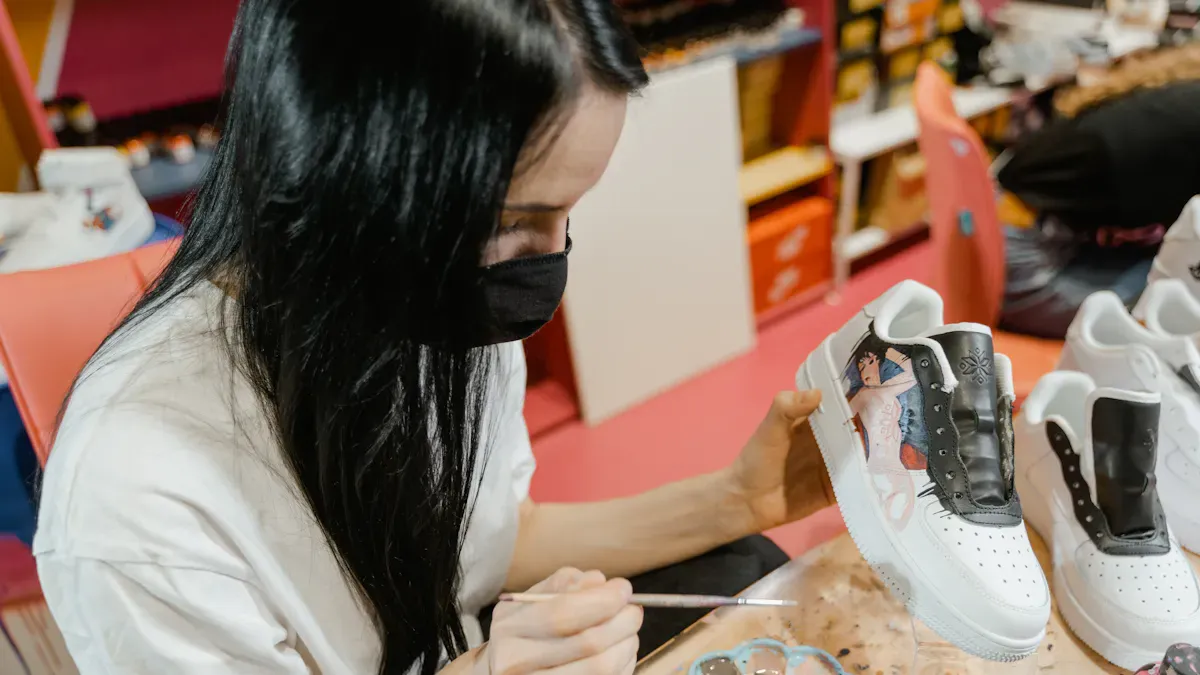
You may want shoes with your own brand name. Many suppliers offer private label programs. This means you can put your logo on the shoes and packaging. Your customers see your brand, not the supplier’s.
Custom options let you change colors, materials, and even the shape of the shoe. You can work with the supplier to create something unique. This helps your business stand out from the crowd.
Here are some ways private label and custom options help you grow:
Build a strong brand identity.
Offer shoes that no one else has.
Respond quickly to new trends or customer requests.
Note: Private label and custom shoes often need a bigger order. Make sure you ask about minimum order sizes before you start.
Quality & Compliance
Consistency in Sizing & Fit
You want shoes that fit well every time. If the sizes are wrong, customers complain. They might return shoes that are too big or small. This costs you money and time. Good suppliers use clear size charts. They test shoes on real people. They check for comfort and make sure the fit is right. You can ask for samples in different sizes. Try them on yourself or let your team test them. This helps you find problems before you order a lot.
Ask your supplier about their sizing process.
Get feedback from other buyers.
Look for brands that use standard sizes.
Tip: Keep track of sizing problems. Share this with your supplier so they can fix mistakes quickly.
Regulatory Standards
You need shoes that follow safety rules and laws. If your supplier follows these rules, you avoid legal trouble. You also protect your customers. Top suppliers pay close attention to rules in every country.
Here are some important standards:
Standard/Regulation | Description |
|---|---|
ISO 20345 | Sets rules for safety shoes and protects feet. |
CE Mark | Shows shoes meet EU health and safety rules. |
REACH | Limits dangerous chemicals in shoe parts. |
General Product Safety Directive | Requires shoe makers to share how shoes are made in the EU. |
Consumer Product Safety Improvement Act | Sets strict rules for kids’ shoes in the US. |
GB Standards (China) | Makes sure shoes are safe and limits bad chemicals in China. |
Japanese Industrial Standards (JIS) | Checks safety and quality for shoes in Japan. |
You can ask your supplier which standards they follow. If you sell shoes in different countries, make sure your partner knows local rules. Some suppliers help with paperwork and testing.
Note: Shoes that meet these rules last longer and keep customers safe. You build trust when you show you care about quality.
Pricing & Flexibility
Transparent Pricing
You want to know exactly what you pay for every pair of shoes. Clear pricing helps you plan your budget and avoid surprises. Some suppliers hide extra fees in the fine print. You should ask for a full price list before you place an order. This includes shipping, taxes, and any setup costs.
A supplier with transparent pricing builds trust. You can compare costs and see if you get a good deal. When you understand the numbers, you set better prices for your customers. That means more profit for your business.
Tip: Always ask your supplier to explain any fees you do not understand. If they cannot give you a straight answer, keep looking.
Volume Discounts & Terms
Buying more shoes at once often means you pay less per pair. Many suppliers offer volume discounts. This helps you save money and boost your profits. Shoes usually have higher prices than other fashion items. That means you can earn more on each sale, especially when you get a good deal from your supplier.
Here are some ways smart pricing and terms help your business:
You get better profit margins when you buy in bulk.
Suppliers with flexible payment terms let you pay over time. This helps your cash flow.
Competitive base pricing makes your business stronger.
Check out this table to see how a small change in cost can make a big difference:
Strategy | Impact on Profitability |
|---|---|
Target a 1–2 percentage point reduction in Footwear Inventory Purchase cost | Increases Gross Margin from 8.45% to 8.55% and adds thousands in annual profit |
You do not have to buy the biggest order right away. Start with what you can handle. As your business grows, you can ask for better deals and terms.
Note: Good suppliers want you to succeed. They will work with you to find the best pricing and payment plan.
Logistics & Inventory Management
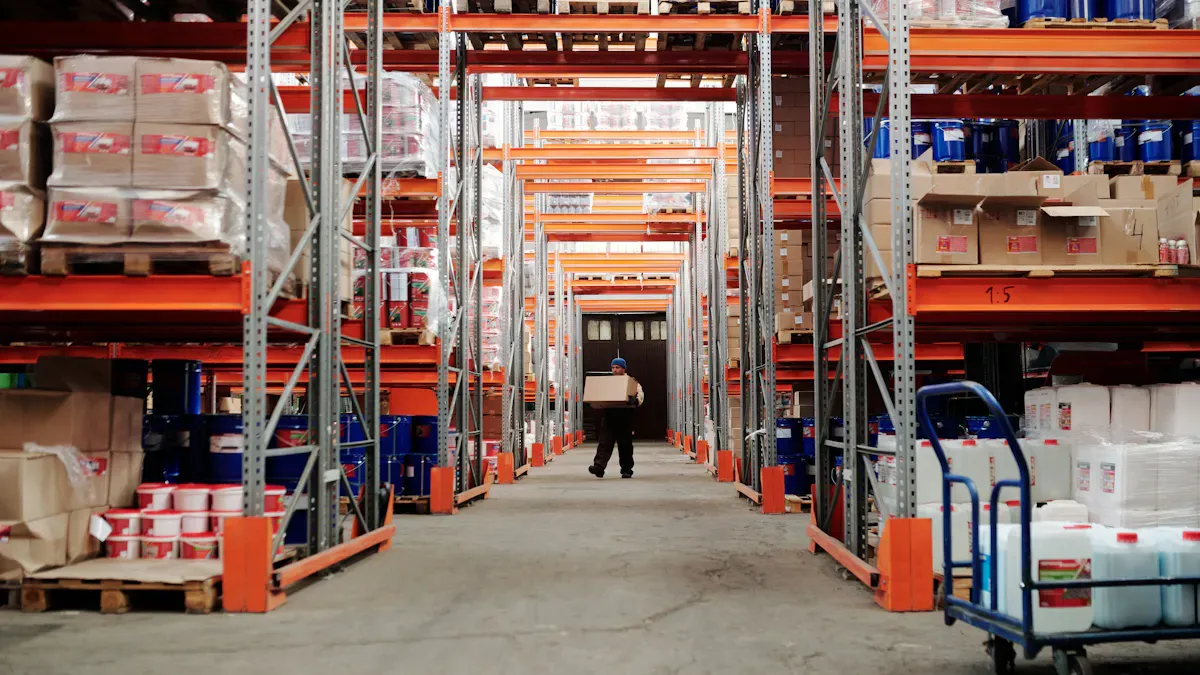
Supply Chain Optimization
You want your shoes to reach customers fast and in perfect shape. A smart supply chain makes this happen. When you pick a Footwear Resupply partner, look for one who uses the latest strategies to keep things running smoothly. Here are some top ways brands are making their supply chains better:
Start using digital product passports and show how shoes are made.
Choose materials that can be recycled or composted.
Track your products all the way back to the source.
Work with others to create new ideas and use better tools.
Make sure your partner cares about the environment and manages risks.
Share reports and follow the latest rules.
You also want a partner who keeps up with trends. Take a look at this table to see what’s new in footwear logistics:
Trend | Implication for Brands |
|---|---|
Expansion of direct-to-consumer (DTC) | Partners should support DTC for better customer engagement. |
Big data and analytics | Data helps you forecast and manage inventory. |
Collaborative logistics networks | Working together saves money and time. |
Innovations in last-mile delivery | New delivery options mean faster shipping. |
Focus on customer experience | Happy customers come back for more. |
Preventing Stockouts
Running out of shoes can hurt your business. You want to avoid empty shelves and unhappy customers. Many brands face stockouts when they rely on just one supplier or guess wrong about demand.
Pacers Running had trouble with supply chain delays when more people wanted running shoes. They teamed up with a warehouse partner to spread out their stock and avoid late deliveries.
Here are some simple ways to keep your inventory healthy:
Work with more than one supplier so you’re not stuck if one has problems.
Use smart tools to predict what you’ll need and when.
Pick a partner who helps you plan for busy seasons.
You can also try these methods:
Set a reorder point so you know exactly when to order more shoes.
Use just-in-time ordering to keep your stock fresh and avoid having too much.
A great partner will help you spot problems early and keep your business moving forward.
Strategic Partnership Potential
Communication & Support
You want a partner who listens and responds quickly. Good communication builds trust and helps you solve problems before they grow. When you and your supplier share the same goals, you both win. You can see this in big companies, too. Wal-Mart and Procter & Gamble started working together in 1985. They built trust and shared a vision. This helped them move products faster and deliver on time. VF Corporation and Levi Strauss also teamed up. They created “quick response” partnerships. These teams worked together to keep shelves stocked and customers happy.
Here’s what strong communication brings to your business:
Faster answers when you have questions or issues.
Fewer mistakes with orders and deliveries.
Better planning for busy seasons or new launches.
More trust between you and your supplier.
Tip: Set up regular check-ins with your partner. This keeps everyone on the same page and helps you spot problems early.
Growth Opportunities
A great partnership does more than fill your shelves. It helps your business grow. When you work closely with your resupply partner, you unlock new ways to succeed. One global footwear leader did just that. By teaming up with the right partner, they improved how they managed inventory. They made decisions three times faster. Their operations ran 35% more efficiently. Order management got a boost of up to 80%. With better forecasting, they saw double-digit revenue growth.
You can look for these growth opportunities:
Faster insights for smarter decisions.
Smoother operations that save time and money.
Stronger order management so you never miss a sale.
More sales and happier customers.
Remember: The right partner grows with you. They help you reach your goals and celebrate your wins.
Conclusion
You want your business to stand out. Picking the right footwear resupply partner helps you do just that. You have learned how to check for product range, quality, pricing, and support. You know what to ask and what to look for. Now, it’s time to put your plan into action.
Here’s a quick checklist to guide you:
Define your business needs and goals.
Research suppliers and check their reputation.
Ask about their experience in your shoe category.
Review their product range and customization options.
Test for quality and sizing consistency.
Confirm they follow safety and legal standards.
Understand their pricing and payment terms.
Check their logistics and inventory support.
Look for strong communication and growth potential.
Tip: Keep this checklist handy when you talk to new suppliers. It will help you stay focused and make smart choices.
You don’t have to rush. Take your time and compare your options. Ask questions. Request samples. Trust your instincts. The right partner will want to help your business grow. They will listen to your needs and offer real solutions.
If you already have a supplier, use these steps to review your current partnership. If you see gaps, start searching for a better fit. Every step you take brings you closer to a stronger, more successful business.
Ready to take the next step? Start your search today. Your perfect footwear resupply partner is out there, waiting to help you reach your goals. 👟
You want to pick a footwear resupply partner who helps your business grow. Check out these key steps:
Actionable Step | Description |
|---|---|
Look for experience | Find a partner who knows the footwear industry inside and out. |
Customized solutions | Choose someone who matches your brand’s vision and goals. |
In-depth analysis | Pick a partner who understands market trends and branding strategies. |
Proficiency in sourcing | Make sure they can find quality materials and manage the supply chain well. |
Take a moment to review your current supplier. If you see gaps, start your search today. The right partner will help you reach your goals. 🚀
FAQ
What is a Footwear Resupply partner?
You work with a Footwear Resupply partner to keep your shoe inventory full. This partner helps you get the right shoes at the right time. You can focus on selling while they handle the rest.
How do I know if a supplier is reliable?
You can check reviews online and ask for references. Try placing a small order first. If the supplier communicates well and delivers on time, you can trust them.
Can I order custom shoes for my brand?
Yes, many suppliers offer custom options. You can choose colors, materials, and even add your logo. Ask about minimum order sizes before you start.
What should I do if I get shoes with quality issues?
Contact your supplier right away. Share photos and explain the problem. Good partners will fix the issue or replace the shoes quickly.
How often should I review my Footwear Resupply partner?
You should check your partner’s performance at least once a year. Look at delivery times, quality, and support. If you see problems, consider finding a new partner.
Ready to Source Your First Shoe Container?
Indetexx ships Grade A and Grade B used shoe bales to 110+ countries with Recydoc-lot-tracked grading. Every bale ships with documented composition reports, pre-shipment photos, and size distribution data so you can verify grade accuracy before the container sails.
Our 20,000㎡ sorting factory processes 6,000 tons of footwear monthly, ensuring consistent supply for buyers across Africa, Southeast Asia, and Latin America.